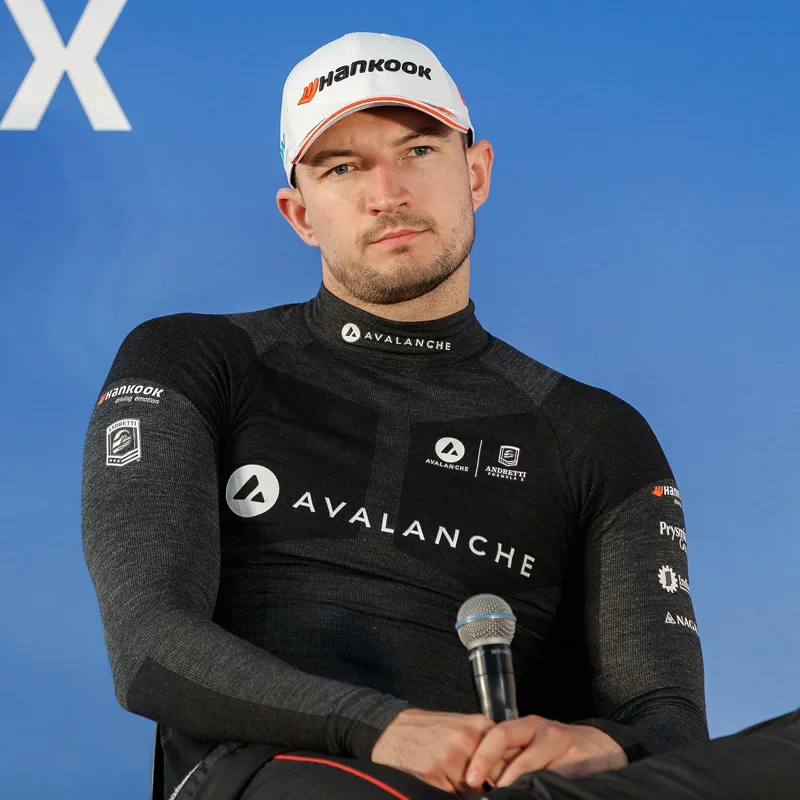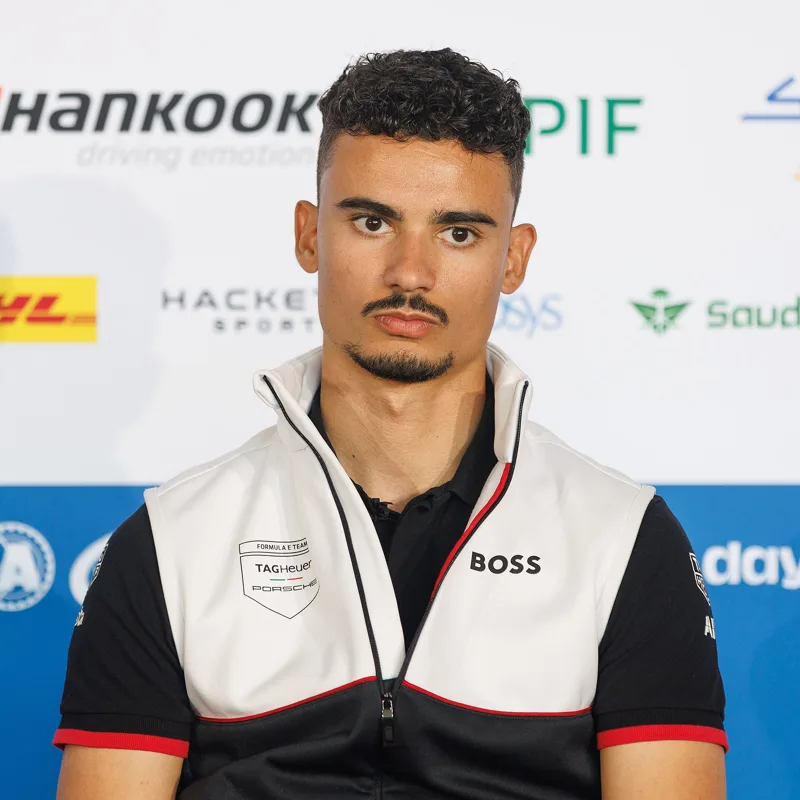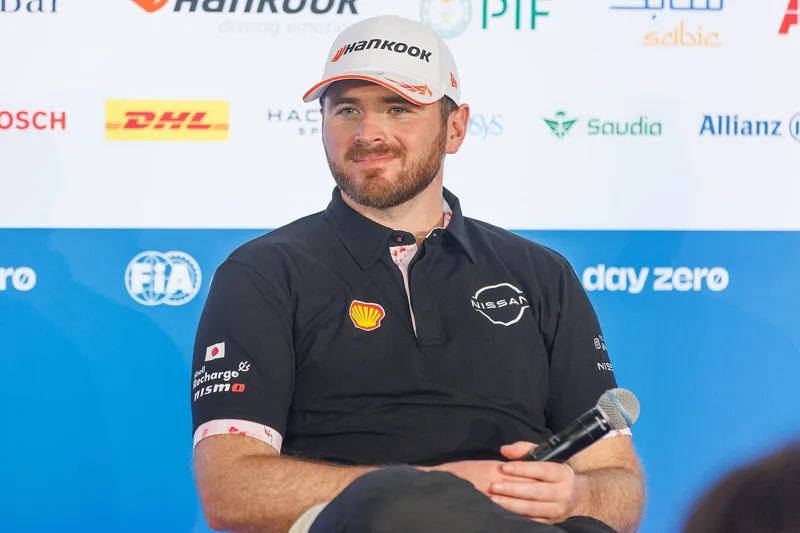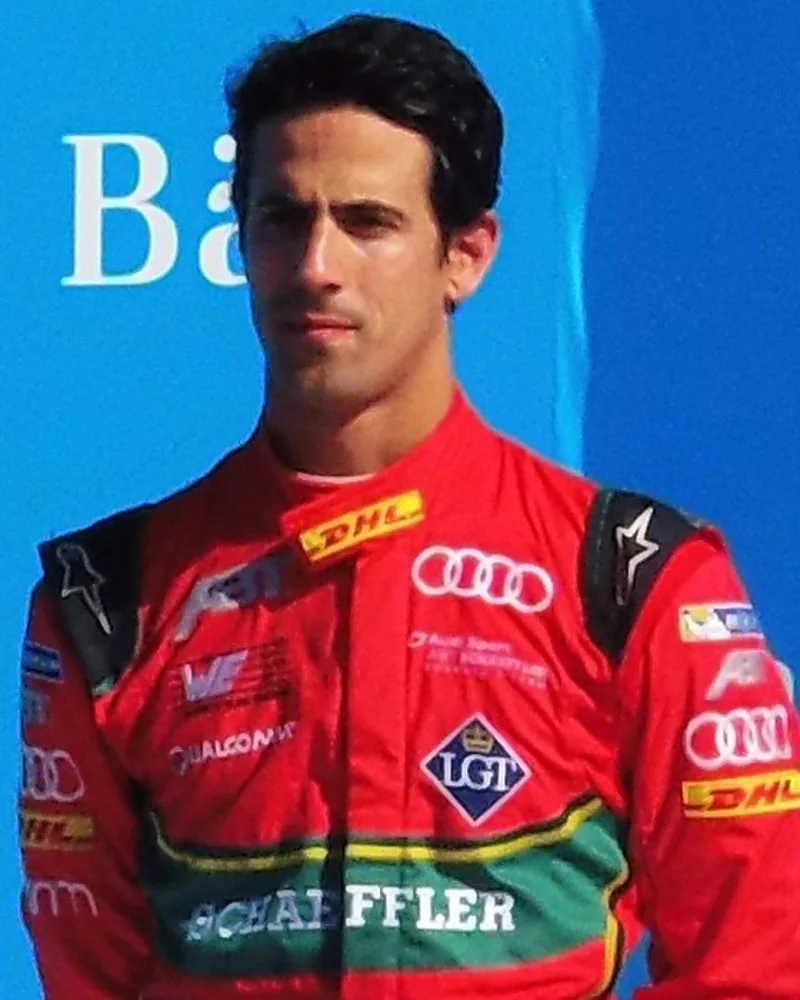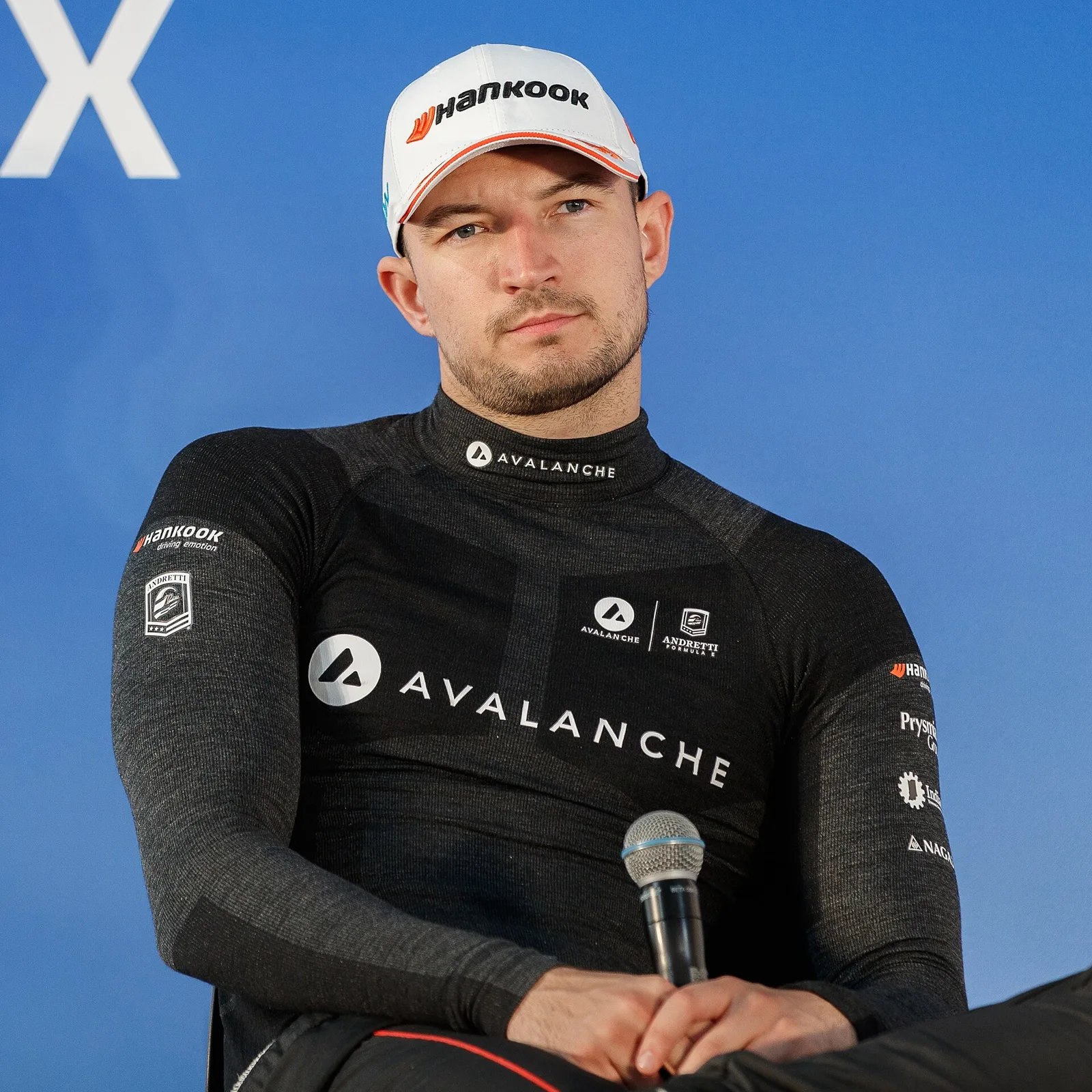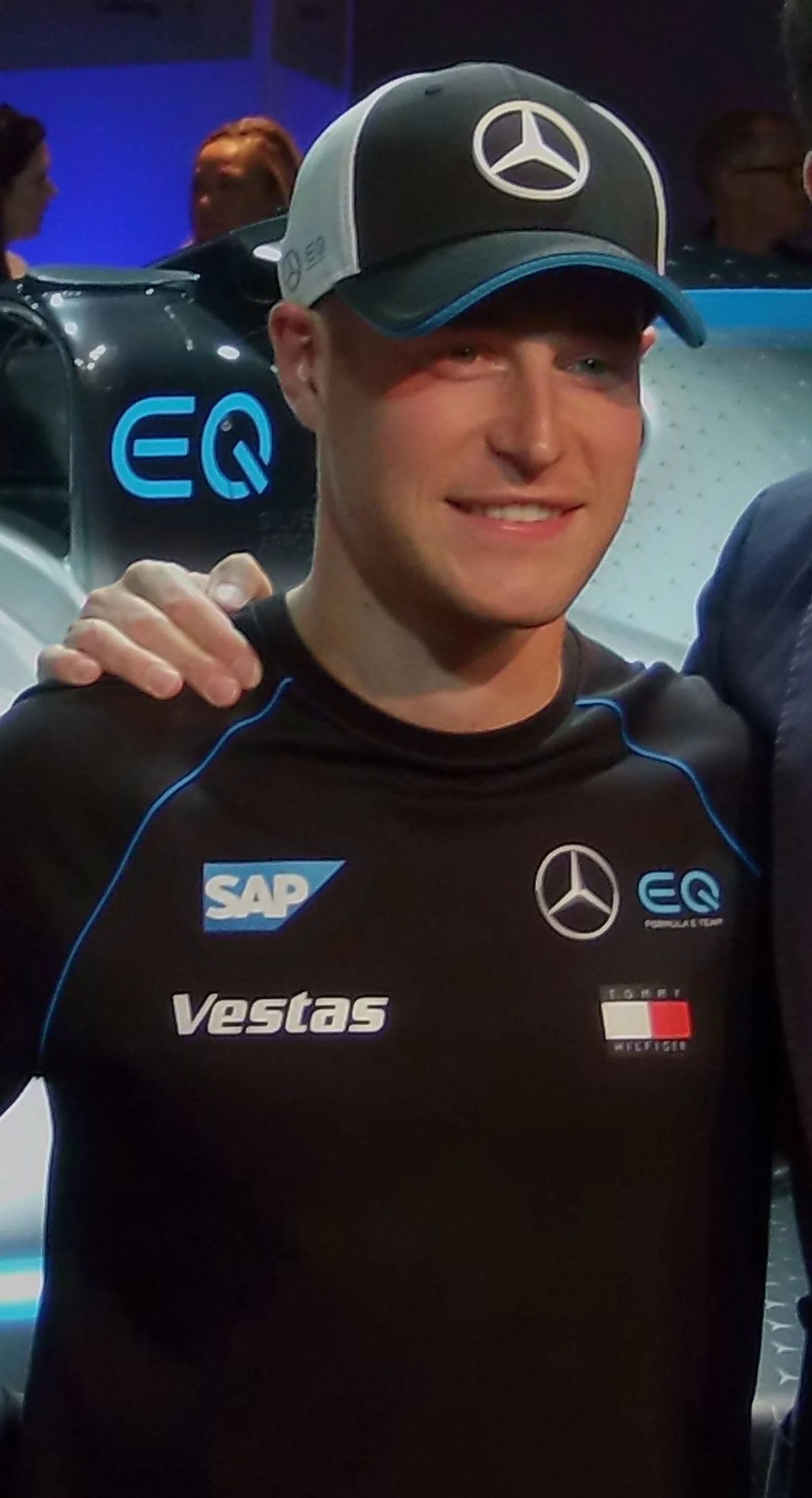
Sixteen races, a new qualifying format, a red flag in Seoul and a Mercedes double as the second-generation cars signed off.
Stoffel Vandoorne of Mercedes won the 2021-22 Formula E world title from sixteen races, scoring points in 15 of them. Mercedes also took the teams' title, closing out the second-generation era with back-to-back championships before leaving the series.
The 2021-22 season was the eighth campaign for the series and the last to use the second-generation cars. Stoffel Vandoorne took the Drivers' title in Seoul, and Mercedes secured the Teams' championship as it prepared to leave the series. Vandoorne won only once all year, yet he scored in 15 of the 16 events.
How did the rules change for 2021-22?
The season was the last under Gen2 regulations, and it brought a new qualifying system. Drivers were divided into two groups by championship position, with odd places in one group and even places in the other. Each group ran a ten-minute session with a 220 kW power limit.
The top four from each group moved into head-to-head duels at 250 kW, made up of a quarter-final, a semi-final and a final. The final winner took pole, the runner-up started second, and the remaining drivers formed alternately from ninth place.
The season opener allowed each team to nominate one driver for each group, a one-off concession for the first weekend. Every team ran a spec Spark SRT05e chassis on Michelin tyres.
Mercedes closed the Gen2 era with back-to-back titles, and the crown went to the most consistent driver.
Which teams and drivers changed for the season?
Audi was the big departure. Audi Sport and Abt left after the 2020-21 season, although Audi remained as powertrain supplier for Envision Racing until the end of 2021-22. BMW also left, but it supplied powertrains to Andretti for the season.
Mercedes-Benz announced that this would be its last season, and the Envision team was renamed Envision Racing on 1 November 2021. Jaguar Racing took the name Jaguar TCS Racing, with Tata Consultancy Services as its title sponsor.
Several drivers switched. Oliver Rowland left Nissan e.dams for Mahindra, an announcement made on 23 June 2021, while Maximilian Gunther moved from Andretti to Nissan e.dams. Lucas di Grassi signed for Venturi, replacing Norman Nato.
Other changes took drivers out of the series. Rene Rast returned to DTM, Alex Lynn signed for the IMSA SportsCar Championship, and Antonio Giovinazzi moved to Dragon/Penske in place of Joel Eriksson. Oliver Askew joined Andretti, becoming the first American to race full-time in the series.
Dan Ticktum partnered Oliver Turvey at NIO 333. Injuries forced later changes too: Sam Bird broke a wrist after London and Norman Nato replaced him at Seoul, while Sacha Fenestraz replaced Giovinazzi for the second Seoul race after a hand injury.
How did the calendar change for the season?
Seoul closed the season, having first been scheduled for 2019-20 before being cancelled twice because of COVID-19. The season opened at Diriyah for the fourth time, while Mexico City returned to the Autodromo Hermanos Rodriguez after a 2021 move to Puebla.
The Vancouver ePrix was cancelled on 23 April 2022. Marrakesh came in for the same 2 July slot, an announcement made on 11 May 2022. Cape Town was dropped on 15 October 2021 in favour of Jakarta, which was an inaugural event that year.
Rome and Berlin were both made double-headers on 15 December 2021, which meant more racing weekends with two races each.
How did the season begin at Diriyah?
Vandoorne took pole for the first race and led early. Rowland hit the barrier at turn 16 during the race, and after a missed sensor reading on his attack mode, de Vries passed him. De Vries went on to win, with Vandoorne second, giving Mercedes a one-two.
Oliver Askew finished eighth on his debut and scored four points. In the second race de Vries took pole and led early, but di Grassi passed him at turn 18, and Mortara followed through one lap later. The race ended under yellow flag conditions after a safety car was called for Alexander Sims, who had lost control of his Mahindra at turn 5.
Late on, Frijns moved up to second at di Grassi's expense, with ten minutes still to run. De Vries had lost momentum and slid to tenth, and Mortara left Diriyah four points ahead of de Vries in the standings.
Two weeks later the series arrived in Mexico City. Pascal Wehrlein took pole and led early, but Mortara overtook him after his first attack mode. Vergne then passed both Porsches within two laps, and Mortara dropped behind both Techeetahs.
The Porsches struck back: both overtook Vergne on lap 25, and Wehrlein retook the lead two laps later. Porsche used team orders to seal a one-two finish, and the win lifted Wehrlein to third in the standings.
How did Rome produce two very different weekends?
The first Rome race had a late twist. Vandoorne and Frijns swapped the lead several times, and de Vries retired with a technical issue. Mitch Evans passed six cars to win from ninth on the grid, after Frijns regained second place in the final two minutes.
In the second Rome race Vergne took his 14th pole. Giovinazzi's car stopped on track and brought out a safety car, and Evans regained the lead during the second round of attack modes to win again and complete a double.
Mortara's race ended when he clipped the wall, and Vergne went two points clear at the top of the table.
Vergne's lead at that point was narrow, and the rounds that followed would decide who could hold on to the top of the standings.
How did Monaco and Berlin reshape the standings?
Evans dominated qualifying in Monaco and took pole. Wehrlein passed him but was damaged in the process and had to retire, which brought out a full course yellow. Vandoorne won the race and moved six points clear of Vergne in the standings.
Vandoorne's Monaco win also came after a safety car for Lotterer's Porsche at Sainte Devote. He managed the restart and stayed in front to the finish.
Berlin's first race used the traditional layout. Mortara took his maiden pole and won, with Vergne second after overtaking Lotterer and Vandoorne. Vandoorne had dropped to twelfth at the start and recovered to third.
The second race used the reverse layout, and Mortara took pole again. De Vries made quick work of Frijns and Mortara at the start and led at the start and finish. Vandoorne took his second third-place finish in a row, which put him twelve points ahead of Mortara and 16 points ahead of Vergne.
Berlin showed how the title race had become a three-way fight between Vandoorne, Mortara and Vergne, with each taking turns at the top of the table.
What decided the Jakarta and Marrakesh rounds?
The inaugural Jakarta ePrix produced Vergne's 15th pole, a new record. He led his teammate da Costa early on, but a safety car came out after one lap, and Evans seized second after da Costa slipped at turn 7. Evans passed Vergne on lap 31 to win.
Vandoorne's fifth place left him five points clear of Vergne, with the top four covered by twelve points.
Marrakesh came in for the cancelled Vancouver round. Da Costa took pole, but Vandoorne started 20th after brake problems. Mortara won his third race of the season, while the two Techeetahs chased him hard and Rowland overtook four cars to reach second before dropping back.
Vandoorne recovered to eighth, and Mortara held an 11-point lead at the top of the table.
How did New York City and London decide the title?
New York City's first race was run in fickle weather. Nick Cassidy took pole after rain hit group B. Cassidy lost the lead to di Grassi at the first attack mode, and a heavy shower then caused a red flag. The result on countback gave Cassidy his first career win.
In the second New York race da Costa took pole and his first win of the season, which was also the team's first win of the year. Vandoorne finished second, which gave him the championship lead by eleven points over Mortara, who had started at the back and finished tenth.
London's first race went to Dennis on home soil, with Vandoorne second. Bird collided with Mortara and retired, and Sergio Sette Camara ran third for a time before de Vries took the place back. De Vries was then penalised after the race, which promoted Cassidy to the podium.
London's second race began with Dennis on pole for a second time. Askew retired after contact with Rowland on the first lap, and Vergne also retired after contact, bringing out the safety car. Di Grassi gained the lead late and held it, while Vandoorne finished fourth and Mortara was 13th after Evans retired with a technical problem.
How did Seoul settle the championship?
Seoul's first race was run in the wet. Rowland took pole, and Evans had the best start, moving from third into the lead. A crash involving eight cars in the wet brought out a red flag, and Evans led through the restart to win. That win meant the title went down to the final race.
The final race was run on a dry track. Da Costa took pole, but Mortara got past him on lap 3, and Dennis came through behind. Vandoorne sat comfortably in fourth, which was enough to seal the title.
Da Costa tried to move on Dennis for third, but Dennis spun him around and was then penalised for the contact. The result left Vandoorne second over the line, and that was enough to make him champion.
Mercedes completed back-to-back driver and team championships, ending the second generation of the series. Vandoorne's title rested on a single victory and points in 15 of the 16 races.
How did the championship lead change through the season?
The lead changed hands several times through the season. Mortara and Vergne both held the top spot at different points, while Vandoorne took control in the second half of the year. The table shows the leader after key stages and the gap at each point.
| Stage | Leader | Margin |
|---|---|---|
| After Diriyah | Mortara | Four points ahead of de Vries |
| After Rome | Vergne | Two points |
| After Monaco | Vandoorne | Six points over Vergne |
| After Berlin | Vandoorne | twelve points over Mortara |
| After Jakarta | Vandoorne | Five points over Vergne |
| After Marrakesh | Mortara | 11 points |
| After New York City | Vandoorne | 11 points over Mortara |