Twelve ePrix, a Jaguar works return, a New York double-header and a title race shaped by two disqualifications.
The 2016-17 Formula E season ran twelve ePrix from Hong Kong in October 2016 to Montreal in July 2017. Lucas di Grassi of ABT Schaeffler Audi Sport won the Drivers' title, Sebastien Buemi won six races, and Renault e.Dams retained the Teams' championship.
Twelve ePrix, starting in Hong Kong in October 2016 and finishing in Montreal in July 2017, formed the third campaign of the electric single-seater series. Lucas di Grassi took the Drivers' title in the last race, while Renault e.Dams held on to the Teams' trophy for a third straight year. A disqualification at the penultimate race had shifted the title race in di Grassi's favour.
How did the entry list take shape?
Ten teams and 25 drivers lined up, and all of them ran Spark chassis. The biggest news was Jaguar's return as a works team, the first time the marque had fielded a factory entry in 12 years. It worked alongside Williams Grand Prix Engineering to build its car.
Team Aguri changed owners when China Media Capital bought it, and the team re-emerged as Techeetah, running a custom Renault powertrain. Dragon Racing decided to build its own powertrain for the season and agreed a four-season technical partnership with Faraday Future. Andretti set up a two-year technical tie-up with BMW.
Several drivers changed seats. Felix Rosenqvist arrived as the 2015 Formula Three European champion and joined Mahindra. Maro Engel, who had been away from single-seaters for years, was hired by Venturi. Jose Maria Lopez, a three-time World Touring Car champion, went to Virgin Racing alongside Sam Bird.
Jean-Eric Vergne left Virgin on 4 July and signed for Techeetah three days later. Antonio Felix da Costa moved from Team Aguri to Andretti. Esteban Gutierrez, a former Haas F1 driver, joined Techeetah in January 2017, and five driver changes took place over the season.
Jaguar's line-up was Adam Carroll and Mitch Evans, named in September 2016.
Twelve ePrix, a new works team and a title that was still open in the final race.
Which races were added, and which fell away?
The calendar changed in eleven significant ways from 2015-16. Hong Kong and Marrakesh were new, and Marrakesh gave the series its first African city. Monaco returned, and Montreal closed the season as the first Canadian round. Most of the other changes were removals, usually for money reasons.
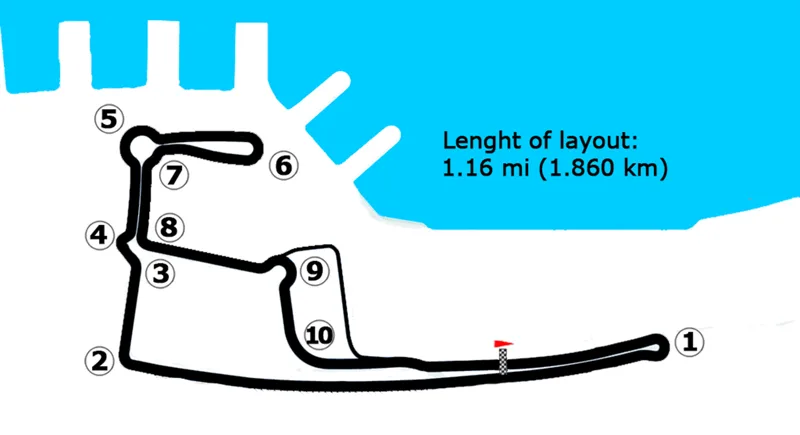
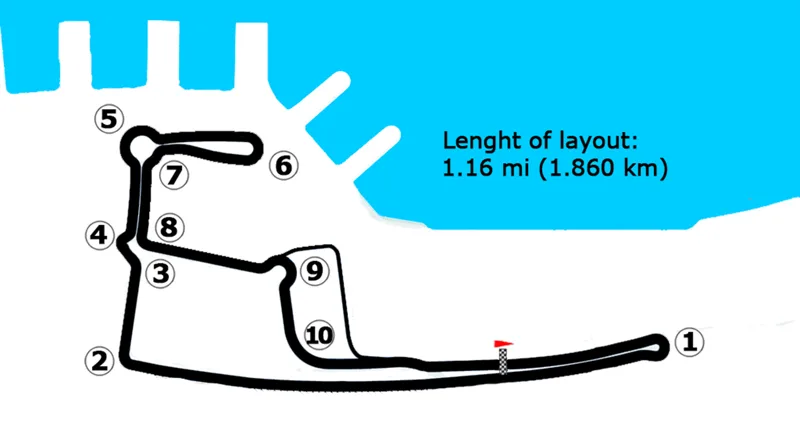
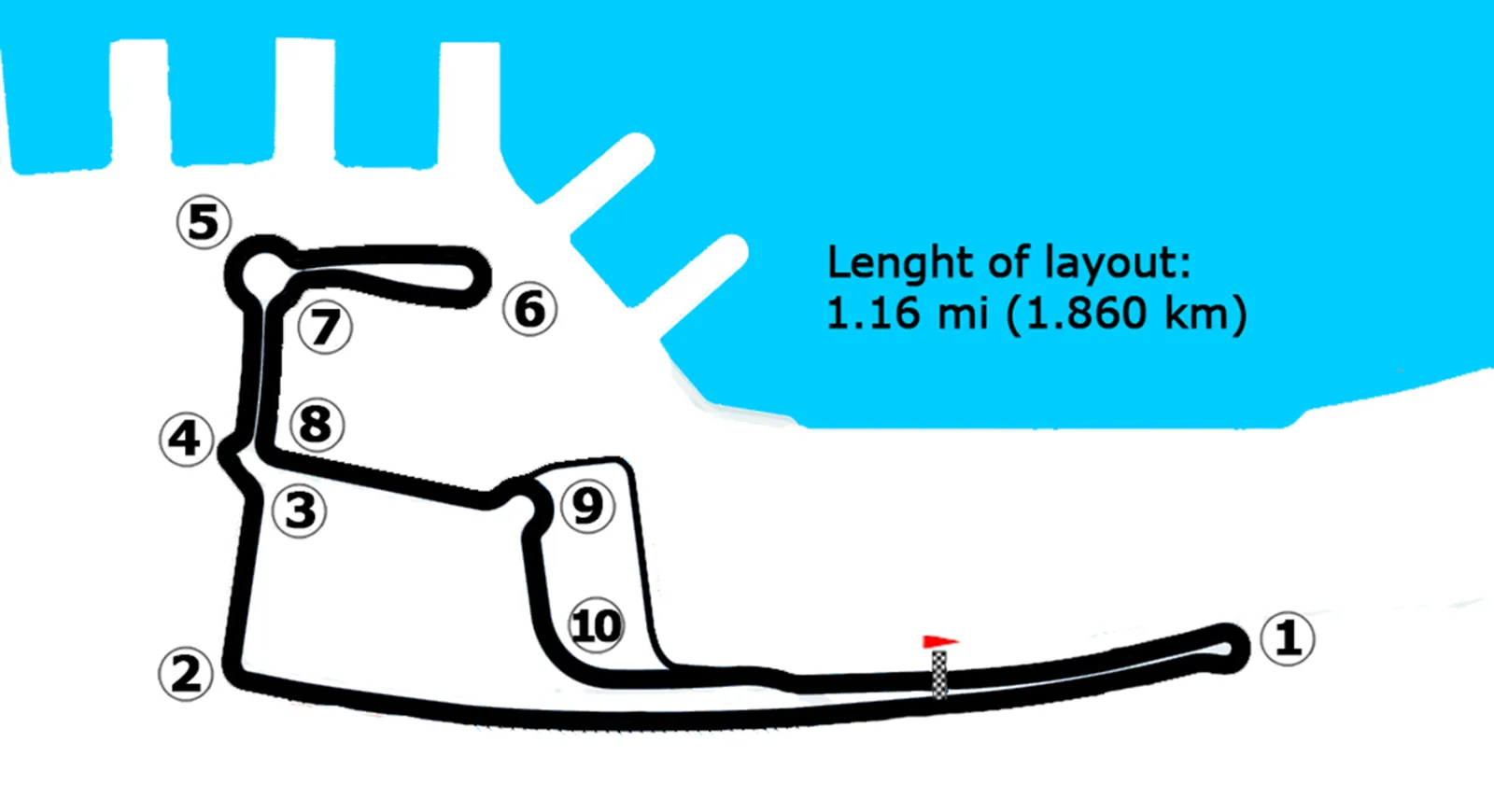
The Hong Kong idea dates back to a 2013 visit by a design team. The Hong Kong ePrix was announced in October 2015 at Central Harbour Front.
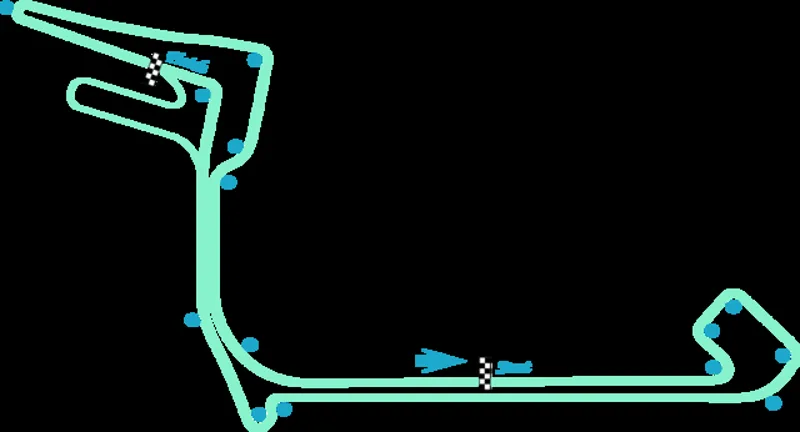
New York City staged a double-header on the Brooklyn Street Circuit, the first motor racing in the city since 1896. The layout measures 1.947 km (1.210 miles) and sits in Red Hook.
Berlin returned to Tempelhof Airport on a revised layout, and Montreal brought the championship to Canada for the first time.
Some planned rounds never made it. Long Beach and Punta del Este were dropped for financial reasons, while a London double-header was cancelled after a court challenge over Battersea Park. Brussels was scrapped on 9 March, and Beijing and Putrajaya left the schedule without any stated explanation.
Monaco was back on 13 May, its first appearance since the 2014-15 season.
How did the new rules change the cars?
The most significant change concerned energy. Regeneration climbed by 50%, reaching 150 kW (200 hp) from a 100 kW (130 hp) base, which gave teams more ways to plan their strategy. Maximum usable power on race weekends stayed at 200 kW (270 hp).
Battery cells grew heavier, going up to 230 kg (510 lb) from 200 kg (440 lb). Maximum car weight dropped, moving down to 880 kg (1,940 lb) from 888 kg (1,958 lb).
A new rule called power ramping required any car over its energy limit to fall to 0 kW within five seconds.
Further increases were already on the table. Season four was due to bring 220 kW (300 hp) of power, and season five was set for 250 kW (340 hp).
Michelin brought an upgraded 460 mm (18 in) all-weather tyre. The front wing received a new look, designed to give the series a stronger visual identity, and from the Berlin ePrix each car carried the driver's name and number on its bodywork.
Roborace ran demonstration laps during the season, and the first practice session started 15 minutes later to make room for them.
How did the opening rounds play out?
Hong Kong began with a shortened qualifying session, as several crashes forced stoppages. Nelson Piquet Jr took his first career pole, but Sebastien Buemi won the race, his seventh career victory. Once ahead, Buemi was unchallenged and cruised to the flag.
Marrakesh was the first FE race on African soil. Felix Rosenqvist claimed his maiden pole, Mahindra's first. Buemi had been demoted five places over an underweight fire extinguisher, yet he still won again, his second consecutive victory and eighth career win.
The race itself was messy. Rosenqvist's steering wheel display failed, which limited the information available to him, and Vergne had to serve a drive-through after speeding in the pit lane on lap 23. Buemi then passed Rosenqvist on the 29th lap, using FanBoost to help him close the gap.
Buenos Aires was the final race at the Puerto Madero circuit. Di Grassi took pole by nearly two-tenths of a second, but Buemi took his third win of the year and his ninth career victory. He was the first driver to win three ePrix in a row. Carroll stalled on the grid and started a lap late, while Vergne moved past di Grassi for the lead on lap three.
In Mexico City Daniel Abt set the fastest time, but a tyre-pressure penalty sent him to 18th on the grid. Di Grassi won his first race of the season, his fifth career victory, and his 25 points put him five behind Buemi.
What happened in the European rounds?
Monaco brought Buemi his fourth win of the year, and it was his tenth career victory. Monaco was a race of incidents, and Bird had damaged his suspension at Tabac earlier, while Vergne's race ended at the wall after contact with Piquet on lap 21.
Paris followed. Duval and Engel missed the race because of a DTM commitment, and Conway and Dillmann took their places. Conway led for three laps after the pit stops, but di Grassi and Felix da Costa crashed into the wall, ending the race behind the safety car.
Buemi won Paris for his fifth victory of the year and his 11th career win. That result gave him a season-high championship lead of 43 points.
Berlin hosted two races on one weekend, and the first began with a record-close pole. Di Grassi took pole by 0.001 seconds over Lopez, the closest margin in FE history, despite an ankle injury from a charity football match four days earlier.
Rosenqvist won the first Berlin race, his first win and Mahindra's first. Buemi finished fifth on the road but was later disqualified for tyre pressures below the minimum.
The second Berlin race began with Rosenqvist on pole by nearly one-tenth of a second. A ten-second penalty for a pit release dropped him behind Buemi, who was declared the winner, his sixth victory of the season and his 12th career win.
What unfolded in New York City?
New York City hosted two races, the first motor racing there since 1896. Buemi and Lopez missed the weekend because of a clash with the 6 Hours of Nurburgring, and di Grassi cut Buemi's lead to ten points afterwards.
Lynn took pole in his maiden ePrix, but Bird won the first race, his fourth career victory and the first win by a driver in New York. Bird drove for Virgin Racing alongside Lopez.
In the second race Bird took pole by 0.037 seconds over Rosenqvist and won again. It was his second consecutive win and his fifth career victory.
How was the Montreal finale decided?
Montreal offered up to 59 points, so the title was still open going into the weekend. Buemi had crashed heavily in practice, forcing his team to rebuild the car around a spare monocoque, and he then took a ten-place grid penalty for a battery change.
In the first race di Grassi took his third pole, by 0.196 seconds over Buemi, and held off Sarrazin at the start. He went on to win, and Buemi was disqualified afterwards for an underweight second car.
Buemi's disqualification moved di Grassi ahead, and he carried an 18-point advantage into the last race.
In the final race Rosenqvist took his third pole of the season, with Bird second on the grid. Di Grassi's decision to stay out one extra lap failed, because his pit stop ran two seconds longer than the agreed minimum.
Vergne passed Rosenqvist on the 29th lap and held the lead to the flag. It was his first FE victory, after eight podiums in the three previous seasons, and his first race win since 2011 at Paul Ricard.
Di Grassi finished seventh and secured the Drivers' title. Buemi came home 11th, Prost took the point for fastest lap, and Renault e.Dams kept the Teams' title for a third successive season.
Who won the championships, and how did the table finish?
Di Grassi finished 24 points clear of Buemi, who had been the defending champion. Rosenqvist was a further 30 points back in third. The Teams' title went to Renault e.Dams, with ABT Schaeffler Audi Sport and Mahindra behind it, and it was the team's third successive title.
Buemi won six races, more than any other driver, but two disqualifications, in Berlin and Montreal, took points away from him.
Who won each ePrix?
Five different drivers shared the twelve wins, with Buemi taking the most, and the table below lists each venue in calendar order, along with the winner and the team that ran that driver. Buemi won six of them and ran for Renault e.Dams throughout.
| Venue | Winner | Team |
|---|---|---|
| Hong Kong | Sebastien Buemi | Renault e.Dams |
| Marrakesh | Sebastien Buemi | Renault e.Dams |
| Buenos Aires | Sebastien Buemi | Renault e.Dams |
| Mexico City | Lucas di Grassi | ABT Schaeffler Audi Sport |
| Monaco | Sebastien Buemi | Renault e.Dams |
| Paris | Sebastien Buemi | Renault e.Dams |
| Berlin, first race | Felix Rosenqvist | Mahindra |
| Berlin, second race | Sebastien Buemi | Renault e.Dams |
| New York City, first race | Sam Bird | Virgin Racing |
| New York City, second race | Sam Bird | Virgin Racing |
| Montreal, first race | Lucas di Grassi | ABT Schaeffler Audi Sport |
| Montreal, second race | Jean-Eric Vergne | Techeetah |
Across the season the six Buemi wins formed the backbone of his title challenge, but the disqualifications in Berlin and Montreal took points he had earned on track and changed how the final race looked.