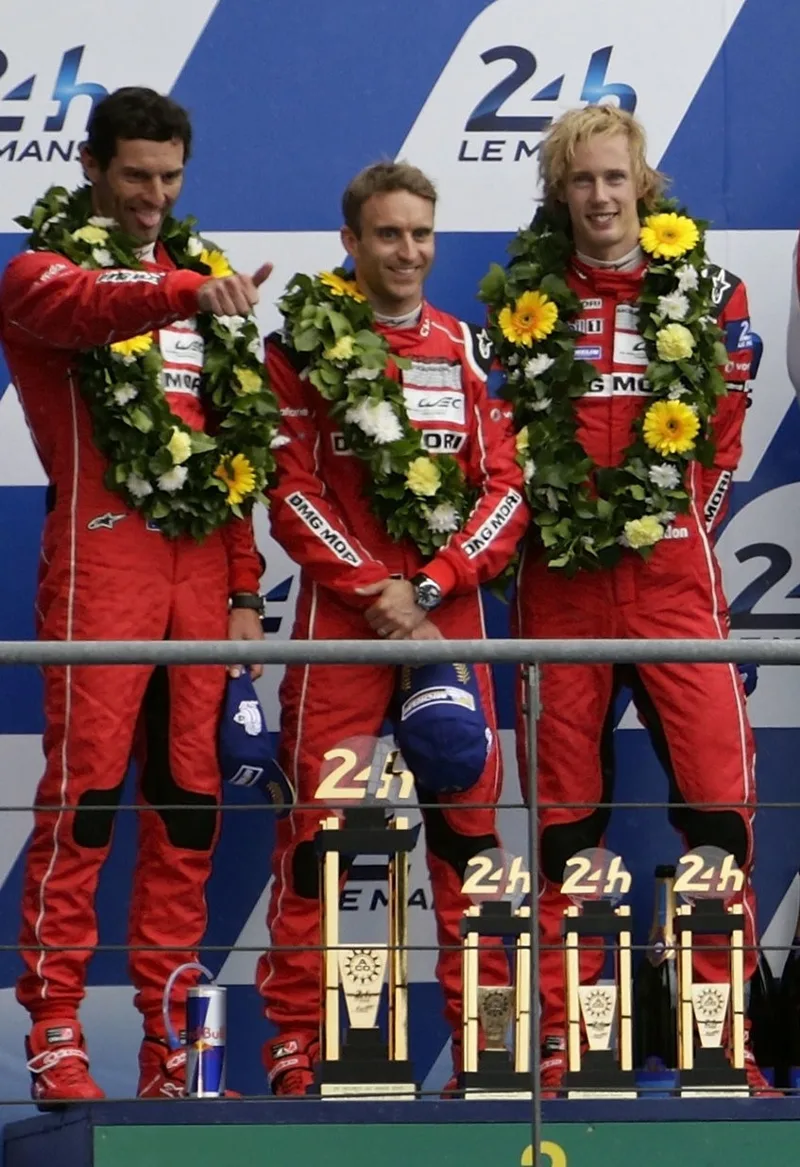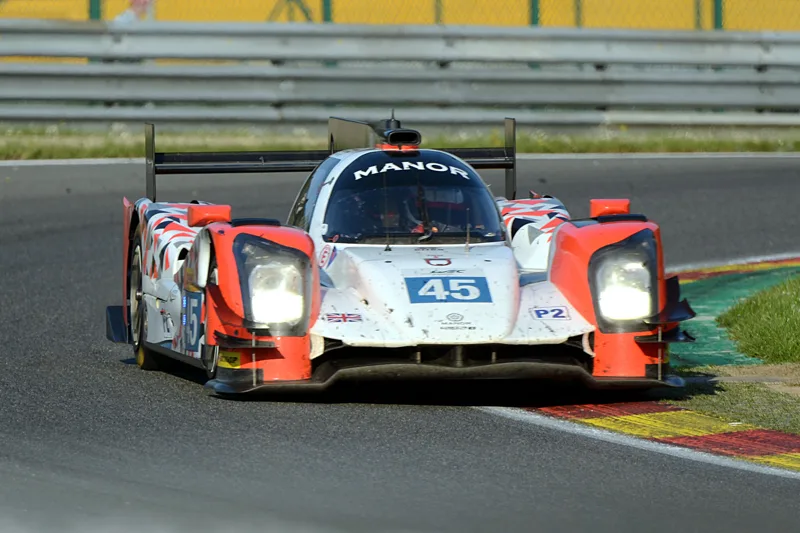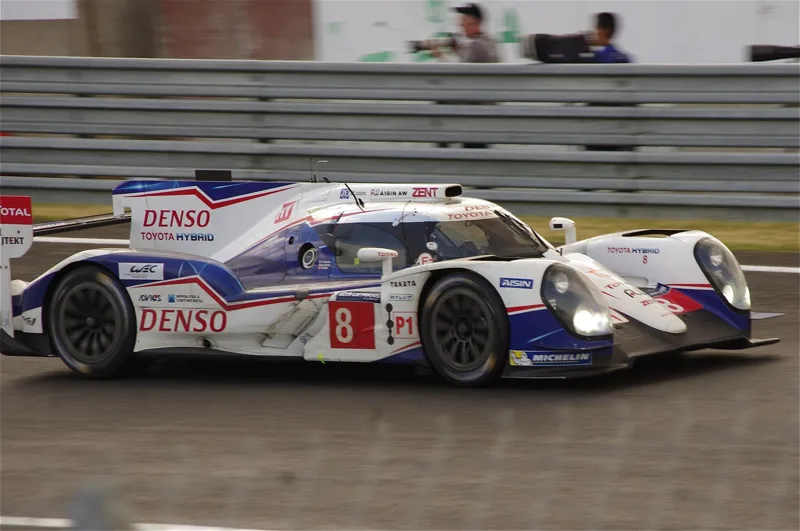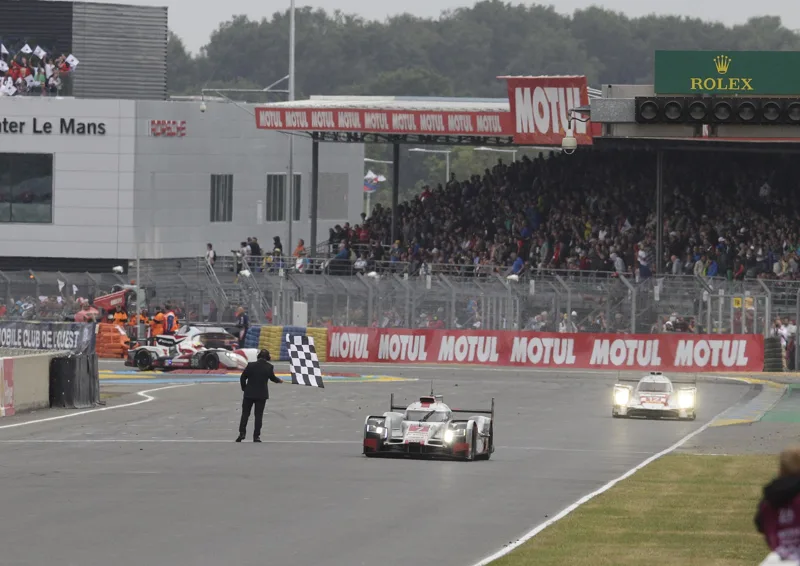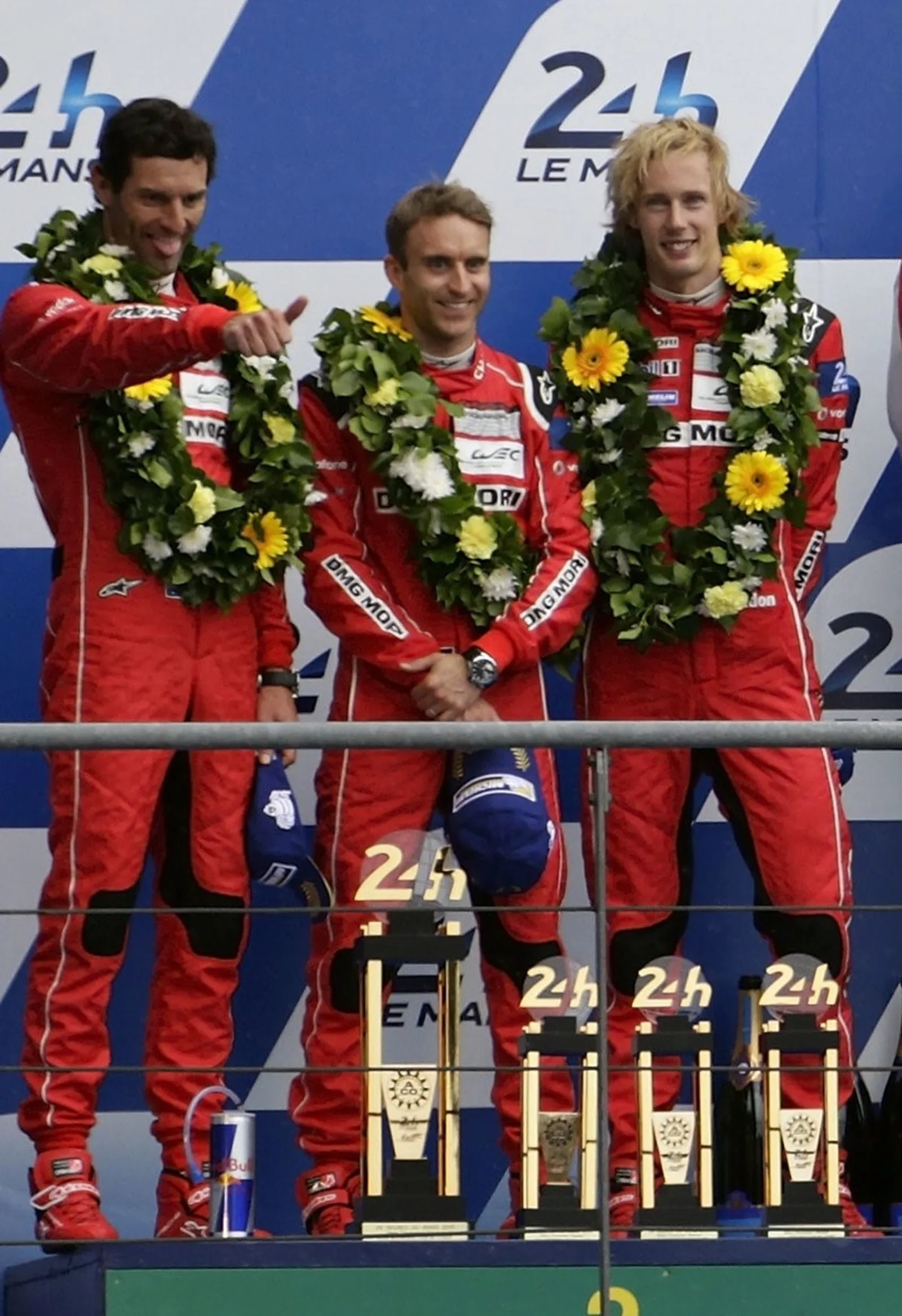
Neel Jani took the win by passing a stricken Toyota on the final lap, after heavy rain had forced a start behind the safety car.
The 84th 24 Hours of Le Mans took place from 15 to 19 June 2016 at the Circuit de la Sarthe. Porsche's crew took the win after the race had started behind the safety car, with a Toyota second and an Audi third.
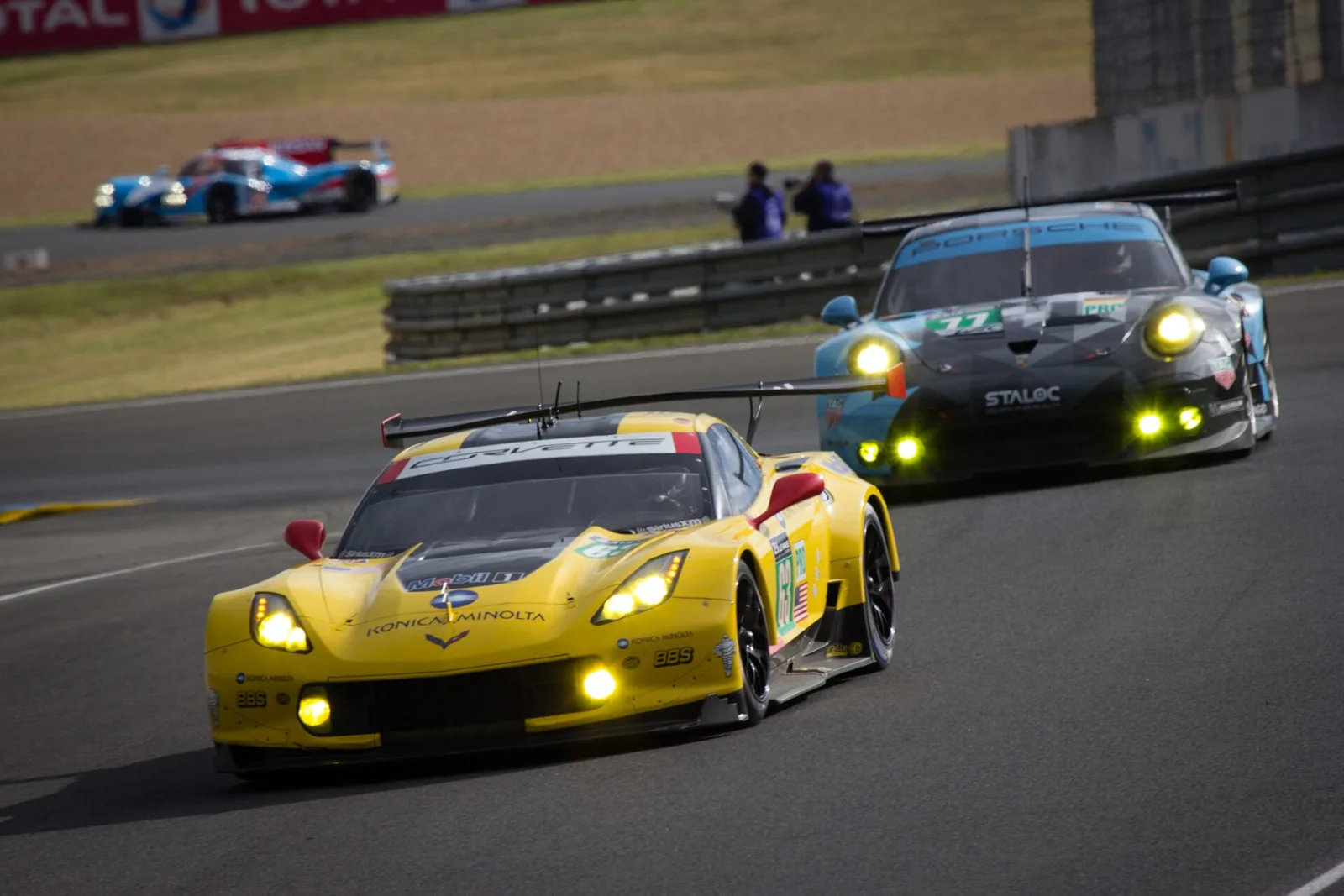
Neel Jani, Marc Lieb and Romain Dumas won the 84th 24 Hours of Le Mans for Porsche, passing a stricken Toyota on the final lap. The race had begun behind the safety car because of heavy rain, a first for the event, and it was round three of the 2016 world endurance calendar. The race is a 24-hour event for teams of three drivers sharing one car, and the cars run in classes: LMP1 is the top prototype class, LMP2 the second, and the LMGTE classes are for production-based GT cars, with Pro for professional crews and Am for crews that include amateur drivers.
Why was the race held in mid-June?
The FIA's motorsport council settled the date at its December 2015 meeting in Paris. The race was scheduled to avoid other major motorsport events, and it was the third of nine endurance rounds on the 2016 calendar, each of which scored championship points, and it ran from 15 to 19 June before 263,500 spectators.
The end of the race fell on 19 June, the same day as the European Grand Prix. Critics said Formula One had chosen the date to keep its drivers out of Le Mans, and the claim gained weight because Nico Hulkenberg, the 2015 winner for Porsche, could not defend his title.
Before the race Porsche's Lieb, Jani and Dumas led the drivers' table on 43 points, 18 clear of Duval, di Grassi and Jarvis. Porsche led the manufacturers' table on 55 points, with Toyota 12 points back in second.
Jani passed the stopped Toyota on the final lap, and a race that began behind the safety car ended with a Porsche win.
What changed around the circuit?
The Circuit de la Sarthe mixes public roads with permanent track, and its Mulsanne Straight is one of the longest in motor racing. The most visible change was a new entry run-off area at the Porsche Curves, built after a serious accident suffered by Duval during practice for the 2014 race. SAFER barriers were installed along the outside of the first entry section, the first appearance of that technology at a European motor racing venue.
A chicane had been considered, but the French national governing body allowed the layout to stay unchanged. The ACO's sporting manager, Vincent Beaumesnil, had argued that a chicane would have been easier to install.
How big was the field?
The ACO had intended to lift the 2015 field from 56 to 58 entries, but a rush of high-quality requests led it to accept 60 for 2016. The Selection Committee ensured that the two additional pits would be operational in time.
Teams that won their class at the previous race, or won championships in the ELMS, ALMS or GT3 Le Mans Cup, earned automatic invitations, and two IMSA entrants were picked by the ACO regardless of performance. Three teams declined their invitations: Team LNT and Marc VDS had left the ELMS, and SMP Racing chose to focus on its LMP2 cars rather than defend its LMGTE Am win.
The full 60-car list and ten reserves were announced in Paris on 5 February. Of the 32 entries guaranteed by the WEC, 13 came from the ELMS, nine from IMSA and four from the ALMS, and one-off entries filled the rest of the field.
Three reserve entries, from Greaves, Riley and Proton, dropped out later. Algarve Pro Racing took a place in the field after TDS Racing's exit from the LMGTE Am class.
Which notable names were on the entry list?
| Driver | Entry | Notes |
|---|---|---|
| Frederic Sausset | Garage 56, modified Morgan LMP2 | Quadruple amputee |
| Scott Dixon | Ford Chip Ganassi Racing, No. 69 | Four-time IndyCar Series champion |
| Chris Hoy | Algarve Pro Racing, No. 25 Ligier | Olympic gold winner who was also a multiple world cycling champion |
| Oliver Bryant | Team AAI, No. 57 Chevrolet Corvette | British GT Championship race winner |
Sausset's modified Morgan was built with Onroak Automotive. Its throttle and braking were operated through his thighs, while his right limb was attached to the steering column, and his co-drivers could also drive the car in a normal fashion.
Garage 56 is the ACO's slot for experimental technology, and it was returning after an absence in 2015. SRT 41 first planned to use a new Audi engine, then switched to the Nissan LMP2 engine, and the team ran in the Silverstone ELMS race as a warm-up for Le Mans.
Hoy, a Summer Olympic gold medallist, became the first of his kind to race at Le Mans, only the second Olympic champion to race there, behind the alpine skier Henri Oreiller, and the ninth former Olympian to enter. Dixon missed the first day of scrutineering, because rain had interrupted his Firestone 600 race in Texas.
What did testing reveal?
The test day fell two weeks before the race, and every entry had to attend it on 5 June, which ran in two daytime sessions so teams could check their cars before the race. The morning belonged to Porsche, with Jani setting 3:22.334 and Mark Webber close behind in a second Porsche, ahead of both Audis and both Toyotas.
In the second session Audi moved to the top when di Grassi set 3:21.375. Griffin's Aston Martin set off the slow-zone system after halting at the first chicane, and cars slowed for Pu Junjin, who had ended up in the gravel at Mulsanne corner.
Late in the session Oswaldo Negri Jr. crashed heavily, hitting the left-hand barriers as he entered the second Mulsanne Chicane. He was unhurt, but the crash brought a premature end to the session. Tracy Krohn beached his car in the gravel at the Porsche Curves, and Tommy Milner spun his Corvette at the Dunlop chicane. Yutaka Yamagishi hit the tyre barrier at Tertre Rouge but drove back to the pits, while Nicky Catsburg, the reserve driver for Larbre Competition, took the LMGTE Am fastest time.
How did practice go?
The single practice session lasted four hours, with rain falling on parts of the circuit. The No. 8 Audi was in front for most of it, until Brendon Hartley's No. 2 Porsche took over, and Jani then set 3:22.011 in the final ten minutes.
Toyota's Sarrazin hit the barriers exiting the Indianapolis corner and was heavily damaged at the front. Kaffer's ByKolles caught fire on the Mulsanne Straight, and Senna's crash at the Porsche Curves and Taittinger's at the Indianapolis corner brought further stoppages.
Richard Bradley's KCMG led LMP2 for much of the session, while in LMGTE Pro Ford and Ferrari entries shared the top spots. Townsend Bell led LMGTE Am until Rob Bell gave Clearwater Racing the fastest lap in the class in the final quarter hour.
How did qualifying set the grid?
Six hours of qualifying sessions were available, but Jani claimed pole with 3:19.733 early in the opening session. That lap had been affected by a baulk in the Porsche Curves, yet it still stood at the top of the order when rain arrived for the following day's sessions. Rain affected the two sessions the following day, and the second Porsche finished nearly half a second behind.
Sarrazin was another half second back in third, and Davidson's Toyota was fourth. Both Audis struggled to get out on track early on, and their best laps were about three seconds slower than the pole Porsche. Di Grassi set the best lap for Audi in that opening session. Kraihamer led the privateers, driving the No. 13 Rebellion. ByKolles was absent from the session while the fire damage was repaired.
Rene Rast led LMP2 at 3:36.605, a time set in the closing quarter hour, while Nelson Panciatici held second for DC Racing and Lapierre was third for Signatech. Jin crashed near Tertre Rouge, which ended the night for Eurasia Motorsport.
The LMGTE Pro class was dominated by the new cars on their debut. Dirk Muller set 3:51.185 in the new Ford GT, three-tenths ahead of its American sister car, and Bruni's new AF Corse Ferrari 488 was third in class, a tenth further back.
How did the rain change the race start?
The rain was so heavy that the organisers sent the field off behind the safety car, something that had never happened at the event before. A safety car start means the cars follow the pace car from the grid until it peels away, and the racing begins only at that point. Racing only resumed after the rain eased and the surface dried enough for it.
The lead changed hands among Toyota, Audi and Porsche through the first hours, before the No. 6 Toyota pulled clear and held the front. The No. 5 Toyota followed, with the No. 2 Porsche close behind.
Problems for the No. 6 then let the No. 5 Toyota take the lead, and it kept a small gap over the Porsche. Over 24 hours each car is driven in rotating stints by its three drivers, so strategy and reliability matter as much as pace.
Who won the 2016 race?
Jani, Lieb and Dumas won the race in a Porsche prototype, with Jani passing the stopped Toyota of Kazuki Nakajima on the final lap. Nakajima had been at the wheel of the Toyota in the closing three minutes when a mechanical problem stopped it just past the line.
Jani had overcome a one-minute gap to the ailing Toyota to make the pass. It was Jani and Lieb's first Le Mans win and Dumas's second.
The second Toyota, shared by Stephane Sarrazin, Mike Conway and Kamui Kobayashi, came home three laps adrift in second, and Audi's No. 8 car, driven by Loic Duval, Lucas di Grassi and Oliver Jarvis, took third place.
How did the other classes finish?
Menezes, Lapierre and Richelmi, in the Signatech Alpine-Nissan, took the LMP2 class after leading for the final 196 laps. The G-Drive Racing car of Roman Rusinov, Rene Rast and Will Stevens finished on the same lap, and the all-Russian SMP Racing car was four laps behind in third.
Ford won LMGTE Pro on the fiftieth anniversary of its first overall Le Mans victory, the 1966 win. The No. 68 Ford GT of Joey Hand, Sebastien Bourdais and Dirk Muller won the class, with Risi Competizione's Ferrari second and Ford's sister car third.
Bell, Segal and Sweedler gave Scuderia Corsa the LMGTE Am class, ahead of the AF Corse Ferrari of Emmanuel Collard, Rui Aguas and Francois Perrodo. The Abu Dhabi-Proton car crewed by Al Qubaisi, Long and Heinemeier Hansson was third in class.
What did the result change in the standings?
The result put Lieb, Jani and Dumas 38 points ahead of Duval, di Grassi and Jarvis, who moved into second. Porsche's manufacturers' lead over Audi grew to 38 points, and Toyota dropped to third with six races left. Those points counted in the title race.
Kobayashi, Conway and Sarrazin moved up to third in the drivers' table after their second place. The drivers' and manufacturers' championships are separate tables, and each can move in a different direction.