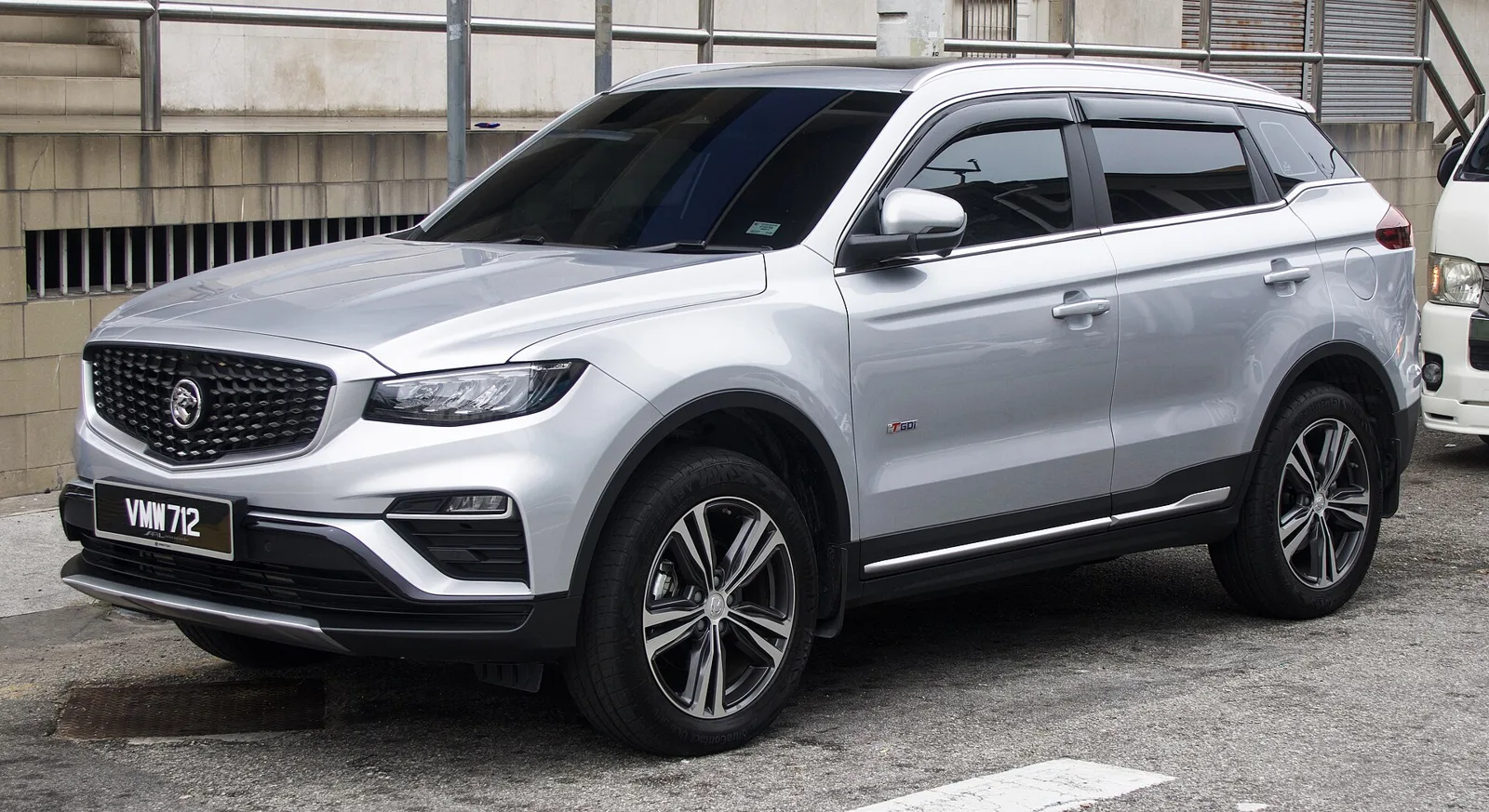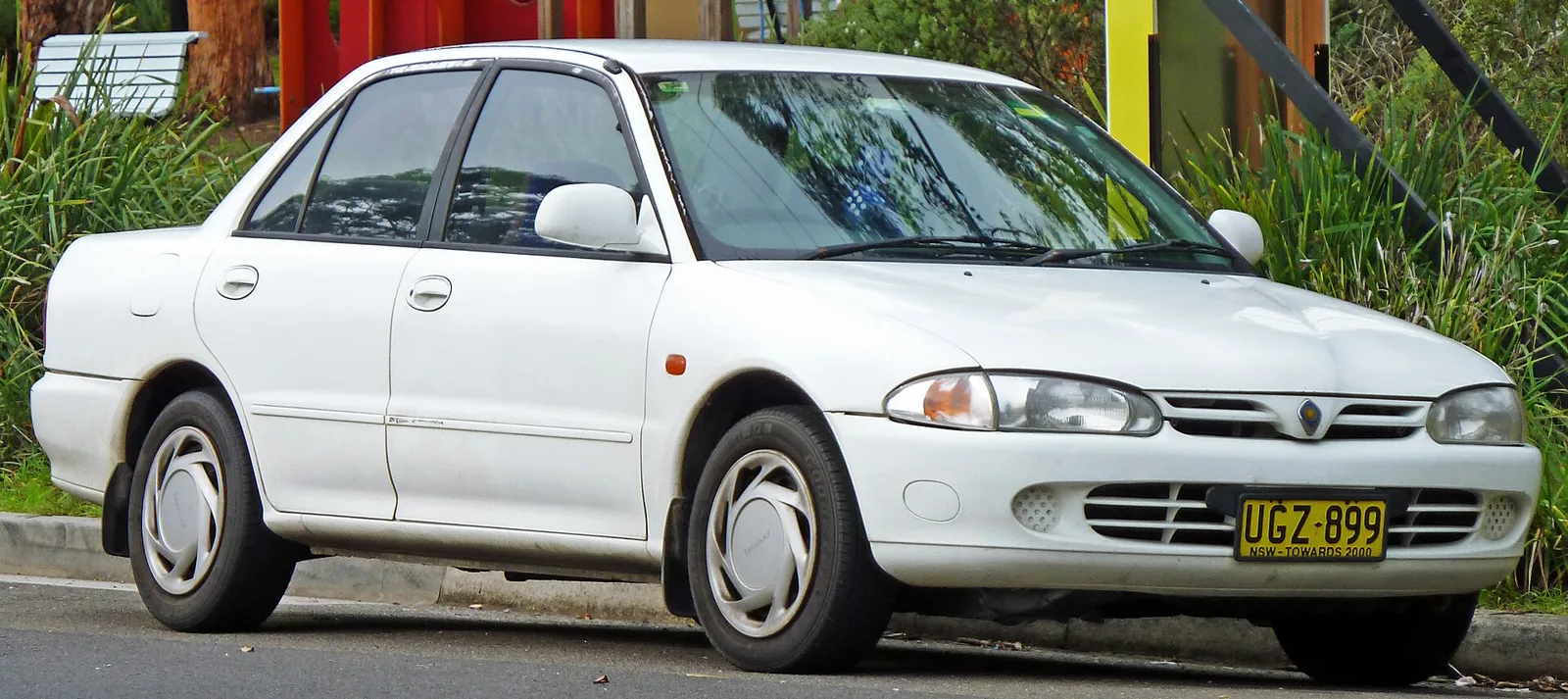
From a 1983 national car project built on a Mitsubishi partnership to the Lotus purchase, Geely era and electric models, the story of a Malaysian brand that changed hands and continents.
Proton is a Malaysian automotive company established on 7 May 1983 as the national car maker. Its first model, the Saga, launched in July 1985 on a Mitsubishi Lancer Fiore base, and it later acquired Lotus in 1996 before passing to DRB-HICOM and then Geely.
Proton is a Malaysian multinational automotive company, established on 7 May 1983 as the country's national car maker. It began by building Mitsubishi-based cars, produced its first indigenously designed model in 2000, and has since passed through government, DRB-HICOM and Geely ownership. The brand is headquartered in Shah Alam in Selangor.
Where did Proton come from?
The idea of a national car was conceived in 1979 by the then Deputy Prime Minister, Dr Mahathir Mohamad, with the aim of strengthening the Malaysian automotive industry. The National Car Project was approved by the Cabinet in 1982, and the company was created the following year.
At its creation the company was wholly owned by the Malaysian government through Khazanah Nasional, and Dr Mahathir headed it as founder. Proton approached Mitsubishi Motors between 1983 and 1984 and brokered a joint venture that would produce the first Malaysian car. The name is a Malay backronym for Perusahaan Otomobil Nasional, meaning National Automobile Enterprise.
The collaboration produced the Proton Saga, which launched in July 1985. It was the country's sole national budget car company until Perodua arrived in 1993, which made Proton's early role especially important.
A national car project built on Mitsubishi parts that grew into a brand with its own safety record, its own engines and a Chinese parent.
How did the Saga win the Malaysian market?
The Saga was based on the second-generation 1983 Mitsubishi Lancer Fiore four-door saloon, powered by a 1.3-litre Mitsubishi 4G13 engine. Demand outran supply, and Proton could not meet the growing market at first. By mid-1986 it held a 64% share of the below 1600cc segment.
The Saga Aeroback hatchback followed in October 1987, fitted with a 1.5L Mitsubishi 4G15 engine and a reworked rear. Shipments to Ireland started in 1988, and the car range reached the UK in March 1989 as a saloon and hatchback pair.
The British launch set a record that Proton still cites, as the fastest selling make of new car ever to enter the United Kingdom. Sales faltered in the late 1980s, however, as the recession bit and the company lacked technical expertise. Kenji Iwabuchi, a former Mitsubishi Motors executive, was appointed managing director in 1988.
What did the models of the nineties bring?
The Saga Iswara launched on 15 August 1992. It used the older Mitsubishi platform but had its own exterior and interior styling, and it became a common taxi in Malaysia, with many still in service.
The Wira arrived on 21 May 1993, based on the fourth-generation 1991 Mitsubishi Lancer. It was sold as a four-door saloon at launch, and the Wira Aeroback five-door hatchback joined in the same year. By 1996 the range shared six Mitsubishi engines, and it was the first Proton produced in both right-hand and left-hand drive.
The Wira also remains the only Proton ever offered with a diesel engine, a 2.0L unit from Mitsubishi.
Proton then added the Satria hatchback in 1994 and the Putra coupe in 1996, both on the Wira platform. In 1995 the Perdana premium saloon followed, based on the Mitsubishi Eterna with a 4G63 2.0-litre engine.
A Citroen AX-based supermini called the Tiara debuted in 1996 as a joint venture with PSA Peugeot Citroen. The Tiara was not a lasting success, and the partnership did not go on to produce further models.
Why did Proton buy Lotus?
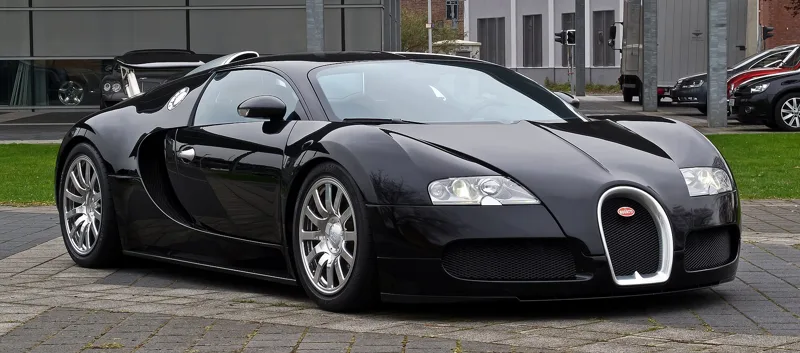
On 30 October 1996 Proton acquired an 80% stake in Lotus Group International for GBP 51 million. The controlling interest was bought from A.C.B.N. Holdings of Luxembourg, a company controlled by the Italian businessman Romano Artioli, who also owned Bugatti at the time.
Proton raised its stake to 100% by 2003. Lotus contributed to the suspension and handling of every Proton launched from 1996 onwards, and the Satria GTi's handling is often cited as an example of that contribution.
Lotus remained a unit of Proton until 2017, when the sports car maker was sold to Geely. In late 2016 Lotus had reported its first operating profit in over 40 years, which suggested that the long struggle to make it pay was beginning to ease.
What was the Waja, and why did it matter?
The Waja was launched in August 2000 as the company's first indigenously designed model. It still used a Mitsubishi 4G18 engine at launch, because Proton's first in-house CamPro engine was not ready, but it marked the end of the company's heavy reliance on other manufacturers' platforms.
The Waja was only a moderate seller and was outsold by Proton's own older Wira. It also marked the start of a decline in the market-leading Proton marque, and Perodua eventually took Proton's sales crown in 2006.
In 2002 Proton introduced the Arena, a ute based on the Wira platform. Its appeal was far stronger in export markets, notably Australia, than at home. The Gen-2 hatchback arrived in late 2004 as the first Proton with the CamPro engine.
How did Proton expand its factories?
The Tanjung Malim plant in Perak cost RM1.8 billion (US$580 million) and began operating in November 2003. Its opening had been delayed by the Asian financial crisis, and it was completed in late 2003.
The plant has an annual capacity of 150,000 vehicles and sits within the Proton City project. Alongside the original Shah Alam plant, which had operated since 1985, the two sites were both underused, with 52,235 units from Tanjung Malim and 114,645 from Shah Alam in 2011.
Proton also looked abroad. In July 2002 it announced that a factory in Borujerd, Iran, would begin building cars from knock-down kits with its partner Zagross Khodro. Proton's expansion was not only domestic, and the overseas plants were part of a plan to sell more widely.
Did Proton make acquisitions beyond cars?
In July 2004 Proton bought a 57.57% stake in MV Agusta, the Italian motorcycle maker, for EUR 70 million. In December 2005 Proton sold the marque to Gevi for EUR 1.
The episode showed how far Proton's ambitions had gone beyond family saloons, and how quickly those ambitions were pared back.
How did the Persona and Saga revive sales?
The Persona launched in August 2007 as the long-overdue replacement for the best-selling but ageing Wira. It was an extended version of the 2004 Gen-2 hatchback platform, and it sold 19,840 units in its first three months.
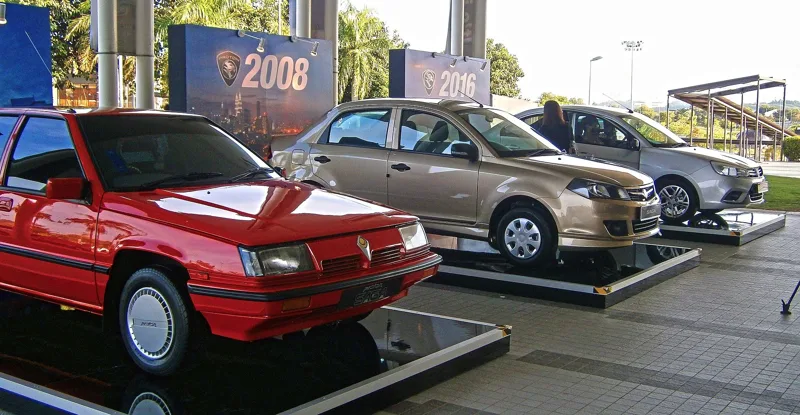
The second-generation Saga followed in January 2008, and it was booked around 23,000 times in its first two weeks. The first-generation Saga had a 23-year lifespan, the longest of any Proton model, so the replacement carried a lot of expectation.
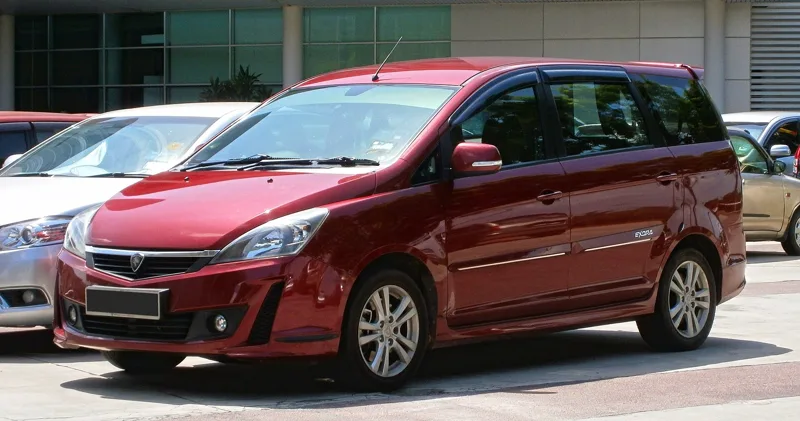
In April 2009 Proton introduced the Exora, Malaysia's first indigenous seven-seater MPV. It was aimed at families who needed more room than a saloon could offer.
How did Proton's market share change?
Proton's domestic share peaked at 74% in 1993, with over 94,100 units sold. By 2006 the share had fallen to 32%, down from 40% in 2005, and Perodua took the majority for the first time in 20 years.
Proton's share kept falling in the early years of the new decade. In 2011 it held 26.4% (158,657 units), and in 2012 22.5% (141,121 units), while Perodua retained a majority with 30.1% (189,137 units). The share stabilised in 2013, when full-year sales reached 138,753 units and a 21.2% share.
The market was also shaped by policy. The National Automotive Policy applied import and excise duties of 60 to 105 percent, which protected Malaysian-made vehicles. Excise duty was the largest part of the tariff, and it was applied in an opaque way that effectively favoured domestic makers.
How did ownership change in the recent decade?
In January 2012 Proton was acquired by DRB-HICOM in a transaction between Khazanah Nasional and DRB-HICOM worth RM1.2 billion. A year later the group also bought Petronas E01 engine technology for RM 63 million, which broadened its engine family.
In 2016 the government granted Proton a RM 1.5 billion soft loan, with conditions that included a tie-up with a foreign automaker. That year Proton launched four new models: the Perdana, Persona, Saga and Ertiga.
In May 2017 DRB-HICOM announced plans to sell a 49.9% stake in Proton to Geely, and the definitive agreement followed in June 2017. Geely also bought 51% of Lotus, and the remaining 49% went to Etika Automotive, so Lotus ceased to be a unit of Proton.
Which Proton models have there been?
| Model | Years on sale and segment |
|---|---|
| Saga | 1985 to present; A-segment sedan |
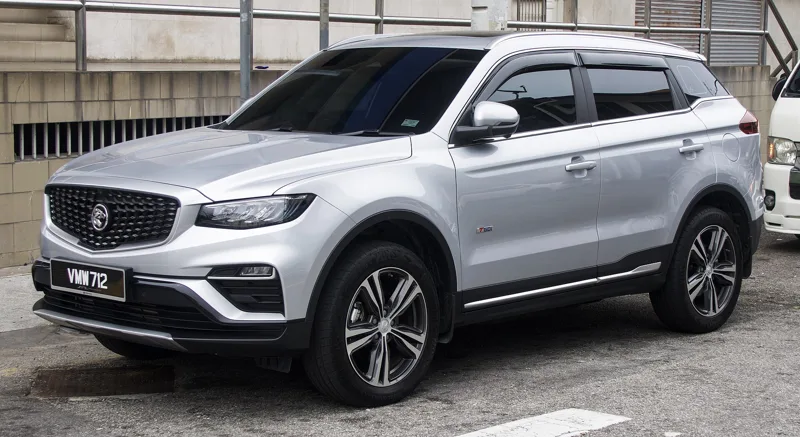
| X70 | 2018 to present; C-segment SUV |
| X50 | 2020 to present; B-segment SUV |
| X90 | 2023 to present; D-segment SUV |
| S70 | 2023 to present; C-segment sedan |
| eMas 7 | 2024 to present; C-segment electric SUV |
| eMas 5 | 2025 to present; B-segment electric hatchback |
| Wira | 1993 to 2009; C-segment sedan |
| Waja | 2000 to 2011; C-segment sedan |
| Exora | 2009 to 2023; C-segment MPV |
| Iriz | 2014 to 2025; B-segment hatchback |
How did Proton win safety credibility?
The Preve, unveiled on 16 April 2012, became the first Malaysian car to be awarded the full 5-star rating from ANCAP in Australia and New Zealand. It was a turning point for the brand's safety image, and it helped the company's claim to be a serious manufacturer.
The Suprima S, launched in August 2013 as the hatchback version of the Preve, became the second 5-star ANCAP Proton. It was also the first to offer extensive standard safety features in its domestic market.
The Iriz arrived in September 2014 as the company's first B-segment 5-door hatchback, and it was aimed at the domestic market. It was another step in the push to move up the market.
How did Proton sell cars abroad?
Proton exported 164,153 cars between December 1986 and December 1997. The United Kingdom was its most successful export market, and it had sold 100,000 Protons there by 1997.
A 1999 survey by the UK Consumers' Association ranked Proton third for fewer breakdowns, faults and mechanical problems, behind Honda and Mazda. In the same survey 80% of members said they would recommend a Proton to friends and family.
The UK brand was withdrawn in 2014 after sales collapsed, and the company later relied on a smaller set of export markets.
Today the company is present in 18 countries, with CKD plants in Pakistan, Kenya, Nepal and Sri Lanka. On 13 November 2024 it opened a CKD plant in Egypt, its third overseas plant after Kenya and Pakistan.
How did Proton perform in motorsport?
In the late 1980s Proton, Petronas, Mitsubishi Motors and the distributor Edaran Otomobil Nasional formed the Petronas EON Racing Team, known as PERT. The team focused on rallying and won the 1989 Shell Malaysia Rally with Saga rally cars of about 150 bhp.
PERT also won the 1991 Rally of Thailand and the 1993 Dubai International Rally. Proton's rally peak came in 2002, when Karamjit Singh won the Production World Rally Championship in a Proton PERT, and the pair also took the Asia-Pacific Rally Championship titles in 2001, 2002 and 2004.
In 2003 the Proton Motorsports Division, known as R3, took over the company's motorsport work. Its first product was the Satria R3, launched in late 2004 in a limited run of 150 units, while the 2011 APRC season ended with a Proton one-two.
Proton also raced in the British Touring Car Championship between 2002 and 2004 as Petronas Syntium Proton, and Welch Motorsport ran a Persona in 2011. The Satria Neo S2000 rally cars cost over RM1 million each and produced 280 bhp.
How did the Proton logo change?
The 1983 logo was a dark blue shield with a yellow crescent below a yellow fourteen-pointed star, a reference to the Malaysian flag and coat of arms. Cars sold abroad used a different badge with a yellow star surrounded by silver stars.
In 2000 the Waja introduced a stylised yellow tiger head on a green roundel, and the name was written in capitals. A new Malayan tiger head logo appeared in June 2016 with the new Perdana, and in September 2019 a brand new logo and the Inspiring Connections tagline followed.
Who has led Proton?
Dr Mahathir Mohamad chaired Proton from its founding in 1983 until 2012, and again from 2014 to 2016. Dato' Sri Syed Faisal Albar has been chairman since 2016, and Dr Li Chunrong has been chief executive since 2017.
Earlier chief executives included Kenji Iwabuchi from 1988 to 1993, Yahaya Ahmad from 1994 to 1996, and Tengku Mahaleel Tengku Ariff from 1997 to 2005. Dr Li is the third foreigner to head the company, following two Japanese nominees of Mitsubishi.
Where is Proton heading?
In April 2024 Proton announced an R&D centre at the Geely Automobile Research Institute in Hangzhou Bay, in collaboration with Geely. The move tied Proton's engineering more closely to its Chinese parent.
In December 2024 Proton launched the e.MAS 7 electric SUV, with Prime Minister Anwar Ibrahim as the main guest. The eMas 5 followed in 2025, and a plug-in hybrid version of the eMas 7 was listed for 2026.
In August 2024 Proton agreed a partnership with ANSA Motors in Trinidad and Tobago to market and retail its vehicles there. Its wider overseas push now includes some 18 countries, and the company is still working to rebuild its presence in the UK and Australia.