Dario Franchitti won on fuel strategy, while a Bump Day that ran to the final minute put a hospital-bed driver into the field.
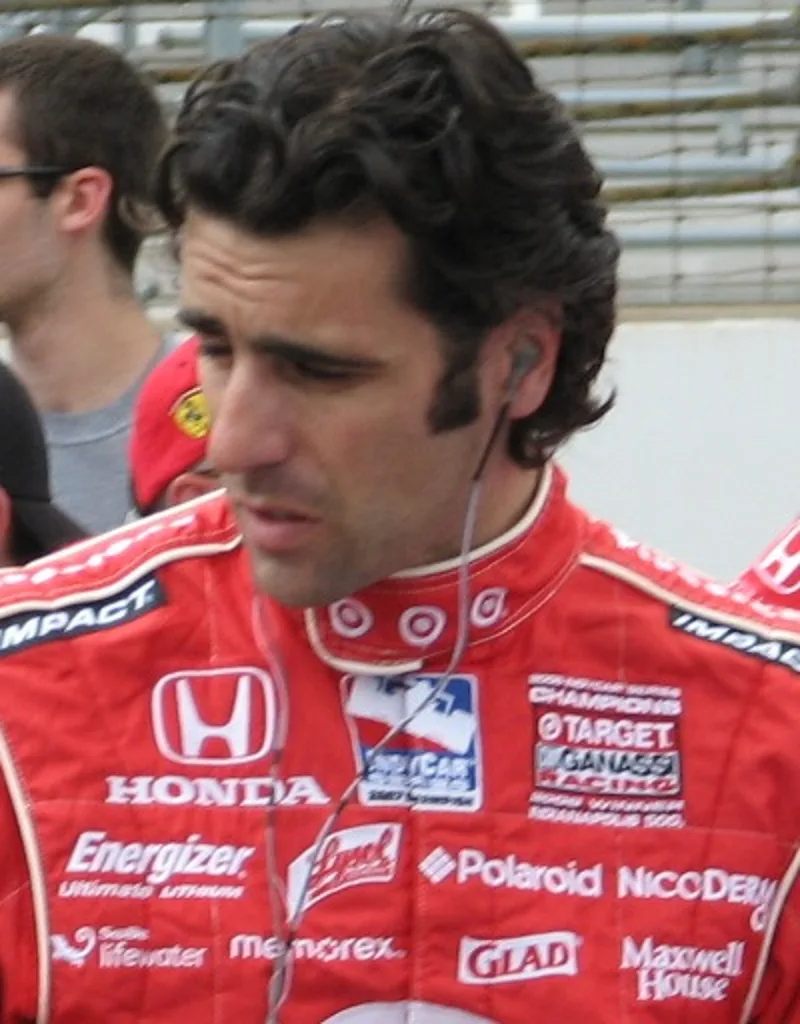
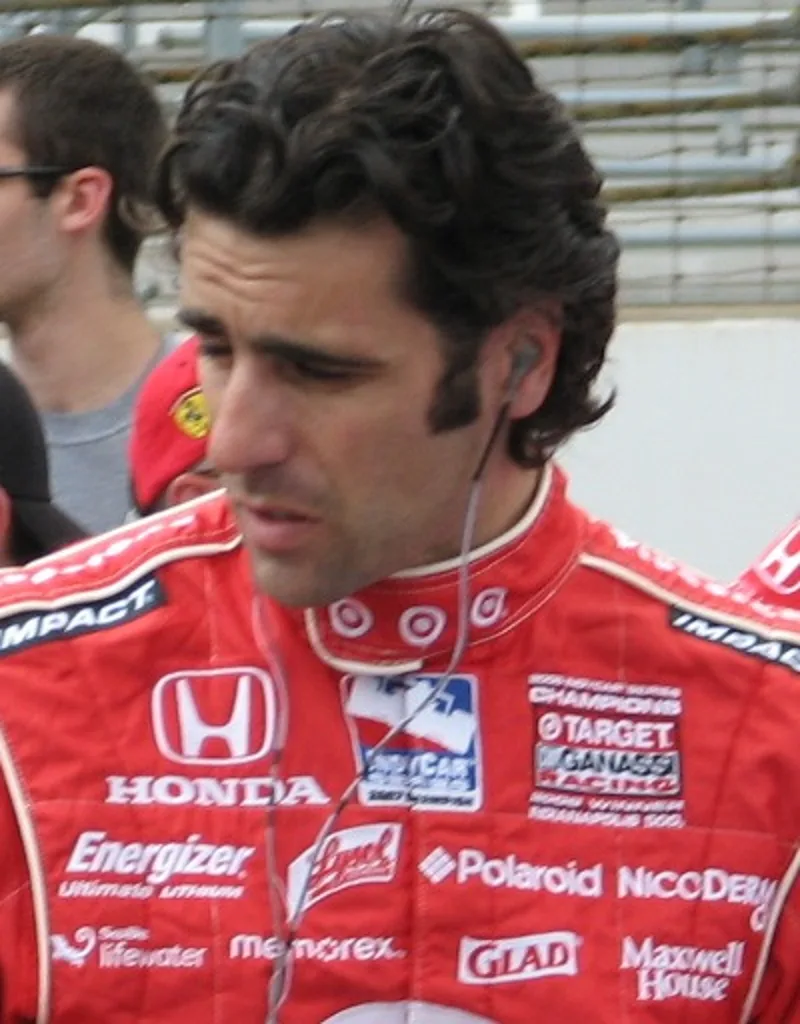
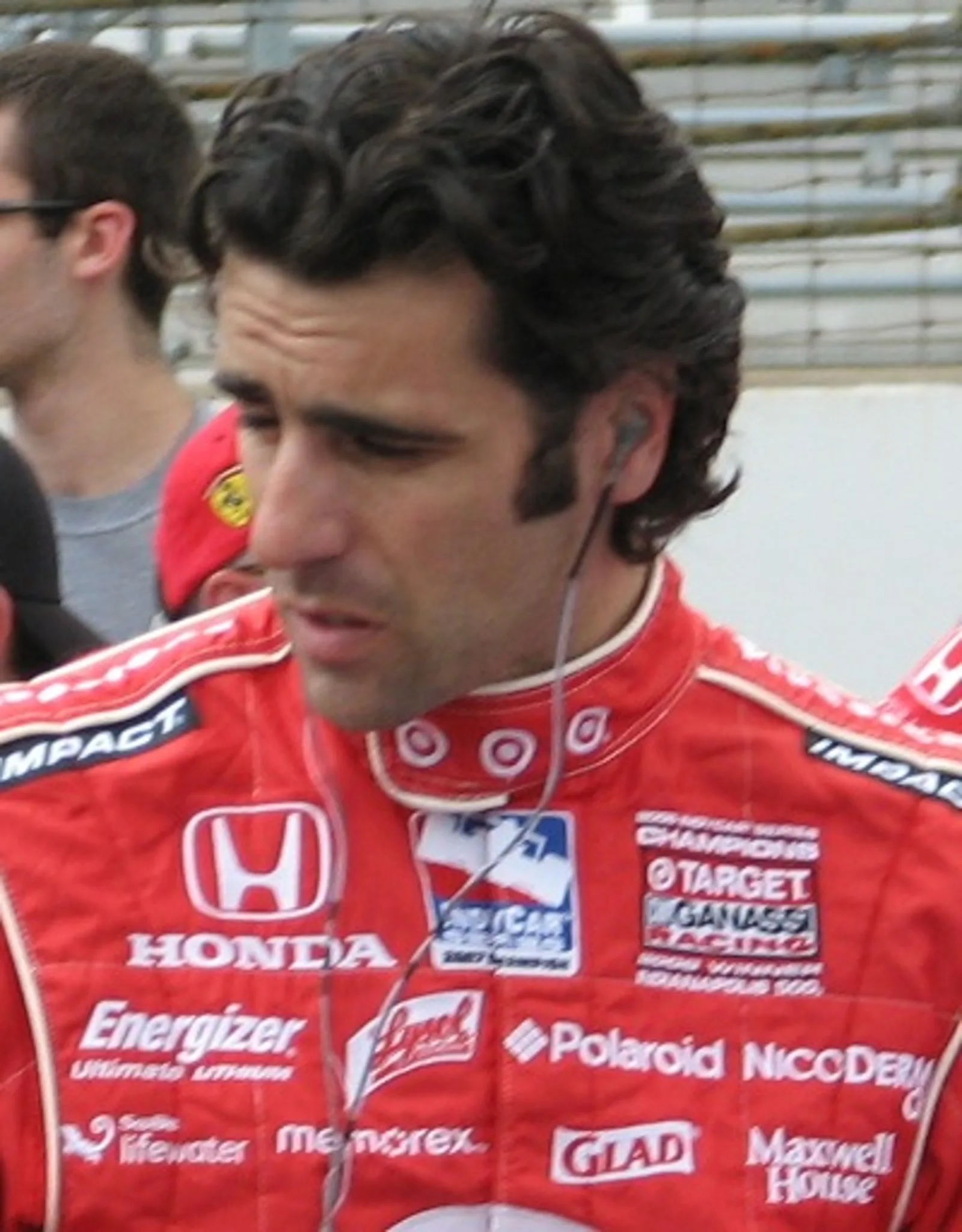
The 2010 Indianapolis 500 was the 94th race at Indianapolis Motor Speedway, held on Sunday, 30 May 2010. Dario Franchitti won after a fuel-saving final stint, with Dan Wheldon second, while Tony Kanaan rose from last to second before finishing 11th.
The 2010 Indianapolis 500 was the 94th running of the race, held on Sunday, 30 May at the Indianapolis Motor Speedway. Dario Franchitti won it from Dan Wheldon and Marco Andretti, in a race decided by fuel mileage rather than outright speed. The day also produced one of the most remembered qualifying stories in the event's history.
Why did the 2010 race matter in the Centennial era?
The 2010 race was the second of the three-year Centennial era, which marked the 100th anniversary of the track's opening in 1909 and of the first race in 1911. It was the 15th Indy 500 sanctioned by the Indy Racing League and the premier event of the 2010 IZOD IndyCar Series season.
Several parts of the schedule changed for the year. Qualifying reverted to a two-day format similar to the one used from 1998 to 2000, and time trials were permanently reduced from two weekends to one.
Fuel mileage, not outright pace, decided the 2010 Indianapolis 500, and a hospital-bed qualifier made the field.
How did the Fast Nine shootout decide the pole?
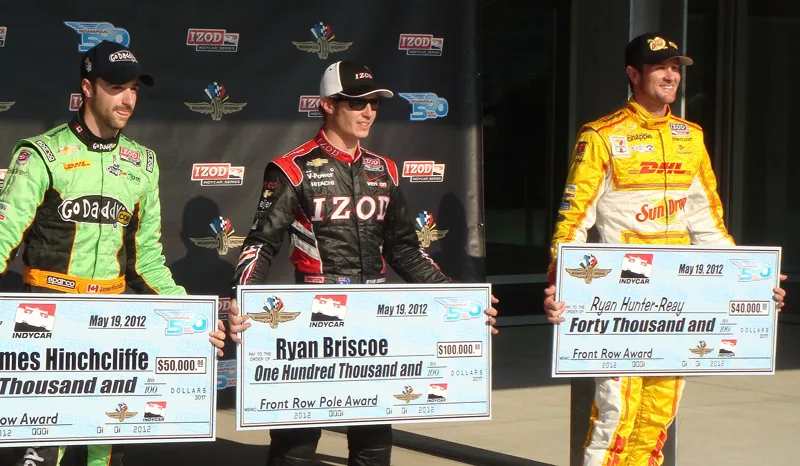
The top nine cars advanced to a special session in which their earlier times were erased. Those drivers could make up to three attempts each, and the front-row prizes were raised to $175,000 for pole, $75,000 for second and $50,000 for third.
Helio Castroneves won the first session of qualifying as well as the shootout itself, which gave him the 2010 pole position.
Championship points were also changed. All qualifiers now earned points based on their grid position, with 15 for the pole, 13 for second, 12 for third and down to 3 for 25th to 33rd. Before this change, only the pole winner had received bonus points, so the system spread the reward through the whole field.
What rule changes were introduced for the 2010 race?
The Honda overtake assist system, known as Push-to-pass, was used for the first time in the race. Each car was allowed 15 presses, each lasting 18 seconds, with a 10-second recharge time between presses. Points for the championship were extended to every qualifier, not just the pole winner.
The race start also changed. The green flag was waved by Jack Nicholson, who refused to leave the flagstand and waved the flag again on the first two restarts, on laps 5 and 12.
Who was in the field for the 2010 Indy 500?
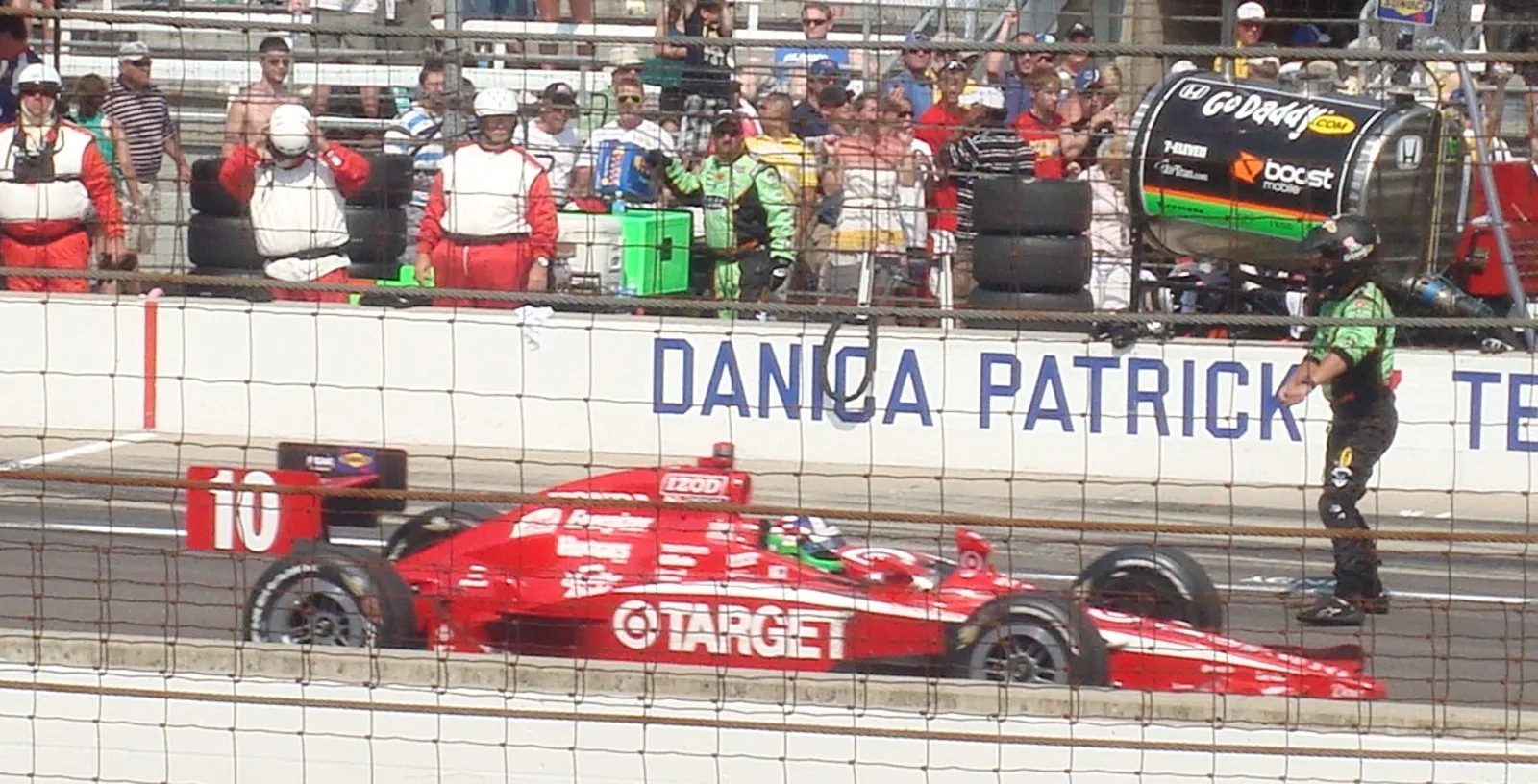
The race featured four women in the field for the first time, which was a notable milestone. Five women attempted to qualify, and four of them made the race. Danica Patrick started 23rd and finished sixth, the highest placing of the four women, while Simona de Silvestro was named Rookie of the Year.
Milka Duno made three attempts on Bump Day, but none of them was completed. Jaques Lazier, who had been drafted in as a last-minute replacement at Foyt's team, also failed to reach the speed he needed.
Tony Kanaan had an eventful week. He crashed in qualifying, splitting his engine in two, and then wrecked his backup car in practice on the Sunday morning. The team had to repair the car in time, and Kanaan later took the last starting position after car changes.
What did practice show before the race?
Practice began in mid-May with a mix of veteran sessions and rookie orientation. Helio Castroneves was the first car out for the month and set the fastest speed of the opening day at 226.603 mph (364.682 km/h). Jay Howard was the fastest rookie that day, at 215.039 mph (346.072 km/h).
Not every session went smoothly. Ryan Hunter-Reay spun in the warm-up lane at turn one, while Dan Wheldon lost control in turn four and hit the outside wall. Rain then washed out the Monday session, and early in the week the top five places on the speed chart belonged to five different teams.
On the Wednesday, drivers completed 2,282 laps with no major incidents reported. That volume gave teams the data they needed for the time trials.
How did Bump Day produce a miracle?
Bump Day was the most dramatic session of the weekend. The field started the day with a number of spots open, and Sebastian Saavedra, who had qualified earlier, was then injured in a practice crash. He was taken to hospital, and it looked as though he could not requalify if he were bumped out.
Late in the day Saavedra was bumped out of the field by Kanaan, and then Saavedra was put back in when Romancini's team withdrew a speed. Saavedra was then bumped again, but Jay Howard's attempt to get back in fell short, and Saavedra's car was reinstated to the 33rd spot. Saavedra made the field from a hospital bed, which led to the day being remembered as the Bump Day Miracle.
Paul Tracy was on the bubble for much of the afternoon, and he made a costly gamble when his team withdrew his speed for a safer run. He was loose in the heat and waved off after two laps, and the clock ran out with him still waiting in the qualifying line.
What happened at the Pit Stop Challenge?
The 33rd annual Pit Stop Challenge was held on Friday, May 28, the day before the race. Helio Castroneves of Team Penske beat Hideki Mutoh of Newman/Haas Racing in the final round, which put Team Penske at the front of the event's traditions.
All 33 qualified cars ran the final practice session that day, which was held for an hour from late morning. It was the last chance for teams to check their set-ups before the race, and the cars were fine-tuned for the expected heat and traffic of race day.
How did the race start and develop?
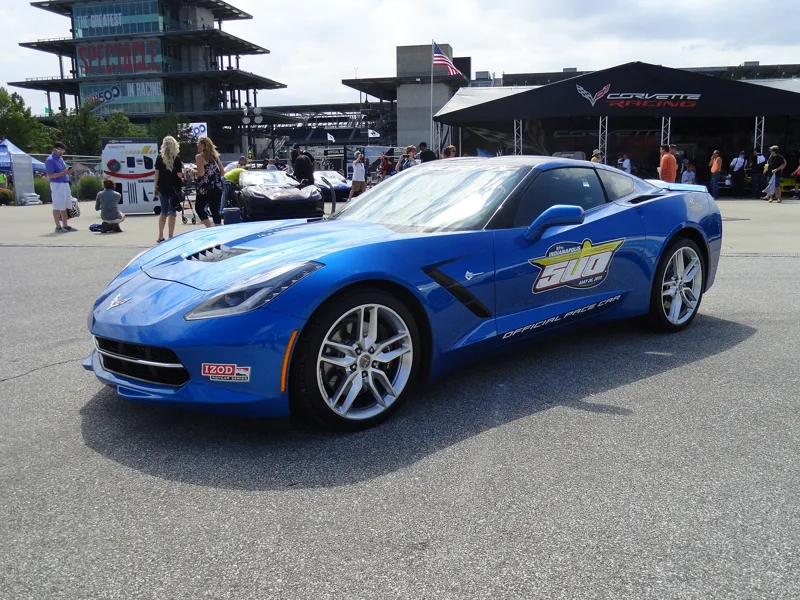
The pace car led the field around the track, and Michael Andretti drove Mark Wahlberg in a special car with a passenger seat. Franchitti led the first half-lap of green-flag racing, and Kanaan moved from the final starting spot to 25th on the first lap.
On lap one, Davey Hamilton spun at turn two after Tomas Scheckter passed him on the outside, and he blamed Scheckter for the incident. A few cautions reshuffled the leaders. Will Power took the lead on lap 31, but on his pit stop he left before the fuel hose had fully come off the car. He was penalised with a drive-through, and a coil of hose came off on the track.
Dixon and Matos both lost wheels during a yellow-flag stop, and Matos spun into the wall on lap 73. Kanaan rose from 12th to 4th on the same round of pit stops, and he climbed to second behind Franchitti as the race went on. Franchitti held his advantage through most of the race.
How did the fuel gamble decide the race?
The decisive period came under caution on laps 161 to 165. That caution left at least 35 laps for the final fuel stint for most of the leaders, and four drivers chose to stay out and gamble on another yellow. Mike Conway, Justin Wilson, Castroneves and Graham Rahal all stayed on track and then ran short of fuel.
Franchitti cycled to the front on lap 192, but he was also conserving fuel. Kanaan's hopes ended on lap 196 when he had to pit for more fuel, and his chance of a worst-to-first win was lost. The four drivers who gambled all had to pit before the end, which left Franchitti in control of the race.
In the closing laps Franchitti slowed to save fuel, while Dan Wheldon, also trying to save fuel, stayed behind him. Franchitti still had 1.6 gallons in his tank at the finish. He led 155 of the 200 laps and went the final 36 laps without a pit stop.
What happened in the final-lap crash?
On the final lap Ryan Hunter-Reay ran out of fuel and slowed sharply. Mike Conway hit the back of Hunter-Reay's car, which flipped Conway's car into the protective fence and shattered it. Conway's teammate Ana Beatriz spun into the inside wall while avoiding the wreck, and a final caution was shown.
Conway was airlifted to Methodist Hospital with a broken lower left leg. He also suffered compression to his lower back and a fracture to a vertebra in his neck. Spectators were treated for minor injuries from the crash. Hunter-Reay later said the team should have stopped for fuel.
What were the final results?
| Place | Driver | Detail |
|---|---|---|
| 1 | Dario Franchitti | Won, led 155 of 200 laps, 1.6 gallons left at the finish |
| 2 | Dan Wheldon | Second, the second consecutive year as runner-up |
| 3 | Marco Andretti | Initially sixth, restored to third after review |
| 6 | Danica Patrick | Started 23rd, best finish by a woman in the field |
| 8 | Will Power | Pit problems on lap 31 and later stops |
| 9 | Helio Castroneves | Started from pole, lost ground after a pit-stop stall |
| 11 | Tony Kanaan | Started last, ran as high as second, pitted for fuel |
Wheldon finished second for the second year running, and he later suggested that he should have kept going on fuel.
What did the 2010 race mean for the teams and the event?
The race was Franchitti's second Indianapolis 500 win, following his 2007 victory. It also gave Chip Ganassi a memorable season, since his team had already won the Daytona 500 with Jamie McMurray and then the Brickyard 400. Ganassi became the first owner to win the Daytona 500, the Indianapolis 500 and the Brickyard 400 in a single season.
Wheldon's second place was the third time Panther Racing had finished runner-up, following Vitor Meira's result in 2008. The Harley J. Earl Trophy went to Indianapolis for the first time, placed beside the Borg-Warner Trophy.
ABC televised the race in high definition for the 46th consecutive year, with Marty Reid as anchor. The broadcast used the side-by-side format for its commercial breaks.