Lewis Hamilton won from pole in torrential rain at Fuji Speedway, while the event's transport and organisation problems drew sharp criticism.
Lewis Hamilton won the 2007 Japanese Grand Prix from pole position for McLaren at Fuji Speedway on 30 September 2007, in heavy rain. Kovalainen finished second for Renault and Raikkonen third for Ferrari.
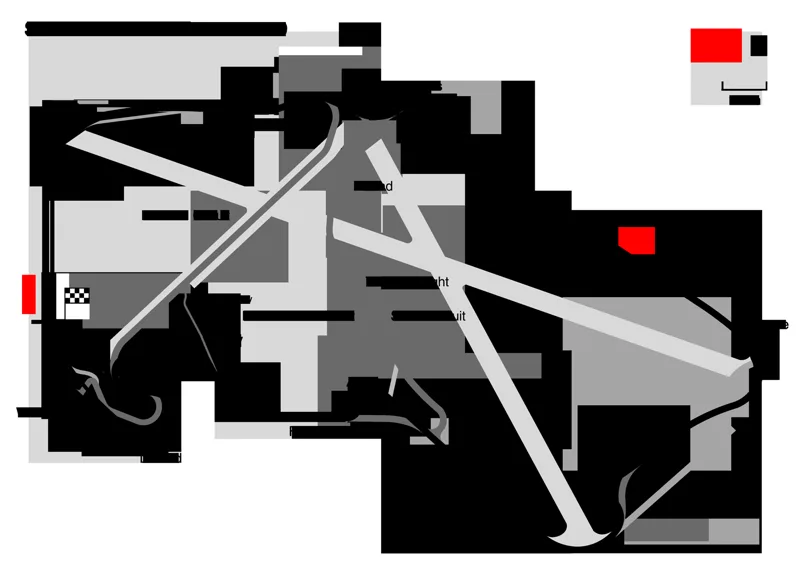
The 2007 Japanese Grand Prix was a Formula One race held on 30 September 2007 at Fuji Speedway in Oyama, Shizuoka. It was the fifteenth round of the championship, run over 67 laps on a recently revised track in heavy rain and mist. Lewis Hamilton won from pole for McLaren, and he also set the fastest lap of the race.
Why was the race held at Fuji?
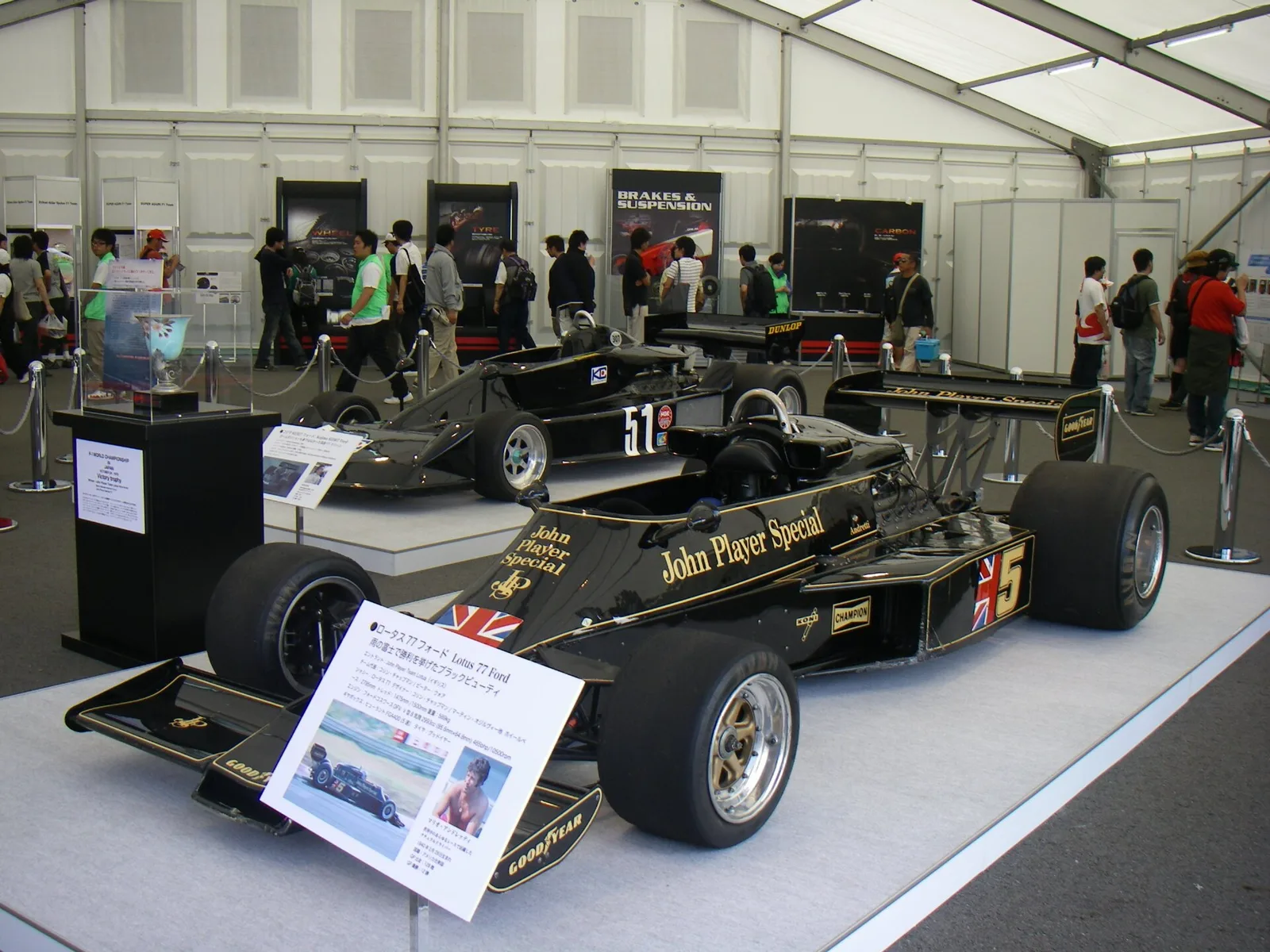
Suzuka Circuit had hosted the Japanese Grand Prix for the twenty years before this race. This race returned to Fuji for the first time since 1977, which made the event a notable return for the circuit and for Japanese fans.
Rain and mist shaped the weekend. Saturday's practice was cut short and qualifying took place on a wet track. The race itself was started behind the safety car because of the torrential rain.
Lewis Hamilton won from pole in torrential rain, and he also set the fastest lap of the race.
What was at stake in the championships?
Hamilton led the Drivers' Championship by two points from his McLaren teammate Fernando Alonso, who was a further 11 points ahead of Ferrari's Kimi Raikkonen. Ferrari had already been confirmed as Constructors' Champions after their one-two at the Belgian Grand Prix, and they were 71 points ahead of BMW Sauber.
McLaren would have led the Constructors' table on 202 points, had they not been penalised at the Hungarian Grand Prix and then disqualified over the espionage controversy that year. BMW Sauber stayed second, and Renault were third.
Which Japanese teams and drivers took part?
Three Japanese constructors and two Japanese drivers competed in the race. Toyota were sixth in the Constructors' Championship, while Honda were eighth, behind their own B-team Super Aguri. Takuma Sato was fifteenth in the Drivers' Championship for Super Aguri, and his compatriot Sakon Yamamoto had yet to score for Spyker after debuting at the Hungarian Grand Prix.
David Coulthard changed his helmet design for the race, choosing the design of former World Rally Champion Colin McRae, who had died two weeks earlier in a helicopter crash. The event was also filmed and broadcast in high definition by Fuji Television for the domestic audience, as it had been the year before.
How did the wet qualifying session go?
The weather had dried by the time qualifying began, but the track was still wet, and every driver went out on wet tyres. In the first session the two Spykers of Adrian Sutil and Yamamoto were eliminated, along with the two Super Aguris of Anthony Davidson and Sato, Alexander Wurz in the Williams and Rubens Barrichello in the Honda. Ralf Schumacher's Toyota collided with Yamamoto, which put both drivers out of qualifying.
The second session then removed the two Renaults of Giancarlo Fisichella and Heikki Kovalainen, along with Coulthard, Vitantonio Liuzzi and the Toyotas of Jarno Trulli and Schumacher. Ralf Schumacher had crashed into the back of Yamamoto at the end of the first session, could not set a time in the second, and qualified sixteenth.
Sebastian Vettel qualified eighth in his Toro Rosso, which was the best qualifying result the team had achieved so far. Nico Rosberg was moved back ten places for an engine change, and Nick Heidfeld took fifth for BMW Sauber. Raikkonen and Felipe Massa were third and fourth, so the Ferraris failed to reach the front row. Hamilton then beat Alonso to pole, his fifth pole position of his career.
Why did the Ferraris fall back?
The race began behind the safety car, which led the field for the first 19 laps because of the torrential rain. Raikkonen and Massa had started on standard wet tyres, while the extreme wet tyres were better suited to the conditions. Both Ferraris had to pit in the first few laps and dropped back to twentieth and twenty-first.
Ferrari boss Jean Todt later said the team had not been told about the tyre requirement before the race, although the other teams had been. Massa pitted again on the fifteenth lap. During the safety car period, the FIA also asked the lapped driver Liuzzi to pass the field and catch the back of the queue, as a way of checking whether the track was ready for racing.
What happened in the race itself?
When the safety car left the track, the two McLarens led the field, with Vettel quickly into third ahead of Heidfeld. Heidfeld and Jenson Button collided, which left Mark Webber fourth by the first lap even though he had been unwell after food poisoning. Webber had earlier been sick into his helmet during the first safety car period.
A first-corner spin led Alexander Wurz to collide heavily with Massa's Ferrari, and Wurz retired on the spot. Later Alonso crashed out, blaming aquaplaning for the accident. It was the first time a McLaren had failed to finish in the 2007 season, and the crash brought out the safety car again.
During that safety car period on the forty-fifth lap, Vettel crashed into the back of Webber. Webber retired immediately and Vettel returned to the pits to retire too. Earlier in the race Vettel had become the youngest driver to lead a lap of a Formula One race, at 20 years and 89 days. That record was later broken by Max Verstappen, who was 18 years and 228 days old at the 2016 Spanish Grand Prix.
Who stood on the podium?
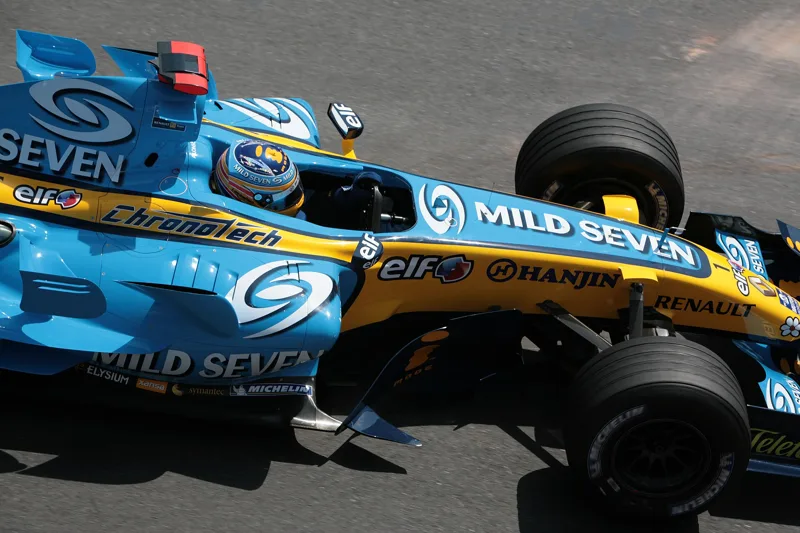
The collision left Kovalainen's Renault in second place, and he held it to the end despite repeated attempts from Raikkonen to pass him. It was Kovalainen's first podium finish, and it was Renault's only podium of the year. Raikkonen finished third, ahead of David Coulthard in fourth for Red Bull Racing.
It was the first time that two Finnish drivers had both finished on the podium.
Who else scored points?
On the final lap Massa edged out BMW's Robert Kubica, who had earlier taken a drive-through penalty for hitting Hamilton. Massa finished sixth, while Kubica was seventh behind Giancarlo Fisichella's Renault. Liuzzi finished eighth, scoring Toro Rosso's first points of the season, but those points were removed when he was penalised for overtaking Adrian Sutil under waved yellow flags.
Sutil, who had crossed the line ninth, was promoted to eighth by the penalty. That gave Sutil and the Spyker team their first and only Formula One points. The table below sets out the top eight finishers.
| Position | Driver | Team | Note |
|---|---|---|---|
| Winner | Lewis Hamilton | McLaren | Pole and fastest lap |
| Second | Heikki Kovalainen | Renault | First podium, inherited second when Vettel and Webber collided |
| Third | Kimi Raikkonen | Ferrari | Held off by Kovalainen in the closing laps |
| Fourth | David Coulthard | Red Bull Racing | Fourth place in a wet race |
| Fifth | Nick Heidfeld | BMW Sauber | Fifth on the grid, involved in an early collision |
| Sixth | Felipe Massa | Ferrari | Pitted early, later fought Kubica |
| Seventh | Robert Kubica | BMW Sauber | Drive-through penalty for the collision with Hamilton |
| Eighth | Adrian Sutil | Spyker | Promoted after the Liuzzi penalty, first points for the team |
What penalties did the stewards hand out?
Vettel was given a ten-place penalty for the next race in Shanghai, because he had caused the collision with Webber that put both drivers out. New evidence was presented to the FIA, however, and the penalty was reduced to a reprimand. The FIA then opened an investigation into Hamilton for dangerous driving, since he had braked suddenly in front of Webber while leading behind the safety car.
Hamilton might have faced disqualification or a grid penalty for the next race, but the FIA decided against imposing any penalty on him. Webber had to follow suit or risk a penalty for overtaking behind the safety car, and Vettel then ran into the back of him.
How did the event itself run?
The weekend was marred by poor transport, poor facilities, weak organisation and expensive food. At the circuit, a plain lunchbox cost 10,000 yen (US$87). Some reserved seats had no view at all of the track.
Saturday's free practice was abandoned after repeated delays due to fog, which grounded the medical helicopter. Only Alexander Wurz, Nico Rosberg and Jarno Trulli set a time in the four minutes available. Before the race there had been doubts about whether 100,000 or more spectators could travel by shuttle bus alone, and the circuit said it was fully prepared. The road at the east gate sank at around 16:00 after qualifying. Roughly 20,000 spectators were stuck for four hours or more, until 21:00.
On the Sunday only shuttle buses were admitted for spectators as transport. The circuit announced a refund for people who had bought seats in the reserved area near the first corner, because the low visibility meant the cars on the racing line could not be seen. Around 7,000 people were due a refund of 50,000 yen (US$435) per ticket, an expected cost of roughly 350 million yen (US$3 million). Another 85 spectators who arrived after the race started were reimbursed for their transport, hotel and ticket costs.
Fuji Speedway also banned flags and banners supporting teams and drivers, except for Toyota. The owner of the Toyota team also owned the circuit, and few flags were seen for other teams. Japanese media figures criticised the organisation, while Toyota's team principal Tadashi Yamashina praised the event and the facilities. Later, 109 spectators took legal action in June 2008 for compensation of 32 million yen (US$295,500). The 2008 race was the last held at Fuji, and the Japanese Grand Prix returned to Suzuka in 2009.
What did the result mean for the title race?
Hamilton's win extended his lead over Alonso to twelve points, after Alonso had been two points behind before crashing out. Raikkonen's third place kept him in mathematical contention to take the Drivers' title in the two remaining rounds. His Ferrari teammate Massa dropped out of contention after a sixth-place finish, leaving him ten points behind Raikkonen.
In the Constructors' Championship, Ferrari led on 170 points. BMW Sauber remained second, 78 points behind, after scoring two points in the race. Renault were third, 41 points behind Ferrari, and they were unpassable by the other teams for that position.