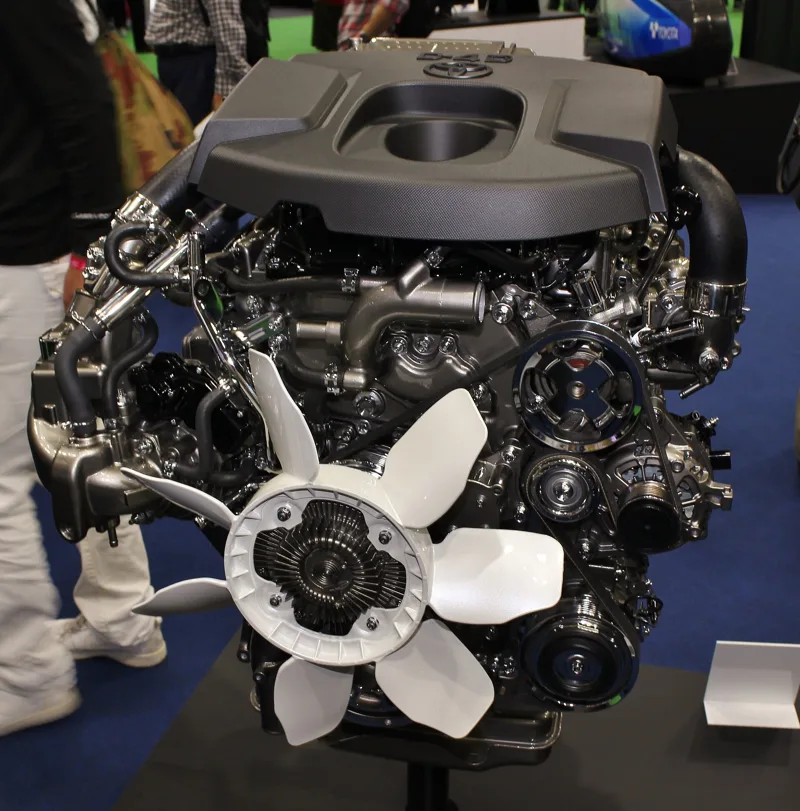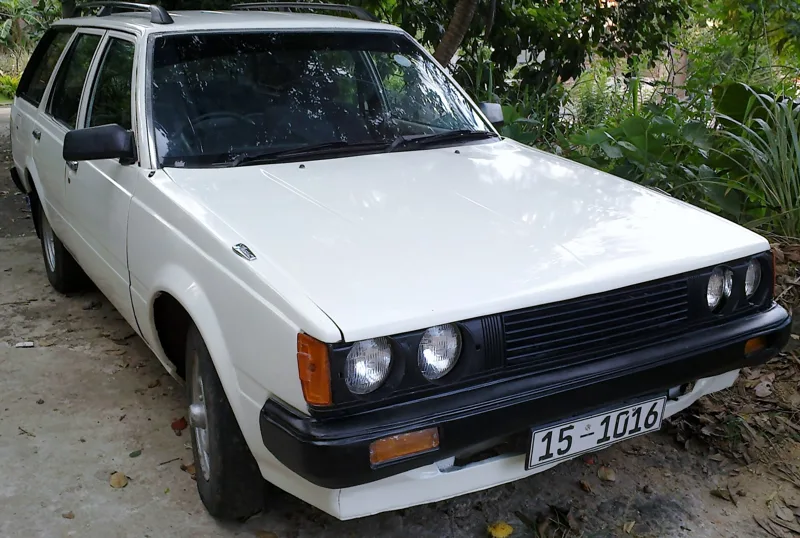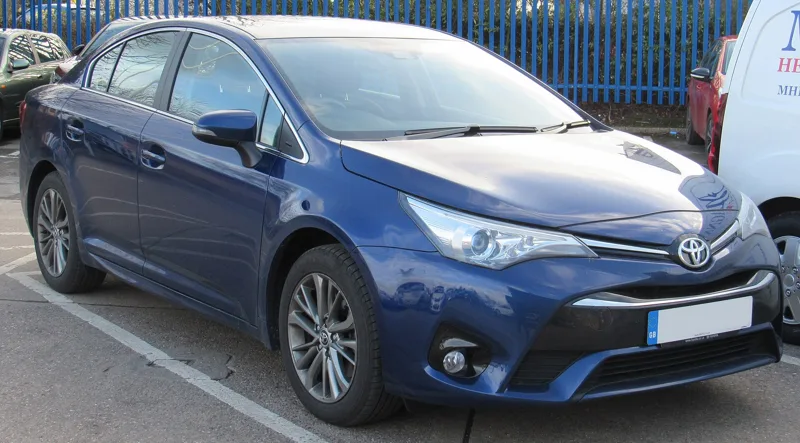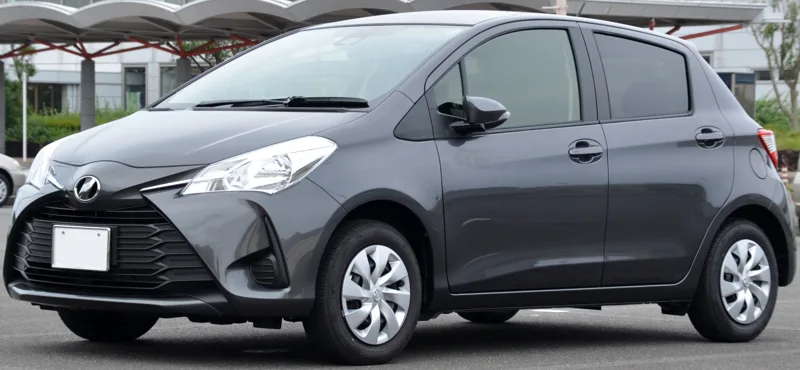
A crossover that was a Lexus abroad, a three-row MPV built across Asia, a pair of sedans sold only in Japan and a small car with a crossover body.
Toyota built the Harrier, Wish, Premio and Ist for Japan first. The Harrier went abroad as the Lexus RX and later the Venza, the Wish was assembled across Asia, the Ist became the Scion xA and Urban Cruiser, and the Premio and Allion sedans were never exported.
For its first eleven years, the Toyota Harrier on sale in Japan was the same car that buyers abroad knew as the Lexus RX. Toyota had not yet brought Lexus to its home market, so it carried a Toyota badge at home while export markets sold it as a Lexus.
That is one example of how Japan's market has shaped Toyota. The Harrier, Wish, Premio and Ist were each built for Japanese streets, tax brackets and dealer networks, and each went abroad, or stayed home, in a different way. Only the Premio and its twin the Allion never left.
Toyota Harrier history: the RX that Japan got first
The Harrier is a five-passenger crossover, compact in its early days and mid-size later, that Toyota has built in Japan since December 1997. It was once sold exclusively at Toyopet Store dealerships. Abroad it was rebadged as the Lexus RX from March 1998 to December 2008, a period when Toyota had not retailed the Lexus brand to Japanese customers.
The second generation, the XU30, debuted in February 2003 together with the export Lexus. When the third-generation RX appeared in late 2008, the Harrier carried on in its second-generation form. Lexus had by then launched in Japan as a brand of its own, so the new RX was sold at home exactly as it was abroad.
The name comes from the eastern marsh harrier, a bird of prey common in Hokkaido and northern Honshu, and a stylised bird once sat on the grille.
The XU60 Harrier, 2013 to 2020
In 2013 the Harrier became its own model line. The XU60 went on sale in Japan on 2 December 2013 with petrol power and on 15 January 2014 as a hybrid, replacing both the XU30 Harrier and the Vanguard. It no longer shared the RX's K platform, drawing instead on the RAV4's New MC underpinnings, and it became a more road-oriented, upmarket alternative to the RAV4, comparable to the Lexus NX. A visual link to the RX remained.
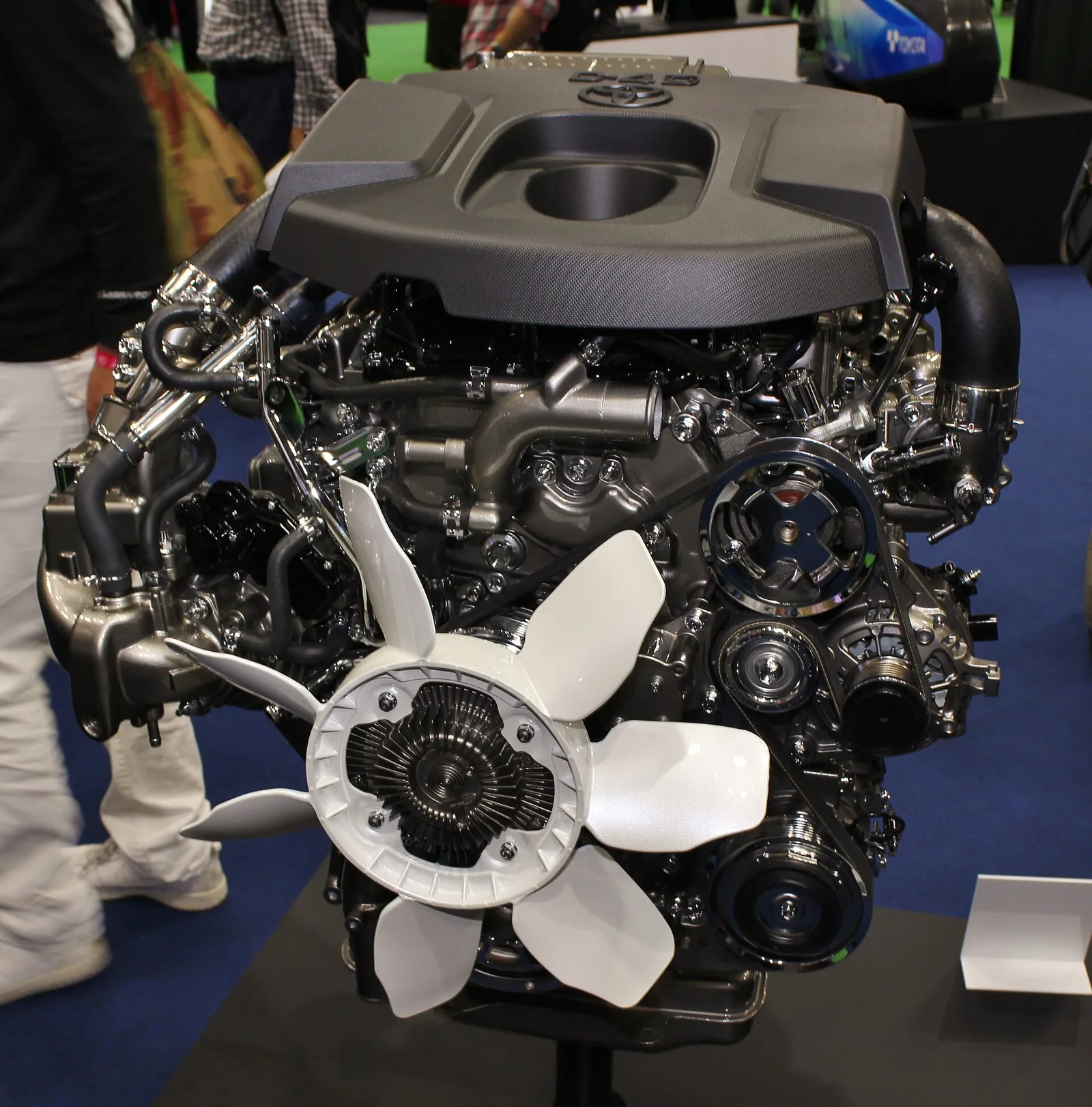
Japanese trims were Grand, Elegance and Premium, with the Premium carrying JBL GreenEdge audio and an 8-inch T-Connect touchscreen. A facelift on 8 June 2017 dropped the Grand, made the Elegance the base and put the Progress at the top. It also brought a 2.0-litre turbo, the 8AR-FTS, with a six-speed automatic, beside the 2.0-litre petrol and a 2.5-litre hybrid. Toyota Safety Sense P was standard throughout.
This was the first Harrier officially sold outside Japan. Singapore received it on 20 July 2017 with a turbocharged 2.0-litre engine of 169 kW (227 hp) and a Sports mode, in Elegance, Premium and Luxury trims. Malaysia followed in November 2017 with two trims, both using the same turbo engine.
The XU80 Harrier
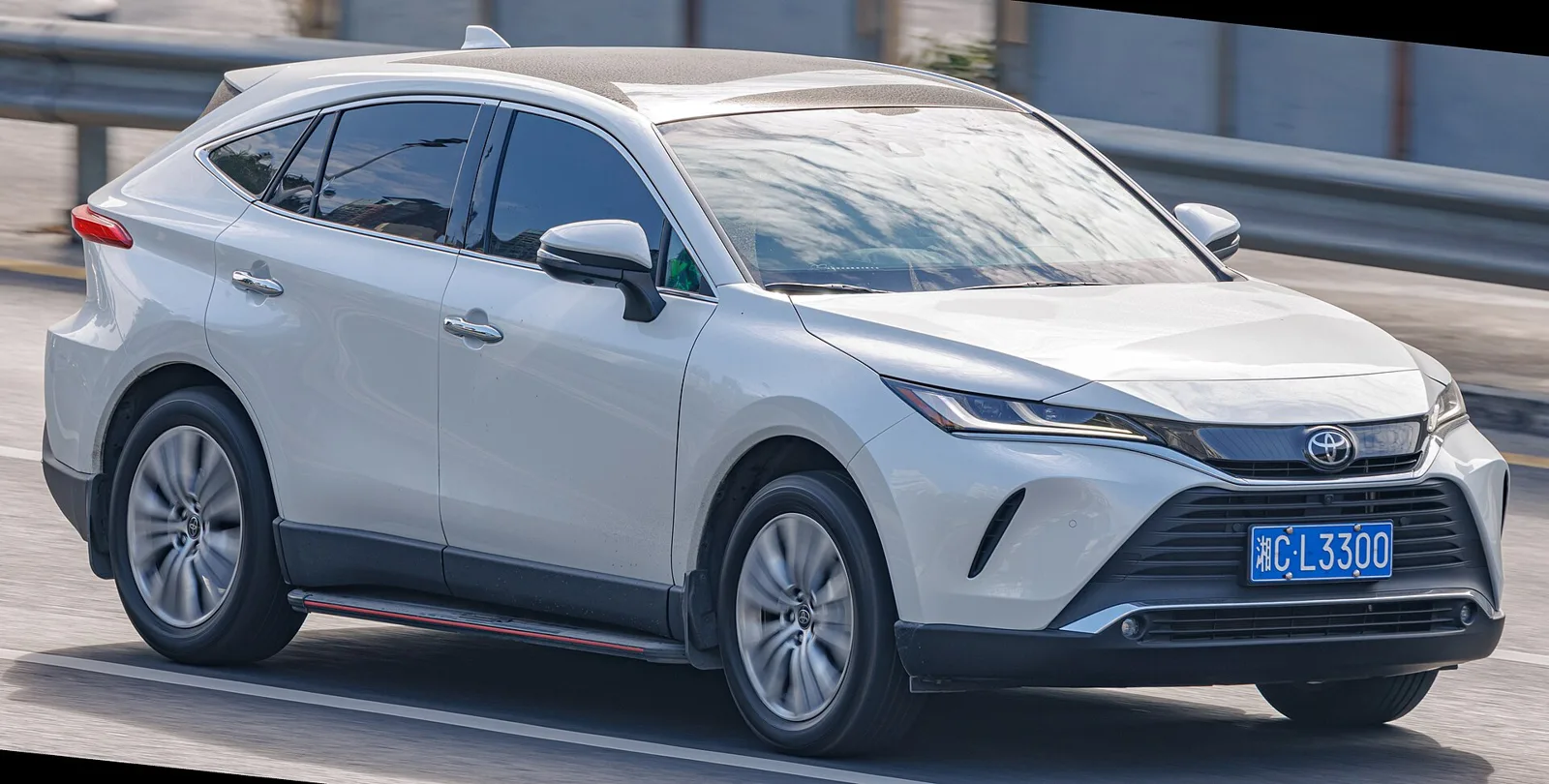
The XU80 was announced on 13 April 2020 and went on sale on 17 June. It rides on the GA-K platform of the XA50 RAV4. Width and wheelbase grew by 20 mm (0.8 in) and 30 mm (1.2 in), and height fell by 30 mm (1.2 in). There was no turbo option, and Japan offered S, G and Z grades. The bird emblem was replaced on the grille by the Toyota emblem.
Singapore got the new model on 29 January 2021, with an Elegance trim using a conventional petrol engine and Premium and Luxury trims with a hybrid. Malaysia launched it on 8 April 2021 in a single Luxury trim with the 2.0-litre M20A-FKS and a CVT, and a 2.5-litre A25A-FXS hybrid joined it in March 2026, replacing the 2.0-litre petrol. China sells the car under both Harrier and Venza names.
A plug-in hybrid, sharing its system with the RAV4 PHEV, arrived in Japan in September 2022 in Z grade only. In June 2025 it was added to the G grade, which became the base after the S was discontinued, and a 12.3-inch head unit became standard on every grade. A minor update in August 2026 left the Japanese range hybrid-only.
Venza: the Harrier in North America
Toyota unveiled the Harrier as the second-generation Venza in North America on 18 May 2020. It is an all-wheel-drive hybrid only, went on sale in September 2020 and comes in LE, XLE and Limited trims. It lacks the grille-mounted fog lamps found on the Harrier. Unlike the first-generation Venza, built in Kentucky, it is made alongside the Harrier at the Takaoka plant in Japan. In China the Venza is built by GAC Toyota in Guangzhou while FAW Toyota builds the Harrier in Tianjin, so China is the only country that offers both.
Toyota sold the Harrier in Japan before Japan had Lexus, and the Premio never left.
Toyota Wish: a three-row compact for Japan and Asia
The Wish was a compact MPV with standard three-row seating, built from 2003 to 2017 and positioned between the Corolla Spacio and the Ipsum. In Japan it sold through Toyota Netz dealers. It was also assembled in Thailand for Malaysia and Singapore, and in Taiwan, and imported to Hong Kong.
Under the code name 760N, a team led by chief engineer Takeshi Yoshida showed it at the Tokyo Motor Show in October 2002, and production started on 20 January 2003. The launch used singer Hikaru Utada, whose song Colors played in the television commercial, and the slogan was "Wish Comes True". The first engine was a 1.8-litre 1ZZ-FE making 132 PS and 170 Nm (125 lb ft) with a four-speed automatic. A 2.0-litre 1AZ-FSE direct-injection unit followed in April 2003 with 155 PS (114 kW) and 192 Nm (142 lb ft), and the D-4 versions came only with a CVT.
It sold strongly, regularly appearing in the top five of Japan's monthly best-seller list, and changed the market position of rivals such as the Honda Stream and the Mazda Premacy, known elsewhere as the Mazda5.
Wish around Asia
Thailand began local assembly in December 2003 with 2.0 S, 2.0 Q and 2.0 Q Limited trims. The Thai car had 2.0Z fenders, 17-inch wheels, the Camry's 1AZ-FE engine in place of the direct-injection unit, standard leather on the upper trims and a rear double wishbone suspension on two-wheel-drive cars. Taiwan's left-hand-drive Wish arrived in November 2004 with a new front end, redesigned LED tail lights and a beige interior option. In Singapore the Wish was sold only by parallel importers until 2008, when the local distributor offered the Wish Aero Tourer with a body kit and a touchscreen DVD head unit.
A September 2005 facelift brought small cosmetic changes and, in Japan, the telematics service G-BOOK ALPHA. The second generation, the AE20, launched in March 2009 with 2ZR-FAE and 3ZR-FAE engines and a Super CVT-i gearbox. Most were seven-seaters, but the top Z model had two captain's chairs in the second row and seated six. Its wider fenders and the aero kits on the 1.8S and 1.8A pushed them into a higher Japanese tax category. A facelift in April 2012 added LED inserts.
Sales ended in Taiwan in 2016, in Japan on 13 October 2017 and in Singapore in mid-2018. The Sienta, Prius alpha and the Noah, Voxy and Esquire family took over its role as a three-row compact.
Toyota Premio and Allion: the sedans that never left Japan
Toyota sold the Premio and its twin the Allion in Japan from 2001 to 2021. They were compact cars under Japanese dimension rules, their exterior sizes never changed with updates, and, unlike most Toyotas, they were not exported. The Corolla of 2018 now fills their place by size and price.
The Premio was the successor to the Corona, which first appeared in 1957, and was sold at Toyopet Store as a smaller companion to the Mark X. The Allion replaced the Carina, which dated from 1970, and was sold at Toyota Store beside the Crown. Both were related to the Avensis, which Japan imported as a five-door wagon. The Premio name is Spanish for premium or prize; Allion comes from all-in-one.
The first-generation Premio was the more elegant, with wood trim and chrome, while the Allion was sportier and aimed at younger buyers. Toyota sold the Allion with front spoilers, a boot wing and ground-effect parts, rear seats that tilted like the fronts and taxi, driving-school and police versions.
T240 and T260 generations
The first generation launched on 25 December 2001 with 1.5, 1.8 and 2.0-litre engines. A 2004 restyle added LED tail lights, and only the 2.0 had a CVT, the others using four-speed automatics. The second generation, the T260, came on 4 June 2007, filling the gap between the Corolla and the Camry with a smart entry and start system, a colour rear-view monitor and a hard-disk navigation system that worked with the G-Book mX service. Four-wheel drive was available with the 1.8-litre 2ZR-FE. A 2.0-litre Valvematic 3ZR-FAE arrived in January 2008, cutting emissions by 75 percent from the 2005 level and beating the 2010 fuel standards by 20 percent.
The fuel figures were a running theme. The 1.5-litre cars managed 18 km/L (42 mpg-US; 51 mpg-imp) and the 1.8-litre 17 km/L (40 mpg-US; 48 mpg-imp), with the 1.5 rising to 18.6 km/L from October 2009 and 20 km/L in June 2010, until a stricter JC08 test method dropped the published figure for the best model to 18.2 km/L in December 2012. A facelift on 20 April 2010 sharpened the headlights and added twin LED tail lights, and the 1.8-litre engine became the Valvematic 2ZR-FAE. At the end of September 2019 stop-start came in, together with steering-assisted stability control, hill start assist and an active torque control four-wheel-drive system, and the front-drive 1.5 qualified for an Eco-car tax reduction.
A second facelift on 13 June 2016 added bi-beam LED headlights and the Toyota Safety Sense C collision avoidance system, with styling borrowed from the Crown. The two models now differed mostly in the grille. The 2.0-litre engine ended in July 2020, and on 1 December 2020 Toyota announced that the Premio and Allion would end from March 2021, closing the Corona line that began in 1957.
The Chinese Allion is a different car
The Allion name lives on in China as a long-wheelbase E210 Corolla, shown at the Guangzhou show in November 2020 and developed by FAW Toyota. Its wheelbase of 2,750 mm (108.3 in) is 50 mm (2.0 in) longer than the standard Corolla's, and its length is 4,720 mm (185.8 in), which puts it between the Corolla and the Avalon in the so-called A+ class. Its Chinese name, meaning Asian Lion, replaced an earlier one that might have offended speakers of the Teochew dialect.
Toyota Ist: Vitz underneath, crossover on top
The Ist, written ist, was a subcompact that Toyota exported as the Scion xA and xD in the United States, the Toyota xA in the Middle East and, for the second generation, the Urban Cruiser in Europe and Latin America. It was the sixth model built on the Vitz, conceived as a high-end multi-use compact with SUV-like styling and wagon-like space. The grille had two thick horizontal bars, and 15-inch tyres and extended wheel arches gave it a squat look. The body was a notch bigger than the Vitz, and the 6:4 split rear seats folded flat. Toyota built the structure to cope with crashes against heavier vehicles. The name comes from the suffix meaning a person passionate about something, as in stylist or specialist.
The first-generation XP60 went on sale on 8 May 2002, after first appearing at the 2001 Tokyo Motor Show. It shared a platform with the Platz sedan and came with a 1.3-litre front-drive engine or a 1.5-litre in front- or four-wheel-drive form. Toyota aimed it at younger drivers and took 42,000 orders on introduction, and its rivals were the Honda Fit and Nissan March. The Shizuoka Prefectural Police used one as a patrol car, and TRD offered a turbocharged dealer-fit option.
Second generation and the Urban Cruiser
The second-generation XP110 went on sale on 30 July 2007, inspired by the 2006 Urban Cruiser Concept from Toyota ED2. It moved the instruments in front of the driver and offered 150G and 150X trims with a Super CVT-i gearbox, plus an AWD option. Kanto Auto Works built it from January 2010. Manufacture ended in March 2016, Japanese sales on 29 April 2016, and the Yaris Cross replaced it in 2020.
Europe's Urban Cruiser debuted at the Geneva show in March 2008 and sold until 2014, with the Yaris Cross filling its place from 2021. It used a 1,329 cc petrol engine of 99 PS (73 kW) or a 1,364 cc turbo-diesel of 90 PS (66 kW) and 205 Nm (151 lb ft), with a six-speed manual only. Despite seven airbags it earned three stars from Euro NCAP. The Urban Cruiser name has since been reused for rebadged Suzuki models, from the Vitara Brezza in 2020 to the e Vitara in 2025.
| Model | Japan dealer | Years | Abroad |
|---|---|---|---|
| Harrier | Toyopet Store | 1997 onwards | Lexus RX to 2008, Venza, Harrier in Singapore and Malaysia |
| Wish | Netz | 2003 to 2017 | Built in Thailand and Taiwan, sold in Hong Kong and Singapore |
| Premio and Allion | Toyopet Store and Toyota Store | 2001 to 2021 | Not exported |
| Ist | Netz | 2002 to 2016 | Scion xA and xD, Toyota xA, Urban Cruiser |
What these four add up to
Today only the Harrier remains on sale, hybrid-only in Japan after the August 2026 update and exported as the Venza in North America. The Wish went in 2017, the Ist in 2016, and the Premio and Allion in March 2021, each replaced by a Toyota with a different shape. For anyone looking at one of the older cars, the dealer channel is part of its identity: the Wish and Ist were Netz Store cars, the Premio a Toyopet Store car and the Allion a Toyota Store car.