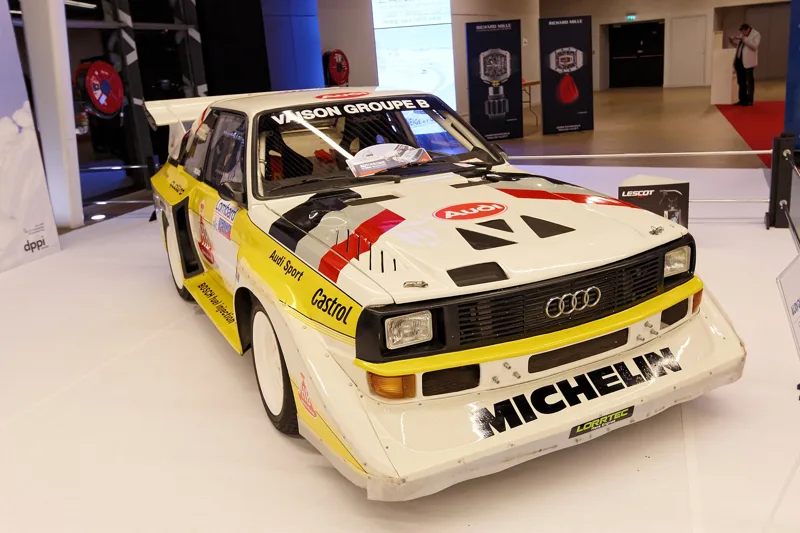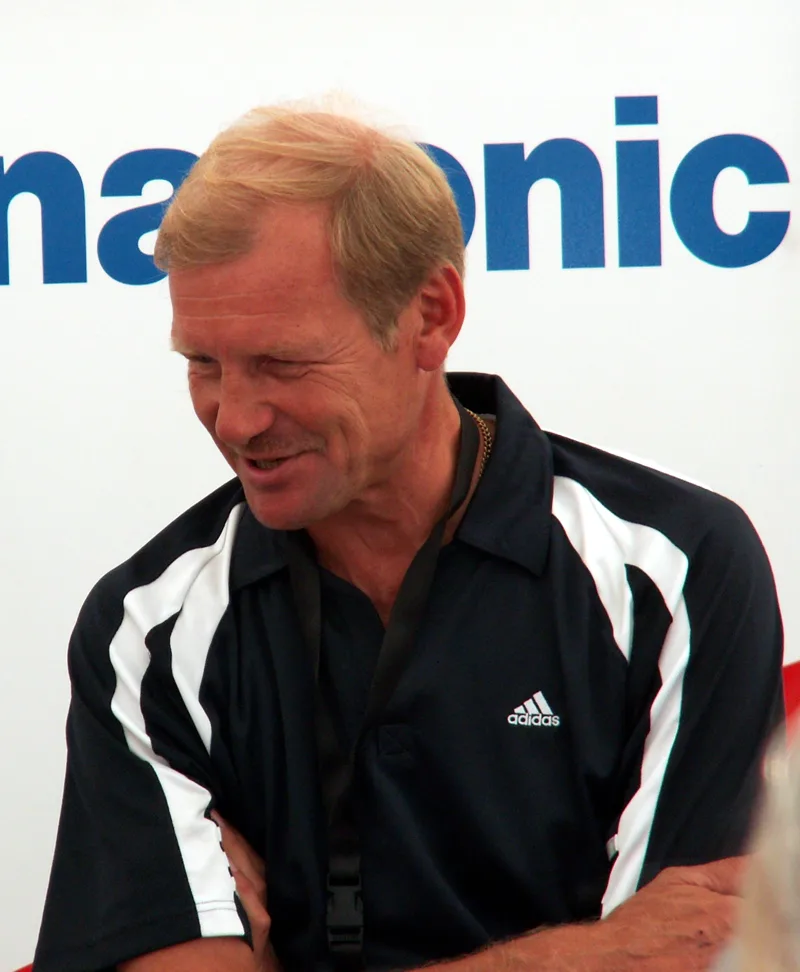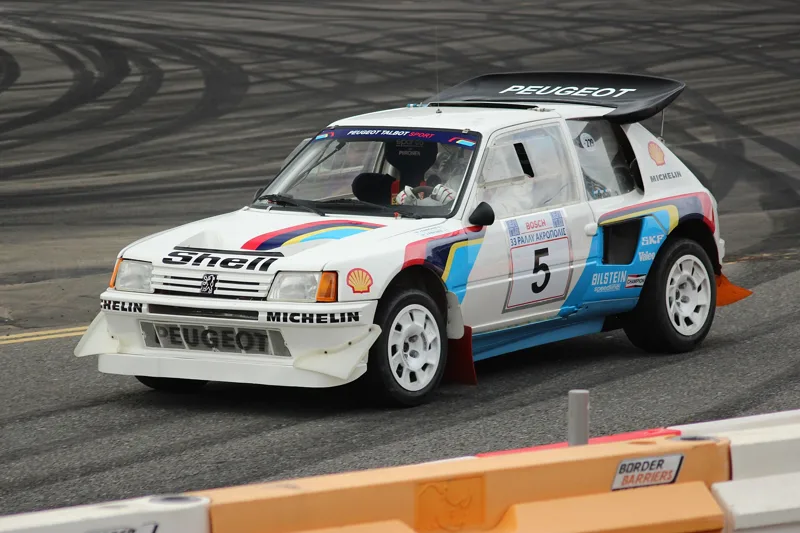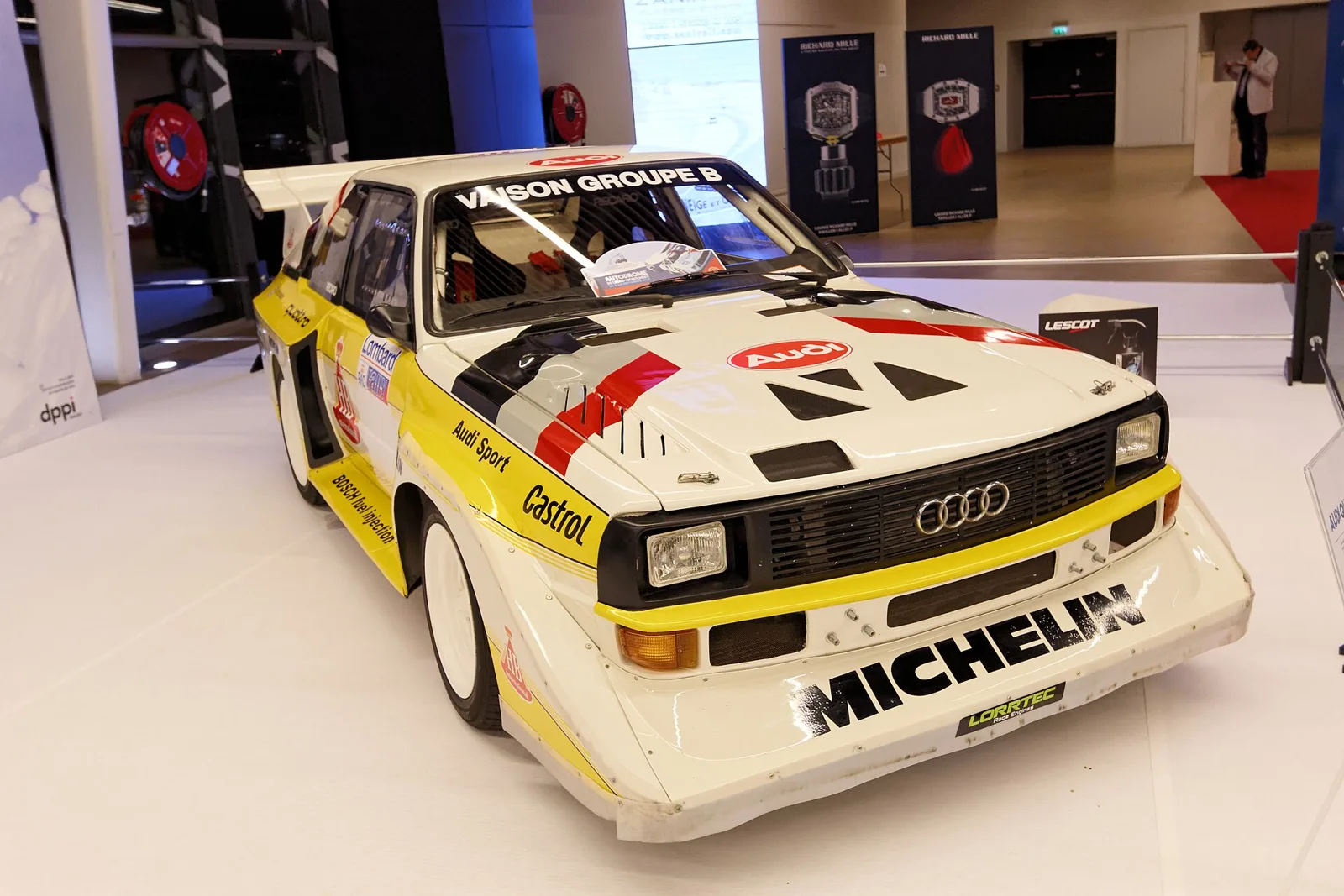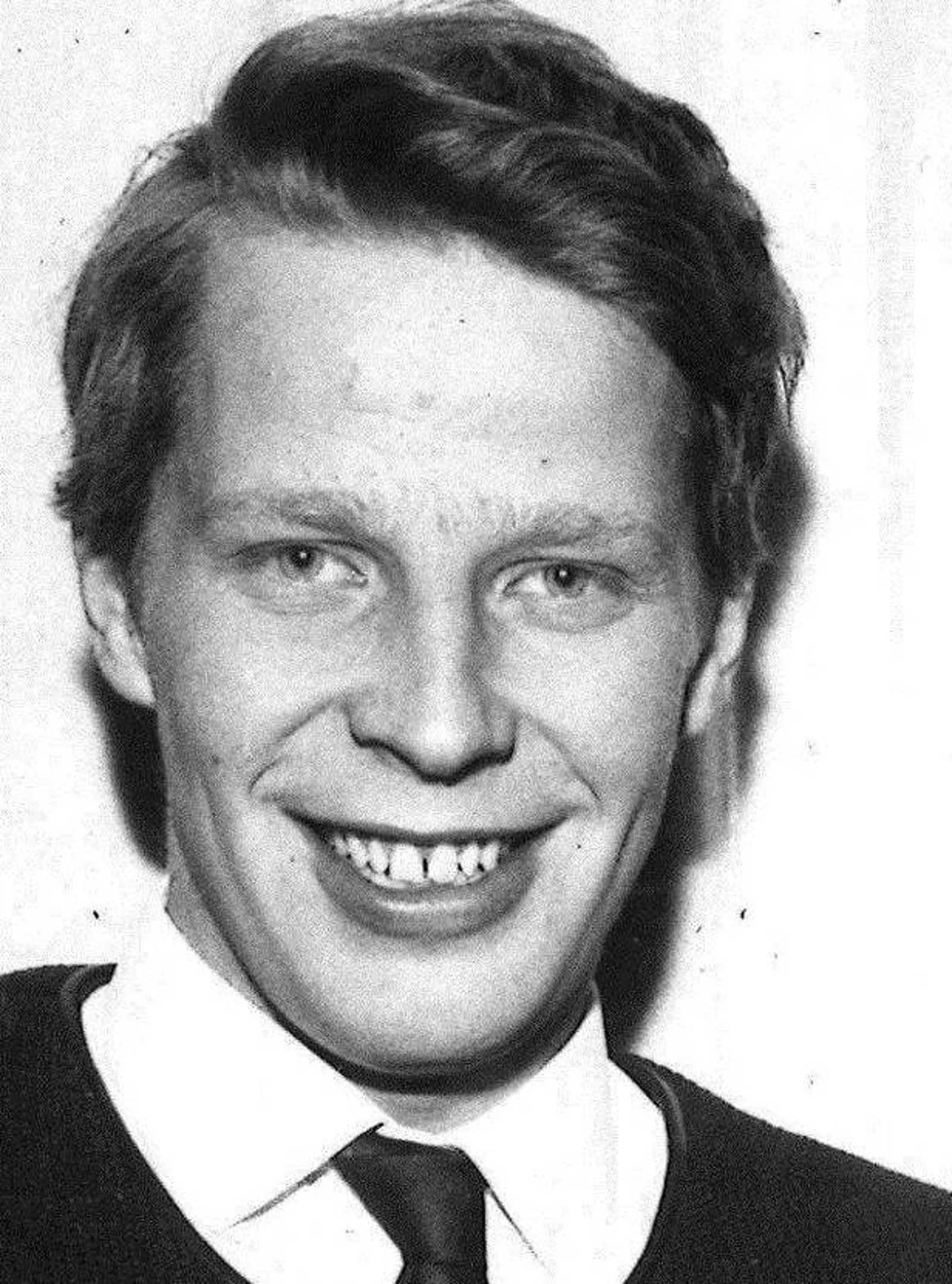
Four Finnish drivers, from the Escort and Quattro to the Peugeot 205 T16 and the Lancer Evolution, and what each won in the World Rally Championship.
The Flying Finns were Finnish rally drivers who dominated the World Rally Championship. Hannu Mikkola won the 1983 title, Ari Vatanen the 1981 title and Tommi Makinen four in a row from 1996, while Markku Alen won the FIA Cup in 1978 and held the 1986 crown for eleven days.
For eleven days in 1986 Markku Alen was World Rally champion. He had won Rallye Sanremo, but Peugeot's appeal against the exclusion of its cars succeeded and the results were annulled. Alen and fellow Flying Finns Hannu Mikkola, Ari Vatanen and Tommi Makinen cover the Escort era, four-wheel drive, Group B and the Lancer Evolution between them.
Who were the Flying Finns?
The Flying Finns were the Finnish drivers who dominated rallying for decades. Mikkola, born in 1942, won the 1983 world title. Alen, born in 1951, held the career win record for years without ever taking the title. Vatanen, born in 1952, was champion in 1981, and Makinen, born in 1964, won four titles in a row from 1996.
The nickname was shared more widely than these four. Seppo Harjanne, one of Makinen's navigators, had earlier sat beside the 1985 champion Timo Salonen, who is also called a Flying Finn.
Alen won Rallye Sanremo in 1986, held the world title for eleven days, and then lost it on appeal.
What did Hannu Mikkola win?
Hannu Mikkola won Finland's 1000 Lakes Rally seven times and Britain's RAC Rally four times. His career lasted 31 years, starting in a Volvo PV544 in 1963, with the best of it coming in the 1970s and 1980s.
Through the 1970s he was a frontrunner in a Ford Escort, and in 1972, with co-driver Gunnar Palm, he became the first driver from outside East Africa to win its Safari Rally. He also took the 1970 London to Mexico World Cup Rally, and its 1995 re-run. In 1979 he challenged hard for the world championship and finished one point behind Bjorn Waldegard.
Arne Hertz, a Swede, joined him as co-driver in 1977, and the pair won the British Rally Championship in an Escort in 1978. They stayed together for thirteen years, until the end of 1990.
How did the Audi Quattro change Mikkola's career?
After a second place in 1980 with Ford, Mikkola moved to the new Audi factory team for 1981 to drive the four-wheel-drive Quattro. It was Audi's first event, the Monte Carlo Rally, and he led until an accident. He then won the Swedish Rally with ease, though the car was unreliable and he finished only third in the championship.
The following year he won the 1000 Lakes and RAC again, finishing third behind Walter Rohrl and his own teammate Michele Mouton. Then came 1983. Four wins and three second places made him and Hertz world champions, and he remains the oldest rally world champion. He was runner-up behind teammate Stig Blomqvist in 1984.
The fall was fast. In 1985, Audi was overwhelmed by new Group B cars from Peugeot and Lancia, Mikkola started only four world rallies, retired from three and finished fourth in one, ending 22nd in the standings. He stayed with Audi until 1987, winning the Safari in a Group A Audi 200, then drove for Mazda until semi-retirement in 1991. He stopped completely in 1993, took part in the 2008 Colin McRae Forest Stages Rally in memory of McRae, entered the Rally Hall of Fame in 2011 and died on 25 February 2021 of cancer, aged 78.
Why did Markku Alen never win the world championship?
Alen came agonisingly close more than once. His father was the 1963 Finnish ice-racing champion, and Alen began rallying in 1969 in a Renault 8 Gordini, finishing ninth at his first 1000 Lakes. He took second place on his world championship debut at the 1973 event, behind Timo Makinen, and then third on the RAC Rally that year despite a first-day roll that dropped him to 178th.
Fiat and Ford both noticed. Alen signed a dream contract with Fiat and became the first rally driver to receive a personal fitness programme. After podiums in the Fiat 124 Abarth Rallye, his debut world rally win came at Rally Portugal in 1975. The new Fiat 131 Abarth followed in 1976, and he won the 1000 Lakes that year and Rally Portugal in 1977, helping Fiat to its first manufacturers' title.
In 1978 he won twice, finished on the podium in five consecutive rallies and took Rallye Sanremo in a Lancia Stratos HF, beating Jean-Pierre Nicolas and Mikkola to the FIA Cup for Drivers, the forerunner of the World Championship for Drivers launched in 1979. Fiat took its second manufacturers' title.
What happened at Lancia?
Alen moved to Lancia when Fiat wound up its works team. In 1982 he debuted the Lancia 037, a rear-wheel-drive Group B car that excelled on asphalt, and his wins in 1983 helped Lancia narrowly beat Audi and its four-wheel-drive Quattro to the constructors' title. His victory on the 1984 Tour de Corse was the 037's last, and the four-wheel-drive Delta S4 took over at the final round of 1985.
The 1986 season brought both the peak and the heartbreak. After teammate Henri Toivonen died in Corsica, Alen became undisputed team leader. He won Sanremo only after Juha Kankkunen's Peugeot team was excluded on a controversial technicality. Peugeot appealed to the FISA, the results were annulled, and Alen lost the title he had held for eleven days. He famously boycotted the 1987 Monte Carlo Rally.
He adapted to the Group A cars that replaced Group B, winning three events in a Lancia Delta HF 4WD in 1987, though he rolled on the RAC Rally in front of the cameras. In 1988 he won three more and finally took the RAC, after fifteen years of trying, in what proved to be his last world championship victory.
The four Flying Finns at a glance
| Driver | Born | Best championship result | Standout record |
|---|---|---|---|
| Hannu Mikkola | 1942 | World champion 1983 | Oldest rally world champion; 1000 Lakes seven times |
| Markku Alen | 1951 | FIA Cup for Drivers 1978; champion for eleven days in 1986 | 801 stage wins, a record until 2011 |
| Ari Vatanen | 1952 | World champion 1981 | Four Paris-Dakar wins |
| Tommi Makinen | 1964 | World champion 1996, 1997, 1998, 1999 | 24 wins, fifth on the all-time list |
Where did Alen's career go after Lancia?
In 1990 he joined the Prodrive-run Subaru World Rally Team and shared in many of the Legacy's early successes. He moved to Toyota in 1992 but played a supporting role to Carlos Sainz. In 1993, with fellow veteran Vatanen, he took the new Subaru Impreza to its first event, the 1000 Lakes Rally, and crashed on the first stage, which effectively ended his top-line career.
Alen's record of 801 stage wins stood until Sebastien Loeb passed it in 2011, at Rally Catalunya, and his phrase now maximum attack became well known. To mark his 50th birthday in 2001 he entered Neste Rally Finland and finished 16th overall in a Ford Focus WRC, and he drove the Dakar twice in the truck class. In March 2010 Ferrari hired him as a test driver, starting with snow tests in the 458 Italia.
How did Ari Vatanen rise from a spectator's differential?
Vatanen began rallying in 1970 and made his world championship debut at the 1974 1000 Lakes. That year he beat Mikkola to win the Nortti Rally in an Opel Ascona, which brought him wider attention. In 1975 Ford offered him an Escort RS1800 on the RAC Rally, and although he crashed out on day two, he had impressed team manager Stuart Turner enough to win a seat in the 1976 British Rally Championship.
During the 1976 Scottish Rally the Ford team replaced a broken differential in his Escort with one taken from a spectator's Ford Capri. Vatanen did not finish, but he won the championship, and he repeated the feat in 1980 with co-driver David Richards, later chairman of Prodrive. His first world rally win came in Greece, at the 1980 Acropolis Rally, and the 1981 title followed.
What happened to Vatanen after 1985?
Vatanen skipped a title defence in 1982, moved to Opel for 1983 and still won the Safari in the two-wheel-drive Ascona. At Peugeot from 1984 he drove the 205 T16 and won five world rallies in a row, from the 1984 1000 Lakes to the 1985 Swedish Rally. A string of accidents and failures left him behind teammate Timo Salonen by mid-season.
Then, on Rally Argentina, his car somersaulted at more than 190 km/h (120 mph). His seat broke and he was thrown about the cabin, suffering serious damage to his legs and torso as well as internal bleeding that threatened his life. Recovery took 18 months, first from the physical injuries and then from deep depression, and it was complete.
He came back in 1987 and went on to take four Paris-Dakar Rally wins: three for Peugeot, in 1987, 1989 and 1990, and one for Citroen in 1991. In 1988 his car was stolen while he led. In 1997 he added the FIA World Cup for Cross-Country Rallies with navigator Fred Gallagher. Earlier, he had driven a Peugeot 405 T16 with at least 600 bhp (447 kW), four-wheel drive and four-wheel steering up Pikes Peak in record time, a run captured in the short film Climb Dance.
He competed in the World Rally Championship until 1998, reaching his 100th event at the Rally of Great Britain that year in a works Subaru. He sat in the European Parliament from 1999 to 2009, and on 23 October 2009 he lost the vote for FIA president to Jean Todt.
How did Tommi Makinen win four titles in a row?
Makinen won the Group N Finnish Rally Championship in 1988 in a Lancia Delta HF 4WD and took his first world rally win at the 1994 1000 Lakes in a Ford Escort RS Cosworth. He was a late developer by rally standards. His first full-time manufacturer seat came in 1995, in a Mitsubishi Lancer Evolution alongside Kenneth Eriksson.
Success then came quickly. A Safari Rally win in 1996 gave him a base for a commanding title lead, which he sealed in Australia ahead of Colin McRae. Every drivers' title Mitsubishi collected between 1996 and 1999 was his and helped the team to its only manufacturers' title in 1998. A video game carrying his name arrived late that year, and he won the 2000 Race of Champions.
In 2000 he began with victory at Monte Carlo but lost the title to fellow Finn Marcus Gronholm. Mitsubishi produced a Tommi Makinen edition of the Lancer Evolution VI, with a different front bumper and in some cases red and white paint. He finished third in 2001, a year in which a crash in Corsica broke co-driver Risto Mannisenmaki's back and virtually ended his top-line career.
A move to Subaru in 2002 brought one last win, at Monte Carlo, after Loeb committed a technical infringement. Makinen retired after the 2003 season with a third place at Rally Great Britain, set up Tommi Makinen Racing Oy Ltd in 2004 to prepare rally cars, and totalled 24 wins and four titles, fifth for wins and third for championships, tied with Kankkunen.
Where this goes next
Makinen became team principal of Toyota Gazoo Racing WRT in 2016, and in 2018 the team won the World Rally Championship, Toyota's first manufacturers' title since 1999. That made him the first person to win a championship as both driver and team principal. At the end of 2020 he left the team principal role to become Toyota's motorsport advisor.
The next generation has been busy too. Vatanen's son Max entered the British Rally Championship in 2016 in an M-Sport-prepared Ford Fiesta R5, and Alen's son Anton drove a Super 2000 Fiat Punto in the Intercontinental Rally Challenge.