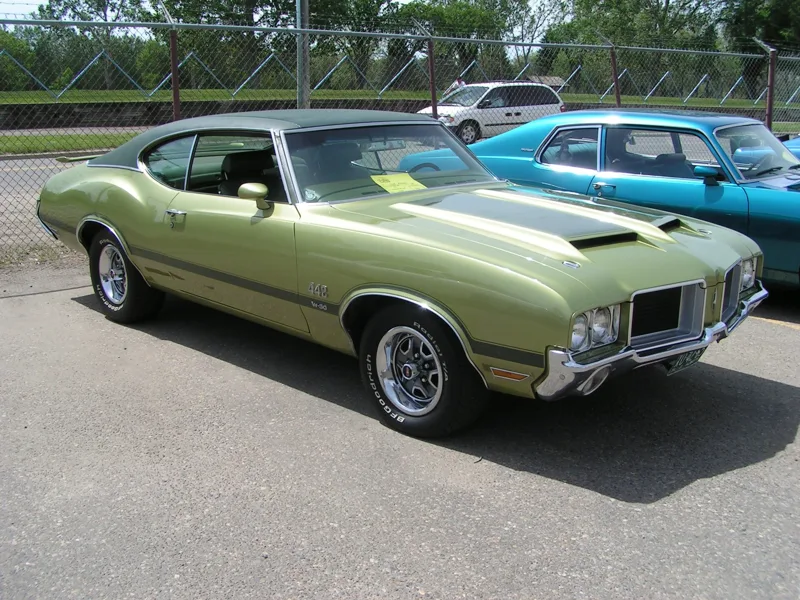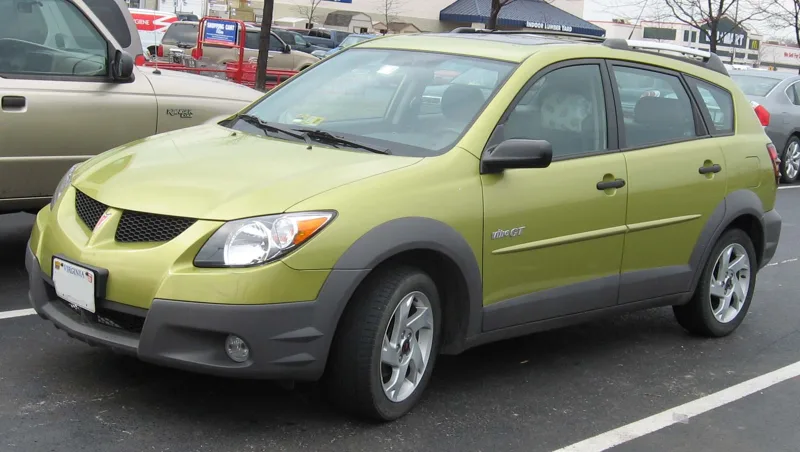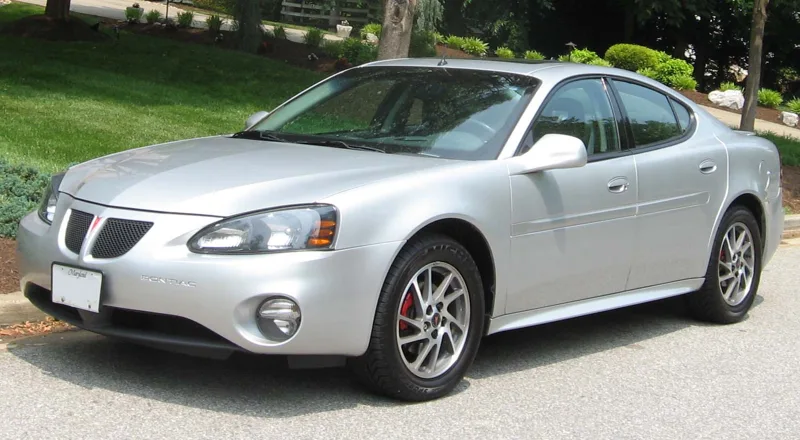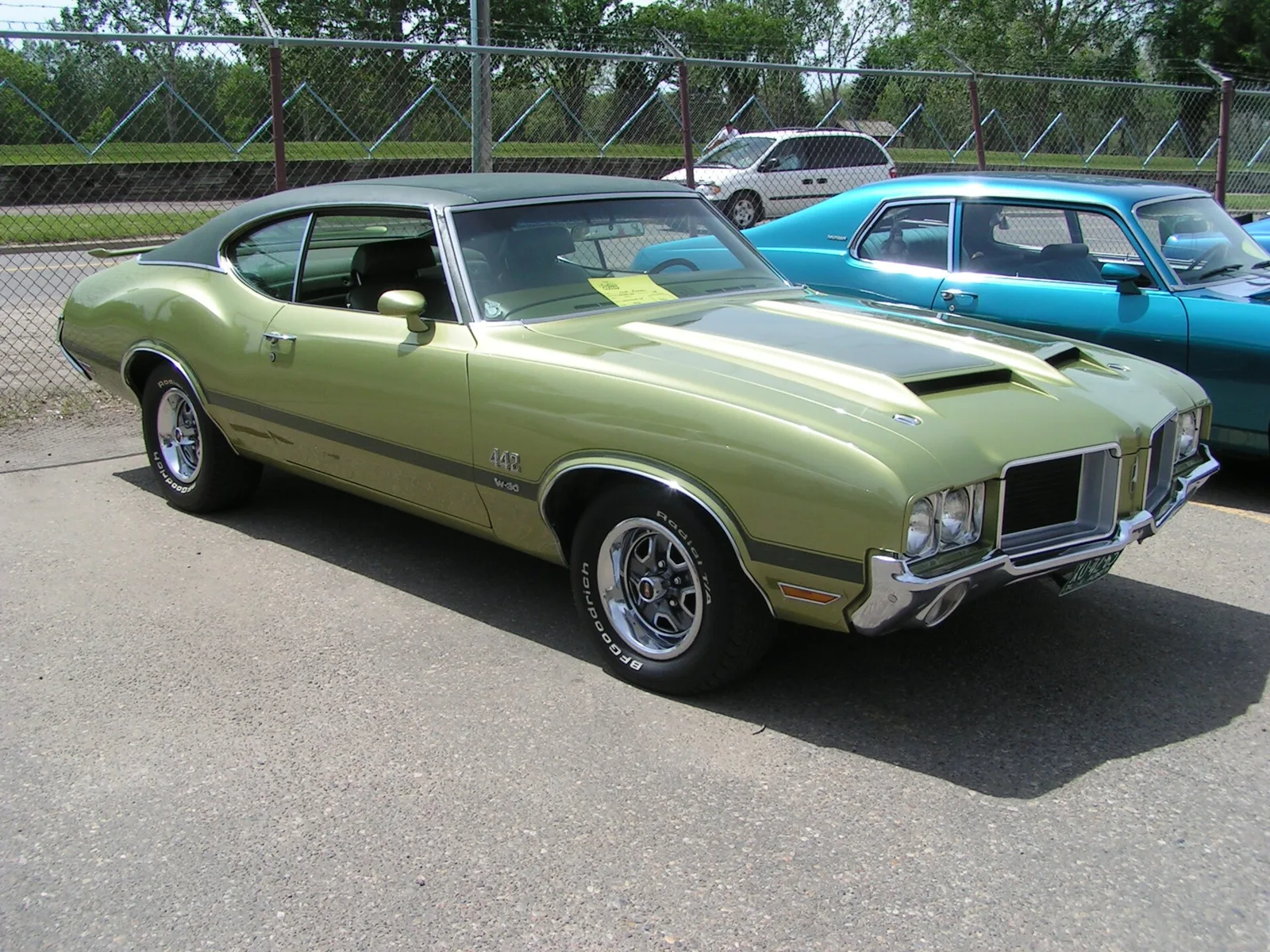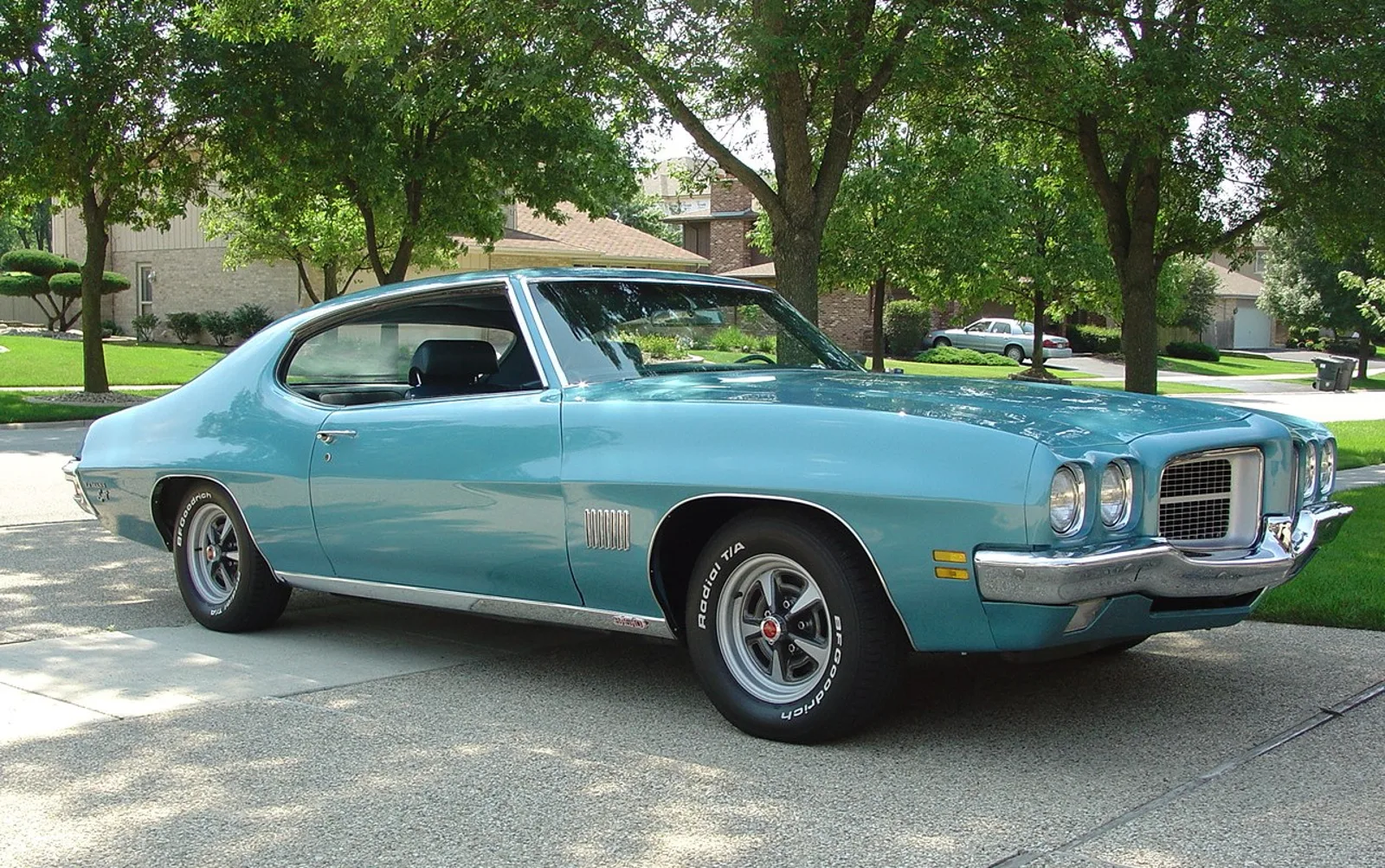
A trim package that grew into its own model and hosted the GTO option, and a rugged-looking minivan that replaced the Trans Sport and ended with the 2009 model year.
The Pontiac LeMans began in 1961 as a Tempest trim package, later hosting the GTO, and ran in several forms. The Montana was a Pontiac minivan sold from 1997 to 2009, successor to the Trans Sport.
The car most often called the first muscle car began as an option box on something else. The Pontiac GTO was a performance package ordered on a LeMans in 1964, which itself had started life three years earlier as a trim level on the compact Tempest. Decades later, the same family name sat on a very different Pontiac: a rugged-looking minivan called the Montana.
What was the Pontiac LeMans?
The Pontiac LeMans was a model name used by Pontiac, taken from the French city of Le Mans, home of the 24 Hours race first held in 1923. It began as a trim upgrade on the Tempest and became a separate model in 1963.
Its first five generations ran from 1961 until 1981 (1983 in Canada) as rear-drive cars, the first a compact and the next four intermediates. The name came back from 1988 to 1993 on a front-wheel-drive subcompact, a badge-engineered version of the Daewoo LeMans made in South Korea.
The first generation was cleverly engineered. Its front engine and rear transaxle came very close to an ideal 50/50 weight split, all four wheels had independent suspension, and buyers could order a Buick 215 aluminium V8. Later cars brought muscle: the GTO, the 1970 LeMans GT-37 package, and the luxury-minded Grand Am of 1973 to 1975 and Can Am of 1977, which tried to match European coupes by balancing handling against power.
The first muscle car began as an option on a trim package.
How did the LeMans start out between 1961 and 1963?
Late in the 1961 model year, the LeMans appeared as the top trim package for the compact Tempest, built on GM's new Y body platform. It added sportier and more luxurious equipment than the Tempest, including bucket seats and different badges, but only on the two-door pillared coupe.
For 1962 it was also offered as a convertible and with a four-barrel version of the 194.5 cu in (3.2 L) four-cylinder, though neither the LeMans nor the Tempest had a pillarless hardtop. In 1963 the name became a model in its own right on coupes and convertibles. That year's standard engine was the four-cylinder, with a 336 cu in (5.5 L) V8 optional.
Where did the GTO come from?
It came from a bigger LeMans. For 1964 Pontiac moved the Tempest to the new GM A platform as an intermediate. The LeMans kept its place above the base car, adding a deluxe steering wheel, courtesy lighting, full wheel covers and carpet on the lower door panels, and a two-door hardtop joined the range. A new 215 cu in (3.5 L) six and a redesigned 326 cu in (5.3 L) V8 appeared.
Soon after the model year began, the LeMans could be ordered with a new performance package, the GTO, short for Gran Turismo Omologato. It dropped in the 389 cu in (6.4 L) V8 from the full-size Catalina, with 242 kW (325 hp) from a four-barrel carburettor, or 260 kW (348 hp) in Tri-Power form, with three Rochester two-barrel carburettors.
The GTO went on to be credited with popularising the muscle car segment of the 1960s. By 1966 it was a separate model, though still based on the Tempest and LeMans bodies.
What changed from 1965 to 1967?
For 1965 the whole line was restyled, adding 79 mm (3.1 inches) of length on the same wheelbase and interior dimensions, along with Pontiac's vertically stacked quad headlights. Weight went up by about 45 kg (100 lb). A breakerless transistor ignition became optional, a four-barrel 326 High Output engine made 213 kW (285 hp) on Tempest and LeMans, and GTO ratings rose to 250 kW (335 hp), or 268 kW (360 hp) with Tri-Power. A four-door sedan joined the LeMans range.
The 1966 cars brought tunnel-back rooflines and a four-door hardtop in place of the pillared sedan. Under the bonnet came an overhead-cam 230 cu in (3.8 L) straight-six as the base engine, an idea of Pontiac chief engineer John DeLorean, who became general manager at the end of the 1965 model year, as was the early Tempest's rear-mounted transaxle. The one-barrel version made 123 kW (165 hp). A Sprint package added a four-barrel carburettor, higher compression, a hotter camshaft, a floor-mounted three-speed gearbox with Hurst shifter, a suspension kit and stripes, for 154 kW (207 hp). Buyers could also pick a 326 V8 with two barrels (186 kW; 250 hp) or the 326 HO (213 kW; 285 hp) with dual exhausts. In 1967 the Sprint's peak output rose to 160 kW (215 hp).
What was the LeMans like between 1968 and 1972?
A Safari station wagon came to the Tempest line in 1968, and a new engine replaced the 326. Built on existing Pontiac architecture, it used the stroke of the 389, 400 and 326 engines with the 326's bore widened, giving 353.8 cu in. Pontiac sold it as a 350. In 1968 it came as a 198 kW (265 hp) two-barrel at 9.2:1 compression or a 239 kW (320 hp) four-barrel at 10.5:1. The overhead-cam six grew from 230 to 250 cu in, with 175 hp in base form and 215 hp in Sprint form.
The 1969 four-barrel 350 gained ten horsepower to 246 kW (330 hp) from a different cam and big-valve #48 heads, the type used on the 366 hp Ram Air 3 and the 390 hp 428 HO. It was the last high-performance 350. The Sprint six reached 172 kW (230 hp) with a manual gearbox in its final year. Few people wanted it. It was outsold by the bigger-engined GTO, and after 1969 Pontiac replaced it with a Chevrolet-built 250 cu in (4.1 L) six as the base engine for 1970 to 1976.
| Generation | Years | Platform and size | Notes |
|---|---|---|---|
| First | 1961-1963 | Y body compact | Trim on the Tempest, then a model; four-cylinder or optional V8 |
| Second | 1964-1967 | A platform intermediate | GTO introduced in 1964; overhead-cam six from 1966 |
| Third | 1968-1972 | Intermediate | 350 V8; T-37 and GT-37 in 1970 |
| Fourth | 1973-1977 | Colonnade intermediate | Larger cars; Grand Am and Can Am |
| Fifth | To 1981 (1983 in Canada) | Rear-drive intermediate | Last rear-drive LeMans |
| Sixth | 1988-1993 | Front-wheel-drive subcompact | Badge-engineered Daewoo LeMans |
What were the T-37 and GT-37?
They were Pontiac's attempt to undercut Chevrolet. For 1970 the intermediate range was reshuffled into Tempest, Lemans, Lemans Sport, GTO and GTO Judge. The Lemans name moved down to replace the old Tempest Custom, and the previous top Le Mans became the Le Mans Sport. New for the year were Firebird-inspired bumpers, wraparound taillights and crease-style body lines, and a 246 kW (330 hp) 400 four-barrel was on the engine list.
In February 1970 Pontiac introduced the T-37 Hardtop Coupe, initially billed as General Motors' lowest-priced hardtop until a base Chevrolet Chevelle hardtop undercut it a few weeks later. It soon had a new option, the GT-37, a stripped muscle car with any of three V8s, Rally II wheels without trim rings, white-letter tyres, chrome-tipped dual exhausts, vinyl stripes, a three-speed floor shift, sport mirrors, bonnet pins and badging.
The Tempest name disappeared for 1971. The GT-37 returned as a package marketed as the GTO for kids under 30, with eyebrow side striping and, from mid-March, a reflective sword stripe known as the 1971 and a half. The 455 cu in V8, offered only on the 1970 GTO, could now be ordered across the intermediate range, including a 250 kW (335 hp) High Output version, although all 1971 engines were detuned with lower compression to run on low-octane fuel. Brakes were 9.5-inch drums.
By 1972 every Pontiac intermediate was a Le Mans. The T-37 became a base pillared coupe, the top model was the Luxury Le Mans, and the GTO dropped back to an option package on Le Mans and Le Mans Sport coupes. A new Le Mans GT option replaced the GT-37 and could be ordered with any V8 from the 350 two-barrel to the 455 HO.
How did the LeMans change in 1973?
It grew. From 1973 to 1977 Le Mans and the other GM intermediates became much larger, partly because of federally mandated 5 mph crash bumpers that added weight and length. The range ran from the base Le Mans through Sport Coupe and Luxury Le Mans (the Grand Le Mans from 1975) to the GTO in 1973 only, the Euro-styled Grand Am from 1973 to 1975 and the 1977 Can Am. All followed GM's Colonnade design with centre pillars for rollover safety and frameless windows, so there were no true hardtops or convertibles after 1972. Two-door coupes had fixed triangular rear side windows, covered with louvres on most models.
The 1973 cars kept the 112-inch (coupe) and 116-inch (sedan and wagon) wheelbases, wore single headlights and gained handling thanks to front suspension parts shared with the Firebird and Camaro, better rear coils and bias-belted tyres, with radials on the Grand Am. A Chevrolet 250 inline six was standard on base sedans and coupes. The Sport Coupe, Luxury Le Mans and Safari wagons got Pontiac's 350 V8 with two barrels and 112 kW (150 hp). The options were a 400 with two barrels (127 kW; 170 hp), a four-barrel 400 (172 kW; 230 hp), which was standard with the GTO package, and a four-barrel 455 (186 kW; 250 hp).
What was the Pontiac Montana?
The Pontiac Montana, called the Montana SV6 in its second generation, was a minivan sold by Pontiac from the 1997 to 2009 model years. It succeeded the Trans Sport, and the name first appeared in 1997 as a trim package on that van before becoming a model of its own for 1999 (2000 in Canada). At first it was priced between the Chevrolet Venture and the Oldsmobile Silhouette. Later it was slotted between the Chevrolet Uplander, the Saturn Relay and the Buick Terraza.
Pontiac styled it as the most rugged of GM's minivans, with two-tone lower body cladding that echoed SUVs. The second-generation Montana SV6, introduced for 2005, took on more aggressive looks and optional all-wheel drive. Pontiac Trans Sports and Montanas were the most popular minivans in Canada.
What was the first-generation Montana like?
From the 1999 model year the Trans Sport name was gone and the van was just the Montana. Its relatives included the Chevrolet Venture, the Oldsmobile Silhouette, the Opel and Vauxhall Sintra sold in Europe, and the first Buick GL8 built for China. Chevrolet also sold an almost identical twin in Europe as the Chevrolet Trans Sport.
Underneath it used the GMT200 platform, with a unibody structure instead of the space frame of the earlier GMT199 vans. Wheelbases were 112 inches for the short version and 120 inches for the long one. It had front disc and rear drum brakes, MacPherson struts at the front and coil-over springs at the back. The engine was the 134 kW (180 hp) 3.4 L V6 from the second-generation Trans Sport, with a four-speed automatic as standard.
The styling was more conventional than the "Dustbuster" look of the earlier U-body vans and echoed the third-generation Chrysler minivans. Dual sliding doors became standard by 1998. Inside, eight-passenger (2-3-3) and seven-passenger layouts (2-2-3 or 2-3-2) were offered, with second-row modular seats hiding built-in child restraints, and few minivans of the time seated eight. New were cabin air filters behind an access panel in the glove compartment, and OnStar stayed optional.
The van evolved quietly. In 2000 the instrument cluster was redesigned. A 2001 facelift brought a new front bumper and split grille, body-coloured B-pillars and a new steering wheel. For 2003 conventional head restraints replaced sporty ones, and anti-lock brakes became optional on the Montana and Venture, but stayed standard on the Silhouette until Oldsmobile ended in 2004. Pontiac built the last original-style Montana in September 2004, although the body continued for fleets in 2005.
What was the Montana Thunder?
It was the most up-level Montana, introduced in 2002, with Thunder badging, 16-inch chrome five-spoke wheels, an uprated ride and handling package, a spoiler on the roof rack and two-tone black and grey leather seats with a perforated leather steering wheel. The name had first appeared on a minivan concept at the 1998 North American International Auto Show.
Thunder was built in 2002 and 2003. In 2004 it became the Chrome-Sport package on Montana GT models, without the Thunder badges. A rare Versatrak all-wheel-drive version appeared around the same time and was almost identical apart from its headrests.
How safe was the Pontiac Montana?
Poorly, in the first generation. In 1996 the Insurance Institute for Highway Safety crash-tested a 1997 Trans Sport, the Montana's predecessor, in a 64 km/h (40 mph) moderate overlap test. The van suffered extreme damage and was rated Poor, named the worst-performing vehicle tested. The Chevrolet Venture and Oldsmobile Silhouette, with the same chassis and body design, shared the verdict, as did the early Montana. The institute reported major collapse of the occupant compartment, with the steering wheel snapping the dummy's head backward and the dummy's metal foot breaking off at the ankle.
In Europe the Opel and Vauxhall Sintra rated 2.5 stars in Euro NCAP's frontal test, aggravated when its steering wheel and airbag broke off the dashboard. The federal tests were kinder: NHTSA gave four stars for driver protection and three for the passenger in a 56 km/h (35 mph) frontal test, and five stars each for front and rear passengers in the side test. The problems were later addressed with the Montana SV6 and the related Uplander, which earned the institute's highest rating of Good.
What changed with the Montana SV6?
For 2005 the Montana was restyled with a higher, SUV-like front end and renamed the Montana SV6. The 2005 van used a 3.5 L V6 with 150 kW (200 hp) and 300 N m (220 lb ft). In 2006 a 3.9 L V6 with 179 kW (240 hp) and 332 N m (240 lb ft) arrived as an option, and GM badges appeared on the front doors. By 2007 the 3.5 was gone, leaving the 3.9 as the base engine, and the optional all-wheel drive disappeared because it could not handle the torque. A flex-fuel 3.9 was offered for the SV6 in 2007, but only in Canada and Mexico.
Only the long-wheelbase version was sold in the United States and Mexico. Like its cousins the Chevrolet Uplander, Saturn Relay and Buick Terraza, it was the second-costliest of the group. Mexico kept it through 2009 with the 3.9 L as the only engine, almost identical to the discontinued American version but different from the Canadian one. In parts of Canada, unsold 2009 vans were sold as 2010 models, and some became city taxis in Toronto and Montreal from 2010.
When did Pontiac stop making the Montana?
On 21 November 2005 GM announced that it would close the Doraville, Georgia, plant in 2008. Some months later it said the SV6 would end in the United States after 2006 because of poor sales, while production for Canada and Mexico continued because it sold better there. The last United States SV6 was built on 7 July 2006. Production for the other two markets ended with the 2009 model year, a year before the Pontiac brand folded, and Doraville closed on 26 September 2008.
The final vehicle off the line was a short-wheelbase Montana SV6 with a roof rack, finished in Liquid Silver Metallic and bound for the Marvin Starr dealership in Scarborough, Ontario. No direct successor followed from Pontiac in either country. When the full-size Lambda crossovers replaced the GMT200 platform, the GMC Acadia was the closest relative.