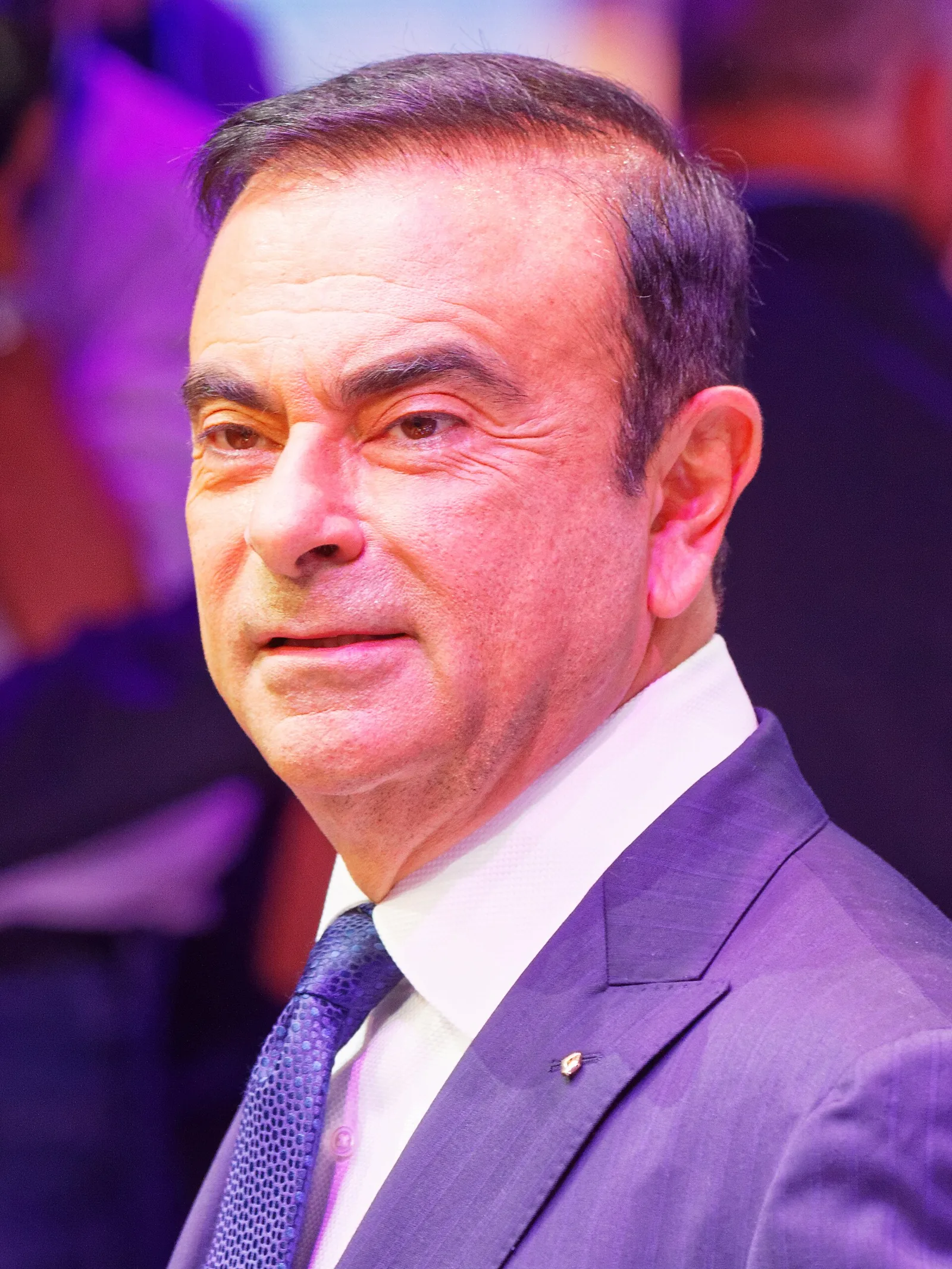
Two executives who took failing car makers and turned them round, and the very different ends of their careers: a death after surgery in Zurich, and an arrest in Tokyo followed by a departure from Japan.
Carlos Ghosn joined Nissan in 1999, cut 21,000 jobs and returned it to profit within a year. Sergio Marchionne turned round Fiat and, after 2009, Chrysler, merging them in 2014. Ghosn was arrested in Japan in November 2018 and later left the country; Marchionne resigned after surgery complications and died on 25 July 2018.
When Carlos Ghosn arrived at Nissan in 1999, the company carried net automotive debt of more than $20 billion, and only three of the 46 models it sold in Japan were making money. Turning that round was considered close to impossible. Twelve months into his three-year plan Nissan was back in profit.
A few years later another executive, Sergio Marchionne, took charge of a struggling car company, Fiat, and went on to rescue Chrysler too. The two careers ended in very different ways: Marchionne died in July 2018 after surgery complications, and four months later Ghosn was arrested in Tokyo.
Who is Carlos Ghosn?
Carlos Ghosn, born on 9 March 1954 in Porto Velho, Brazil, is a businessman and former car executive who has been chairman and chief executive of Renault and Nissan, chairman of AvtoVAZ and chairman of Mitsubishi Motors. His grandfather had emigrated from Lebanon to Brazil at the age of 13. At six, Ghosn moved with his mother and sister to Beirut, where he finished school with the Jesuits, before studying in Paris. He graduated as an engineer from the Ecole Polytechnique in 1974 and the Ecole des Mines de Paris in 1978.
Nissan had more than $20 billion of debt when Ghosn arrived, and only three of its 46 Japanese-market models made money.
From Michelin to Renault
His career began at Michelin, Europe's largest tyre maker, and lasted 18 years. After training in plants in France and Germany he became plant manager at Le Puy-en-Velay in 1981 and head of research and development for the industrial tyre division in 1984.
In 1985, aged 30, he took over Michelin's South American operations as chief operating officer and returned to Rio de Janeiro. The unit was losing money under Brazil's hyperinflation. He formed cross-functional teams to compare the habits of the French, Brazilian and other staff and pick the strongest, an experience that shaped his multicultural management style, and the division was profitable within two years.
He became president and chief operating officer of Michelin North America in 1989, moved to Greenville, South Carolina, and was made chief executive in 1990, overseeing a restructuring after Michelin acquired Uniroyal Goodrich. In 1996 he joined Renault as an executive vice president, and his radical restructuring helped bring the company into profit in 1997.
How did Carlos Ghosn rescue Nissan?
Renault and Nissan formed an alliance in March 1999, and in May Renault bought 36.8% of Nissan. Ghosn joined Nissan as chief operating officer in June 1999, became president in June 2000 and chief executive in June 2001, while keeping his Renault roles.
His Nissan Revival Plan, announced in October 1999, set three targets: a return to profit in fiscal 2000, a profit margin above 4.5% of sales by the end of fiscal 2002, and half the debt gone by the same date. He promised to resign if the goals were missed.
It came with heavy cuts. The plan called for 21,000 job cuts, 14% of the workforce and mostly in Japan, five plant closures, fewer suppliers and shareholdings, and the sale of assets such as the aerospace unit.
The culture changes
Ghosn was the fourth non-Japanese executive to lead a Japanese carmaker, and he broke with convention. He ended promotion by seniority and age. He turned lifetime employment from a guarantee into an aim for when the company performed well. He broke up the keiretsu, an interlocking network of parts suppliers that held shares in Nissan and were held by it, which earned him the nickname "keiretsu killer". An analyst quoted by The Wall Street Journal warned of possible public anger if Nissan cut its former affiliates out of the supply chain. Nissan's official language changed from Japanese to English, and executives from Europe and North America were included in global strategy sessions for the first time.
The results
| Measure | Before | After |
|---|---|---|
| Annual result | A $6.46 billion net loss the year before | Net profit of $2.7 billion in fiscal 2000 |
| Operating margin | 1.4% in fiscal 1999 | 11.1% in fiscal 2003 |
| Net automotive debt | More than $20 billion in 1999 | Eliminated in fiscal 2002 |
| Annual sales | 2.6 million in the year to March 2002 | More than 3.67 million in the year to September 2005 |
All the goals of the Revival Plan were met before 31 March 2002. In May 2002 Ghosn set the next targets, called Nissan 180 after the numbers 1, 8 and 0: one million more sales, an operating margin of at least 8% and zero net automotive debt. Nissan met them.
Ghosn at two companies, and the electric push
In May 2005 Ghosn also became chief executive of Renault, making him the first person to run two Fortune Global 500 companies at once. The next years brought offers. Investor Kirk Kerkorian bought 9.9% of General Motors in 2005 and urged it to merge with Renault and Nissan with Ghosn as chairman, but GM's management rebuffed the idea in 2006. That year Ford also offered Ghosn the top job, and he declined unless he became both chief executive and chairman, which Bill Ford Jr. would not allow.
In 2007 he committed 4 billion euros, more than $5 billion, to bring the alliance into zero-emission electric cars. The Nissan Leaf, which the company promoted as the first low-priced car producing no emissions, arrived in December 2010, and by 2017 the alliance was selling over double Tesla's volume of electric cars.
After the Japanese earthquake and tsunami of 11 March 2011, Ghosn visited the Iwaki engine plant, 50 km (31 miles) from the Fukushima Daiichi nuclear plant, and Nissan restored full operations well ahead of expectations. He was deputy chairman and then chairman of AvtoVAZ from 2012 to 2016. In February 2017 he announced he would step down as Nissan's chief executive on 1 April 2017 and stay as chairman, with Hiroto Saikawa succeeding him. In October 2016 Nissan had bought a controlling 34% of Mitsubishi Motors and Ghosn became its chairman, an alliance that ranked fourth among car groups behind Toyota, Volkswagen and General Motors.
Ghosn's other roles
Away from the car makers, Ghosn sat on the international advisory board of the Brazilian bank Banco Itau until 2015, and on an advisory board at the economics and management school of Tsinghua University in Beijing. He holds an honorary doctorate from the American University of Beirut and belongs to the Strategic Council of Saint Joseph University of Beirut. The European Automobile Manufacturers Association elected him its president in 2014 and 2015, and he serves as a governor of the World Economic Forum.
What happened in the Carlos Ghosn arrest?
Prosecutors in Tokyo took Ghosn into custody on 19 November 2018 on suspicion of financial misconduct at Nissan. The allegations were that he had under-reported his yearly pay and misused company money. Nissan's board ousted him, and on 26 November 2018 Mitsubishi Motors removed him as chairman.
During 2019 he was under house arrest and waiting for trial when he left Japan, concealed in a big box sent as cargo aboard a private plane.
Who was Sergio Marchionne?
Sergio Marchionne was born on 17 June 1952 in Chieti, Abruzzo, Italy, and died on 25 July 2018. At 13 he emigrated with his family to Toronto, and he held Canadian and Italian citizenship. He qualified as a certified general accountant and a barrister, studied philosophy at the University of Toronto and took a commerce degree in 1979 and an MBA in 1985 at the University of Windsor, plus a law degree from Osgoode Hall in 1983.
His first jobs, from 1983 to 1985, were at Deloitte in Canada as an accountant specialising in tax, followed by finance and corporate development roles at Lawson Mardon, Glenex and Acklands. At Algroup, based in Zurich from 1994, he became chief executive in 1997. He led Lonza after its spin-off and in February 2002 became chief executive of SGS in Geneva, where he was chairman from March 2006.
How did Marchionne turn Fiat around?
He joined the Fiat board in May 2003 and became its chief executive in 2004. He is credited with lifting Fiat Group, in under two years, to a place among the quickest-growing companies in the industry.
A Mediobanca analyst described his style in a 2009 interview as results-first and rather ruthless, firing roughly a manager a day at the start, thinning the layers of management and giving his own role a more direct view of the business.
How did Marchionne rescue Chrysler?
In 2009 Fiat Group formed a strategic alliance with the ailing American maker, with the backing of the US and Canadian governments and trade unions. When Chrysler emerged from Chapter 11 bankruptcy protection in June 2009, Fiat received a 20% stake and Marchionne was appointed CEO in place of Robert Nardelli. In less than two years Chrysler was back in profit and repaying some of its government loans.
In February 2011 he caused controversy in the United States by saying Chrysler's bail-out loans carried "shyster rates", then apologised at once. By July 2011, after Fiat bought out the stakes held by Canada and the US Treasury, Fiat owned 53.5% of Chrysler, and in September 2011 Marchionne became its chairman. Fiat and Chrysler merged on 1 August 2014 to form Fiat Chrysler Automobiles, then the seventh-largest car maker in the world.
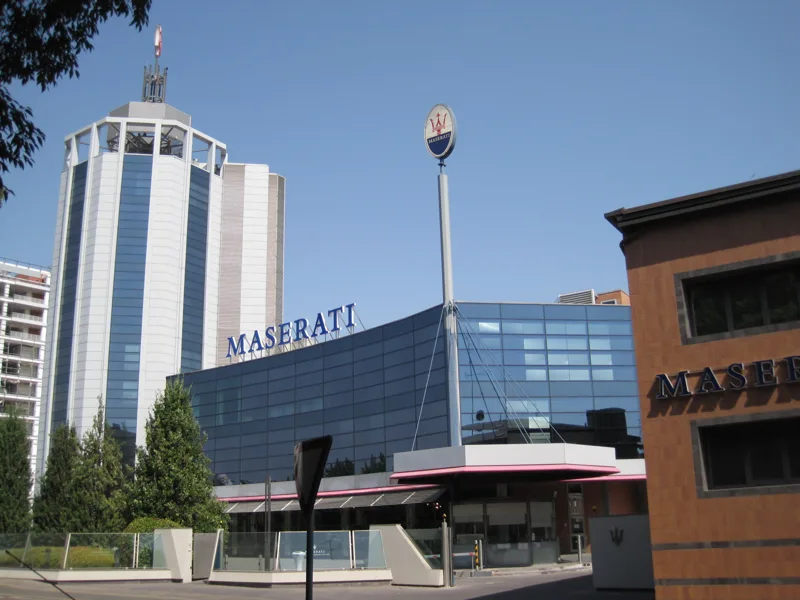
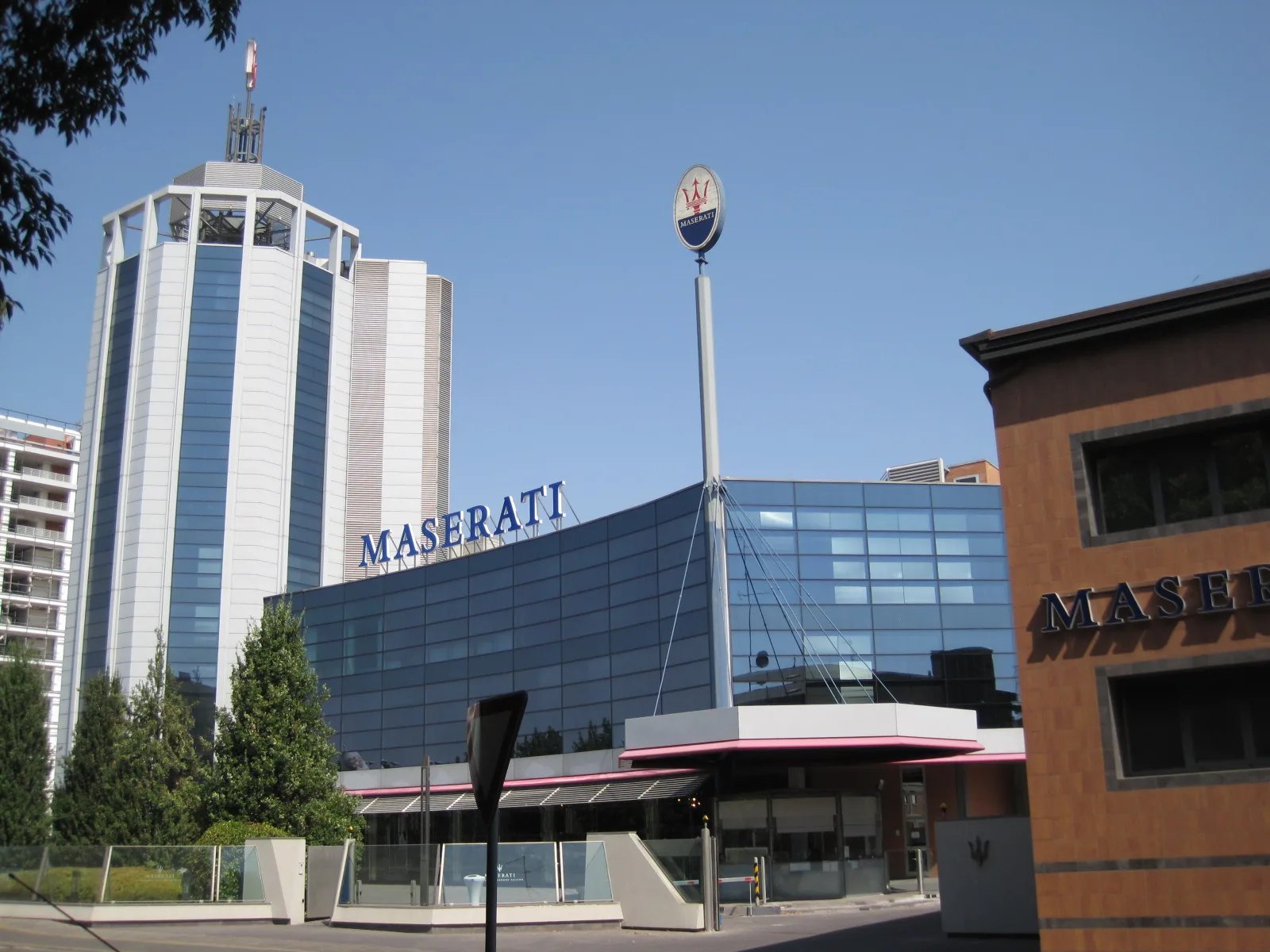
Marchionne also chaired CNH Industrial, served as chairman and chief executive of Ferrari, chaired Maserati, and chaired the European Automobile Manufacturers Association in 2012. In a much-regarded 2015 presentation, Confessions of a Capital Junkie, he argued for consolidation in the industry. In January 2017 the EPA accused Fiat Chrysler of installing software in EcoDiesel engines that let excess diesel emissions go undetected, which Marchionne denied.
Honours came late in his career. He was named a Cavaliere del Lavoro on 1 June 2006, received the Deming Cup for operational excellence from Columbia Business School in 2011, and the same year the Business Council for International Understanding gave him its Dwight D. Eisenhower Leadership Award. Universities from Windsor in Canada to Toledo in Ohio and Trento in Italy gave him honorary degrees.
He preferred black sweaters and jeans to suits. When FCA repaid its debt on 1 June 2018 he wore a tie, the first reporters had seen on him since 2007.
How did Marchionne's career end?
His last public appearance was in Rome on 26 June 2018, presenting a Jeep to the Carabinieri. FCA then said he was on medical leave for a shoulder operation at Zurich's university hospital, and announced on the day of the operation that complications meant he would not be back. On 21 July 2018 he resigned from all his positions, and he died on 25 July 2018, aged 66.
The cause was most likely complications linked to underlying cancer, and some reports said an invasive shoulder cancer. According to the hospital, his treatment for a serious illness had run for more than twelve months, and FCA did not know of his condition until weeks before his death.
Where the two stories go after 2018
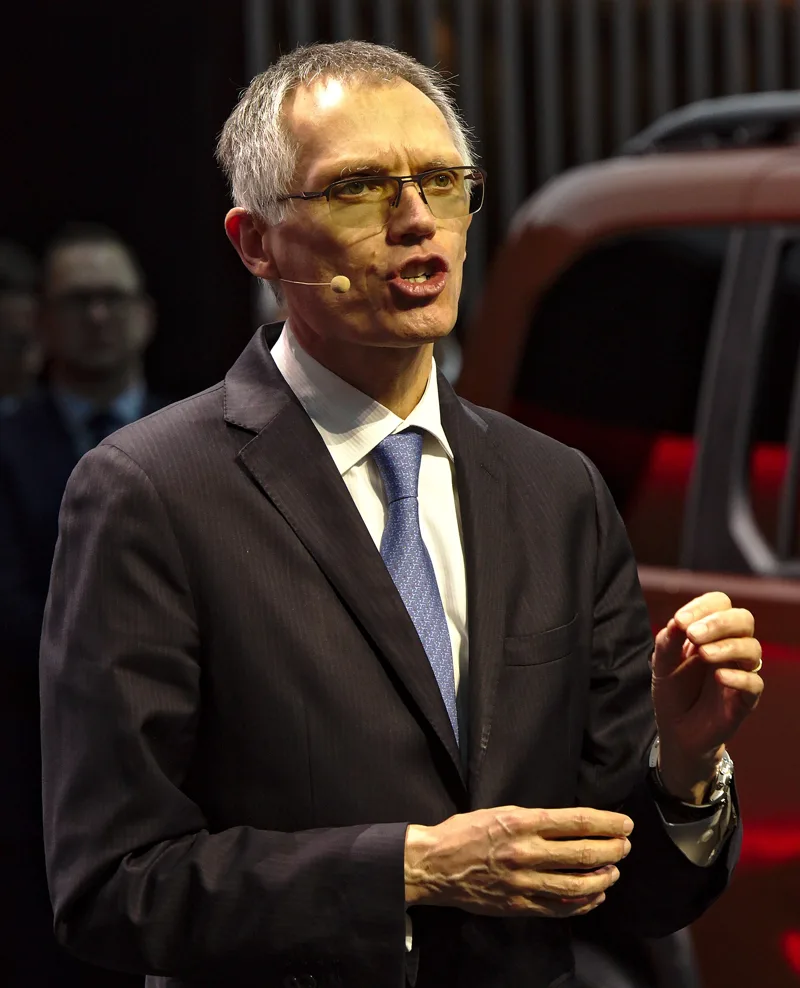
Marchionne's legacy includes the Istituto Sergio Marchionne high school in Amatrice, opened by John Elkann on 6 November 2019 and funded in the main by the proceeds of the 500th LaFerrari, after the 2016 earthquake. He was named World Car Person of the Year at the Geneva Motor Show on 5 March 2019 and entered the Automotive Hall of Fame on 18 July 2019. Carlos Tavares, regarded as Marchionne's unofficial heir, carried out a comparable rescue at PSA Group; PSA and FCA later joined to become Stellantis.