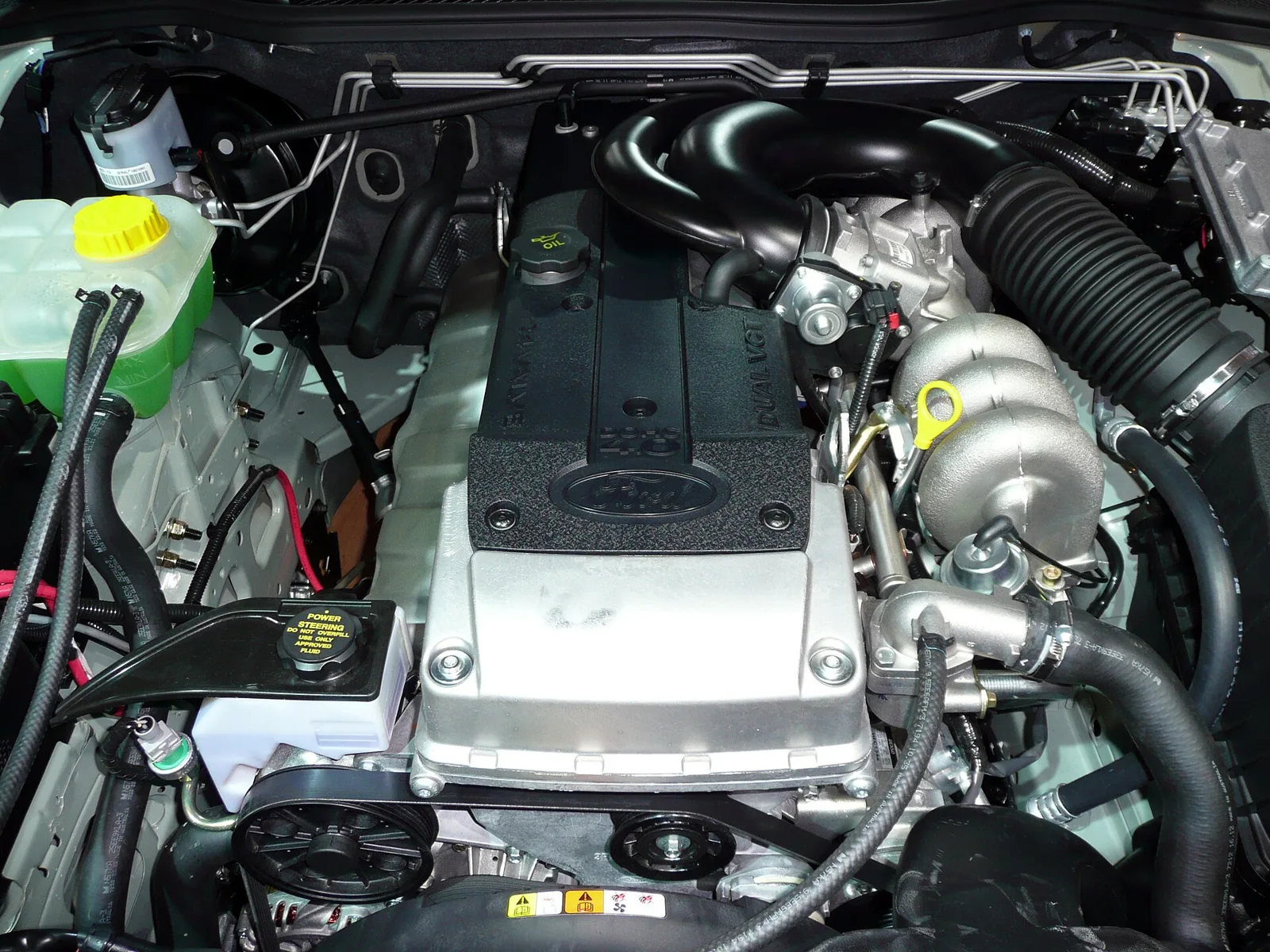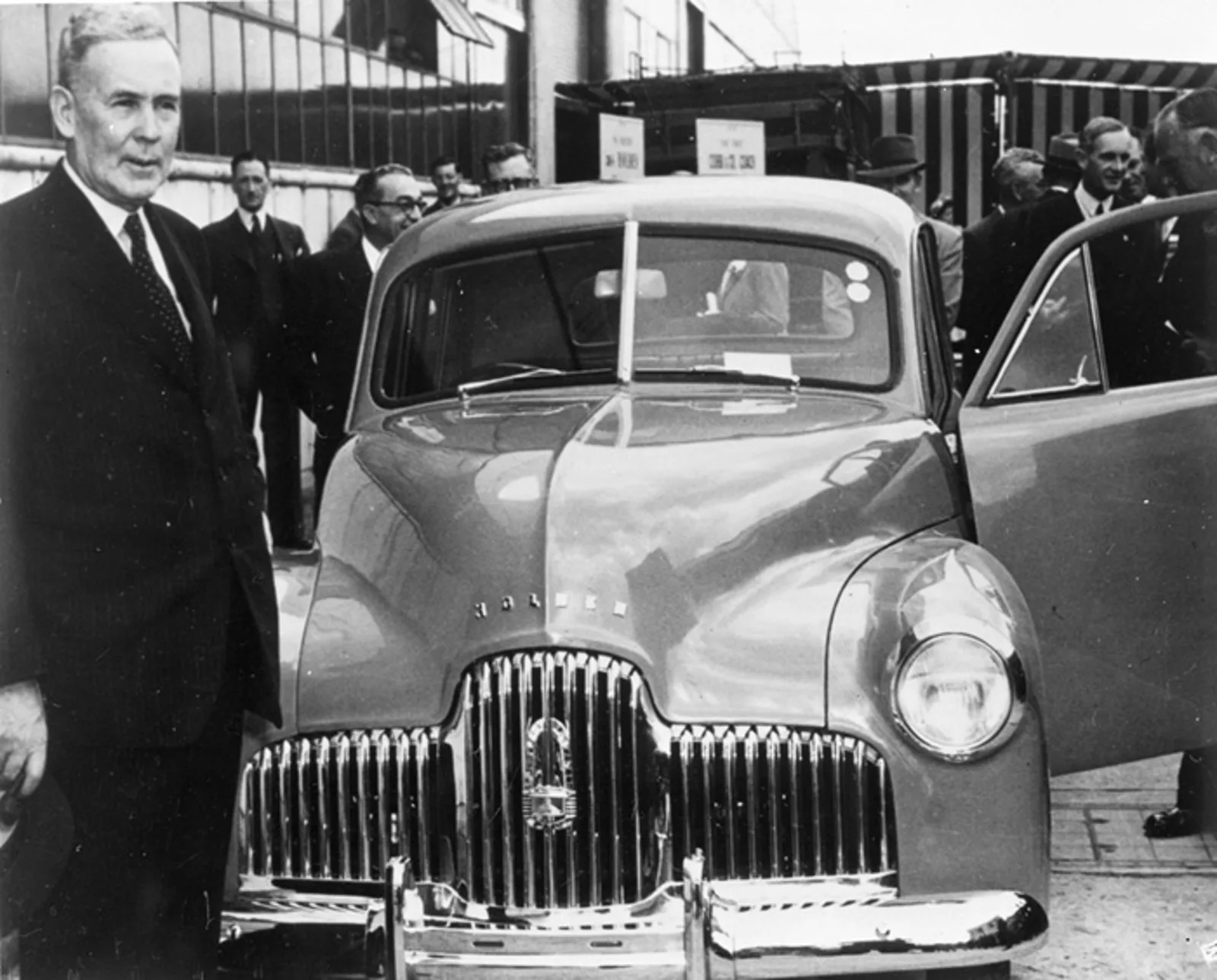
Ford, Holden and Toyota all announced their exits within a year, and by October 2017 the assembly lines were silent. Why they went, and what remains.
Australia stopped making cars because Ford, Holden and Toyota each concluded local manufacturing no longer paid, citing high costs, a strong currency and a small market. Ford ended assembly in October 2016, and Toyota and Holden followed in October 2017. Holden's brand was retired in 2020.
In 1958 Holden took more than half of all the new cars sold in Australia. On 20 October 2017 the last Australian-built Holden Commodore came off the line at Elizabeth in South Australia, and the plant shut for good. Holden had by then built nearly 7.7 million vehicles, yet within three years even the name was gone.
How big was the Australian car industry?
Bigger than most people remember. Local manufacture rose to almost half a million vehicles a year in the 1970s, enough for tenth place in the world, and still topped 400,000 in 2004. Australia was best known for large passenger cars. By 2009 output had slipped to around 175,000 and imports from Asia and Europe dominated the market.
Australia made cars almost from the start. Because of its isolation, it was more practical to build locally. The first true Australian cars were steam-powered, such as the Phaeton of 1896 from Herbert Thomson and Edward Holmes in Melbourne. In 1901 Harley Tarrant produced the first car with a petrol engine to be made wholly in Australia, built in a modest Melbourne shop around a rear-mounted 6 hp Benz engine. A 1917 rule demanded that car bodies be made locally.
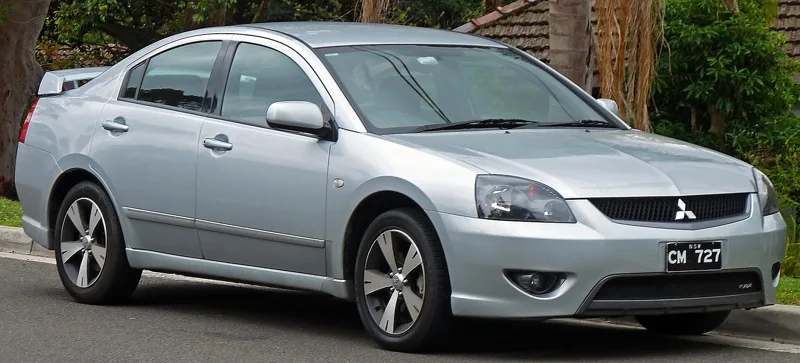
Ford was the first major carmaker, announcing in March 1925 that its Australian headquarters would be at Geelong in Victoria. The first Australian-built Ford, a Model T, followed in June 1925. Holden's 1948 model was the first mass production car of Australian design. Other names came and went. Renault ended assembly at Heidelberg in 1981, Nissan closed its assembly lines in 1992, and Mitsubishi shut its Tonsley plant in March 2008 after lacklustre sales of the large Mitsubishi 380 showed that domestic manufacturing was no longer viable.
Holden took more than half the market in 1958 and was gone, as a brand, by 2020.
How did Holden build Australia's own car?
Holden began in 1856 as a saddlery in Adelaide, drifted into car bodies and became part of General Motors in 1931. After the Second World War the government wanted an Australian-designed car. Ford's proposal was its first choice but needed heavy financial help, so GM's study won because it asked for less intervention. The design ended up adapted from a postwar Chevrolet idea that GM had earlier turned down, and the Holden launched in 1948 to waiting lists that ran through 1949 and beyond.
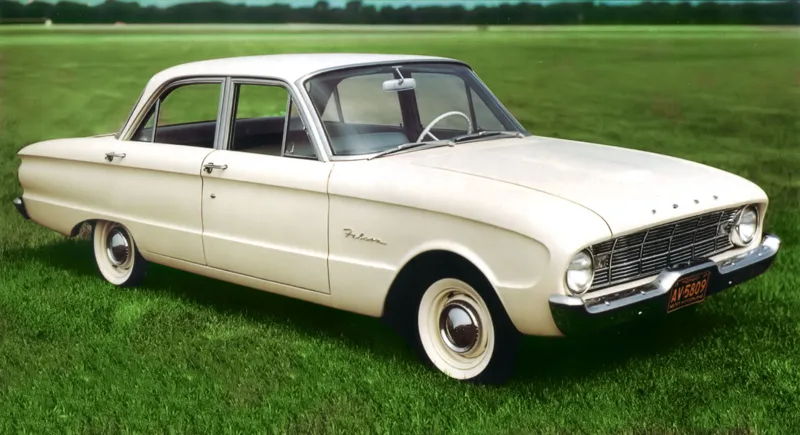
The 1950s belonged to Holden. Its 50-2106 coupe utility, nicknamed the ute, became the rural workhorse of choice, and a restyle in 1958 helped the company take more than 50% of the market. By 1959 Holden employed 19,000 people nationwide. Ford fought back with the Falcon, launched in 1960 only months after its US debut. It proved ill-suited to Australian roads, especially in the front suspension, and that sparked a major effort to improve it. The first true all-Australian Falcon, the XA, arrived in June 1972, and Falcons were fully Australian designed from then until 2016. Ford built more than four million of them between 1960 and 2016.
Holden also looked abroad. By 1957 its export markets had grown to 17 countries, and in 1966 its HR model made it the first Australian carmaker to fit front seat belts as standard across the range. The 1960s also brought the Torana, a development of the Vauxhall Viva that ended Vauxhall production in Australia.
Toyota's route was different. Assembly of Toyota vehicles by Australian Motor Industries began in 1963, the Altona plant started making engines in 1978, and the Camry was built locally from 1987 to 2017. In 1987 Toyota Australia and Holden teamed up in a body called United Australian Automobile Industries, answering the Button car plan, which meant Altona built Holden Apollos and Novas that were rebadged Camrys and Corollas while Holden built Toyota Lexcens that were rebadged Commodores. The one-millionth locally built Toyota came in 1992 and the two-millionth in 2004.
Why did Australia stop making cars?
Each company gave its own version, and they rhyme. Ford said in May 2013 that it was leaving because its manufacturing costs were uncompetitive and sales were lacklustre, on the back of an after-tax loss of A$141 million (about 90m pounds sterling or US$136m) in 2012. That followed A$290m in 2011 and A$600m in aggregate across the preceding five years.
Holden's own explanation was the high Australian dollar, expensive manufacturing and a domestic market too small. Its exit followed the revelation in 2013 that it had received A$2.17 billion in federal assistance over the previous 12 years, much more than had been estimated. The Australian public, for its part, blamed GM's repeated rebadging of the Holden range, which they felt weakened the brand's Australian identity, set models against each other inside the company and hurt recognition and desirability at home.
Toyota said the unfavourable Australian dollar made exports unviable, local manufacture was costly and competition was heavy in a relatively small market. The pressure had older roots. In 2009 Ford's parent, keen to avoid the bankruptcy filing that had already hit General Motors and Chrysler, started dropping overseas ventures, though by about July that year Detroit had agreed that Ford Australia could put a new small car on the Falcon line.
What were the last Australian-made cars?
By the end the lineup was narrow. Ford built the Falcon and the Territory crossover, which was often the country's best-selling SUV, on the same line. Holden built the Commodore, with the Caprice and Statesman as its long-wheelbase luxury cars, and in 2007 Ford had already cancelled the Fairlane and LTD, pointing to sliding sales and doubts about the future of big luxury cars. That left Holden's Statesman and Caprice as the sole extended-wheelbase luxury cars until 2017. Toyota's Altona line made the Camry, Camry Hybrid and Aurion, the last of which ran from 2006 to 2017.
Which carmakers left, and when?
| Company | Announcement | Local production ended | Reason given |
|---|---|---|---|
| Ford | 23 May 2013 | October 2016 (Broadmeadows assembly on 7 October) | Uncompetitive costs, lacklustre sales |
| Holden | 11 December 2013 | 20 October 2017, Elizabeth | Strong currency, high costs, small market |
| Toyota | 10 February 2014 | 3 October 2017, Altona | Weak exports, high costs, small market |
Ford Broadmeadows closed: how the Falcon line ended
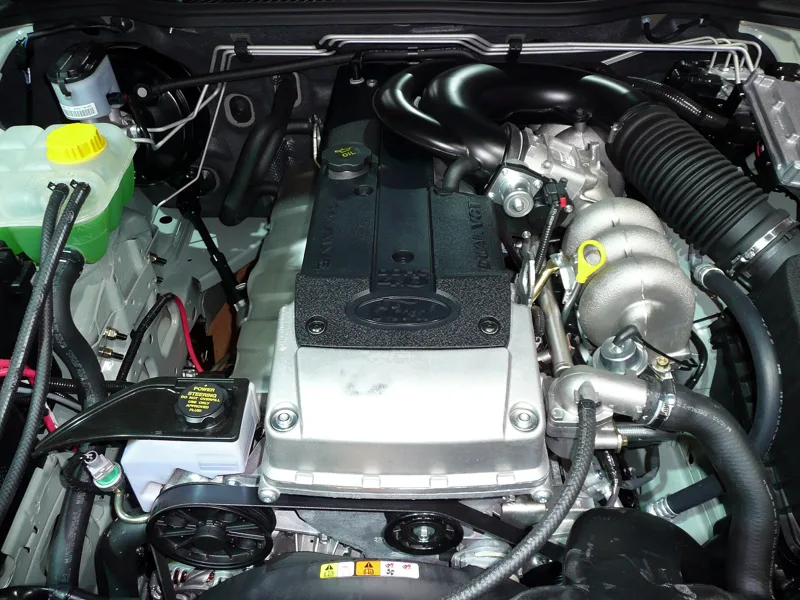
Both of Ford's main factories stood in Victoria: Norlane in Geelong, and Campbellfield in Melbourne's north, known as Broadmeadows. The announcement of 23 May 2013 said Ford would stop making cars in Australia after 88 years, with 1200 staff losing their jobs. The last straight-six and V8 built in Australia left Geelong on 26 September 2016, and Broadmeadows finished assembling cars on 7 October, which closed Ford's 88-year manufacturing history in the country. The Territory SUV, which had shared the Falcon's line from 2004, ended with it.
For most of its 56 years on sale the Falcon was a national icon, working as taxi, police car, family runabout and tradesman's transport, and winning at Bathurst. Its sister car, the Fairlane, had topped luxury sales for two decades before European imports took over. Ford Australia kept one of the company's five product development centres, and was expected to keep around 1300 employees in the country.
Holden factory closing: the last Commodore
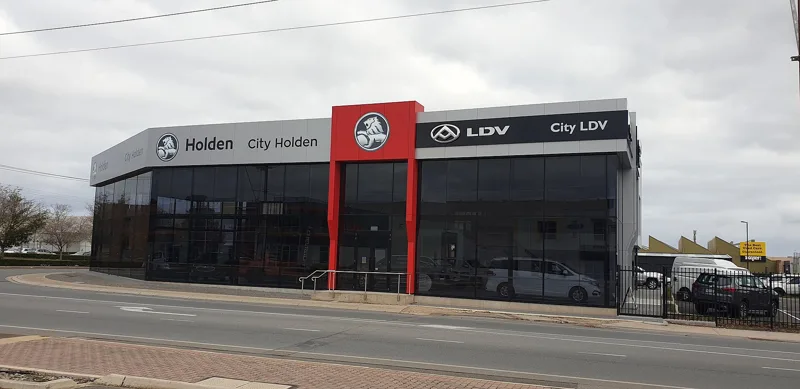
Holden announced on 11 December 2013 that it would wind up car and engine manufacturing before the end of 2017. Engine production at Fishermans Bend stopped on 29 November 2016, and on 20 October 2017 the final Australian-made Commodore was produced as the Elizabeth plant shut down. After that Holden turned to styling and importing.
The brand itself lasted less than three more years. On 17 February 2020, GM said the Holden name would be retired by 2021. Dealers were compensated as they closed, the company, 164 years old, stopped trading as 2020 ended, and its design studio at Fishermans Bend closed on 30 October 2020. GM Specialty Vehicles now imports the Chevrolet Silverado and the Corvette.
Toyota Altona closure: the last of the three
Toyota announced on 10 February 2014 that it would end its Australian vehicle and engine manufacturing before 2017 was out. The Altona plant closed on 3 October 2017, ending locally produced Toyota vehicles. The company said it would become a national sales and distribution business and that its workforce would shrink from 3,900 to 1,300.
Altona's three models were the Camry, its hybrid version and the Aurion, sold at home and abroad. Camry Hybrid production followed a $35 million federal subsidy, and the first locally made example was revealed on 11 December 2009 with Prime Minister Kevin Rudd at the wheel. Earlier trouble foreshadowed the end: in April 2012 Toyota retrenched 350 workers and was criticised for the way it was done, including security guards escorting sacked staff. And on 30 June 2016 the Toyota Technical Centre Australia in Notting Hill closed with the loss of 160 jobs.
What happened to the workers and suppliers?
The numbers are stark. Ford expected to keep about 1300 people while 1200 left, and Toyota's workforce was due to fall from 3,900 to 1,300. A last tyre factory had already gone in April 2010, when Bridgestone stopped production at Salisbury in South Australia.
The cuts continued after the factories shut. On 24 January 2019 engineers and designers were among the Ford workers in Victoria reported to be losing their jobs, with the company confirming that roughly 40 salaried staff, 75 hourly staff and 90 contractors at Broadmeadows, Lara and Geelong would be affected. Engineering work on the Ranger ute and other models, it said, would be led from the United States.
What did the closures leave behind?
Skills, for a start. Ford's design and development facilities stayed open, which leaves Australia as one of 13 countries able to design mass market cars from scratch. Ford's remaining Australian engineers kept what the company called a strategic role, a part in shaping a new mid-size pick-up. The Ford Discovery Centre museum in Geelong closed, and Deakin University took over the site.
Heavy vehicles carry on. Kenworth, which began Australian production in 1971 and builds trucks in Bayswater, Victoria, is the largest single-nameplate manufacturer in the country, and Volvo's Wacol plant in Queensland is now the largest vehicle plant. Iveco ceased local manufacturing at Dandenong in June 2022. Mass production of passenger vehicles ended when Holden left.
What does it mean if you buy or drive a car in Australia now?
Local car building has stopped, so a new passenger car arrives from overseas. Ford's range as of February 2024 includes the Mustang, Mustang Mach-E, Everest, Ranger, F-150, Tourneo and Transit models. Toyota led Australia's new car sales for eighteen straight years, 2003 to 2020, and its lineup runs from the Yaris and Corolla to the Land Cruiser, Hilux and HiAce.
Where this goes next
The Altona site has been given a second life. After closing, Toyota kept it for other functions, to host a Centre of Excellence and the Autodrome proving ground. In March 2019 it announced a Hydrogen Centre, with part of the money coming from the Australian Renewable Energy Agency, which was commissioned on 29 March 2021. It can produce up to 80kg of hydrogen a day using a 200kW electrolyser and will support the second-generation Toyota Mirai released in April 2021; the first batch was 20 cars for organisations and businesses.
The hydrogen station will be the first available to the public in Victoria, and the site also hosts a 30kW fuel cell that converts stored hydrogen back into electricity for backup power or the mains grid.