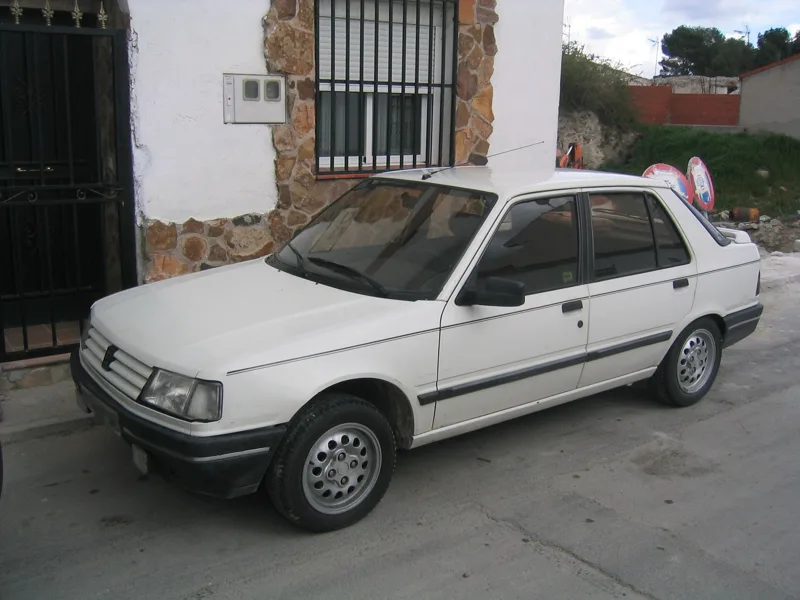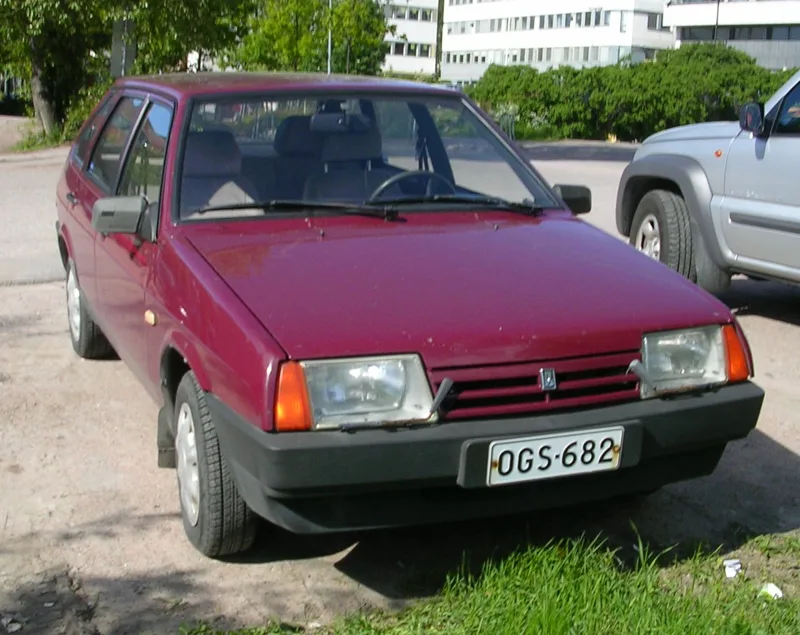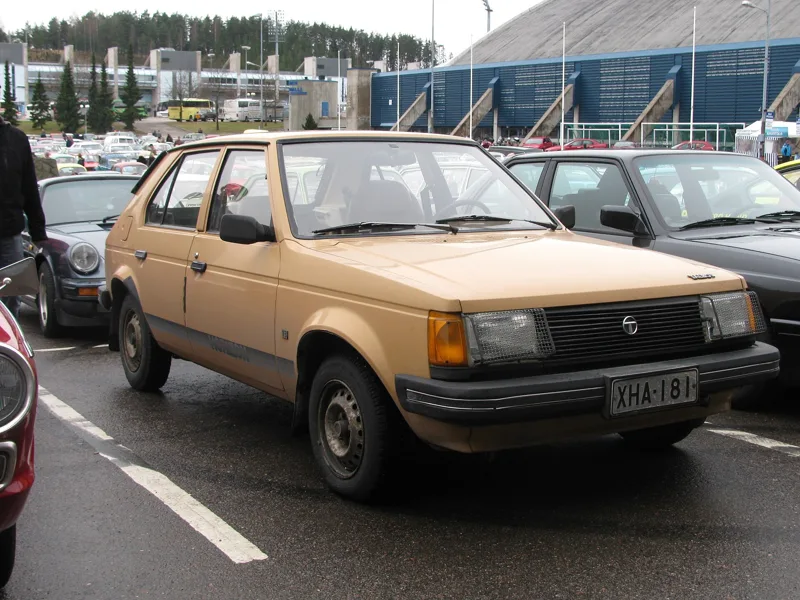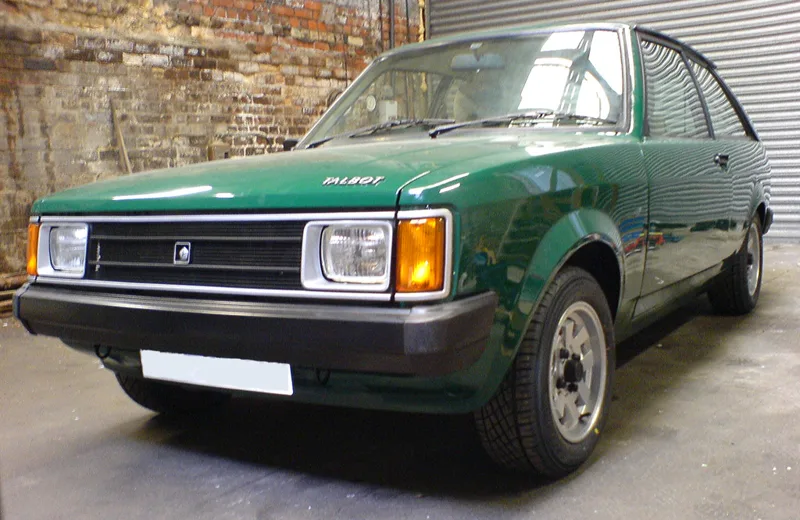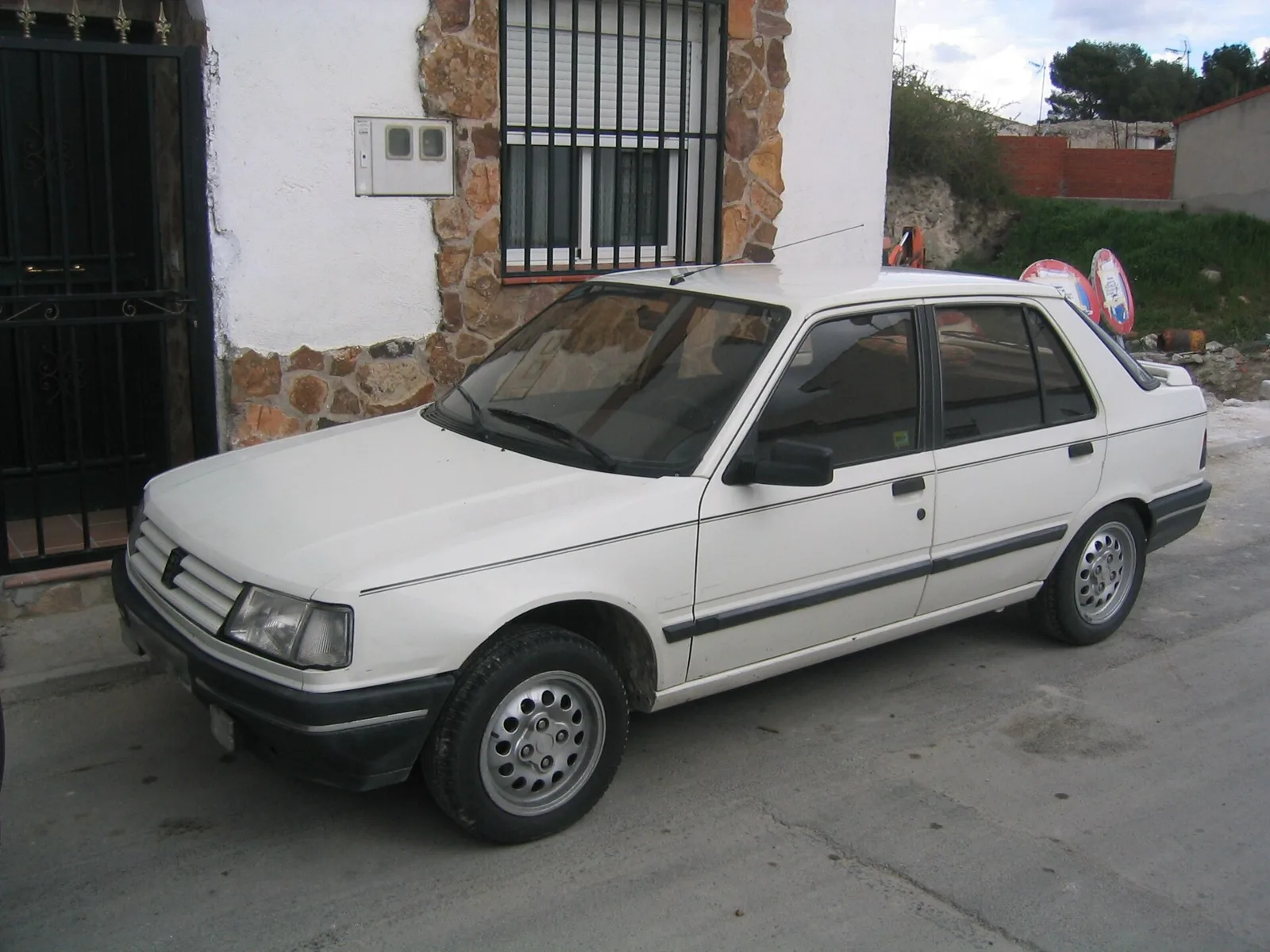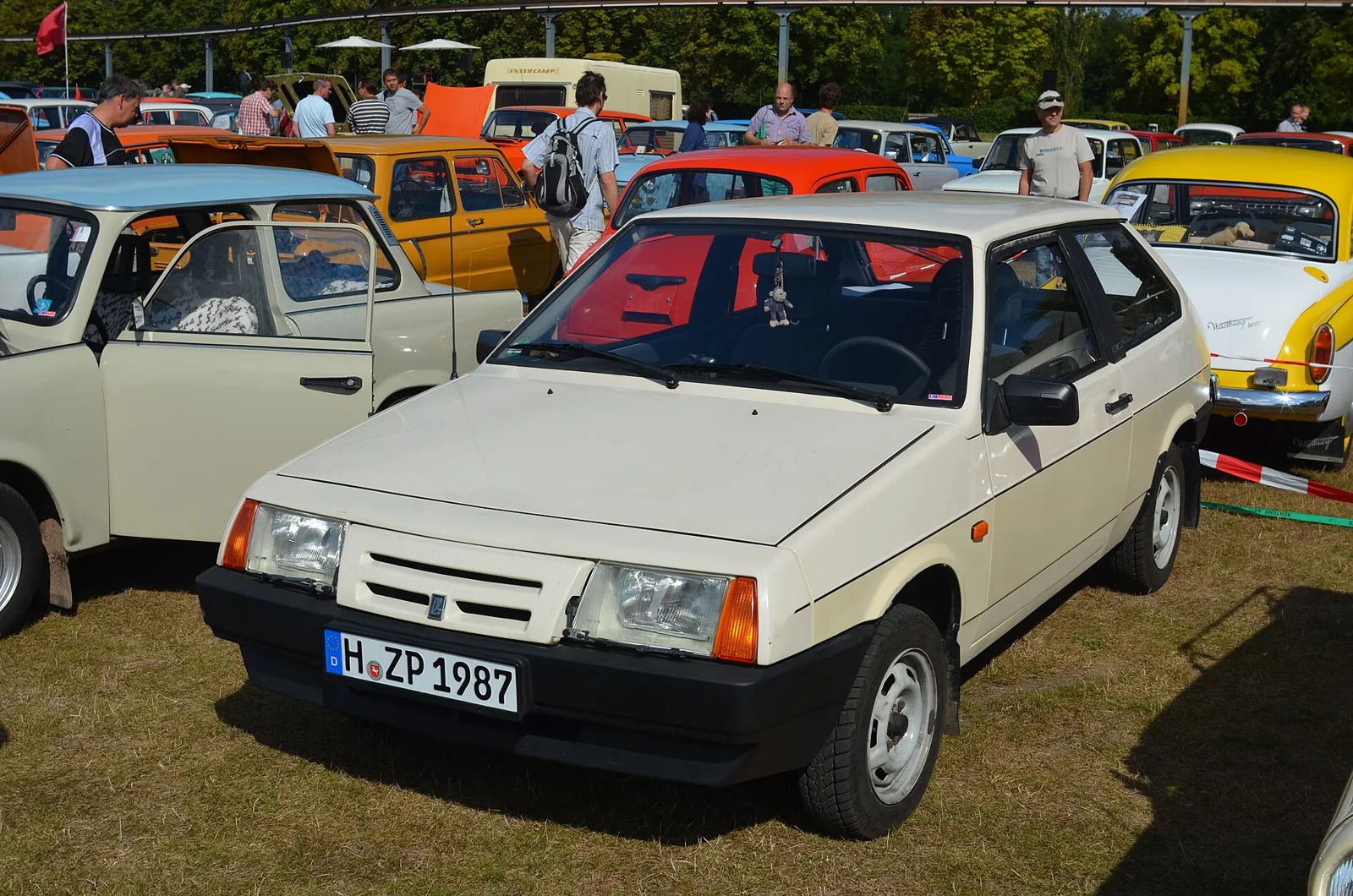
Both were front-wheel drive family hatchbacks of the 1980s, and both were sold in Britain, but their backgrounds and build quality could hardly differ more.
The Lada Samara, sold as the VAZ-2108 from 1984 to 2013, was a small Soviet family car with 1.1 to 1.5-litre engines and front-wheel drive. The Peugeot 309 was a small French family car built by PSA from 1985 to 1994, using a stretched Peugeot 205 floorpan and Simca-derived engines in its early years.
The Lada Samara and the Peugeot 309 were both small family cars of the 1980s with front-wheel drive, and both were sold in Britain. Their origins could hardly be more different, with one built in the Soviet Union for export and the other a French product with British roots through the Talbot brand.
Comparing them shows how a budget Eastern European design and a mainstream Western European car tackled the same family brief. The result was a sharp difference in refinement, though both aimed at the same kind of buyer.
How did the two cars come to be built?
The Samara's development decision was taken on 16 September 1978, with the aim of building a car that could sell strongly in Western European export markets. The first cars left the production line on 18 December 1984, as the VAZ-2108 in the Soviet Union and as the Samara for export.
The 309 was conceived as Projet C28, a replacement for the Talbot Horizon, and its development was carried out by the former Chrysler and Simca wing of PSA. Styling came from the former Chrysler-Rootes studios in Coventry, while much of the engineering was done at Simca's site at Poissy in France.
The 309 began life with a planned Talbot badge and the Arizona name. PSA decided in 1985 to discontinue the Talbot brand for passenger cars, so the car was marketed as a Peugeot instead, with Simca origins that the model number was meant to reflect.
A Soviet hatchback built for export and a French Peugeot built on a borrowed 205 floorpan, both aimed at the same family buyers.
How did the two cars differ in design?
The Samara's front suspension used MacPherson struts and its rear a torsion bar, and it had rack and pinion steering, another Soviet first. The first cars were three-door hatchbacks, joined later by a five-door and by models with 1,099 cc and 1,499 cc engines.
The 309 used a stretched Peugeot 205 floorpan and door shells, and its design was presaged by the 1982 Peugeot VERA Plus, a study claiming a drag coefficient of Cd=0.22. The reuse of the 205 door shells made the 309's styling somewhat awkward next to the 205 and 405 of the same era.
The Samara's saloon shared the three-door hatchback's sheetmetal forward of the C-pillar, which kept development costs down. The 1989 21099 saloon had a 200 mm longer rear overhang and an improved dashboard, and its styling later influenced the hatchback.
What engines did each car use?
The first Samara engine was a belt-driven SOHC 1,288 cc inline-four with 65 hp (48 kW), and the 1987 21083 used a 1,499 cc unit with 72 hp (53 kW). The Porsche consultants helped with the cylinder head, and the carburettors were developed with Solex.
The 309 started with Simca-derived 1118 cc and 1294 cc overhead-valve petrol engines from the Horizon, and Peugeot's own XU engines of 1580 and 1905 cc. In July 1986 the first diesels arrived, a 1905 cc XUD producing 65 PS (48 kW).
The 309 GTi used the 1905 cc XU9 from the 205 GTi, and later the TU Series engines of 1,124 cc and 1,360 cc replaced the Simca units in 1992. The GTi 16 used the XU9J4 engine from the 405 Mi16 and was sold only in mainland Europe.
The Samara's sporting versions were few. The 1.5 SLX launched with metallic paint in November 1989, and a sporty 1.5 Juno saloon followed in 1994, but the range was modest compared with the 309's GTi family.
How did production and sales compare?
Peugeot built 1,635,132 309s between 1985 and 1993, including 18,262 GTi and 5,896 GTi 16 models. Those volumes made the 309 a significant seller for Peugeot in the late 1980s. Production wound down as the 306 arrived, and only two Vital versions remained on sale until December 1993.
The Samara's production ran from 1984 to 2013, but its export phase was limited. It was sold in the UK from November 1987 until 4 July 1997, when VAZ withdrew from Great Britain and most export markets.
The 309 became popular in the United Kingdom partly because of its British origins at Ryton near Coventry, where right-hand drive models were built from October 1985. The Samara, by contrast, was engineered in right-hand drive for the UK market but struggled to sell in volume.
How were the two cars received?
The Motor magazine's road test scored the Samara more than 5 out of 10 in most aspects, praising its equipment and visibility, but criticising the cheap-looking interior and its turbulence on poor roads. The Samara came bottom of the 1996 and 1997 JD Power and Top Gear surveys in Britain.
The 309's reception in the record focuses on its popularity in the UK. Its Phase 2 update in 1989 answered criticism of the Talbot-designed dashboard, which was prone to squeaks and rattles, and a revised BE3 gearbox improved reliability.
The 309 was also significant as the first Peugeot to be assembled in the former Rootes factory at Ryton, which Peugeot had inherited with its buyout of Chrysler Europe in 1978. The factory later built the 306 and the 206.
Did either car race?
The record gives no motorsport results for the 309 in the material used here. The Samara's most notable competition result was in the 1990 Paris-Dakar Rally, where the Samara T3 came seventh in class. That competition record is the Samara's most distinctive link to motorsport in this comparison.
The Samara T3 was developed by the French concessionaire Lada-Poch together with NAMI and the Tupolev aircraft factory. Its success owed more to its Porsche-derived four-wheel drive and flat-six than to the Samara's production parts.
The 309's competition story is absent from the record, so its place in this comparison rests on road behaviour, production volume and the Phase 2 updates that refined the car in the late 1980s.
Which 309 trims and bodies stood out?
The XE and GE trims used the 1118 cc Simca or 1294 cc engine, with the X for three-door and G for five-door cars. Standard equipment was sparse, but options included a rear wash and wipe, side bump strips and a pop-up sunroof.
The GR Profile was built to compete with the Austin Maestro HLE, using the same G1A engine as the lower models plus lower rolling resistance tyres and aerodynamic tweaks. Its brochure claimed a three-mile-per-gallon fuel economy gain at a steady 75 mph (121 km/h).
The GLX brought a digital clock, a tachometer, a sliding glass moonroof and sports-style seats, along with a rear wash and wipe. Its bumpers could be body-coloured on some cars, with contrasting trim strips in red or silver.
How did the Samara and 309 change in their later years?
The Samara's versions ranged from the 1.3-litre to the 1.5-litre, with the 1.5 SLX adding metallic paint in November 1989. An updated Samara with all-new trim levels appeared in April 1991, and the sporty 1.5 Juno saloon arrived in July 1994.
The 309 reached India through Premier Automobiles Limited, which began local assembly in 1995 as a five-door. Diesel versions followed in 1997 with the 1527 cc TUD5 engine, producing 57 hp (43 kW), an engine also used by Maruti Udyog.
Peugeot ended its partnership with Premier in November 1997, although 309 sales continued into 1998. Labour and servicing issues had been holding the car back in the Indian market, so the parting was a practical one.
What were the two cars designed to achieve?
The 309 was not intended to replace Peugeot's own 305, and its number was chosen to distance it from the larger 305 in the marketplace. It was also the first Peugeot badged hatchback of its size, which made it an important step for the brand's small cars.
The 309's successor, the 306, was built at Ryton as well, and so was the 206, which was the last vehicle in production at the plant when it closed in December 2006. The Ryton line therefore linked the 309 to a longer chain of Peugeot models.
The Samara was a car for Western European export markets in its planning, and its designers compared it closely with the Renault 9, Volkswagen Golf and Ford Escort Mark III. Both cars were therefore built to meet rival models that were already established in those markets.
How did the British market view each car?
Buyers warmed to the 309 in Britain for its local identity at Ryton. That identity mattered to buyers in a market crowded with budget imports. Its Talbot-designed dashboard drew criticism for squeaks and rattles, and the Phase 2 update in 1989 replaced it with a one-piece design.
The Samara, by contrast, was judged on its price and its ruggedness. In countries where ruggedness mattered more, it sold reasonably well in Canada, Australia and Finland, and that record shows how the car found its audience outside Britain.
How do the specifications compare?
| Specification | Lada Samara | Peugeot 309 |
|---|---|---|
| Years built | 1984 to 2013 | 1985 to 1994 |
| Layout | front-wheel drive, MacPherson struts, torsion bar rear | front-wheel drive, stretched 205 floorpan |
| First engine | 1,288 cc SOHC, 65 hp (48 kW) | 1118 cc Simca OHV, or 1580 cc Peugeot XU |
| Largest petrol | 1,499 cc, 72 hp (53 kW) in 1987 | 1905 cc XU9 in the GTi |
| Diesel | no figure given | 1905 cc XUD, 65 PS (48 kW), from July 1986 |
| Top speed | 156 km/h (97 mph) for the 1.5-litre | no figure given |
| Built | no figure given | 1,635,132 cars, 1985 to 1993 |
| UK launch price | GBP 4,795 | no figure given |
| Drag coefficient | no figure given | Cd=0.22 for the VERA Plus study |
Which buyer suits each car?
The Samara suits a buyer who wants a robust, inexpensive family hatchback with a simple engine and the rough-road character of its Soviet design. The 309 suits a buyer who wants a French family car with a richer engine range, more trim choice and the Peugeot badge.
Buyers who prize a larger engine range and a more refined ride will look at the 309. Those who want an inexpensive car and accept a plainer interior may find the Samara meets the brief at a lower price.
The record gives no current values for either car, so a buyer should check present-day prices and condition before comparing purchase costs.