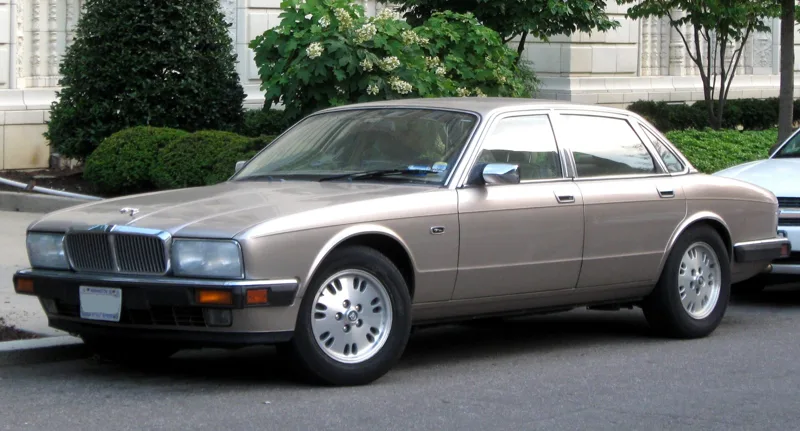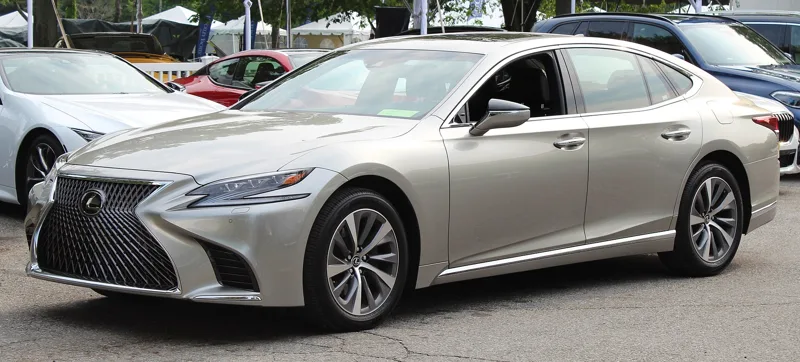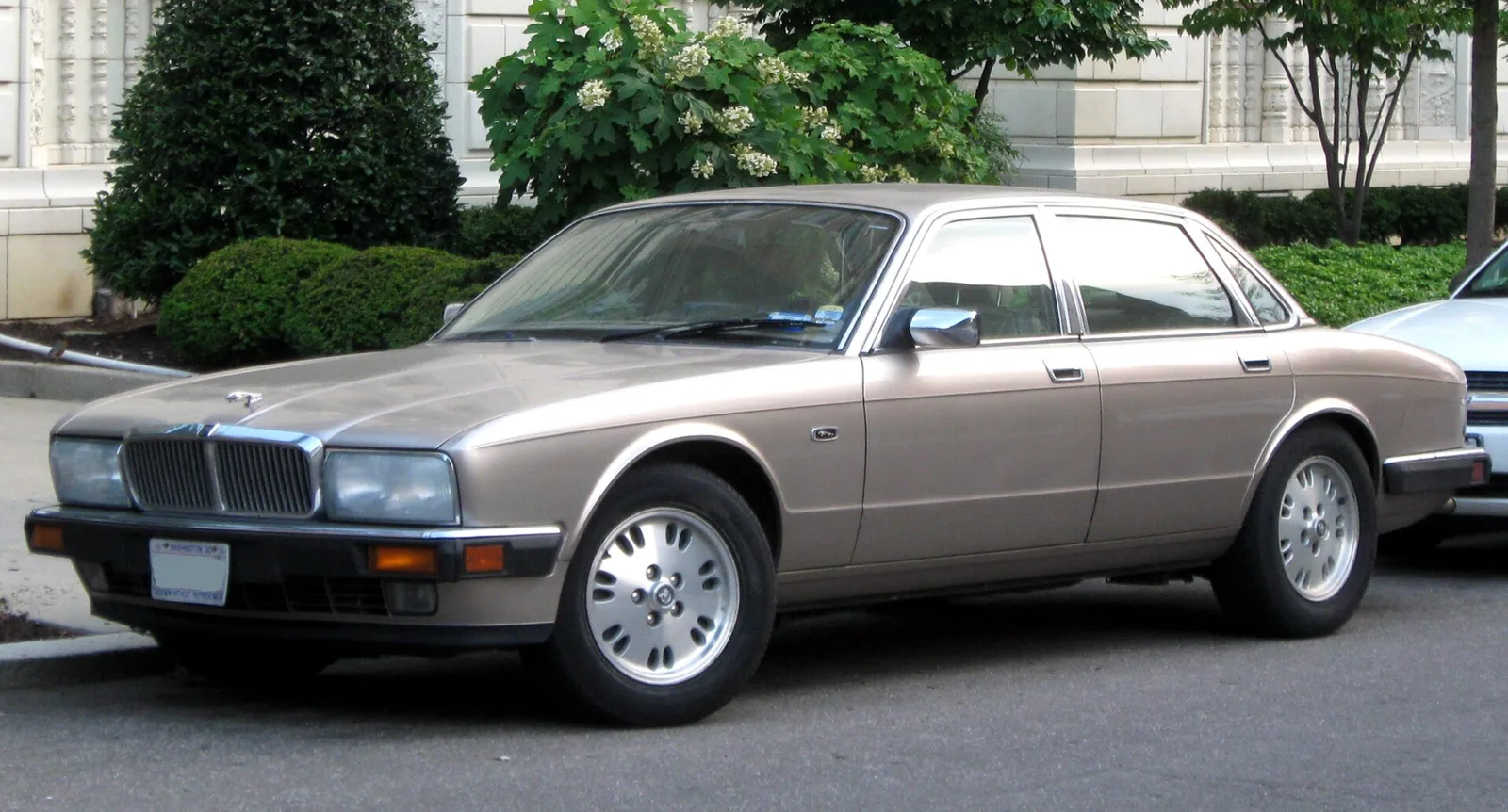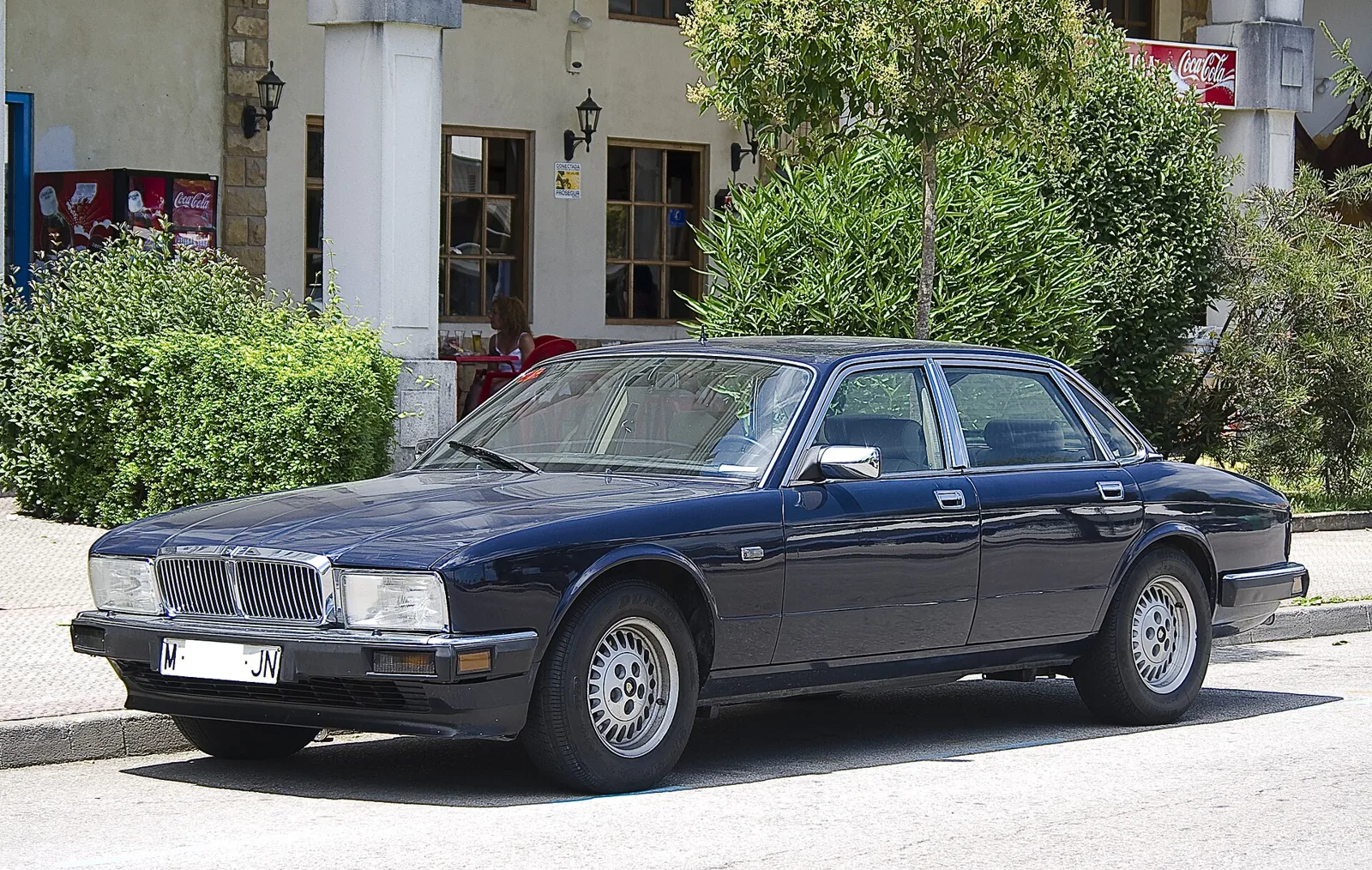
Jaguar's XJ40 was the last major Jaguar developed independently, while the Lexus LS 400 set the standard for a new luxury marque from its 1989 debut.
The Jaguar XJ40 was a full-size saloon built by Jaguar from 1986 to 1994, the last Jaguar developed independently before the Ford takeover. The Lexus LS 400 debuted in January 1989 as the first model developed by Lexus, with a 4.0-litre V8 and a US$35,000 starting price in the United States.
Jaguar's XJ40 and Lexus's LS 400 both arrived as flagships at the end of the 1980s. One was the last major Jaguar developed largely in the lifetime of its founder, and the other was the first model built by a new Japanese luxury brand. Their paths diverged from that point, and the record shows two quite different ways of building a flagship.
The XJ40 became the second-longest-running XJ platform, with a production run of 17 years, while the LS line went on through several generations into the 2000s. Both cars were shaped by the economics of their parent companies and by the pressures of the markets they were built for.
Why were the XJ40 and LS 400 compared?
Both cars were full-size luxury saloons aimed at buyers in the United States and Europe. The XJ40 was technologically overtaken by the BMW 7-Series, the Lexus LS 400 and the Mercedes-Benz S-Class, which is why the LS sits naturally beside it in any comparison of late-1980s flagships.
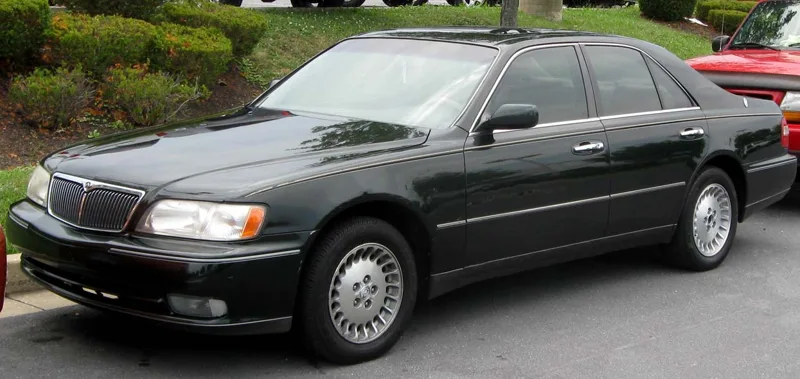
The two cars also arrived at a moment when Japanese makers were building dedicated luxury brands for North American buyers. Lexus and Infiniti were part of that wave, and the XJ40 was the British answer to a market that was changing quickly around it.
The XJ40's development was long and difficult. The project began in the 1970s, with scale models built as early as 1972, and the 1973 oil crisis and British Leyland's problems delayed the car again and again before it reached production.
Toyota's flagship had its own long gestation. The F1 project began in August 1983 as a secret flagship sedan, and the resulting car carried development expenses of more than US$1 billion. The LS was intended for export markets from the start, which shaped its design and its marketing.
A British saloon whose development outlasted its founder, set against a Japanese flagship that launched a whole marque in one model cycle.
How did the two cars differ in design?
The XJ40 replaced the curvy lines of the Series III with an angular, geometric shape, and it used 25% fewer bodywork panels per car than before. The LS 400 was styled with a drag coefficient of Cd 0.29, a California walnut and leather cabin and about 300 technological innovations.
The XJ40's interior used walnut or rosewood trim with cloth or leather upholstery. Its Vehicle Condition Monitor could report 34 functions on a dot-matrix display, but the binnacle was notoriously unreliable, which hurt the car's reputation for quality.
The LS 400's cabin offered an automatic tilt-and-telescoping steering wheel, a memory system for seat, mirror, steering wheel and belt positions and an optional Nakamichi sound system. The car was among the first luxury sedans to combine that steering wheel with an SRS airbag.
The XJ40's headlamps varied by market, with round lamps in a chrome housing on the base cars and composite rectangular headlamps on the higher trims. The LS 400's design was less about a visual signature and more about refinement, with sandwich steel body panels and fluid-damped cabin fixtures.
How did the engines compare?
The XJ40 started with 2.9-litre and 3.6-litre AJ6 six-cylinder engines, later replaced by 3.2 and 4.0-litre units, and the V12 arrived in 1993 as the XJ12. The LS 400's 4.0-litre 1UZ-FE V8 produced 245 PS (180 kW; 242 hp) and 350 N-m (258 lb-ft) of torque at launch.
The XJ40's gearboxes were ZF four-speeds for the six-cylinder cars and a GM 4L80-E for the V12, while the five-speed Getrag manual was fitted to early cars. The J-Gate selector introduced with the XJ40 remained a Jaguar staple until the 2008 XF.
The LS 400 ran a four-speed automatic with ECT-i electronically controlled shifts, a super-flow torque converter and a 0 to 100 km/h time of 8.5 seconds. Its top speed was 250 km/h (155 mph), and it was notably quiet, with a cabin measured at 58 dB at 100 km/h (62 mph).
Lexus improved the LS in 1994, with a second generation producing 194 kW (260 hp), with 366 N-m (270 lb-ft) of torque. It was 95 kg (209 lb) lighter than the original and reached 0-100 km/h in 7.5 seconds.
The XJ40 received its V12 only in 1993, because the original bodyshell had been engineered to prevent fitting V-configuration engines. The front structure had to be extensively redesigned before the XJ12 could go into production.
What trims and special models did each line offer?
The XJ40 range ran from the base XJ6 through the Sovereign and the Sport of 1993 to 1994, with the Gold model added in 1994. The Japanese Celsior, the domestic version of the LS, was sold in basic, uprated and fully equipped forms, which gave buyers a clear ladder of choice.
The XJ40's Majestic was a rare long-wheelbase model built in 1993 and 1994, stretched by Project Aerospace before returning to the production line. The Insignia programme offered bespoke paint, trim and wood, with 318 cars built.
Police versions gave the XJ40 a second life, with Staffordshire Police using the Police Special on the M6 until 1999. The LS line had no equivalent role in the record, which is one of the clearer differences in the two cars' service histories.
The LS 400's first generation sold over 165,000 units, and its second generation followed in 1994. Later models brought the LS 430 in 2000 and the LS 460 in 2006, so the line kept evolving well beyond the XJ40's lifespan.
How did sales compare?
The LS 400 sold strongly from its first year, and its US sales passed those of Mercedes-Benz, BMW and Jaguar models by 1990. The XJ40 faced early reliability problems that hurt its reputation, and it was quickly overtaken technologically by its German and Japanese rivals.
Lexus planned for about 50,000 cars a year to protect its quality standards, with 40,000 earmarked for the United States, 8,000 for Japan and about 2,000 for the rest of the world. The first generation eventually passed 165,000 units across its run.
Lexus recalled 8,000 vehicles in December 1989, a voluntary recall that helped build its customer service reputation. Consumer Reports later listed the LS 400 among long-lasting vehicles, which reinforced the brand's image for dependability.
The XJ40 suffered from electrical and build-quality problems in its early production years, and its protracted development meant it dated more quickly than its rivals. Jaguar's Sovereign, Sport and Gold versions kept it on sale until the successor arrived in 1994.
Japanese buyers saw the Celsior as an extravagant purchase, partly because of the country's dimension regulations and annual road tax. The LS nonetheless became the model that gave Lexus its place in the market, which the record credits as the foundation of the brand's launch.
How were the two cars reviewed?
The LS 400 was nearly universally praised for its high standards and levels of specification, and it won Car of the Year Japan in 1989 as the Celsior. The XJ40 was judged more harshly, mainly for its reliability and for technology that dated quickly.
The LS 400 finished last in a German comparison test by Auto Motor und Sport against the BMW 735i and the Mercedes-Benz 420 SEL, although it earned the highest marks for its power train in that test. The result showed how much European buyers valued bodywork, road holding and comfort.
The XJ40's instrument binnacle gained a reputation for false bulb failure warnings, and from 1990 the company redesigned it with analogue gauges. That change came too late to repair the car's early image in the market.
The XJ40's successor, the X300, was highly revised in almost all areas, while the LS line kept evolving through its generations with steady improvements in ride, refinement and performance.
Did either car race?
The record gives no motorsport results for the XJ40 or the LS in this comparison, so no race record can be credited to either car. Both cars were road-focused flagships, and their competitive history is essentially absent from the material used here.
The company's racing successes of the same period came from other cars, notably the XJR-9 that won Le Mans. Those results belonged to Jaguar's racing programme rather than to the XJ40 on the road.
Lexus's flagship was judged by road tests and customer records in the period covered here, so its reputation rests on owner experience and magazine testing rather than on any competition programme.
How do the specifications compare?
| Specification | Jaguar XJ40 | Lexus LS 400 |
|---|---|---|
| Launch | unveiled 8 October 1986 | debut January 1989 |
| Production run | 1986 to 1994 | first generation over 165,000 units |
| Engines | 2.9 and 3.6-litre AJ6 six-cylinder; V12 from 1993 | 4.0-litre 1UZ-FE V8 |
| Power | no figure given | 245 PS (180 kW; 242 hp) |
| Torque | no figure given | 350 N-m (258 lb-ft) |
| 0-100 km/h | no figure given | 8.5 seconds |
| Top speed | no figure given | 250 km/h (155 mph) |
| Gearbox | ZF four-speed; Getrag five-speed manual | four-speed automatic with ECT-i |
| Design drag | no figure given | Cd 0.29 |
| Launch price | no figure given | US$35,000 |
| Recall | no figure given | 8,000 vehicles, December 1989 |
The LS's performance figures are the more complete of the two, which reflects how much of its record survives in the material. The XJ40's engineering story is richer in its development history than in its raw figures, and that difference shapes how each car is best judged.
Which buyer suits each car?
The XJ40 suits a buyer who wants a British full-size saloon from the late 1980s and early 1990s, with walnut or rosewood trim and a link to Jaguar's last independently developed flagship. The LS 400 suits a buyer who wants a Japanese flagship with a strong record for build quality and a wide range of luxury features.
Buyers who value a record of long-lasting ownership will find the LS 400's reputation more reassuring. Those who prefer a British heritage, and who accept the early reliability problems of the XJ40, will find the Jaguar more individual in its character.
The record gives no current values for either car beyond the launch and special-edition figures quoted above, so a buyer should check present-day prices before comparing purchase costs.