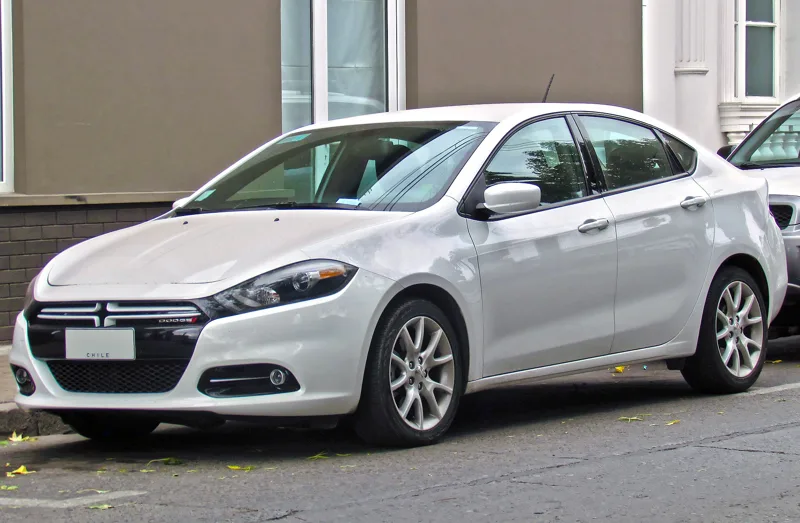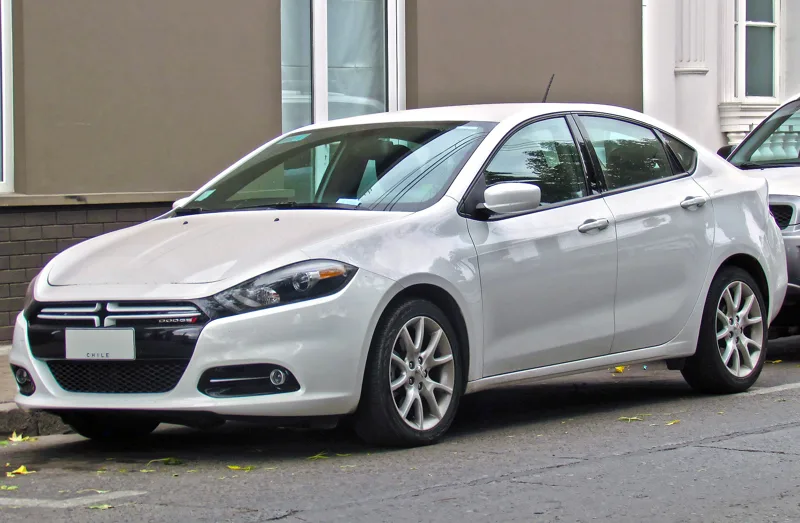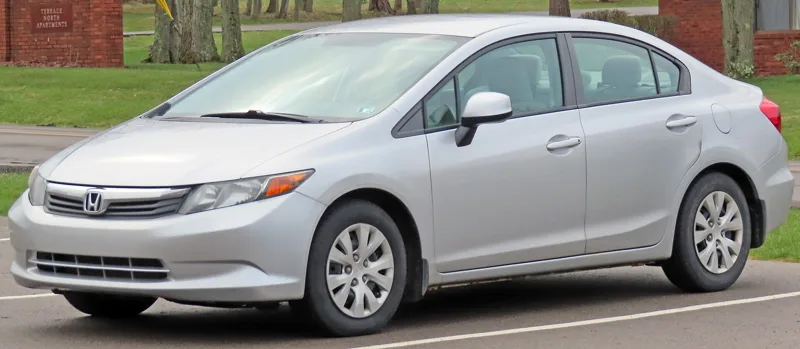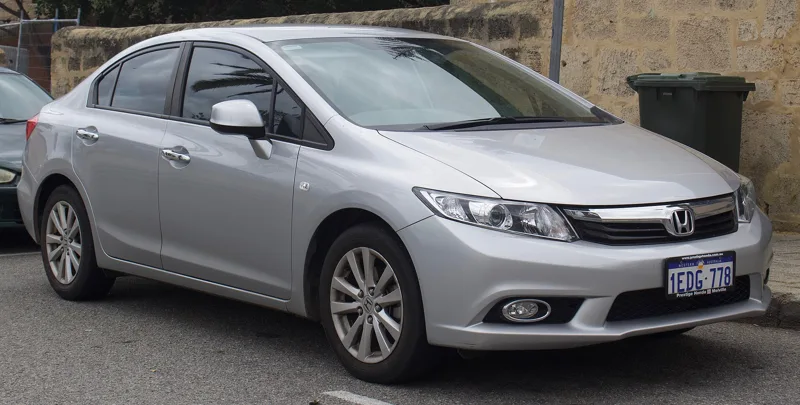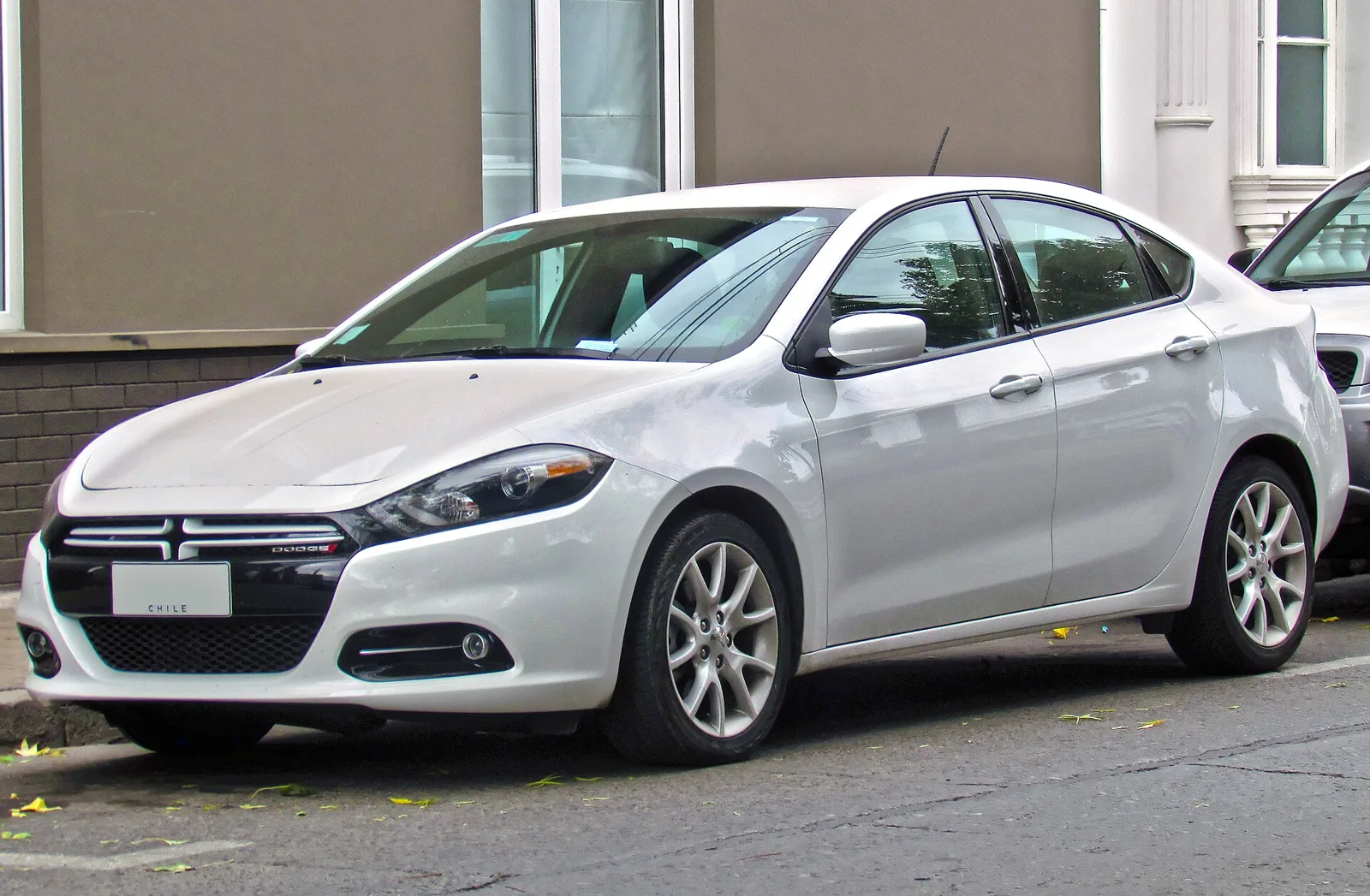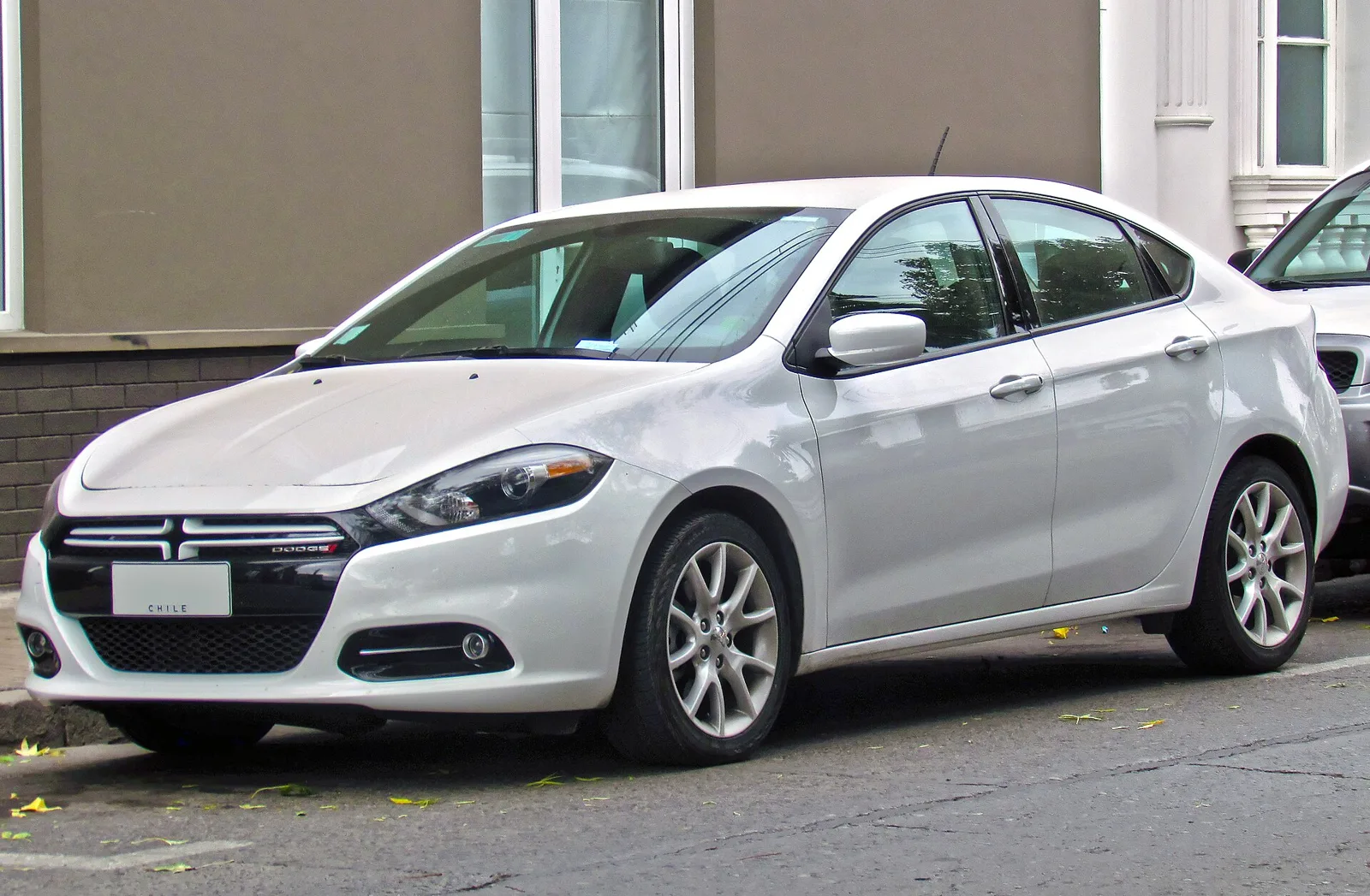
Two North American compact sedans from the early 2010s, one a Fiat-based Dodge revival and one a Honda that had to win back its critics after a rough first year.
The Dodge Dart was a Fiat-based compact sedan built from 2012 to 2016 with a 41 mpg Aero trim and 10 standard airbags. The Honda Civic ninth generation launched in North America in 2011, with a 41 mpg-US HF version and a hybrid, but it had to recover from weak 2012 reviews.
The Dodge Dart and the Honda Civic ninth generation were both compact sedans sold in North America in the early 2010s, and both were built around fuel economy. The Dart was a front-wheel drive Dodge on a Fiat-linked platform, while the Civic was Honda's new compact, which had to recover from a rough reception in its first model year. Their economy, reviews and safety records set them apart.
Where did each car come from?
The Dart debuted at the 2012 North American International Auto Show in Detroit as a four-door compact sedan from FCA US, a subsidiary of Fiat Chrysler Automobiles. In some non-US markets it was sold as the Fiat Viaggio, and it revived a Dodge nameplate used between 1960 and 1976.
The Dart was the brand's first compact sedan since the Neon was discontinued in 2005. Its story began as a mini MPV concept, the Dodge Hornet, shown in 2006 for Europe. That idea was dropped during the Great Recession, and after Chrysler's merger with Fiat in late 2010 the small car was reworked around a Fiat platform.
The Civic ninth generation replaced the eighth-generation car and launched in North America in April 2011, followed by Europe in February 2012 and Asia-Pacific in early 2012. It was developed in the shadow of the 2008 financial crisis, when Honda aimed for a smaller, lighter and more fuel-efficient car.
Honda's chief executive, Takanobu Ito, later took responsibility for the car's poor performance in the US. He said the company had judged that buyers would give up upscale content and quality for fuel economy and affordability, and that judgement backfired as rivals raised their compact cars.
A Fiat-based Dodge with a 41 mpg Aero against a Honda that had to rebuild its reputation after a rough start.
How did the platforms and designs differ?
The Dart used a modified Fiat Compact platform, shared with the Alfa Romeo Giulietta, and it was widened by 38 mm (1.5 in) and lengthened by 94 mm (3.7 in). Chrysler called the result the Compact U.S. Wide platform, and the work took about 18 months at a cost of US$1 billion.
The Civic's design was built on what Honda called a one-motion look, with a longer hood and a familiar profile. The new model was slightly smaller and lighter than its predecessor, and the sedan gained a different set of front-end and rear trunk details for markets outside North America.
The Civic sedan's 2012 model was roomier than the car it replaced. Passenger volume rose by 3.8 cu ft (108 L) to 94.7 cu ft (2,682 L), with about three inches more front elbowroom and two more inches of rear legroom.
The Dart's suspension used MacPherson struts at the front and an independent multilink arrangement at the rear. It was similar to the Giulietta's setup, but the chief engineer said it had been softened by taking a little edge off the handling.
What engines did the two cars use?
The Dart offered three engines. The base SE used a 160 hp 2.0-litre Tigershark four, a 1.4-litre MultiAir turbo at 160 hp came on the SXT and Aero, and a 184 hp 2.4-litre Tigershark arrived for the GT and Limited. The turbo engine was the same unit used in the Alfa Romeo Giulietta, retuned for American use.
The Civic's core engine was a 1.8-litre R18 four, and the Civic HF version was tuned to return 41 mpg-US (49.2 mpg-imp; 5.7 L/100 km). The HF also used low rolling-resistance tyres that cut rolling resistance by 20 per cent, along with underbody covers and a rear decklid spoiler.
The Civic Si had a 2.4-litre K24Z7 four producing 201 hp and 170 lb ft, with a 7,000 rpm redline and a six-speed manual with a helical limited-slip differential. Honda retuned the exhaust in early 2014 to raise output to 205 hp (153 kW) and 174 lb ft (236 Nm).
The Civic hybrid used a 1.5-litre i-VTEC engine making 90 hp with a lithium-ion battery, and it was rated at 44 mpg-US combined on the EPA cycle. That was a gain of 3 mpg-US over the previous hybrid, and the new battery was lighter and more powerful than the nickel-metal hydride unit it replaced.
Specifications side by side
| Feature | Dodge Dart (PF) | Honda Civic (ninth generation) |
|---|---|---|
| Debut | 2012 North American International Auto Show | North America April 2011; Europe February 2012 |
| Body styles | Four-door compact sedan | Sedan, coupe, hatchback and Tourer estate |
| Drive | Front-engine, front-wheel drive | Front-wheel drive |
| Base engine | 2.0-litre Tigershark, 160 hp | 1.8-litre R18 four |
| Turbo or sporting engine | 1.4-litre MultiAir turbo, 160 hp | 2.4-litre K24Z7 in the Si, 201 hp (205 hp from 2014) |
| Hybrid | No figure | 1.5-litre i-VTEC hybrid, 44 mpg-US combined |
| Highest economy | Aero rated 41 mpg highway; combined 40 mpg-US version | HF rated 41 mpg-US on the highway |
| Trunk or cabin | 13.1 cu ft (370 L) trunk | 94.7 cu ft (2,682 L) passenger volume in the 2012 sedan |
| Transmissions | Six-speed manual, six-speed automatic, six-speed dual-clutch | Five-speed automatic on HF; six-speed manual on Si |
| Airbags | 10 standard | No figure |
| Safety results | IIHS five stars (2013); Top Safety Pick (2012) | No figure |
| Production | Belvidere Assembly Plant; ended 2016 | Built 2011 to 2016; Swindon for Europe's hatchback and Tourer |
| Reception | Built around sales that were poor enough to end production | 2012 reviews lackluster; 2013 refresh followed |
Which car was more economical?
The Dart's Aero trim was the economy specialist, with an EPA rating of 41 mpg on the highway and a dual-clutch automatic. A Dart version that managed an unadjusted combined 40 mpg-US (5.9 L/100 km) helped Fiat acquire an extra 5 per cent share of Chrysler Group, which shows how much economy mattered to the programme.
The Civic's economy story was wider. Two versions reached 41 mpg-US or above in US government testing, and the car's aerodynamic work included parts under the engine bay and the fuel tank and a new flat underfloor. The result was a drag coefficient reduced by 3.4 per cent.
Weight was another route to economy for Honda. Its use of high-strength steel rose to 55 per cent on the sedan, and the body was 7 per cent lighter. The LX with an automatic was almost 50 lb (23 kg) lighter than before.
What did the Civic's sporting versions add?
The Civic Si was offered as a coupe and a sedan, and its 2.4-litre K24Z7 kept the 11.0 to 1 compression of the eighth-generation car's engine despite a longer stroke. Its 201 hp figure was a step up on the outgoing Si, and the 7,000 rpm redline and fuel cut at 7,200 rpm reflected a revving character.
The Si's chassis was stiffened and the sway bars were changed to 18 mm front and 15 mm rear. Its EPA highway rating was 31 mpg-US, an increase of 2 mpg-US over the previous Si, and the interior gained a rev limit indicator and a power meter in the new intelligent display.
Japan received only one special Civic, a limited run of 750 Civic Type R cars, and the Type R was based on the hatchback that also formed the European range. Japanese buyers had no other ninth-generation Civic until the tenth generation arrived in 2017.
How were the cars reviewed?
The 2012 Civic received generally lackluster reviews, with many critics pointing to cheap interior materials, worse driving dynamics and modest exterior changes. Consumer Reports removed the 2012 Civic from its Recommended list of compact cars, which it had held for many years.
Edmunds reported excessive wind noise, cheap interior plastics and a small trunk on the same car. Honda responded with a heavily revamped 2013 model that promised improved styling, driving dynamics, interior quality and ride quality.
The Dart's own story ended with poor sales numbers, and production stopped in 2016. The Dart SRT4 that had been planned for December 2016 was cancelled along with it.
What did the 2013 refresh change?
The 2013 Civic sedan got a fresh nose, with a honeycomb-patterned U-shaped grille and chrome trim in place of the 2012 model's three-bar grille. A redesigned hood, a reworked rear with new taillight lenses and a chrome bar on the trunk lid completed the changes.
The long-standing base DX trim was discontinued in the refresh. In Canada the EX-L sedan was replaced by the similarly equipped Touring model, and the changes were aimed at the criticisms that the earlier car had drawn over interior quality and ride.
How safe were the two cars?
The Dart had 10 standard airbags, along with brake assist, electronic stability control, traction control, electronic roll mitigation, hill-start assist and a rear backup camera. The IIHS gave the 2013 Dart five stars in its frontal offset, rollover and side tests, and the car earned a Top Safety Pick for 2012.
The Dart introduced rear obstacle detection and blind-spot monitoring to its class. The Giulietta, which shares the Dart's platform heritage, was reported to have achieved the highest rating for a compact car in Euro NCAP testing.
The Civic's recall history is a different kind of story. Honda recalled 50,000 2012 Civics because a driveshaft retaining clip had not been fully set during assembly. The recall was limited in scope, but it came during a difficult early period for the model.
What trims did the two cars offer?
The Dart's SE was the base car from 2013 to 2016, with 15-inch steel wheels, a heater and no air conditioning. The SXT added 16-inch alloys from 2014, Bluetooth with streaming audio, satellite radio and air conditioning.
The Limited and GT sat at the top. The Limited had seventeen-inch alloys and Nappa leather seats, while the GT added 18-inch Granite Crystal wheels and the 184 hp 2.4-litre engine. The Aero focused on fuel economy with the 1.4-litre turbo and the dual-clutch transmission.
The Civic's petrol range covered DX, LX, EX and EX-L trims, with Si performance versions in sedan and coupe bodies. The Civic was also offered with a hybrid and a natural gas model, the Civic GX, which had been available since late 2011.
How did the Civic reach other markets?
Chinese models went on sale on 29 October 2011, with 1.8-litre and 2.0-litre engines and a choice of manual, automatic and tiptronic gearboxes. Turkey added an LPG-only line at its plant from September 2015, after offering dealer-fitted LPG conversions since 2011.
Honda Atlas brought the ninth-generation Civic to Pakistan in September 2012, as a 2013 model. The Philippines started with a single 1.8-litre automatic variant in early 2012, and production moved to the Thailand plant after the floods, which gave the market a full line-up.
Which buyer should choose which?
A buyer who wanted a compact sedan with a dual-clutch economy option and a 10-airbag standard specification would look at the Dart, though its production ended in 2016. The Dart also offered the 2.4-litre engine for a stronger drive.
A buyer who wanted a Civic with proven economy, a hybrid option and a sporty Si version would have found the Honda the more complete choice, especially after the 2013 refresh answered the early criticisms. The Si's 205 hp engine was the most powerful petrol unit in the range described here.
On these facts, the Civic had the wider range and the better economy story across its trims. The Dart's line ended after four years, while the Civic's model life ran longer and the 2013 refresh answered its early criticism. Neither car wins every test, but the Civic has the stronger overall position.