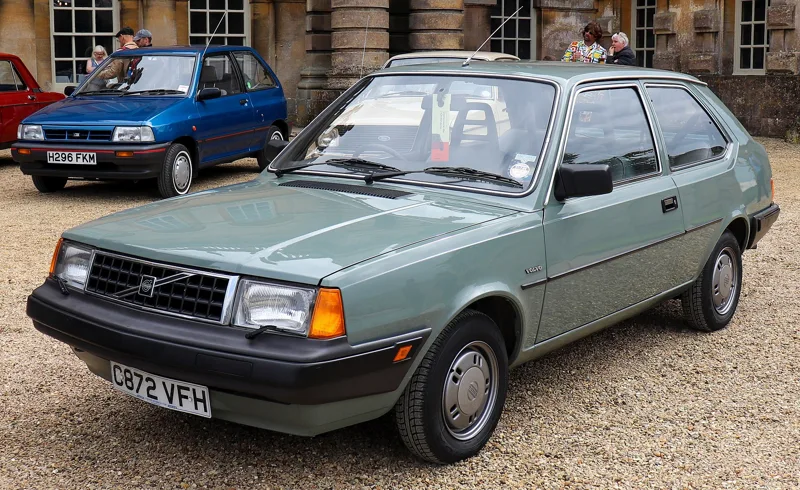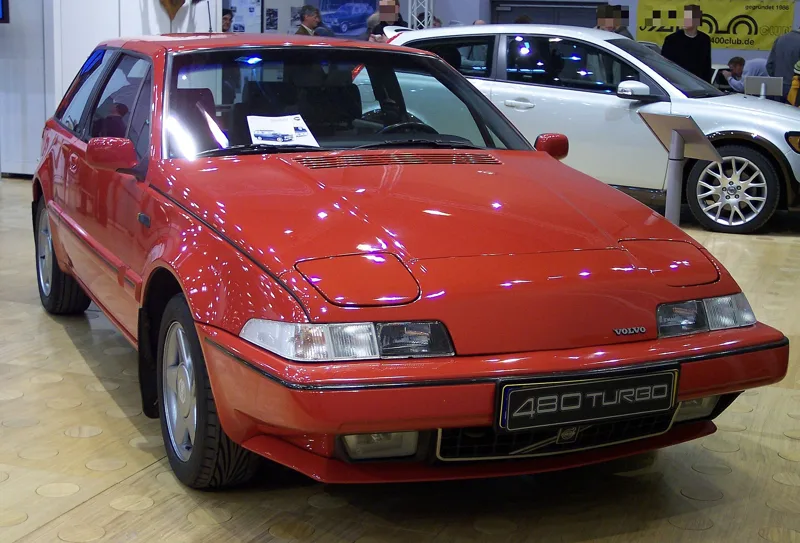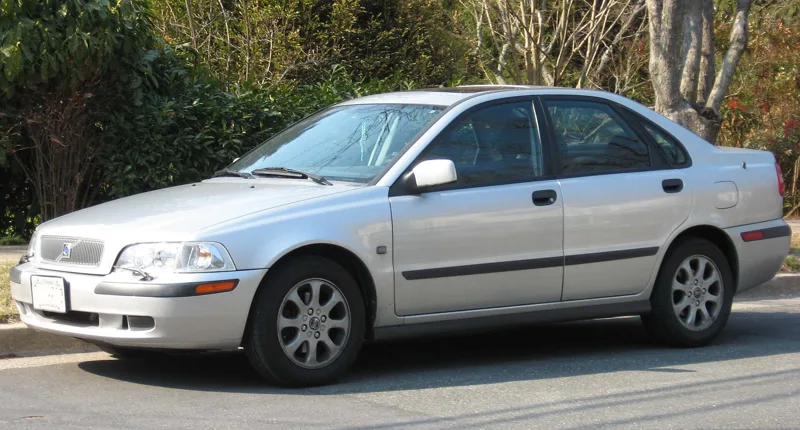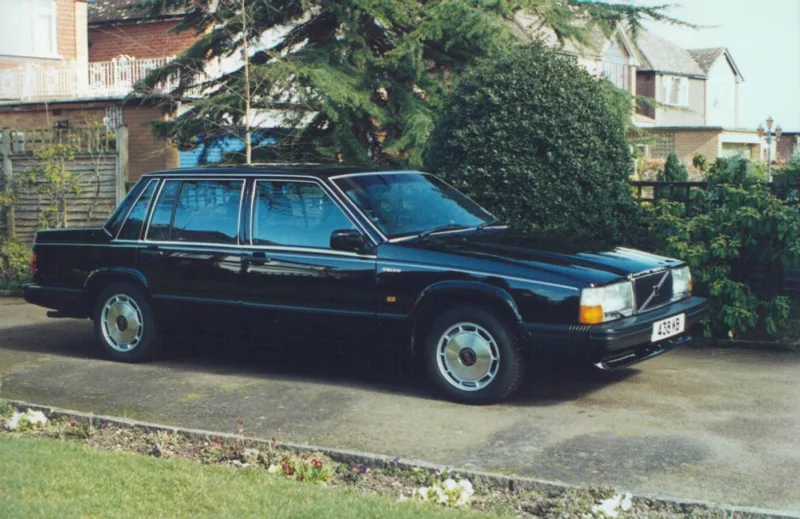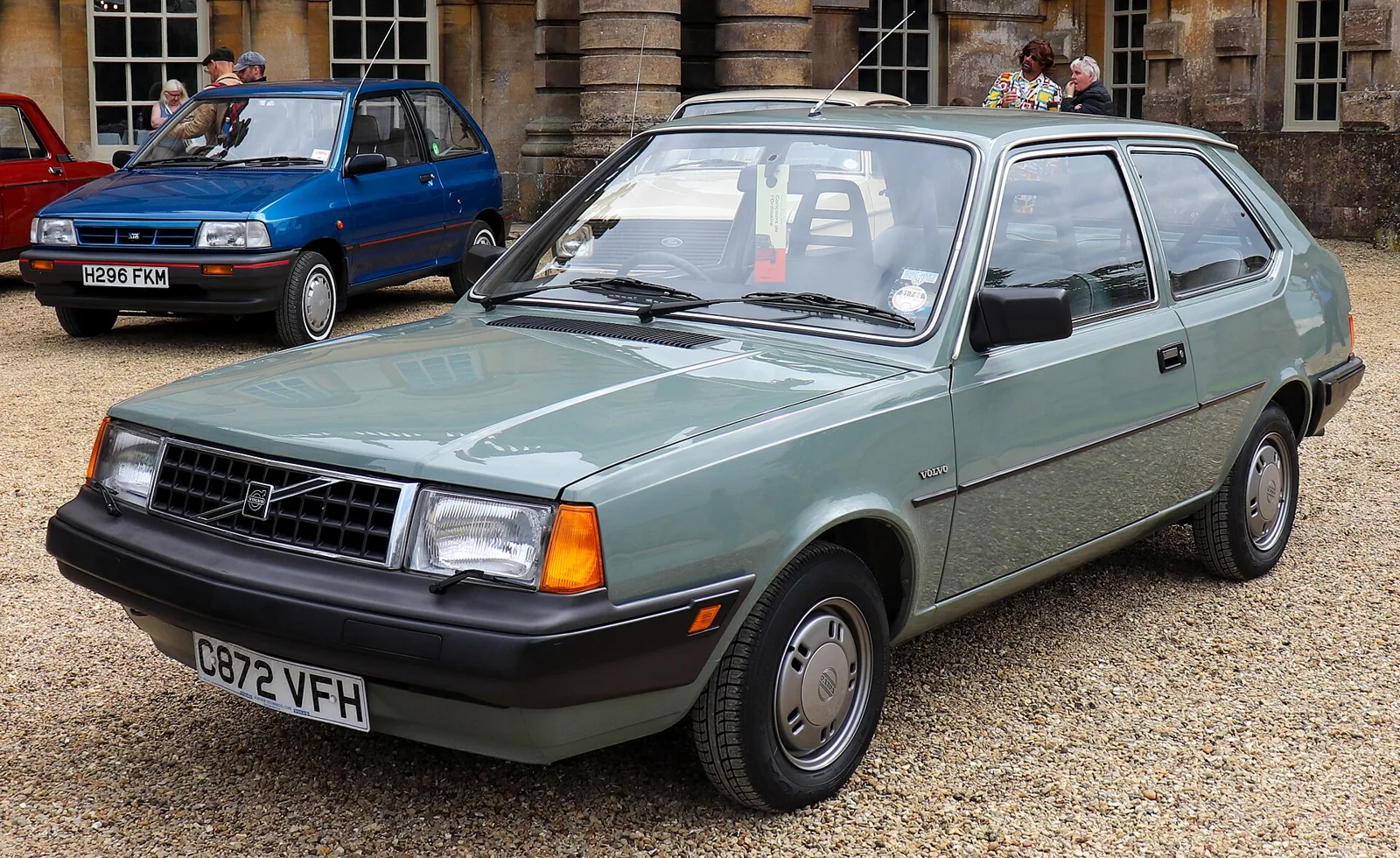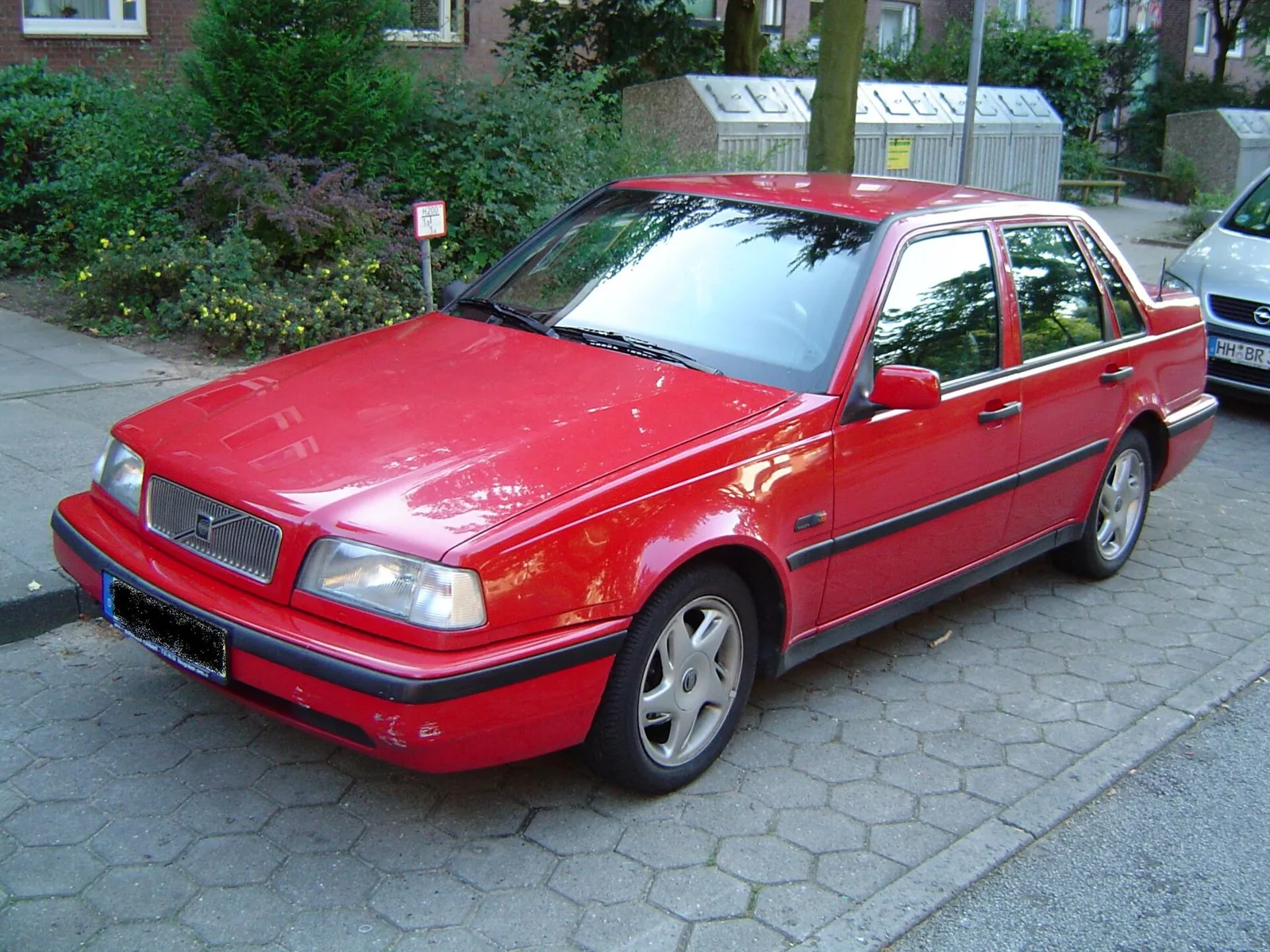
A front-wheel-drive family car from the NedCar plant, sharing its floorpan with the 480 coupe and offering a steel-belt CVT option.
Volvo's four-door 460 saloon, built at NedCar in the Netherlands from 1989, shared its floorpan and engines with the 480 coupe. It used front-wheel drive only, and the 440 and 460 family ended production in 1996, replacing the 340 and 360 Series.
The Volvo 460 was a four-door saloon from the 440/460 family, built by the Swedish maker from 1989 and sold alongside the 440 hatchback until production ended in September 1996. Both cars were front-wheel drive, both came from the NedCar plant in Born, Netherlands, and both shared much of their engineering with the 480 coupe. The family took over from the 340 and 360 Series as Volvo's smaller offering.
Where did the Volvo 460 come from?
The 440 and 460 grew out of Volvo's Galaxy Project, begun in 1978 to create two front-wheel-drive families. The smaller line became the 440 and 460, and development was later handed to a Dutch subsidiary. The 460 saloon followed the 440 hatchback in 1989.
Work on the Galaxy Project aimed to replace the 300 and 200 Series with two new lines. The smaller one was split into three branches, with the G13 becoming the 480 coupe, the G14 the 460 and the G15 the 440. Jan Wilsgaard drew the first mule, called the G4, which was complete in September 1980 and looked almost identical to the finished 440.
In 1982 Volvo sold the whole project to Volvo Car B.V., the Dutch company that succeeded DAF, which began work on the 480 coupe first. That fitted a habit of Volvo's, which launched its most expensive, lowest-volume model first so that teething problems could be fixed before volume production. The 480 suffered many early problems, and the Dutch team lacked the staff to finish the 440, so much of the work went to two English firms.
Moving between countries and the troubled start of the 480 left the 440 looking dated when it arrived. Peter van Kuilenburg is credited with the design, but Gothenburg had laid down many requirements because the car was meant to be a volume product for the company. The final car looked nearly identical to Wilsgaard's 1980 design.
A Dutch-built family saloon that carried Volvo's safety thinking through the early nineties and bridged the 300 Series and the 850.
What role did the 440 and 460 play in Volvo's range?
The 440 and 460 were designed to sit beneath Volvo's larger saloons and estates, replacing the 340 and 360 Series. They were built to compete with cars such as the Alfa Romeo 33, and they were positioned as a volume product for the company.
The cheaper cars were the volume sellers, while the GLT and Turbo offered sportier trim. Volvo's 1994 facelift brought the family closer in look to the larger 850, and the range grew more varied in its later years with special editions and option packs.
Was there an estate version of the 440 and 460?
No. Volvo never offered a factory station wagon in this family, partly to avoid competing with its larger 240 and 740 estates. Outside suppliers did try, with ASC and Heuliez presenting designs to Volvo, and the Dutch firm Toncar sold a bolt-on conversion that replaced the tailgate.
None of those proposals became a factory model, so any estate body had to come from an outside firm.
How did the 460 look and what changed in the facelift?
The original 400 series resembled the larger 940, while the facelift moved the look closer to the 850. The autumn 1993 update, for the 1994 model year, changed the bonnet, nose, rear lights and grille and added body-coloured bumpers. British Volvo designer Peter Horbury was responsible for the interiors of the range.
The facelift gave the cars a different grille, new rear light clusters and body-coloured bumpers, a clear visual break from the first cars.
How safe was the 440 and 460?
The 400 series carried over crumple zones from the 300 Series and offered optional seatbelt pretensioners plus driver and passenger airbags from early 1991. The Side Impact Protection System arrived in 1993, and several warning features were fitted as standard across the whole range.
Volvo's advertising focused on occupant safety. One campaign showed a family of crash test dummies surviving a drive through a plate glass office window several storeys up, then walking away. UK models also had daytime running lights as standard, which dealers could switch off on request.
What engines did the 440 and 460 use?
At launch both cars used a 1.7-litre Renault engine carried over from the 300 Series, in carburettor and fuel-injected forms. The fuel-injected 1,721 cc unit produced 102 PS (75 kW; 101 hp), while the turbocharged version reached 120 PS (88 kW; 118 hp) and a top speed of 200 km/h (124 mph).
The simplest carburettor versions made 79 PS and 87 PS. In August 1991 the lower-cost DL arrived with a 1,794 cc engine, which had single-point injection and 90 PS, with torque nearly unchanged. From 1992 the range featured a 1.6i with 83 PS, the 1.8 and a 2.0i with 110 PS, and the naturally aspirated 1.7 was discontinued.
From 1994 the engines grew slightly more powerful, and a 1.9-litre Renault turbodiesel with 90 PS was offered, badged TD or Turbo Diesel depending on the market. The 1.7 was a little stronger than the 1.8 engines in the Volkswagen Passat and Opel Vectra, which were rated at 90 bhp.
Which gearboxes were fitted?
Launch cars used a four-speed ZF conventional automatic, while the five-speed manual was standard across the range. Volvo later offered the Transmatic steel-belt CVT, sold as HTA (High Tech Auto). The HTA was limited, short-lived and slow-selling, and the same unit later appeared in the Rover Metro.
The Transmatic differed from the earlier Variomatic. It used steel belts running in oil inside a sealed casing, mounted transversely at the front. The rubber-belt Variomatic in the 300 Series sat exposed at the rear and used dry belts. Audi's later Multitronic kept the same transverse layout. Most automatic cars used the conventional four-speed unit at first, because the CVT still needed redesigning for engines with more torque than the 340's.
Volvo 440 and 460 specifications at a glance
| Specification | Detail |
|---|---|
| Body | 440 five-door hatchback; 460 four-door saloon |
| Drive | Front-wheel drive only |
| Production | June 1988 to September 1996 |
| Factory | NedCar, Born, Netherlands |
| Launch engine | 1.7-litre Renault, 102 PS (75 kW; 101 hp) injected |
| Top speed | 185 km/h (115 mph) standard; 200 km/h (124 mph) turbo |
| Gearboxes | Four-speed ZF automatic at launch; five-speed manual; Transmatic CVT (HTA) |
| Diesel | 1.9-litre Renault turbodiesel, 90 PS from 1994 |
| Platform partner | 480 coupe |
Which trim levels did the 440 and 460 come in?
British cars started with L, GL, GLE, GLEi, GLT and Turbo trims. The GLT and Turbo shared lowered sports suspension and a large rear spoiler. After the 1994 facelift the range became base, S, Si, SE, GLT and CD, with an Li added that year.
Specification climbed later in the run. Later Si models and all GLT models had sports suspension that sat lower, and the GLT added part leather upholstery, alloy wheels, ABS, traction control and an upgraded stereo. The CD luxury trim offered heated black leather seats, burr walnut trim and remote central locking.
The ES pack, available from late 1995 on any engine, added sports suspension, 15-inch alloy wheels, metallic paint and electric front windows. A 1995 UK offer swapped the sunroof for air conditioning for 100 pounds.
How did production of the 440 and 460 end?
Production stopped in late summer 1996. Volvo replaced the family with the S40 and V40, which shared a platform with the Mitsubishi Carisma. The line-up had been reduced in the final years, with the GS replacing the Si and GLT.
The 440 and 460 are remembered as Volvo's bridge between the older 300 Series and the later 850 styling. Their engine and trim range was wide, from simple carburettor versions to the sporty GLT, and several safety features first seen on the family were later adopted widely across the car industry.
What were the mainland European trims?
In most European markets the original trims were GL, GLE, GLT and Turbo. The cheaper DL model was announced for some markets from the start, but it arrived later because the carburetted engine was not ready. In Sweden, for example, the DL only arrived in August 1991, for the 1992 model year.
Mainland buyers therefore saw a different line-up from British customers, and the DL was the last piece to arrive. Once it did, it became the lowest-priced way into the family. In the UK the range carried a distinct trim ladder, which is why British and mainland specifications differ.
What equipment came as standard?
The specifications of most models were relatively high for their price. Heated front seats were fitted across the whole range, as was a five-speed gearbox. Standard equipment also included adjustable seatbelts with pretensioners, folding two-thirds split rear seats, a lockable glovebox with a light, and boot and ashtray lights.
Options that became standard on later models included anti-lock brakes, traction control, front fog lights, separate rear reading lights, a radio and cassette with six Blaupunkt speakers, tinted windows, map reading lights, a graduated sun visor and a self-supporting bonnet. The driver's console housed warning lights, a rheostat and a lambda sensor monitor.
Which engines were available across the range in 1995?
Every engine could be paired with every trim level from at least 1995. The Si and GLT were easy to tell apart from the rest of the range, thanks to sports suspension that sat the car lower and a large rear spoiler, while the S was intended as the family variant.
The S model had two foldout child booster seats built into its rear seat, a dustbin in the dashboard and rear headrests. Unlike the 300 Series, the 440 had split rear seats fitted, except on the basic models.
What special editions were offered?
Volvo introduced several special editions with equipment that differed from the standard range. Limited editions Si and Xi appeared early on, and the ES pack followed from late 1995. A 1995 UK offer also let buyers swap the sunroof for air conditioning and 15-inch alloy wheels.
Specification on later cars was high, with many featuring air conditioning. The CD luxury trim came best equipped on the facelifted cars, with heated black leather seats, burr walnut fascia trim, electrically operated and heated door mirrors, remote central locking, electric windows front and rear, an electric aerial and alloy wheels.