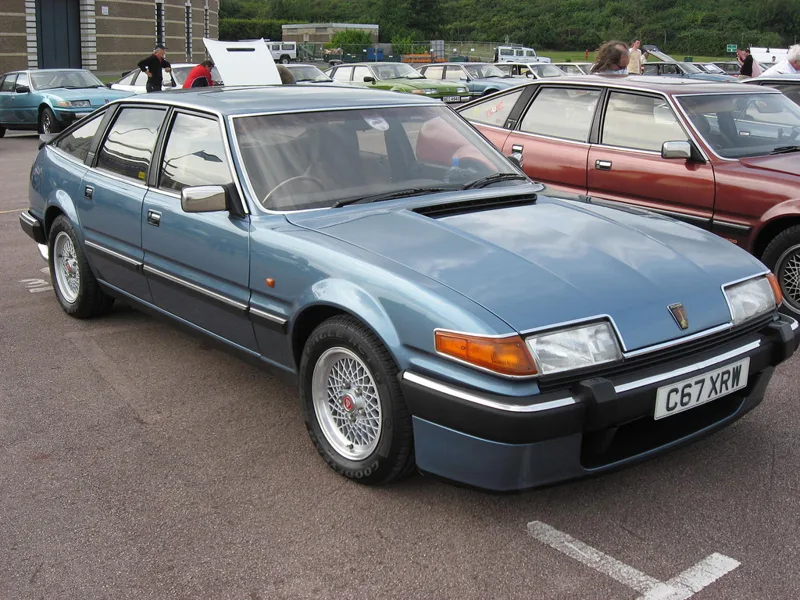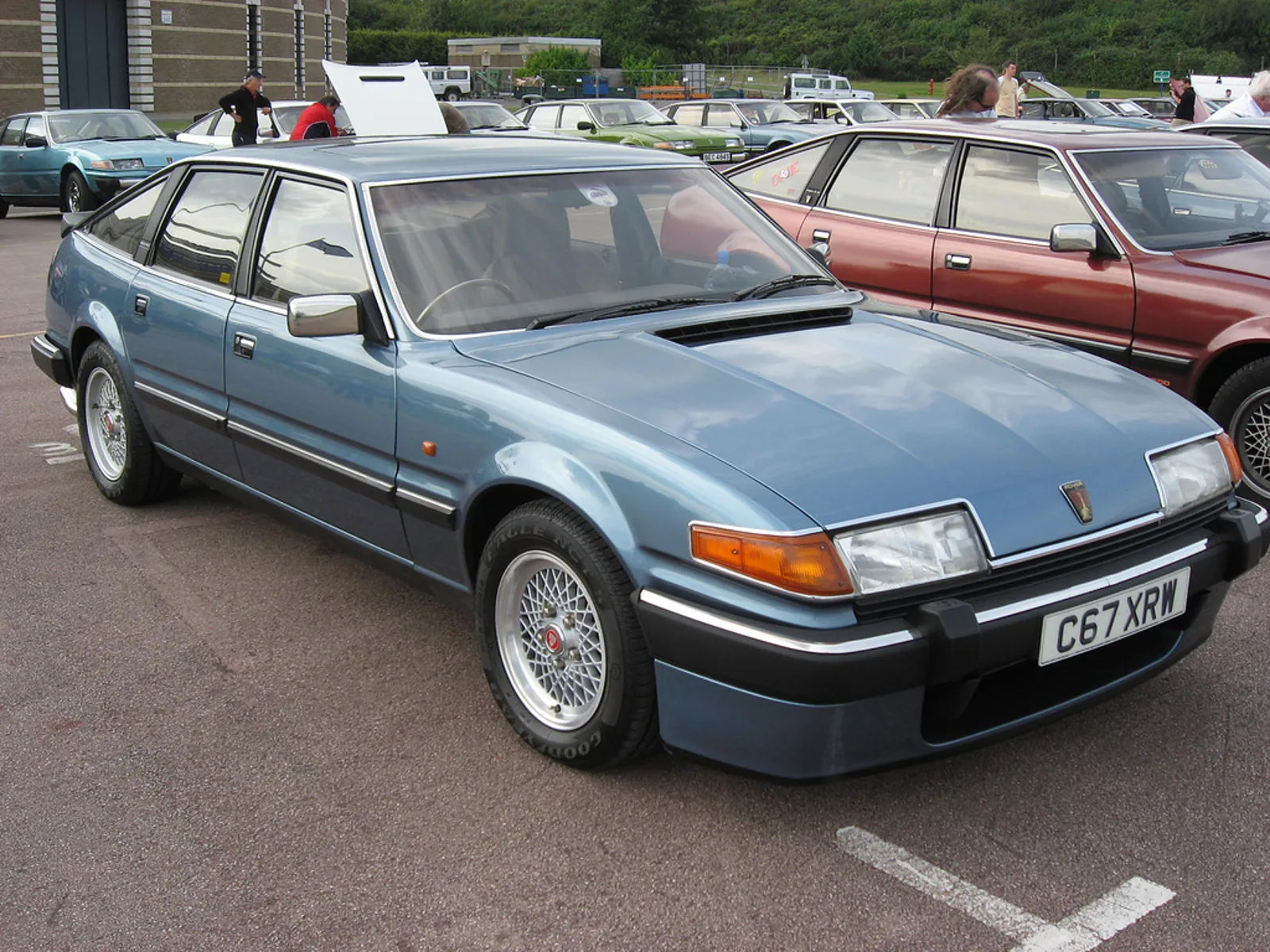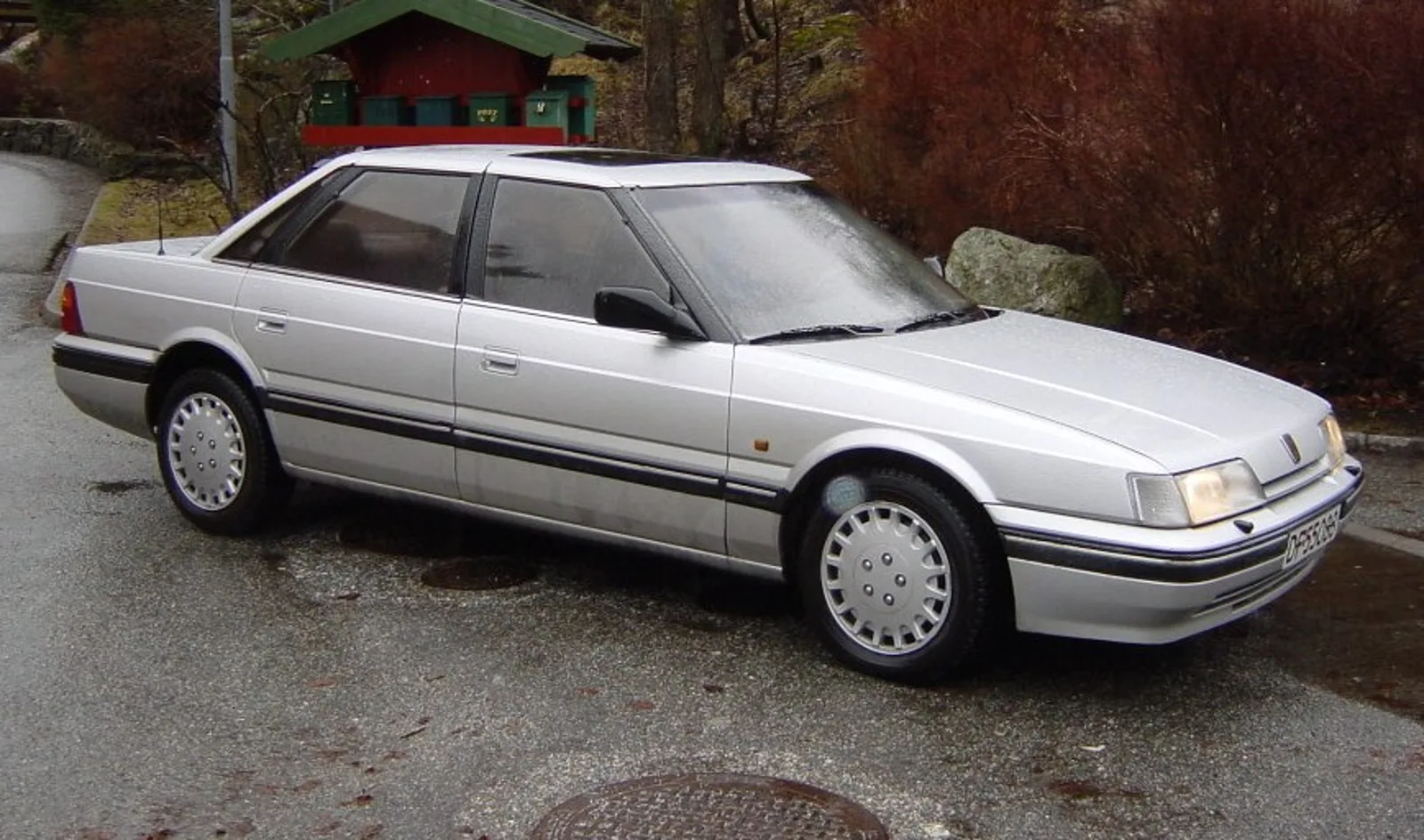
A saloon built with Honda, sold as the Sterling in America, facelifted in 1991 and built in 317,126 examples before the Rover 75 arrived.
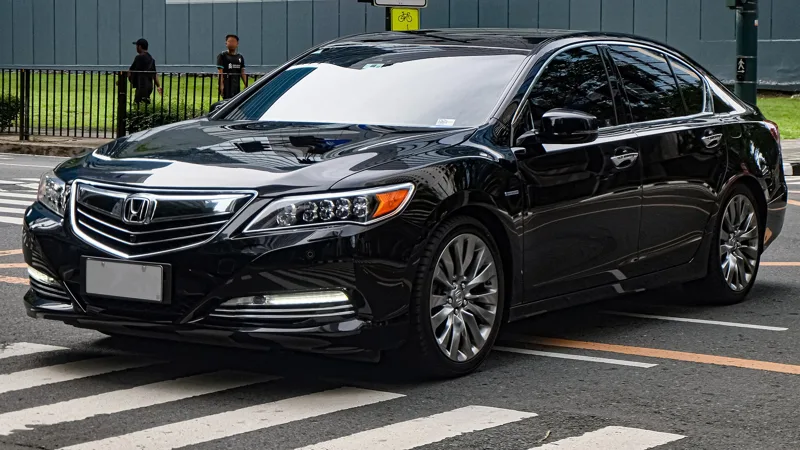
The Rover 800 series was a front-wheel drive executive car made from 1986 to 1999, co-developed with Honda and closely related to the Honda Legend. It replaced the Rover SD1, was sold as the Sterling in the United States, and 317,126 cars were built.
Built by Austin Rover and later Rover Group, the 800 was a British executive saloon sold from 1986 to 1999. Developed in partnership with Honda, it was closely related to the Honda Legend and replaced the Rover SD1. In America it was sold as the Sterling, and by the early 1990s it had become one of Britain's best-selling executive cars.
Where did the 800 come from?
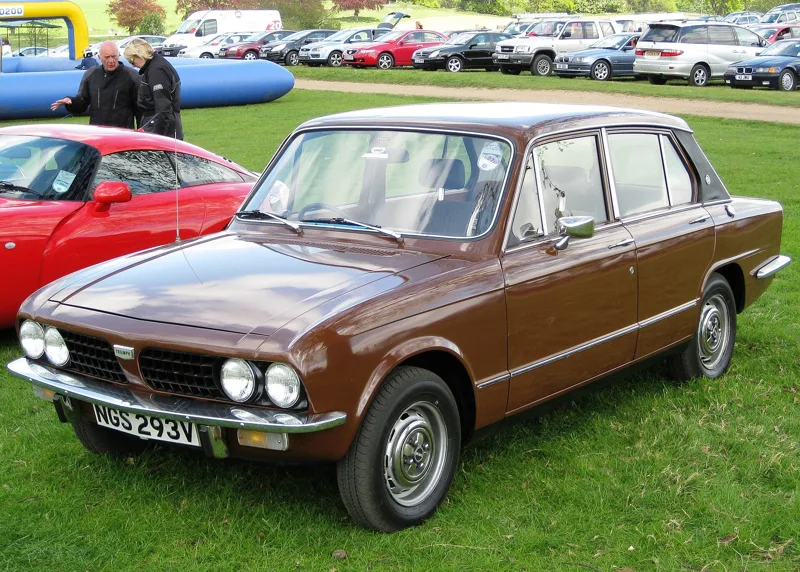
The 800 was one of the first fruits of the BL-Honda alliance, which had begun with the Triumph Acclaim. BL needed a successor to the Rover SD1, while Honda wanted a full-size luxury saloon to expand in North America. Development began in 1981 under the XX codename and the car launched on 10 July 1986.
Plans for a midsize car were dropped because BL already had the Austin Maestro and Montego in the final stages of development. Honda's full-size model needed to compete with Japanese imports from Toyota and Datsun, and the Accord was then its largest car.
The work was shared. Honda supplied the V6 petrol engine, both automatic and manual transmissions and the chassis design, while BL provided the four-cylinder petrol engine and much of the electrical system. The two cars shared a core structure and floorpan but had their own bodywork and interiors.
Development was carried out at Rover's Cowley plant and at Honda's Tochigi development centre. Cowley also built Legends for the British market, while the American Acura Legends came from Japan, where early Honda-badged cars were made at the Sayama factory.
A Honda-developed saloon that became Britain's best-selling executive car after a 1991 facelift restored its appeal.
What engines did the Mark I 800 use?
The launch models used 2-litre versions of the O-series, developed into 16-valve units called the M-series. The top 2.5-litre cars, the 825i and the Sterling, used a Honda V6 that was enlarged to 2.7 litres in February 1988. A diesel from VM Motori followed in 1990, and no V8 was ever offered.
The M16e with single-point injection went into the 820e and se, while the M16i with multi-point injection powered the 820i and si. In 1988 an 820 Fastback with a single-carburettor O-series was launched for the fleet market. A short-lived base model used an eight-valve M8 engine, whose water pump was driven by the timing belt.
A brief run of just over 500 820 Turbo 16v cars used a turbocharged M-series developed with help from Tickford. Sodium-filled exhaust valves and Mahle forged pistons helped it produce 180 bhp (134 kW), although speculation holds that the electronics restrained the figure.
What were the Sterling and Vitesse?
Sterling was the top luxury saloon in most markets, while Vitesse was the sporting flagship and fastback. In Italy the 2.0-litre petrol engine was badged as the Sterling and its turbo version as the Vitesse, which avoided duties on engines above 2.0 litres. The Sterling's price overlapped with the entry-level Jaguar XJ40, which launched at the same time.
Towards the end of Mark I production the Vitesse had almost as many luxury features as the Sterling, including electric front seats.
In the US the car was branded as the Sterling, never as a Rover, and it was offered only with Honda V6 petrol engines. Sales started strongly, but early cars had build quality problems. J.D. Power surveys and journalists flagged trim, electrics, paintwork and excessive corrosion, which hurt sales while the Acura Legend thrived.
Many mechanical parts for the 825 and 827 remain easy to find, because they matched the Acura Legend apart from the braking systems. Electrical, body and interior parts are much harder to source in the US today.
What changed with the 1991 R17 facelift?
The R17 facelift arrived on 12 November 1991, bringing back the traditional Rover grille and more curvaceous bodywork. It answered criticism of the folded paper style of design, and sales recovered so strongly that the 800 became Britain's best-selling executive car in the early to mid-1990s.
The door structure was retained from the original XX design, so the change was largely in the skin. Build quality also improved, although trim rattles and electrical faults remained.
The Ford Granada had been Britain's best-selling car in its sector almost continuously since its 1972 launch. The Scorpio that replaced it sold poorly, partly because of a controversial exterior. From 1994 the Vauxhall Omega brought fresh competition, along with premium rivals such as the BMW 5 series.
Which engines powered the Mark II cars?
The 2.0-litre T16 replaced the M16 and came in normally aspirated and turbocharged forms. The turbo was fitted to the Vitesse and later the Vitesse Sport, taking over from the 820 Turbo. The Honda 2.7 V6 was dropped in 1996 when the Rover KV6 arrived.
The 1996 facelift painted the previously black rubbing strips, turned the grille fins silver and made climate control, passive immobilisation and a passenger airbag standard. A six-disc CD autochanger was fitted to all but the entry-level i. The remote door key moved from infrared to radio frequency.
After 1996 every Vitesse was Sport specification and the Sport badge was dropped. Non-Sport Vitesse models were rated at 180 bhp (134 kW), while the Sport reached 197 bhp (147 kW). The 800 fell well behind its rivals in mechanical development, and it stayed a steady seller at home until spring 1999, when the Rover 75 replaced it.
Was a Rover 800 Coupe sold in America?
No. The two-door Coupe launched in early 1992 after a debut at the 1991 Motor Show, but Rover had already left the US market. Other export markets did receive it, and eighty per cent of its interior and exterior was finished by hand.
From 1992 to 1996 the Coupe came exclusively with the 2.7 Honda V6, 16-inch Rover Prestige alloys and a four-speed automatic as standard. Press speculation had linked it to the MG EX-E concept, but the production car was a more conservative design. It was capable of well over 130 mph.
The first 800 also provided the platform for Honda's Legend coupe, which arrived after the saloon's 1986 launch. Rover itself had chosen not to build a two-door version at that stage.
Reliability problems
The KV6 and M-series engines suffered from head gasket failures and other reliability problems. Rover replaced the engines rather than repairing them, because liner problems often ruled out repair. The KV6 was mostly mated to a JATCO gearbox, which also had reliability issues, sometimes caused by incorrect fluid changes.
The 820 Vitesse suffered gearbox bearing problems because of the power of its two-litre turbo engine. Steel caged bearings can replace the originals and offer a more durable fix.
Who drove the 800?
The 800 was a keystone of the British government's car fleet for much of its life, continuing a tradition of British-made Rover and Jaguar models. Many British police forces used it as a police car, and Tony Blair owned an early example soon after it launched, a few years into his time as an MP.
The fictional radio DJ Alan Partridge drove a White Gold Vitesse Fastback in the sitcom I'm Alan Partridge.
Did a Rover 800 set a record?
Yes. On 6 June 1988 rally driver Tony Pond became the first person to lap the TT motorcycle course in a car at an average above 100 mph (160 km/h). The car was a Rover 827 Vitesse, standard apart from safety features and racing tyres.
The record remained unbeaten until 2011.
How many Rover 800 cars were built?
Production peaked in 1987, the first full year of sales. It had dipped sharply by 1991 and fell to just 6,500 a year by 1998. A total of 317,126 cars were built by the time production ended in 1998.
What are the Rover 800 specifications?
| Specification | Detail |
|---|---|
| Launch | 10 July 1986 |
| Launch engines | 2-litre O-series developed into the 16-valve M-series (M16e, M16i) |
| Top Mark I engine | Honda V6, 2.5 litres, enlarged to 2.7 litres in February 1988 |
| Diesel | 2498 cc VM Motori engine, from 1990 |
| 820 Turbo 16v | Just over 500 cars, 180 bhp (134 kW) |
| Mark II 2.0-litre turbo | Fitted to the Vitesse and Vitesse Sport, 1994-96 |
| Vitesse after 1996 | Non-Sport 180 bhp (134 kW); Sport 197 bhp (147 kW) |
| Coupe | 2.7 Honda V6, four-speed automatic, 16-inch Rover Prestige alloys |
| Total production | 317,126 cars, ending in 1998 |
| Successor | Rover 75, spring 1999 |