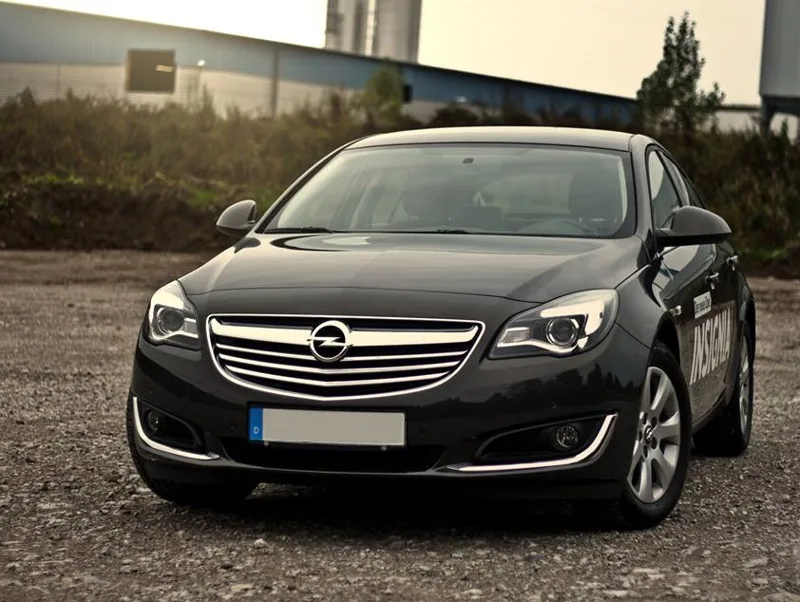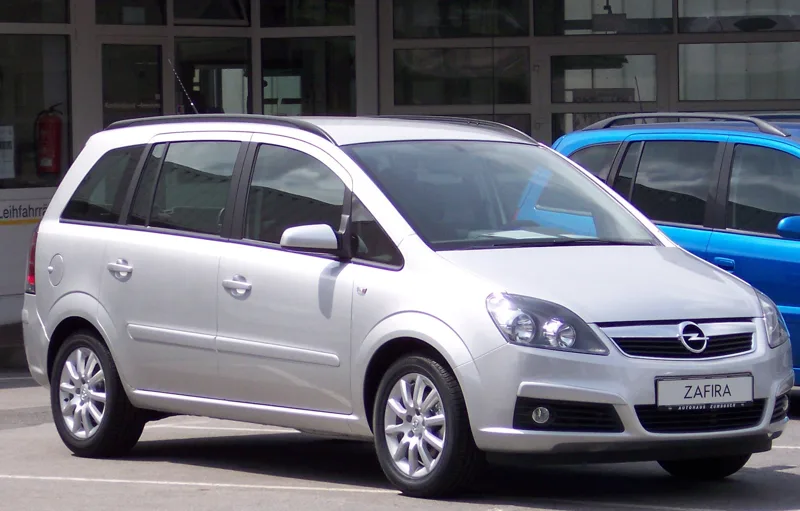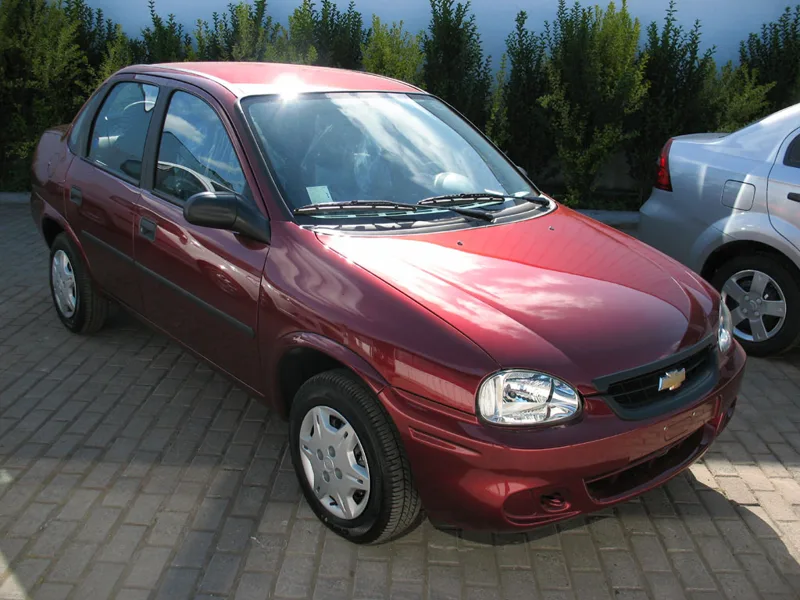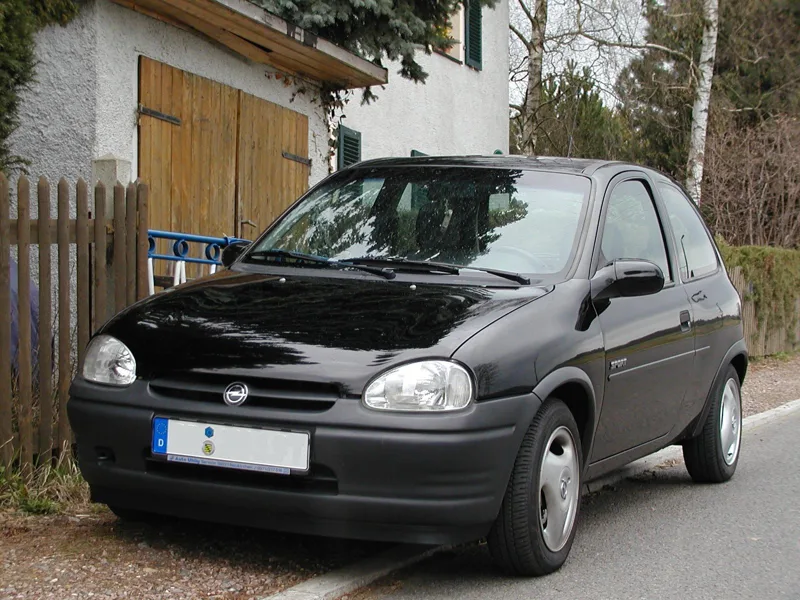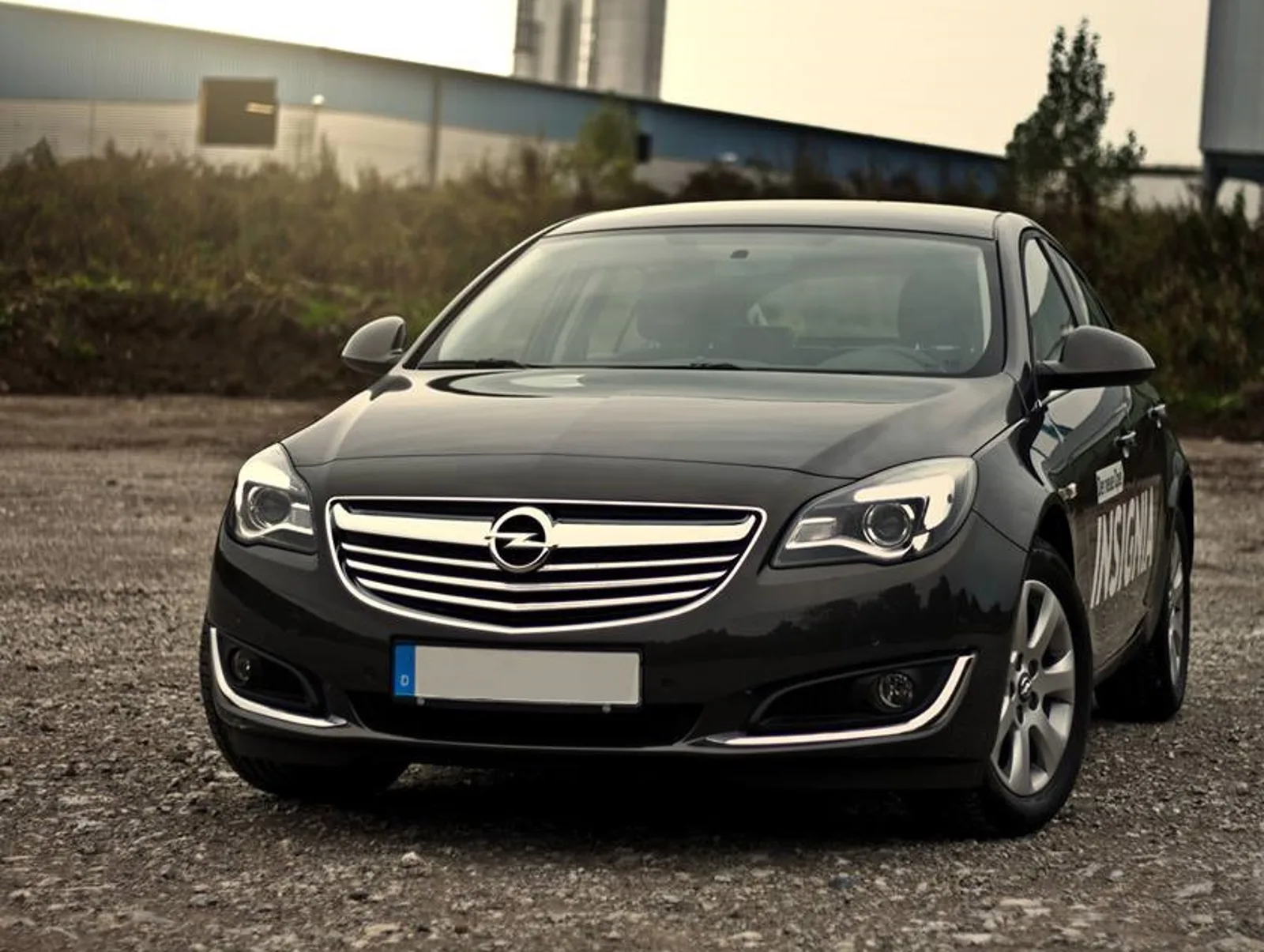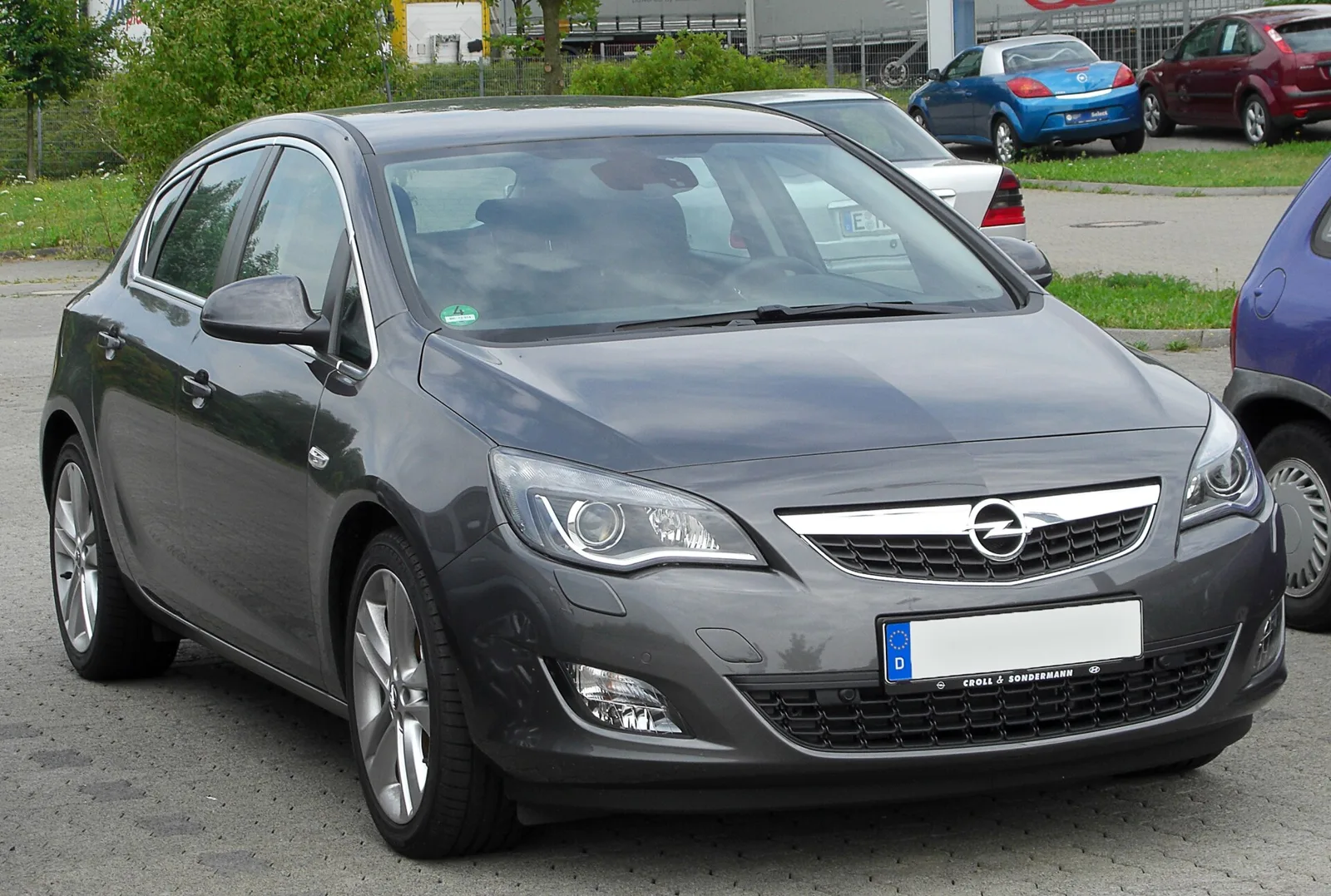
The fourth Astra took Insignia styling, a longer platform and a torsion-beam rear, then ran in saloon, estate, coupe, sedan and performance forms until 2020.
Opel built the Astra J from late 2009 until production ended on 28 December 2020. It replaced the Astra H, introduced a Watt-linked rear torsion beam, took styling cues from the Insignia, and offered sporty GTC and OPC versions.
The Opel Astra J was the fourth generation of the Astra, a C-segment car that Opel built from the end of 2009 until 2020. It took its styling from the larger Insignia and used a longer platform with a torsion-beam rear. Its five-door, estate, coupe, sedan and performance versions covered a wide range of buyers.
Why was the car called the Astra J?
Opel had planned to call the car the Astra I, continuing the run of letters that marked each Astra generation. The aim was to keep the Astra names in alphabetical order, one letter per generation. Opel then realised the letter I could be mistaken for the Roman numeral 1, a system that Volkswagen Golf and Ford Focus generations used, with Mk in front of it on the Ford. Opel therefore took the next letter of the alphabet.
The Astra J replaced the Astra H and was presented at the Frankfurt Motor Show in autumn 2009. It went on sale in December 2009 as a two-volume saloon with five doors. Other versions arrived later, and the previous series remained in the catalogue for the first months.
The Astra J took Insignia styling, a longer platform and a torsion-beam rear, and it stayed in production until the end of 2020.
How did the Astra J's design differ from the Astra H?
The Astra J took its front lights, with LED daytime running lights, from the Insignia, and the rear clusters repeated that shape. The side crease that gives the flank its dynamism also came from the larger car. Overall the body was more muscular, with a raked windscreen, wider tracks and rounded panels.
The car measured 17 cm longer than the Astra H. Most of that growth went to front passenger space and to a more regular boot shape, while rear passenger room stayed the same as before. The dashboard and driver's position were redesigned around a half-moon layout, with the instruments grouped in a teardrop-shaped centre console.
Materials and assembly quality rose as well, and the cabin finishes received a thorough update.
What was the Astra J's chassis like?
The Astra J rode on a platform with a wheelbase 71 mm longer than the Astra H. At the front, a MacPherson strut carried a hollow anti-roll bar, with aluminium alloy arms and mounts to save weight. The rear was the real novelty, a torsion beam with a Watt linkage that handled lateral loads better and sharpened the car's handling.
FlexRide active suspension let the driver change how the shock absorbers responded, choosing a firmer or softer feel. Three settings were available: standard, Sport and Tour. FlexRide came as standard on the Cosmo S trim. Ventilated front discs and solid rear discs completed the brake set-up.
Key Astra J engines
| Engine | Output | Notes |
|---|---|---|
| 1.3 CDTI | 95 PS (70 kW; 94 hp) | Common-rail diesel of Fiat origin, with Start&Stop on the Sports Tourer |
| 1.7 CDTI | 110 PS (81 kW; 108 hp) and 125 PS (92 kW; 123 hp) | Diesel of Isuzu origin; a 130 PS (96 kW; 128 hp) version came in 2011 |
| 2.0 CDTI | 160 PS (118 kW; 158 hp), then 165 PS (121 kW; 163 hp) | 165 PS version from 2011; automatic option available |
| 1.4 Turbo | 120 PS and 140 PS | Supercharged petrol; the 140 PS unit also ran on LPG |
| 1.6 SIDI | 170 PS | Replaced the 1.6 Turbo at the end of summer 2013 |
| 2.0 twin-turbo diesel | 195 PS | Introduced in 2013 |
The naturally aspirated petrol versions and the 1.3 CDTI came with a five-speed manual gearbox, while the other engines used a six-speed manual as standard. A six-speed automatic was optional only for the two 1.6 petrol engines and the 2-litre turbodiesel.
The 1.4 engines displaced 1,364 cc and 1,398 cc and belonged to the Family 0 engine family. The 1.8 16v of the earlier Astra was dropped in favour of a 1.4 Turbo, which was available from the debut but entered the price list regularly only from mid-2010.
Which trims and equipment did buyers get?
The range started with three trims, Elective, Cosmo and the richer Cosmo S, with the Cosmo S limited to the 1.6 petrol and the 2.0 CDTI. Standard kit included six airbags, air conditioning, ESP, traction control, cruise control and 16-inch wheels. The hi-fi had steering wheel controls, and the driver's seat and three-spoke steering wheel were both height adjustable.
Options ran from an electric sunroof and AFL III bi-xenon headlamps to a navigation system with SD card maps and voice recognition. Buyers could add leather seats, heated seats, fog lights, dual-zone air conditioning, alloy wheels up to 19 inches and an electronic parking brake. The Opel Eye camera, first seen on the Insignia, showed speed limit signs.
The Cosmo S trim was dropped from 2012. LED daytime running lights became standard on all Cosmo versions in the 2012 update, having previously been paired only with the AFL adaptive bi-xenon headlamps. In crash testing the car earned five stars from Euro NCAP.
How did the range evolve before the 2012 restyle?
Before the 2012 restyle the range grew in steps. The Sports Tourer arrived in November 2010, and in the second half of 2011 the GTC appeared alongside a revised diesel line-up, including a 1.7 CDTI of 130 PS and a 2-litre CDTI of 165 PS.
For more than a year and a half production carried on with no new versions, apart from the Sports Tourer. The 2011 Frankfurt show brought the wider revision, and the diesel changes were the most important part of it, as the new engines made their debut.
What changed in the 2012 restyle?
A bi-fuel version running on LPG arrived at the start of 2012. Its 1.4 Turbo produced 140 PS (103 kW; 138 hp), and the car used a Renzo Landi system with self-adjusting hydraulic tappets, so no valve clearance adjustment was needed.
At the end of summer 2012 came a light restyle. The front grille grew wider and carried a chrome line, the fog light housings became more arched, and the alloy wheel designs were new. The naturally aspirated 1.6 petrol, the 1.3 CDTI and the 1.7 CDTI of 125 PS left the range, and the 1.4 Turbo in its 120 PS form replaced the petrol unit.
The new basic Ecotec trim offered manual air conditioning, six airbags, front electric windows and ESP as standard. The second-generation Opel Eye added a lane departure alarm, a safety distance indicator and a radar with pre-collision warning, and a rear camera with parking assistance was also new.
Did the Astra J come as a sedan?
The three-volume Astra Sedan joined the range in autumn 2012, built at Gliwice in Poland. It sat between the hatchback and the Insignia, and it measured 4.66 m, which was 24 cm more than the five-door it came from. Three-volume bodies had long been reserved for Eastern European markets, but this one was sold in Italy and other European countries too.
The Sedan made its debut on 29 August 2012 at the Moscow Motor Show. Its equipment list left out optional items such as FlexFloor, a bicycle carrier and privacy glass for the rear windows. Its engines were a 1.4 turbo with 101 and 140 PS, and a 1.7 CDTI with 110 and 131 PS. In China and the USA the same car was sold under the Buick brand. A dual-fuel 1.4 Turbo of 140 PS arrived in 2014, and production ended on 28 December 2020.
What was the Sports Tourer estate like?
The Sports Tourer, introduced in November 2010 after the Paris Motor Show, was the estate version of the Astra J. It dropped the SW designation in favour of the name already used on the Insignia estates. At 4.698 m long it weighed only about 20 kg more than the five-door saloon. Its tail was longer than the saloon's, and it shared the same styling and technology, including the Opel Eye and the FlexRide suspension.
The FlexFold rear seat split 60-40, and its two sections could be lowered separately by pressing one of two buttons beside the boot. The load space therefore grew from 500 to 1,550 litres. The rear bench could also be removed completely, leaving a flat floor. The 1.3 CDTI was also fitted with Start&Stop, which switched the engine off at temporary stops.
In summer 2015 the 2-litre turbodiesel and the twin-turbo diesel were removed from the estate's price list, and the Astra K SW replaced it at the end of 2015.
How did the GTC coupe come about?
The GTC took shape with the GTC Paris concept at the 2010 Paris Motor Show, which all but previewed the production car. It reached its definitive form at the 2011 Frankfurt Motor Show. Its body measured 447, 184 and 148 cm, which made it longer, wider and lower than the five-door saloon. It shared the front of the saloon and estate, but almost all its sheet metal was new.
The GTC had a lower stance, stiffer suspension, wider tracks and a longer wheelbase. It also had a HyperStrut front axle, the same as the one on the Insignia OPC, which gave it sportier road behaviour. Pre-sales began on 7 June 2011, and the first deliveries followed in December.
Three trims were offered, with FlexRide standard on the Cosmo S. Engines were two 1.4 turbo petrols of 120 and 140 PS, a 1.6 turbo of 180 PS and a 2.0 diesel of 165 PS, with a six-speed manual as standard. From 2015 the car was simply called GTC, and it stayed in the catalogue until 2018.
How fast were the OPC and VXR versions?
The OPC sports version was officially shown at the 2012 Geneva motor show. It used a 2.0 turbo petrol of 280 PS with 400 Nm of torque, and 0 to 100 km/h took 6.0 seconds. Its top speed was limited electronically to 250 km/h (155 mph), and sales began in July 2012.
The OPC came with 19-inch alloy wheels as standard, with 20-inch optional. In 2013 Opel ran the Astra OPC Cup, a single-make circuit championship, with cars prepared to VLN regulations.
Vauxhall built its own high-performance Astra on the GTC, the VXR. It had the same 2.0 direct-injection turbo, here producing 280 PS and 440 Nm, and it reached 255 km/h (158 mph). A new system called LSD, derived from the GTC's HiPerStrut, improved cornering grip, and Brembo supplied the brakes. The chassis and aerodynamic parts were refined with the help of the driver Smokin Jo Winkelhock.
How did the Astra J's production end?
The five-door saloon left the price list in August 2015, as the new Astra K was revealed. The GTC lasted until 2018, when it gradually disappeared from European price lists, while the three-volume Sedan stayed in production until 28 December 2020.
The Sedan remained in production alongside the coupe after 2015. The last three-volume saloon to leave the line was built at the Polish plant, and production ended on 28 December 2020. Only in autumn 2018 did the final Astra J versions leave the last European price lists where they remained.
Why does the Astra J still matter?
The Astra J matters because it was the car that carried Insignia styling into Opel's compact range, with a longer platform, a torsion-beam rear and adjustable FlexRide suspension. It also won the Golden Steering Wheel for compact cars in 2009 and finished third in the Car of the Year 2010 competition.
The car also travelled under other badges: Vauxhall in Britain, and Buick in China, where it was the Excelle XT.
Its performance versions gave it a sporty identity. The OPC and the Vauxhall VXR showed how far the platform could be pushed, and the GTC kept a coupe in the range when the Astra K arrived.