A financier and racing driver who won Le Mans three years running, rescued Bentley Motors with his money and raced the Blue Train to London.
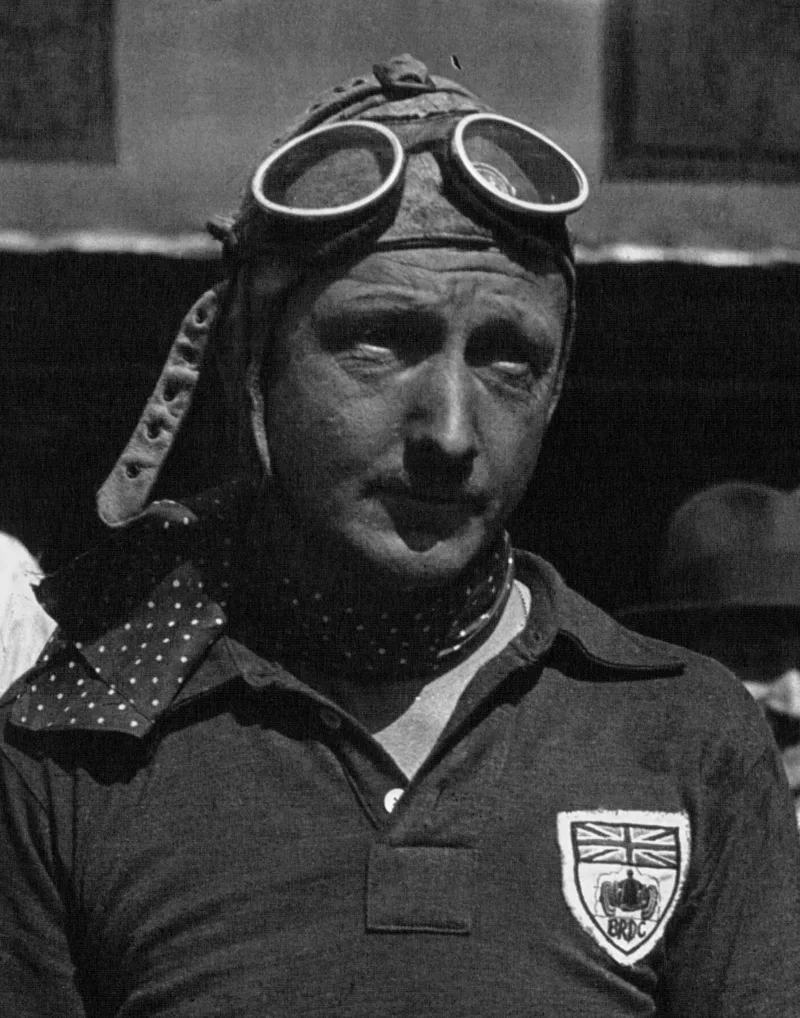
Barnato, a British financier and racing driver, was one of the Bentley Boys. He won the 24 Hours of Le Mans in 1928, 1929 and 1930, and his money helped rescue Bentley Motors before the company was sold to Rolls-Royce in 1931.
Joel Woolf Barnato was a British financier and racing driver who belonged to the Bentley Boys, a group of wealthy car enthusiasts of the 1920s. Born in 1895, he won three of the three 24 Hours of Le Mans races he entered, and he later chaired Bentley Motors as its business finances rose and fell.
Who was Woolf Barnato?
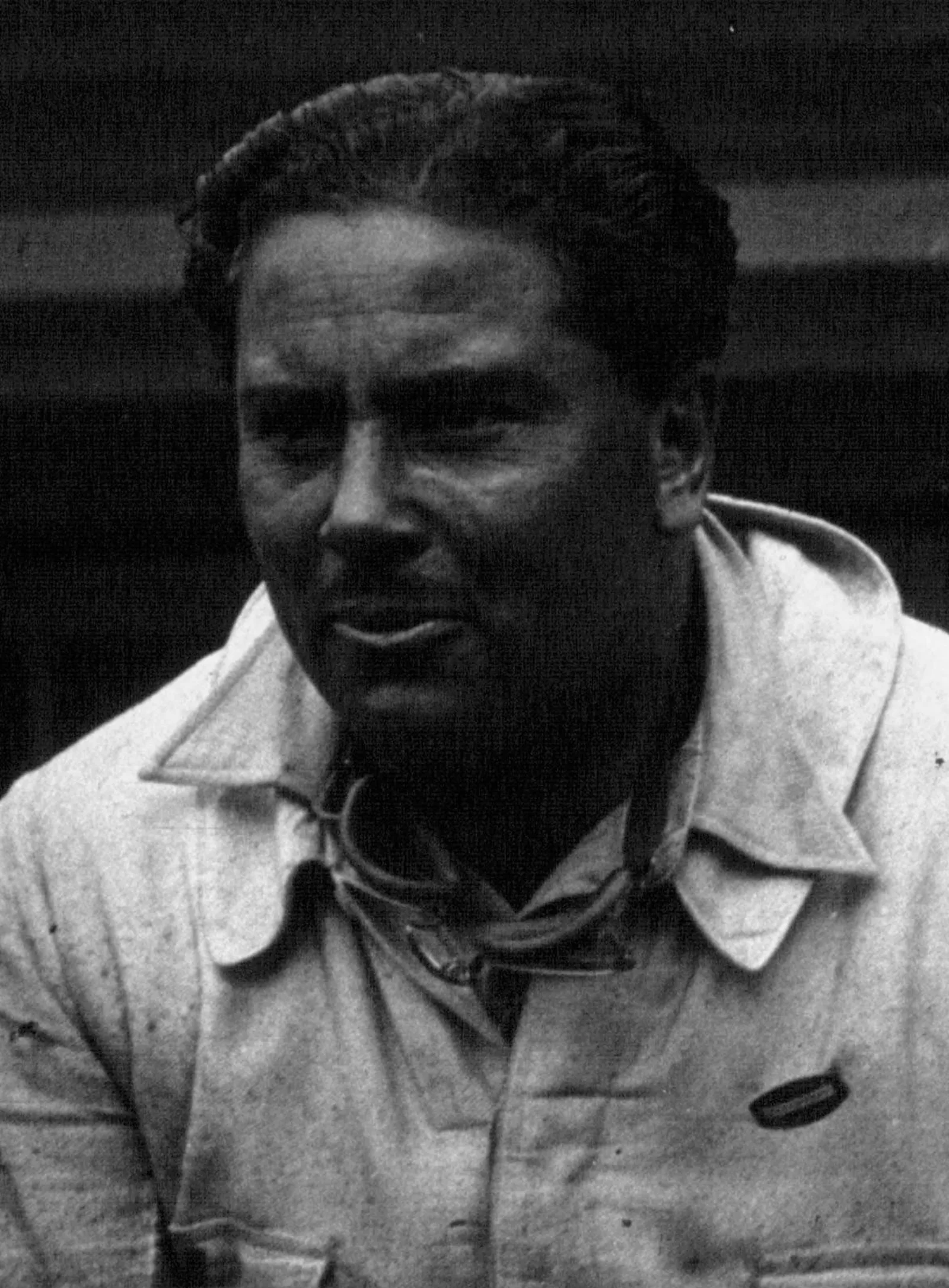
Barnato was a financier and motor racer of wealthy background who became one of the Bentley Boys, a social set of British motorists who favoured W. O. Bentley's cars. Three Le Mans victories, in 1928, 1929 and 1930, came from single entries each year, and he also chaired the company that made the cars.
He was the youngest son of Barney Barnato, whose South African diamond and gold mining made him rich, and he was a relative of the Joel business family. His schooling took place at Charterhouse and at Trinity College, Cambridge.
Three Le Mans wins from three entries, and a Blue Train challenge that still defines the Bentley legend.
How did Barnato first get into motor racing?
Barnato's first race came in 1921, when he brought an eight-litre Locomobile over from America and entered the Easter meeting at Brooklands. He placed third in the 100-mile Long Handicap, then moved to a Calthorpe for the Whitsun meeting.
His equipment changed quickly. For 1922 he bought a 1921 Talbot from Malcolm Campbell, and for 1923 he ran a customised Wolseley Racing Moth prepared by Sir Alastair Miller. In 1924 he obtained an eight-litre Hispano-Suiza H6C, and Jarvis of Wimbledon built a racing body for it, with which he set an eight-litre class record.
How did Barnato come to finance Bentley?
Barnato's backing for Bentley was prompted by the 1924 Le Mans victory of John Duff and Frank Clement. He put more than 100,000 pounds into the business through Baromans Ltd, the finance vehicle he had set up in 1922, which kept the company and its workforce going.
The original company was wound up, and its creditors were paid 75,000 pounds. Existing shares were devalued sharply, and Barnato took 149,500 of the new shares, which gave him control and made him chairman. He added further sums of 35,000 pounds in July 1927, 40,000 pounds in 1928 and 25,000 pounds in 1929.
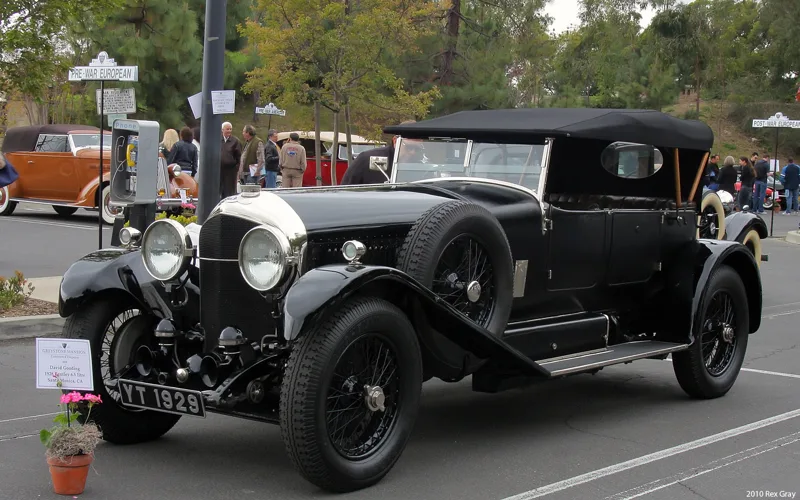
With that backing W. O. Bentley was able to develop a six-cylinder 6 1/2 Litre. Barnato also pushed through a supercharged 4 1/2 Litre, the Blower Bentley, against Bentley's wishes, and that car proved fragile on track.
What were Barnato's record-breaking drives?
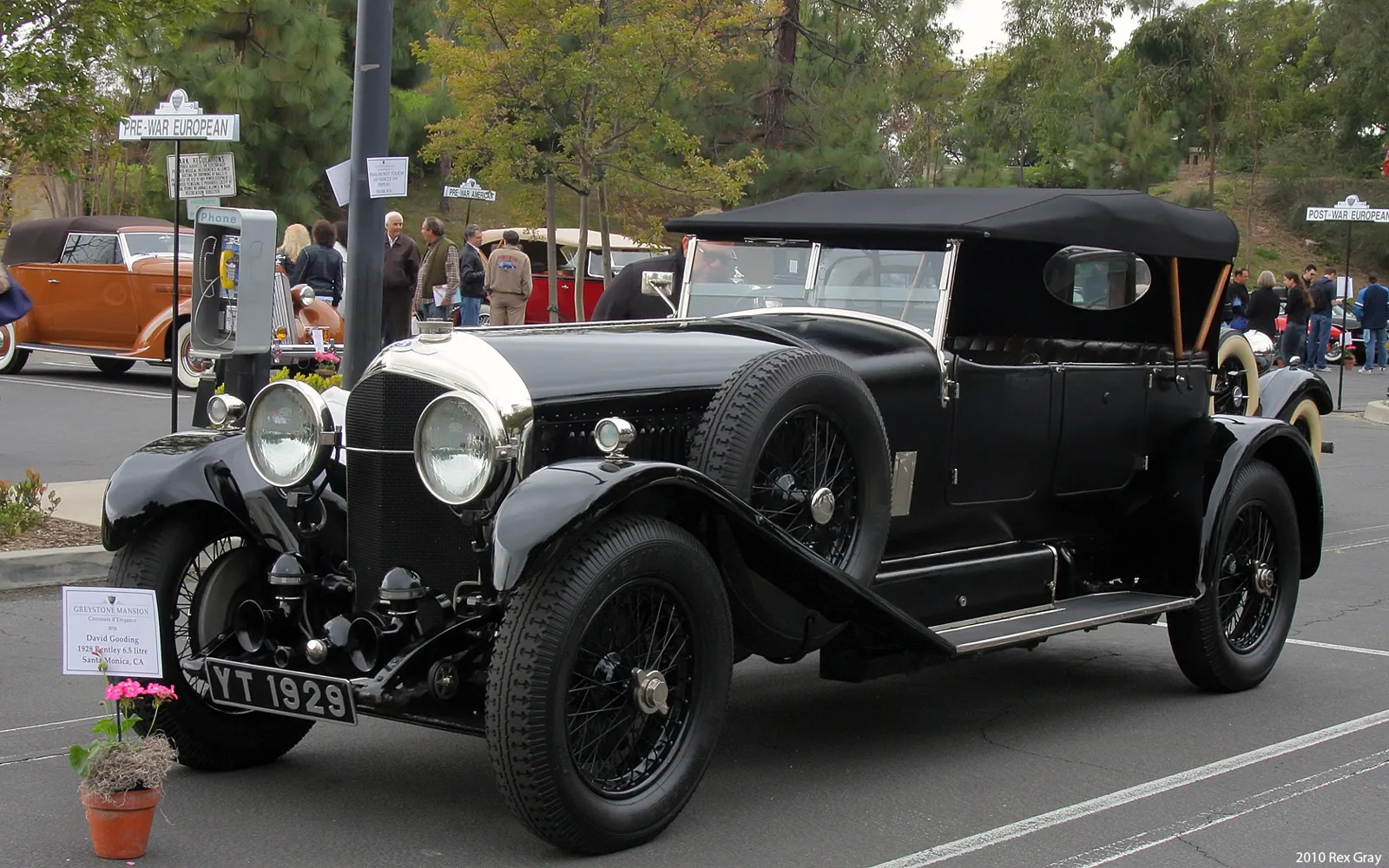
Late in 1924 he acquired a prototype 3 Litre Bentley chassis, which Jarvis clothed in a boat-tail body for 400 pounds. The car took several important Brooklands wins for him, and alongside John Duff he set a 24-hour record for 3-litre cars at Autodrome de Montlhery, with an average of 95.03 miles per hour.
He also won the Brooklands Six Hour Race and the Double Twelve Race in 1930. Bentley rated him as the finest driver the team ever had, and one of the best British drivers of his era.
Which Le Mans races did Barnato win?
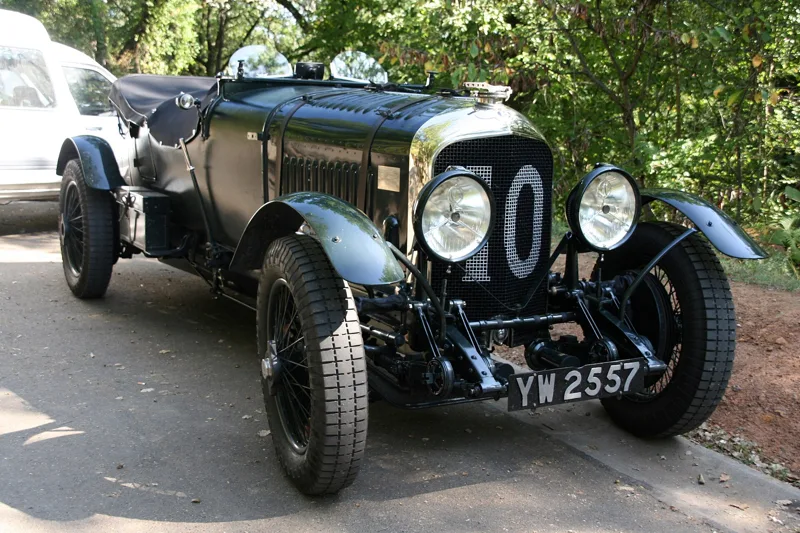
Three Le Mans victories came his way: in 1928, partnered by Bernard Rubin in the Bentley 4 1/2 litre, in 1929 with Sir Henry 'Tim' Birkin in the Bentley Speed Six nicknamed 'Old Number One', and in 1930 with Glen Kidston in the same car. Because those were the only years he entered, he never lost a start.
The 1927 race also fell to Bentley during his chairmanship, in a 3 Litre crewed by two drivers known as Benjy Benjafield and Sammy Davis.
What was the Blue Train challenge?
In March 1930, at the Carlton Hotel in Cannes, Barnato took on the Blue Train over the road to Calais. He bet 100 pounds sterling that he could reach London in his 6 1/2 litre Bentley Speed Six before the train reached Calais.
On 13 March, a little before 6pm, he pulled away from the Carlton with his friend Dale Bourne acting as unofficial co-driver. Fuel stops came at Aix-en-Provence, Lyon, Auxerre and Paris. He reached Boulogne's docks at 10:30 am on 14 March, ahead of the 11:30 sailing to Folkestone, and he was in St James's by about 3:30 pm. He had covered 830 miles (1,340 km) at an average of 43.43 miles per hour.
Which car is the real Blue Train Bentley?
The car that raced the Blue Train was an H. J. Mulliner-bodied formal saloon. A different car, a streamlined fastback Sportsman Coupe by Gurney Nutting, was delivered to him on 21 May 1930 and became known as the Blue Train Bentley because he named it in memory of the race.
The two cars are often confused, and a well-known painting by Terence Cuneo shows the Gurney Nutting car. Both vehicles still exist.
How did Barnato serve in the wars?
In World War I Barnato was an officer in the Royal Field Artillery, serving in France, Egypt and Palestine, and he reached the rank of captain in the later stages of the war. Between 1940 and 1945 he was a wing commander in the Royal Air Force, responsible for protecting aircraft factories against Luftwaffe raids.
What happened in his business dealings with the Joels?
Barnato had shared in the profits of the family business from 1897 to 1916. In 1917 he broke off the arrangements, and a long legal dispute in South Africa followed. He settled for 900,000 pounds plus 50,000 pounds in costs, and he later sued his family for a further 50,000 pounds and 23,883 pounds in disbursements.
How did the Bentley collapse affect him?
The Wall Street crash of 1929 and the Great Depression cut demand for the company's expensive cars. In July 1931 two mortgage payments guaranteed by Barnato fell due, and he told the lenders he could not meet the debts. On 10 July 1931 a Receiver was appointed to Bentley Motors Limited.
Napier was reported as a possible buyer, but Rolls-Royce took the firm in November 1931 for 125,000 pounds, through a sealed bid auction. Barnato's share proceeds came to around 42,000 pounds, having bought a sizeable stake in Rolls-Royce shortly before. By 1934 he had returned to the directors' table at Bentley Motors (1931) Ltd.
What were his interests away from the track?
Barnato won prizes for motor boat racing, including the 1925 Duke of York Trophy, with his Bentley-powered boat Ardenrun V. He also bred horses at Ardenrun and went hunting with the Old Surrey and Burstow packs, and he played first-class cricket as a wicket-keeper for Surrey from 1928 to 1930.
He was also a strong swimmer and a good amateur boxer, and his golf coaching came from the club professional Archie Compston at Coombe Hill.
What were the key dates in his life?
| Year | Event |
|---|---|
| 1895 | Born 27 September, London |
| 1921 | First motor race at Brooklands, after importing an eight-litre Locomobile |
| 1924 | Prototype Bentley 3 Litre obtained; 3-litre 24-hour record with John Duff |
| 1925 | Buys his first Bentley, a 3-litre, and wins the Duke of York Trophy for motor boats |
| 1927 | Bentley wins Le Mans under Barnato's chairmanship |
| 1928 | Le Mans win with Bernard Rubin |
| 1929 | Le Mans win with Tim Birkin in Old Number One |
| 1930 | Le Mans win with Glen Kidston; Blue Train challenge in March |
| 1931 | Bentley Motors goes into receivership; sold to Rolls-Royce in November |
| 1940-1945 | Wing commander with the Royal Air Force |
| 1948 | Dies 27 July; first Woolf Barnato Award presented by the SCCA |
How has his name been honoured?
The Sports Car Club of America gave its top honour his name. Its first presentation came in 1948, and the award has run each year since, except for the 1994 to 2001 spell when it carried the Carl Haas name.
Each year's recipient is put forward by the three previous winners and then approved by the SCCA board, which keeps the choice within the sport's own circle.
Where did Barnato live?
Barnato lived mostly in London. While married to Dorothy Maitland he had a house at 39 Elsworthy Road in Hampstead, and after his divorce he kept a flat at 50 Grosvenor Square in Mayfair. Fellow Bentley Boys had flats in the same block, and taxi drivers called the spot Bentley's Corner.
His country base was Ardenrun Place near Lingfield in Surrey, built between 1906 and 1909 for the Konig family, where he hosted lavish motor racing themed parties. A fire destroyed the house on 14 March 1933. In 1938 he built Ridgemead, a castellated home in Englefield Green, costing over 100,000 pounds.
Ridgemead had 25 bedrooms, a heated pool and 25 acres (10 ha) above the River Thames at Runnymede, and it included features such as central heating. He married three times, and his daughter Diana began flying training at Brooklands in 1938, aged 20, and later flew aircraft for the Air Transport Auxiliary in wartime.
What happened after his death?
He died at the London Clinic on 27 July 1948, following a thrombosis after an operation for cancer. The Bentley Old Number One led his funeral procession, decorated with flowers and wreaths. His resting place is St Jude's in Englefield Green, Surrey.
After his death his widow sold Ridgemead for 25,000 pounds, and the house became a nursing home.