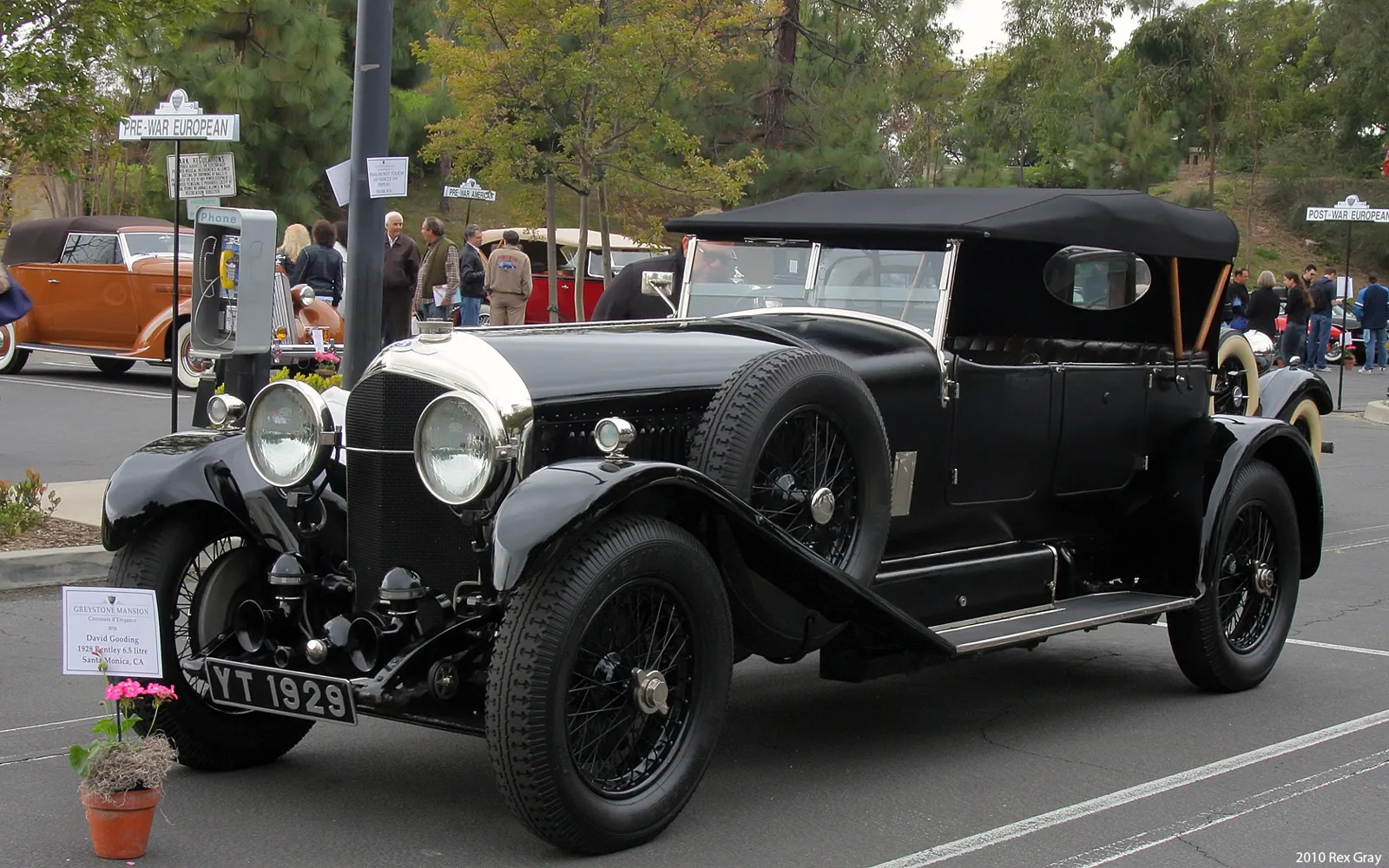
The 6.5 Liter struggled in competition, but the Speed Six built from it won Le Mans in 1929 and 1930 and carried the Bentley Boys legend.
The Bentley 6.5 Liter was a 1926 to 1930 sports car with a 6,597 cc six, and its Speed Six variant won the 1929 and 1930 Le Mans races. About 363 standard cars and 182 Speed Sixes were built before Rolls-Royce bought the firm in 1931.
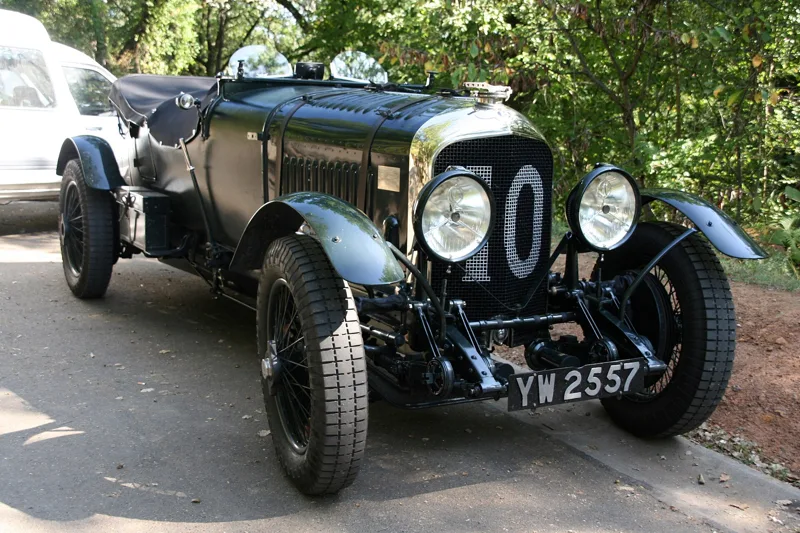
Built by Bentley Motors from 1926 to 1930, the 6.5 Liter was a luxury sports car with a 6,597 cc inline six producing 147 hp (108 kW). Its competition derivative, the Speed Six, did what the standard car never managed, winning Le Mans twice and restoring the marque's reputation.
Why did Bentley need a bigger car in the 1920s?
Bentley's 3 Litre had been in production since 1921 and was starting to look dated. Customers wanted a large car that could carry heavier closed bodies without losing acceleration, and W. O. Bentley's answer was a six-cylinder engine with more capacity.
Coachbuilders were producing larger, more luxurious and heavier closed bodies, so the newer cars needed more power to keep their performance. Drawing inspiration from the 7.7-litre Rolls-Royce Phantom I, Bentley built its first inline six, with 6,597 cc. Its 147 horsepower was nearly double the output of the 3 Litre.
Despite that output, the 6.5 Liter won no races. Tyre wear became a serious problem in competition, and that was one of the reasons Bentley developed the four-and-a-half Litre in 1927. The 6.5 Liter's real contribution came only when its engine was tuned for speed.
The 6.5 Liter struggled on track, but its Speed Six variant won Le Mans and rescued the marque's name.
What were the Bentley 6.5 Liter and Speed Six specifications?
The 6.5 Liter used a 6,597 cc inline six with 100 mm by 140 mm bore and stroke, and it made 147 hp (108 kW). The Speed Six added a higher compression ratio and a second carburettor, lifting output to 180 hp (134 kW) at 3,500 rpm.
| Specification | Figure |
|---|---|
| Engine | Inline six, 6,597 cc |
| Bore and stroke | 100 mm x 140 mm |
| Output, 6.5 Liter | 147 hp (108 kW) |
| Output, Speed Six | 180 hp (134 kW) at 3,500 rpm |
| Later Speed Six | 200 hp (147 kW) from 1929 |
| Gearbox | Four-speed non-synchromesh manual |
| Weight | 2,031 kg to 2,286 kg |
| Wheelbase | 2,984 mm to 3,302 mm |
| Top speed | About 150 km/h |
| Production | 363 6.5 Liter, 182 Speed Six |
The valvetrain was advanced for its period, with a single overhead camshaft working four valves per cylinder. Aluminium pistons were a major innovation, and each cylinder carried two spark plugs fed by a Bosch magneto and a Delco dual-coil system.
The rest of the car was conventional. It had a steel ladder frame, cable-operated drum brakes and semi-elliptic leaf springs with hydraulic dampers. The brakes were considered effective for a car of its weight, which ran from 2,031 kg to 2,286 kg.
How did the Speed Six win Le Mans in 1929?
The Speed Six Old Number One won the 1929 Le Mans 24 Hours with Woolf Barnato and Henry Birkin after 174 laps. It finished ahead of three Bentley four-and-a-half Litre entries, and that result made the Speed Six a name to reckon with.
Le Mans was still young in those years. The first race had been held in 1923, and in 1924 John Duff and Frank Clement won in a Bentley 3 Litre, a result that surprised W. O. Bentley, who had long refused to enter for fear of a technical failure.
Old Number One had been entered in the Brooklands Double Twelve a few weeks earlier, but a dynamo failure stopped it. It went on to win the Brooklands Six Hours after its Le Mans victory, a sequence that showed how much reliability the Speed Six had gained.
Did the Speed Six repeat its Le Mans success in 1930?
The Speed Six won again in 1930, with Woolf Barnato and Glen Kidston driving Old Number Two. The race was decided by a duel with the supercharged Mercedes-Benz SS, and Frank Clement and Richard Watney finished second for Bentley.
The race turned into a duel between the Speed Six and the Mercedes-Benz. Barnato's car was outpaced at first, then took the lead on the 36th lap, and the Mercedes had to use its supercharger repeatedly, a strategy that risked its engine.
Two supercharged Bentley Blowers were also entered that year, but reliability problems kept them out of the decisive contest. Bentley also took a one-two finish at the Brooklands Double Twelve in 1930, showing the Speed Six's versatility.
What was the Blue Train race?
The Blue Train race was an informal contest in March 1930 between Woolf Barnato's Speed Six and the Le Train Bleu. Barnato bet GBP 200 that he could reach London before the train reached Calais, and he won the wager.
Barnato and his friend Dale Bourne set off from the Croisette in Cannes as the train left the station at 5:45 pm. Heavy rain and dense fog slowed the drive through France, and a search for fuel at Auxerre cost them valuable time.
They reached Calais in the morning and crossed by ferry. They arrived in St James's Street at 3:20 pm, four minutes before the Blue Train reached Calais. French authorities then penalised them for speeding on public roads, and the fine ultimately exceeded the wager.
The identity of the car became confused for decades. Barnato's Blue Train Bentley was a car bodied by H. J. Mulliner, but he bought a Gurney Nutting fastback on May 21, 1930, and named it the Blue Train Special. The fastback was widely, though wrongly, linked with the run, and Bruce and Jolene McCaw later owned it.
How did the Speed Six end the Bentley Boys era?
The Bentley Boys era ended with the Speed Six. Prosperity faded after the Wall Street Crash of 1929, and the expensive six-cylinder development programme added to the company's liabilities. Speed Sixes priced between GBP 2,300 and GBP 2,500 were out of reach for many buyers.
W. O. Bentley lost control of the firm in 1931. Rolls-Royce Limited bought it in November of that year for GBP 125,175, and the marque's racing years passed into Rolls-Royce hands.
Who were the Bentley Boys?
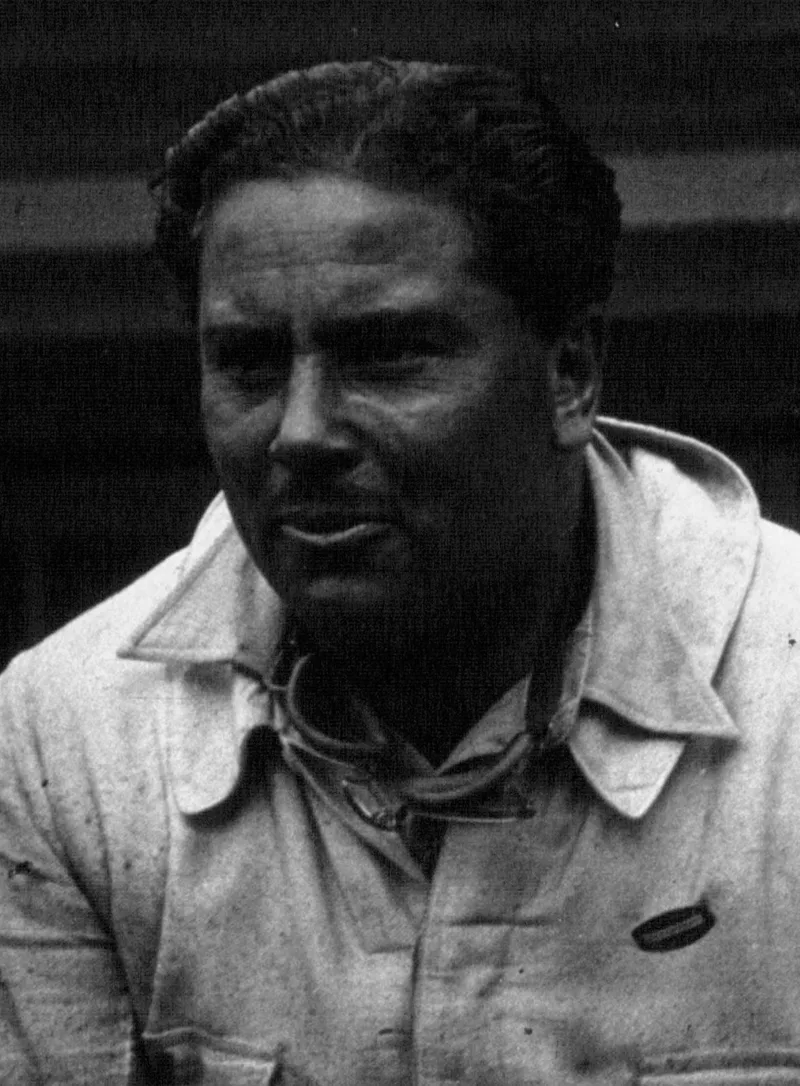
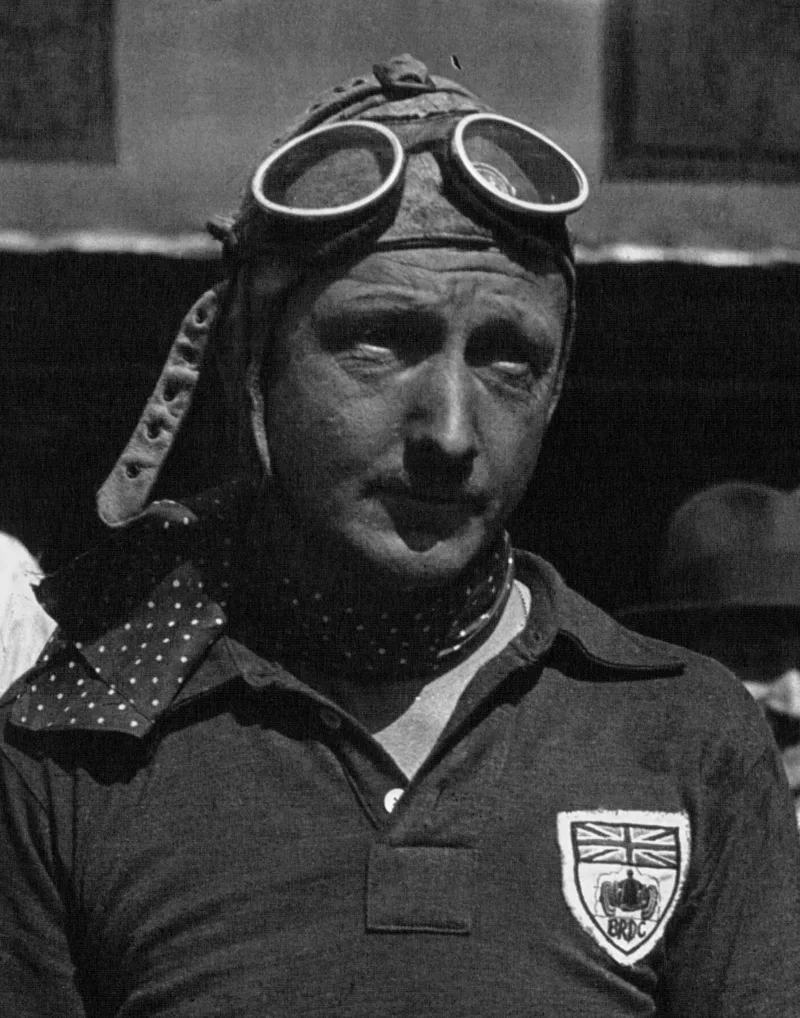
The Bentley Boys were a group of wealthy British drivers who raced Bentleys in the late 1920s, united by a shared love of speed and carefree living. Woolf Barnato led the group, and he won Le Mans in each of his three starts with a different co-driver.
The Speed Six's triumphs at Le Mans and Brooklands did much to lock the group's legend into the marque's history. Few other cars of the period carried a comparable reputation.
The group's era ended with the Speed Six. The Wall Street Crash of 1929 and the cost of the six-cylinder programme pushed Bentley into financial trouble that ended the company's independence.
How did the 6.5 Liter compare with the 3 Litre?
The 6.5 Liter was built to succeed the 3 Litre, which had been in production since 1921 and had won Le Mans in 1924. The bigger six added power and torque, but it made far less impact on the racetrack than the older car's record suggested.
The 3 Litre was a four-cylinder, and the six nearly doubled its output for a heavier car. Owners valued the bigger engine for carrying heavy closed bodies, but the competition record never matched the expectations set for it.
Did the Speed Six win at Brooklands?
Bentley's Brooklands results in 1930 showed how far the car's reliability had come after its difficult start. Few cars from the era combine a comparable racing record with so many surviving examples.
The 1929 Speed Six, with 200 hp (147 kW), rounded out the car's development for racing.
What are these cars worth today?
Most of the 545 combined examples still exist, and collectors generally value them between $400,000 and $600,000. Prices vary considerably with each car's competition history and degree of originality.
The 6.5 Liter was never a great racer on its own, but its Speed Six variant gave Bentley back its reputation and turned Old Number One into one of the most renowned cars of the early twentieth century. The Speed Six's achievements at Le Mans and Brooklands secured its place in the story of the marque.