A Spanish-Swiss marque that built prestige cars in Barcelona and Paris, powered Allied fighters in two wars and returned with an electric supercar.
Hispano-Suiza was a Spanish luxury carmaker founded in Barcelona in 1904, with a French arm from 1923. Its Hispano-Suiza 8 aero engine powered Allied fighters in World War I, and the brand returned in 2019 with the all-electric Carmen. The company later passed through French, Spanish and Snecma ownership.
Hispano-Suiza began in Barcelona in 1904 as a maker of luxury cars and grew into a group that also built aero engines, trucks and weapons. Its aircraft engines, designed under the Swiss engineer Marc Birkigt, earned the company its reputation, and a fully electric supercar, the Carmen, revived the name in 2019.
Where did Hispano-Suiza begin?
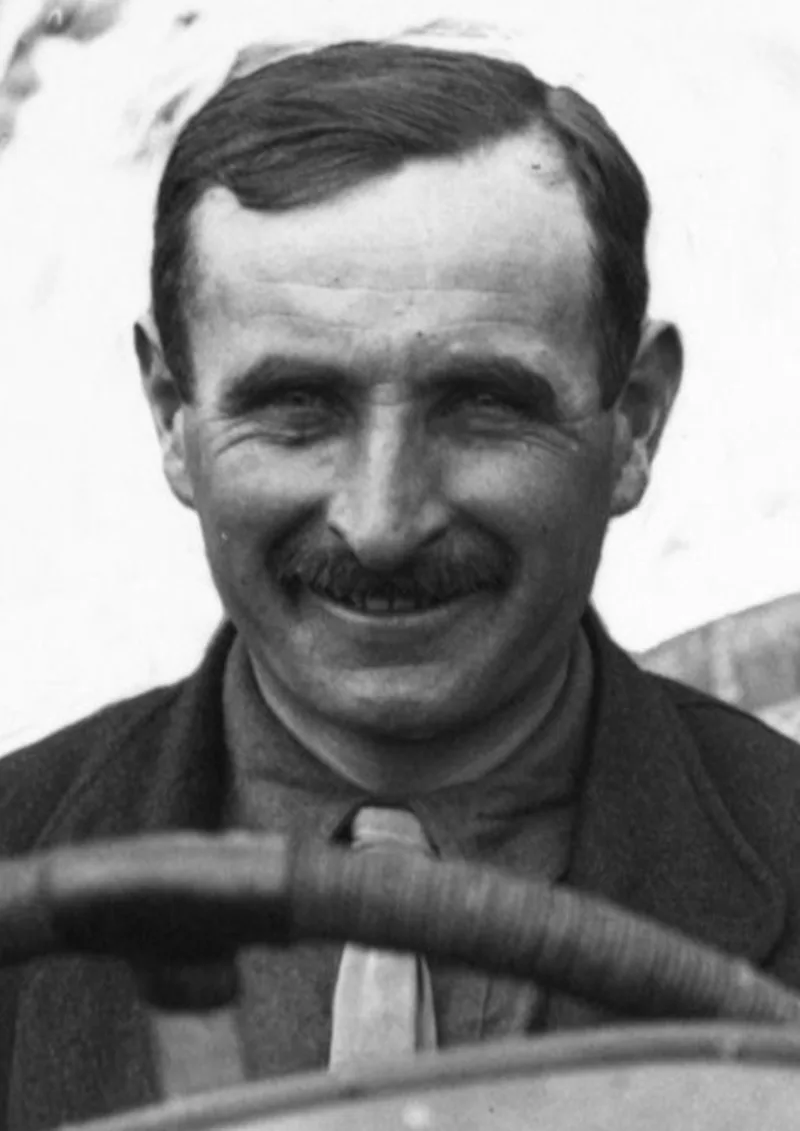
The firm grew out of an earlier Barcelona venture. Emilio de la Cuadra Albiol, an army artillery officer, set up electric car making in the city in 1898 under the La Cuadra name, and in Paris he met Birkigt and hired him. In 1900 the works produced its first combustion engines from a Birkigt design.
Ownership changed hands in the early 1900s. The Fabrica Hispano-Suiza de Automoviles went bankrupt in December 1903, and a 1904 restructuring created La Hispano-Suiza Fabrica de Automoviles, which survived and grew. Barcelona stayed the centre of the business until 1946, and other Spanish factories operated at Ripoll, Seville and Guadalajara.
The name is Spanish for Spanish-Swiss, a nod to the Swiss engineer behind its engines and the Spanish base of its works. Damian Mateu was the second founder and later became the family figure whose descendants would revive the brand more than a century later.
A Barcelona luxury marque whose aero engines carried Allied fighters, and whose name returned on an electric supercar.
Why did France become so important to the brand?
France became central because its market for luxury cars was larger than Spain's, which made Paris the natural home for the most expensive models. In 1910 a works driver, Jean Chassagne, raced a Hispano-Suiza in Boulogne and Catalan events and finished second and fourth, alongside works drivers Pilleveridier and Zucarelli.
In 1911 a plant named Hispano France began assembling cars at Levallois-Perret, a Paris suburb. Production moved in 1914 to larger works at Bois-Colombes, which soon became the main plant for the largest and most costly models. The French operation was the company's premier luxury car base.
In 1923 the French arm was incorporated as Societe Francaise Hispano-Suiza. The Spanish parent kept 71% of the share capital but gave the French company wide financial and project freedom, so that design direction could sit closer to its main markets.
What made the Hispano-Suiza 8 engine important?
The Hispano-Suiza 8 was the aero engine that made the name famous in the First World War. Birkigt built its block as a single casting of aluminium with thin steel liners, which produced a lighter and more durable engine than the bolted steel cylinders then common.
The V8 also carried overhead camshafts, propeller reduction gearing and other features that did not reach rival engines until the late 1920s. Later HS.8B and HS.8C versions added a hollow propeller shaft, which let heavy rounds fire through it and removed the need for a synchronising gear.
Licensed and company-built examples were used across the Allied air forces. Hispano-Suiza aero engines became the most widely used in the French and British services, and they were fitted to more than half of the Allied fighters by the war's end.
What did the car range look like after the war?
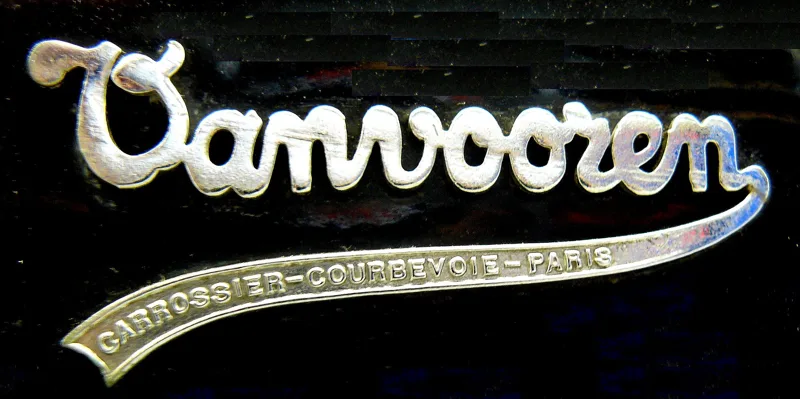
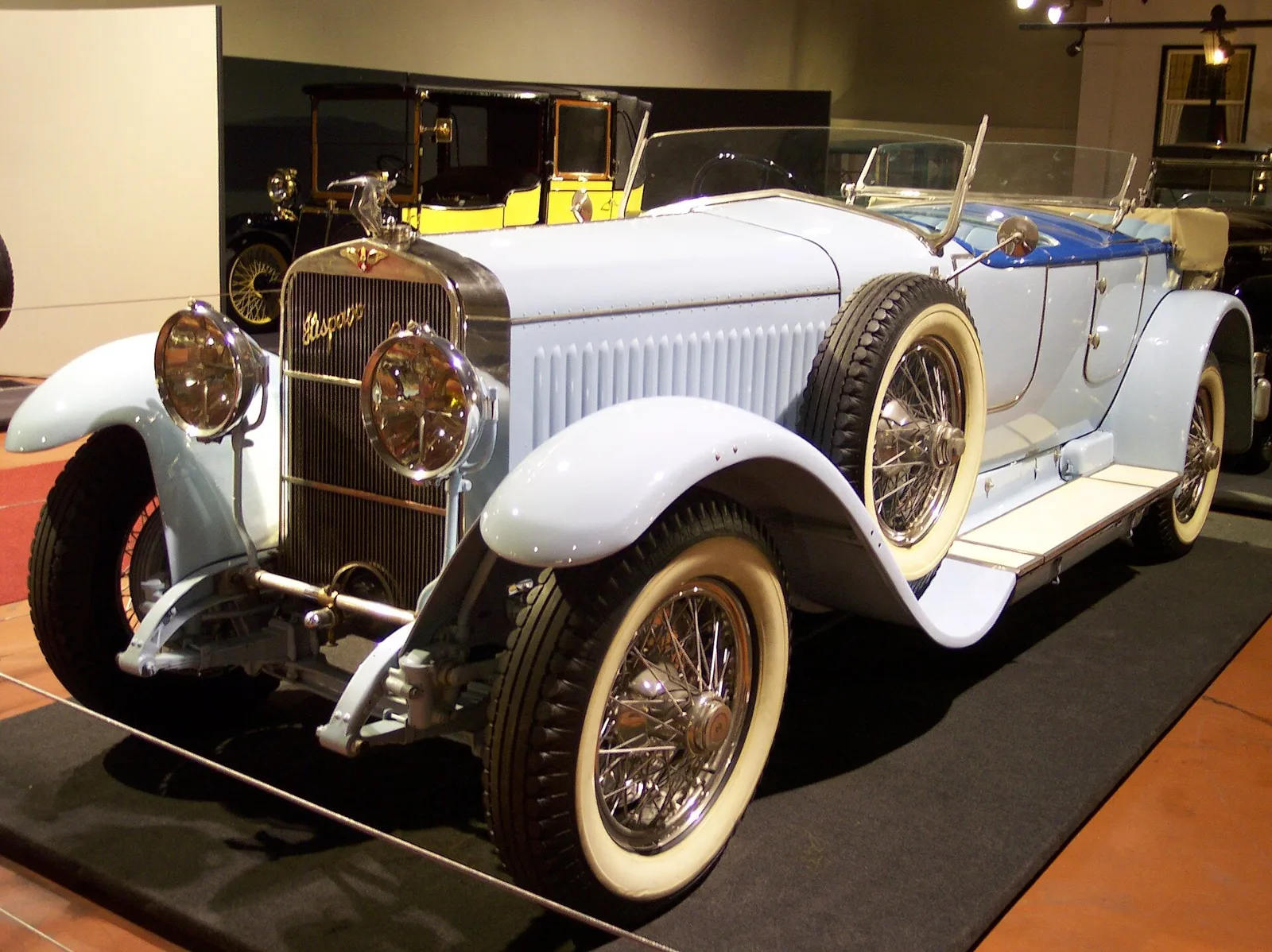
After the war the company returned to road cars, and in 1919 it introduced the H6, an inline six with an overhead camshaft derived from its V8 aircraft engines. Coachwork came from well-known builders such as Hibbard and Darrin and D'Ieteren, which gave the H6 a prestige image.
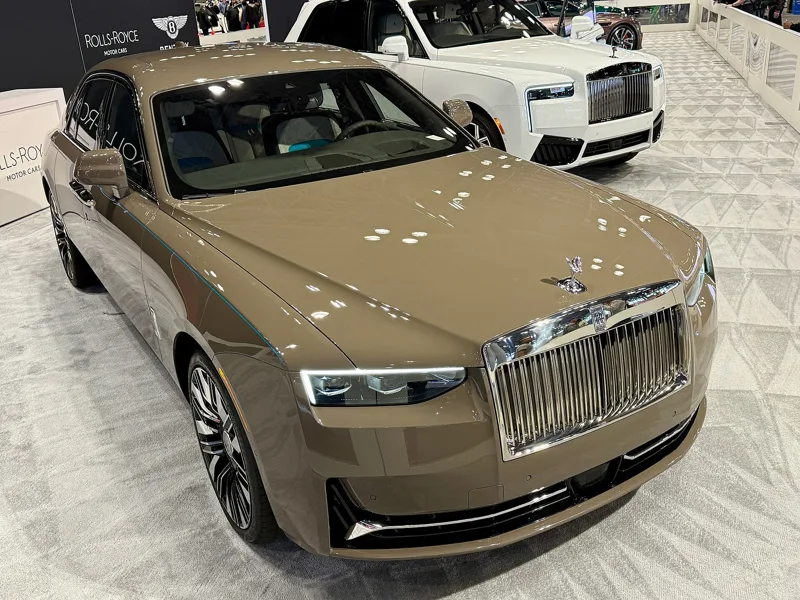
Licences for Hispano-Suiza patents were in demand among prestige makers. Rolls-Royce used several of them, and for many years carried brakes of Hispano-Suiza design. The stork mascot on the radiator, taken from the emblem of Georges Guynemer's squadron, became one of the most recognised features of the marque.
Through the 1920s and into the 1930s, the luxury range grew more powerful, with overhead camshaft engines of increasing performance. In the 1930s, however, the V-12 car engines went back to pushrod valve actuation, which cut engine noise.
Smaller models and Argentina
Smaller cars were built in Spain. The T49 and T48 were four and six-cylinder models made by the Spanish arm, and the company later used a 3-litre pushrod six, later enlarged to 3.4 litres, for the Barcelona-built T60.
Carlos Ballester secured the right to represent the marque in Argentina in 1925. Chassis were imported at first, and the arrangement later grew into full local production through a firm known as HAFDASA.
Which luxury models came from the French works?
The H6B ran from 1919 and the H6C from 1924, both through the late 1920s. The French division also built the J12 from 1931 to 1938 and the K6 from 1934 to 1937, while the Hispano-Suiza Junior, or HS26, was produced at the start of the 1930s.
Czechoslovakia also produced the H6 and H6B, while Argentina made the T49 between 1939 and 1944. Most French-built models carried the luxury coachwork that gave the marque its name abroad, while the Spanish works mostly built the smaller, less expensive models.
How did the Spanish Civil War affect Hispano-Suiza?
After the civil war broke out in 1936, the Catalan government took control of the Spanish factories on behalf of the Republic and put the company on a war footing. The business was split into three sections covering aircraft engines and cannons, cars and trucks, and machine tools.
International isolation of the Republic left the Spanish works short of supplies. Those shortages hit the Spanish works hard, and road car output became a secondary concern.
In 1937 the French state took a 51% share in the French subsidiary to supply war materiel. In 1938 the French company stopped making cars and concentrated on aero engines. Its new V-12 units, including the 12Y, were in great demand, but without the Spanish factories there were too few engines for the expanding French air force.
When the Second World War began, many new French fighters were grounded for want of an engine, because the Spanish plants had supplied much of the capacity the French side needed.
What weapons did Hispano-Suiza produce?
The company's cannon work was a major part of its wartime role, and the design reached British and American service. The HS.9 was followed by the HS.404, a 20 mm autocannon. British production followed a licence, and the gun armed nearly every RAF fighter of the period.
A higher-performance 20 mm design, the HS.820, was used in the United States as the M139. In 1970 Hispano-Suiza sold its armaments division to Oerlikon, and the HS.820 became the KAD.
What happened to the Spanish car business after the war?
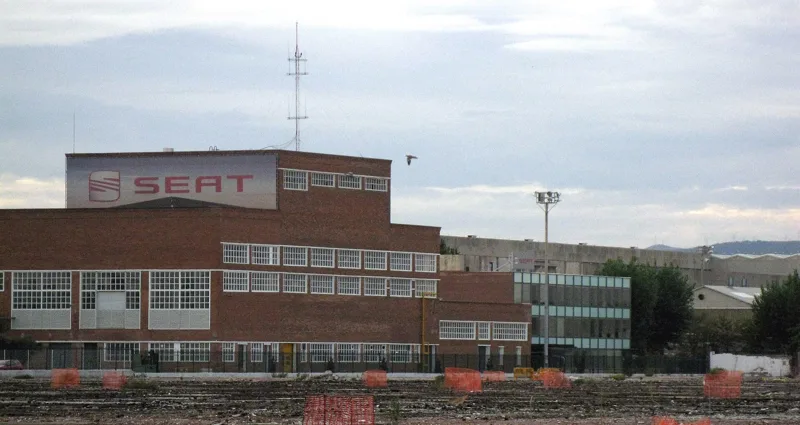
In 1940 Hispano-Suiza helped set up S.I.A.T., the Sociedad Iberica de Automoviles de Turismo, together with Banco Urquijo and several industrial groups. That venture led to SEAT, which became Spain's first mass-production car maker. The venture was formed while the Spanish arm was under heavy strain.
After the civil war the Spanish arm suffered badly from a wrecked economy and trade embargoes. In 1946 the Spanish automotive business passed to Enasa, a state-run concern that built Pegaso trucks, buses and, for a time, sports cars.
How did the French arm change after the war?
Once the war was over, the French side remained mainly an independent aerospace firm. It focused increasingly on turbines, and in 1968 it was taken over by Snecma, which later became part of the French Safran Group. That takeover ended the French side's independence in engines and components.
The French side of the business kept the Hispano-Suiza name for many years after the car range had gone, and its aero and turbine work carried the engineering heritage forward into the jet age.
Did Hispano-Suiza return to cars later?
Yes, but only as concept cars. The HS21 concept was a mid-engined two-seater shown in 2000, designed by the Barcelona firm Mazel Group Engineering and based on a Renault Sport Spider. A luxury sedan, the K8, followed the year after.
In 2002 Mazel presented the HS21 GTS, aimed at the Le Mans race. The car never raced, and none of the earlier concepts entered production. A later attempt, the V10 Supercharged shown at the 2010 Geneva show, was built around an Audi R8 5.2 base and was expected to cost around EUR700,000, but production never followed.
What is the Hispano-Suiza Carmen?
The Carmen is the company's official revival car, unveiled at the 2019 Geneva Motor Show. It is a fully electric supercar that produces 1,119 HP and was presented by Hispano Suiza Cars, a firm tied to the Peralada Group, which the Suque Mateu family owns.
The Carmen's design draws on the 1938 H6B Dubonnet Xenia, a link back to the marque's pre-war luxury heritage. The car marks the first serious return of the Hispano-Suiza name to road production since the earlier concepts.
Who has led Hispano-Suiza?
Damian Mateu Bisa was president from 1904 to 1935, and Miguel Mateu Pla followed from 1935 to 1946. Miguel Suque Mateu has been president since 2018, carrying the family's involvement into the revival. The presidents' tenures show how one family ran the company for most of its history.
Sergio Martinez Campos has been chief executive since 2019, leading the Carmen programme and the group's modern activities. The Mateu family's involvement therefore spans the 1904 founding, the 1935 handover and the modern revival.
What are the key Hispano-Suiza figures?
| Item | Detail |
|---|---|
| Founded | 1904, Barcelona, by Marc Birkigt and Damian Mateu |
| French arm | Societe Francaise Hispano-Suiza from 1923; Spanish parent kept 71% |
| Hispano-Suiza 8 | Aluminium cast-block V8 with overhead camshafts |
| H6 | Inline six with overhead camshafts, 1919 |
| J12 | Made in France, 1931 to 1938 |
| HS.404 | 20 mm autocannon for RAF fighters |
| Spanish assets | Sold to Enasa in 1946 |
| Snecma takeover | 1968, French aero arm |
| V10 concept | Audi R8 5.2 base, around EUR700,000, 2010 |
| Carmen | All-electric, 1,119 HP, 2019 |