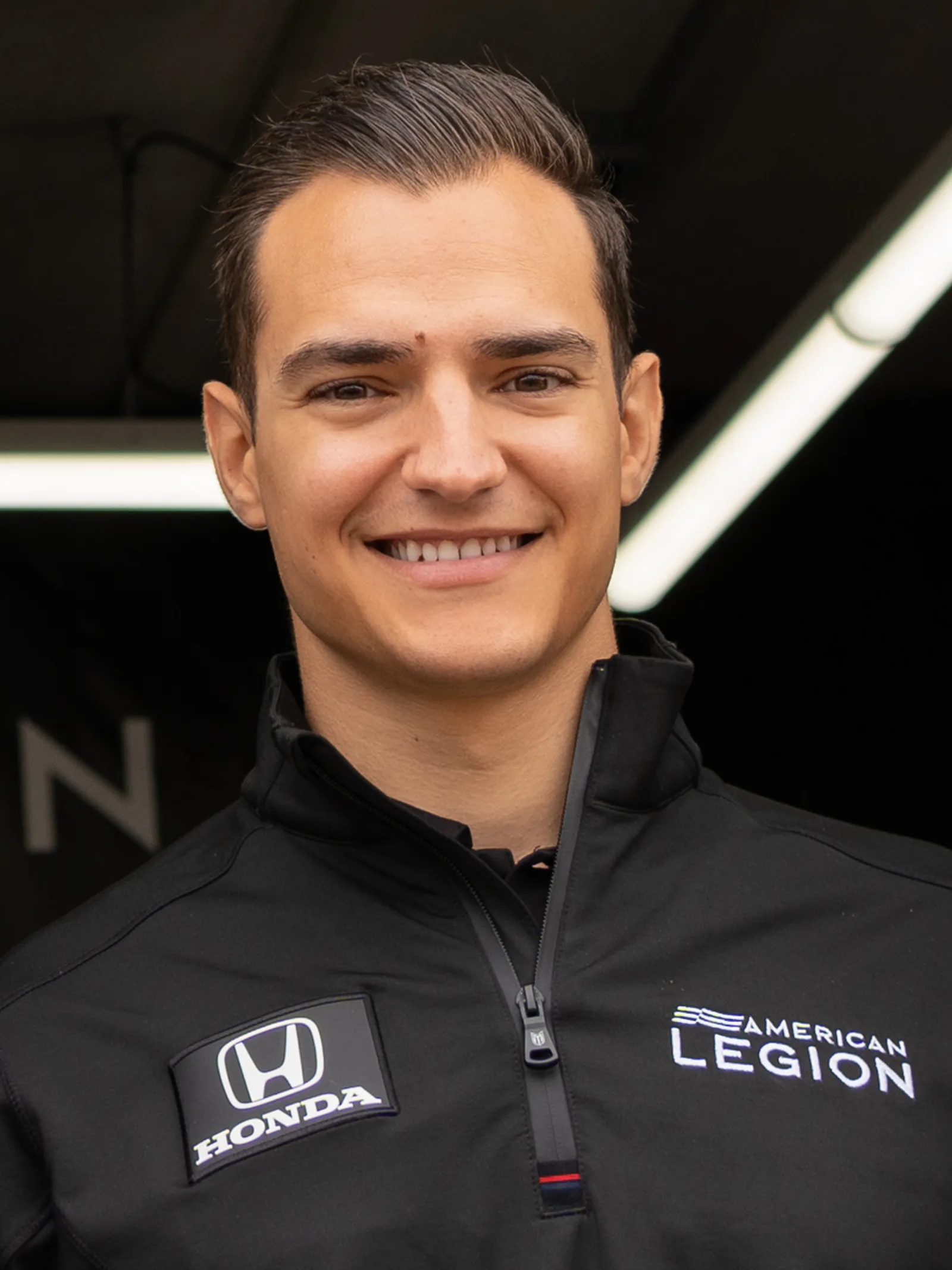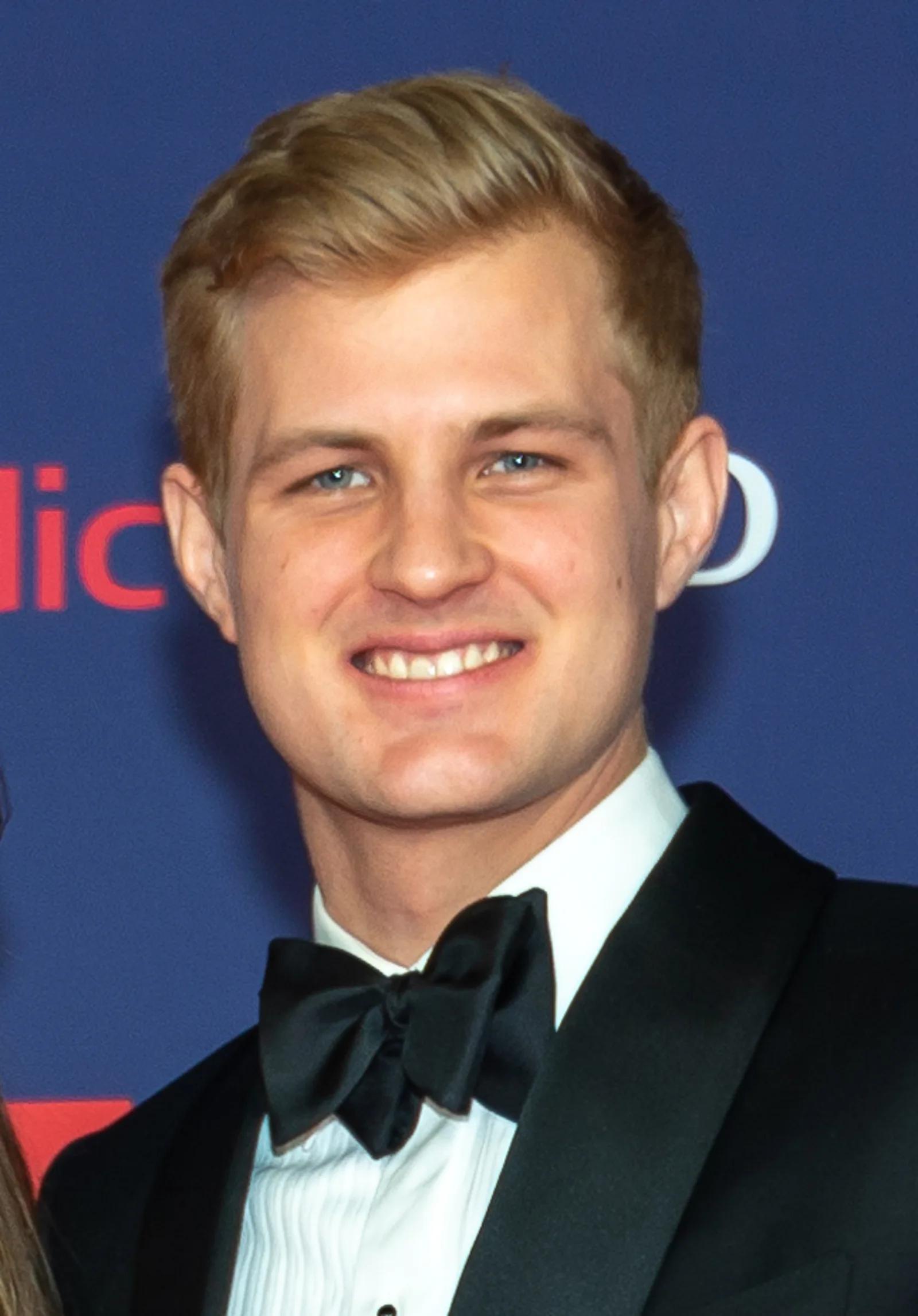
From a British Formula BMW title at 16 to a Formula One career of 97 starts and an Indianapolis 500 victory in IndyCar.
Ericsson, a Swede born in 1990, races in IndyCar for Andretti. His Formula One years with Caterham and Sauber ended in 2018, and in 2022 he took the Indianapolis 500 with Chip Ganassi, then finished second in the 2023 running.
Marcus Ericsson is a Swedish racing driver from Kumla who now competes in IndyCar for Andretti. He raced in Formula One from 2014 to 2018 with Caterham and Sauber, and he won the 2022 Indianapolis 500 for Chip Ganassi Racing. His route from British Formula BMW to the Brickyard shows how a patient driver can build a long career across very different categories.
Who is Marcus Ericsson?
Marcus Thorbjorn Ericsson, born 2 September 1990, is a Swedish driver with Andretti Global in IndyCar. He raced for Caterham and Sauber in Formula One from 2014 to 2018, won the 2022 Indianapolis 500 for Chip Ganassi Racing and was second at the 2023 race.
He was born in Kumla, in Orebro County, and his first taste of motorsport came at nine, racing karts. He is married to Iris Tritsaris Jondahl, and the couple live in Indianapolis. His younger brother Hampus also races, and Marcus has said he coaches him and manages his career.
A patient driver who went from Japanese Formula 3 to the Brickyard, with an Indianapolis 500 win along the way.
How did Ericsson climb the ladder to Formula One?
Ericsson took the 2007 British Formula BMW title with Fortec Motorsport at 16, winning by 40 points. He then won the 2009 Japanese Formula 3 championship in his debut year with TOM'S, and in 2010 he moved to GP2, where he took one win at Valencia with Super Nova.
Karting came first. Fredrik Ekblom, who ran a kart circuit, persuaded his father, Tomas, to buy him a kart, and Ericsson stayed in karting for the next four years. His family could not afford formula cars, so a racing career was not something he had planned. Kenny Brack, the 1999 Indianapolis 500 winner, began backing him in 2006 after watching him at a race in Gothenburg. Brack compared his patience on track to that of Alain Prost.
The British title was his first major success in cars. Ericsson won it by 40 points from Josef Kral, and he was the final champion of the British Formula BMW series before it merged with the German series into a European championship.
Richard Dutton, head of Fortec Motorsport, had raced against Brack in British Formula 3 and took Ericsson on for the 2007 title challenge. Autosport called him the best young talent Brack had ever seen. When he was later offered a place with ASM, he chose to stay in England with Fortec.
In British Formula 3 in 2008 he finished fifth overall with two poles but no wins. He then signed with TOM'S for 2009 in Japan, where he won the title and took pole for the Macau Grand Prix, finishing fourth in the main race.
Ericsson said Japan offered better preparation for Macau than another season in the British championship. He also won races as a guest in British Formula 3 that year, before turning his attention fully to Japan.
Did GP2 and Formula One follow a straight path?
Not quite. Ericsson moved between iSport, DAMS and Super Nova in GP2 before Caterham gave him a Formula One seat for 2014. He finished the 2013 season sixth with DAMS, after poles in Spain and Great Britain and a feature win in Germany.
At Super Nova he was replaced for the last two rounds of 2010 by Jake Rosenzweig. He moved to iSport for 2011, alongside Sam Bird, and stayed with the team in 2012 with Jolyon Palmer as teammate. That year he won at Spa and finished eighth in the standings.
Caterham named him as a candidate for 2014 on 21 November 2013. The team confirmed him as its race driver on 21 January 2014, alongside Kamui Kobayashi, with Robin Frijns as reserve.
What was his Formula One record with Caterham?
Ericsson joined Caterham for 2014 alongside Kamui Kobayashi and debuted at the Australian Grand Prix, qualifying 20th. He finished 19th in Russia and 11th in Monaco, just missing his team's first points, before the team went into administration in October 2014.
Qualifying was a repeated problem. He was last on the grid in Malaysia, where he finished 14th, and he was the last classified finisher in Spain at 20th. In Monaco a qualifying collision with Felipe Massa cost him two penalty points and a pit lane start.
In Hungary he crashed in the rain and destroyed the car. He terminated his Caterham contract on 12 November 2014. He then flew to Texas to commentate on the United States Grand Prix for Swedish television, and he had a new drive for 2015 by then.
How did his Sauber years go?
Sauber signed Ericsson on 1 November 2014 at the US Grand Prix. He finished eighth in his first race for the team in Australia, the first points-scoring finish by a Swedish driver since Stefan Johansson's third place at the 1989 Portuguese Grand Prix.
The 2015 season had flashes of pace. He qualified tenth in Malaysia and China. In Malaysia he spun on lap four while trying to pass Nico Hulkenberg, which ended his race, and in Bahrain he was eighth before a pit stop error dropped him to 14th. By the Italian Grand Prix, where he finished ninth, he had collected his fifth points finish of the year. Over the summer break Sauber extended both his deal and that of teammate Felipe Nasr for 2016.
Sauber missed pre-season testing in 2016 because of financial concerns, which hurt its car development. Ericsson's best result was 11th in Mexico, and he came close to a first point at Singapore before a strategy error by the team cost him the chance. A grid penalty in Canada followed a collision with his teammate in Monaco. He recovered from first-lap contact in Russia to finish 14th, and he crashed out in Brazil before a 15th place in Abu Dhabi.
The 2017 season opened with a hydraulic problem in Australia that forced his retirement. It also brought an 11th place in Azerbaijan, his best of the year, and a 13th in Canada. He then went the rest of the season without points. In 2018 the Bahrain race was the first time he had scored since Italy in 2015, after 49 races without a point, and he added finishes at Austria, Germany, Belgium, the United States and Mexico.
Did his Formula One years stand out?
His five seasons produced 97 Grand Prix starts, and Ericsson has described them as mentally challenging, a contrast to the success he later found in IndyCar. The 2018 Italian Grand Prix brought one of the most dramatic accidents of his time at Sauber.
In practice for the Italian Grand Prix a DRS failure sent his car into the wall at the first corner. It rolled three times before coming to rest on its wheels, and he was uninjured. Sauber had by then become the Alfa Romeo Sauber F1 Team, with Charles Leclerc alongside him.
Just before the 2018 Russian Grand Prix, Sauber announced that Antonio Giovinazzi would replace him. The team kept him as third driver and brand ambassador, but his race seat was gone.
How did his IndyCar career take shape?
Ericsson joined Schmidt Peterson Motorsports for 2019, and his rookie year included a podium at the Detroit Grand Prix. He finished the season 17th in points. In 2020 he moved to Chip Ganassi Racing, where the pandemic shortened the season, and he scored top-ten finishes in over half of his races, with a best of fourth at the second Road America race. He re-signed with Ganassi in October 2020 for at least two more seasons.
2021 was his breakout season. He was middling before the Indianapolis 500, but he out-scored both of his teammates and the rest of the field after the race. He won the first race of the Detroit doubleheader when race leader Will Power's car would not restart after a red flag, his first win in any category since a 2013 GP2 race. He then finished second at Mid-Ohio and won at the chaotic inaugural Nashville round.
He finished sixth in the 2021 standings with 435 points. The next year he took his first podium on an oval at Texas with third place. In 2023 he won the season-opening race at St. Petersburg and finished sixth in the standings for the third year running.
What happened at the Indianapolis 500 in 2022 and 2023?
He took the 2022 race under caution, holding off Pato O'Ward during a late restart, and became the second Swedish winner after Kenny Brack in 1999. In 2023 he finished second, passed by Josef Newgarden on the final lap of the race.
He raced the 2022 event in a helmet painted to honour Ronnie Peterson, the Swedish Formula One legend. The win gave him the championship lead for the first time in his career. A six-race run of top-ten finishes followed, though a second place at Road America was his last podium of that season.
His Indianapolis story has one more twist. He initially finished second in the 2025 race, but he was disqualified after the event when his car failed technical inspection.
Where does his career stand at Andretti?
Ericsson moved from Chip Ganassi Racing to Andretti Autosport for 2024, an announcement made on 23 August 2023. The move kept him in the same series at the top level of American open-wheel racing. He now drives the No. 28 Dallara-Honda for Andretti Global.
| Series | Years | Team | Main result |
|---|---|---|---|
| British Formula BMW | 2007 | Fortec Motorsport | Champion, 40 points clear |
| Japanese Formula 3 | 2009 | TOM'S | Champion in his debut year |
| GP2 Series | 2010-2013 | Super Nova, iSport, DAMS | Sixth in 2013; wins at Valencia, Spa and Germany |
| Formula One | 2014-2018 | Caterham, Sauber | Eighth at Australia in 2015; 97 starts |
| IndyCar Series | 2019-present | Schmidt Peterson, Chip Ganassi, Andretti | Indianapolis 500 winner in 2022 |