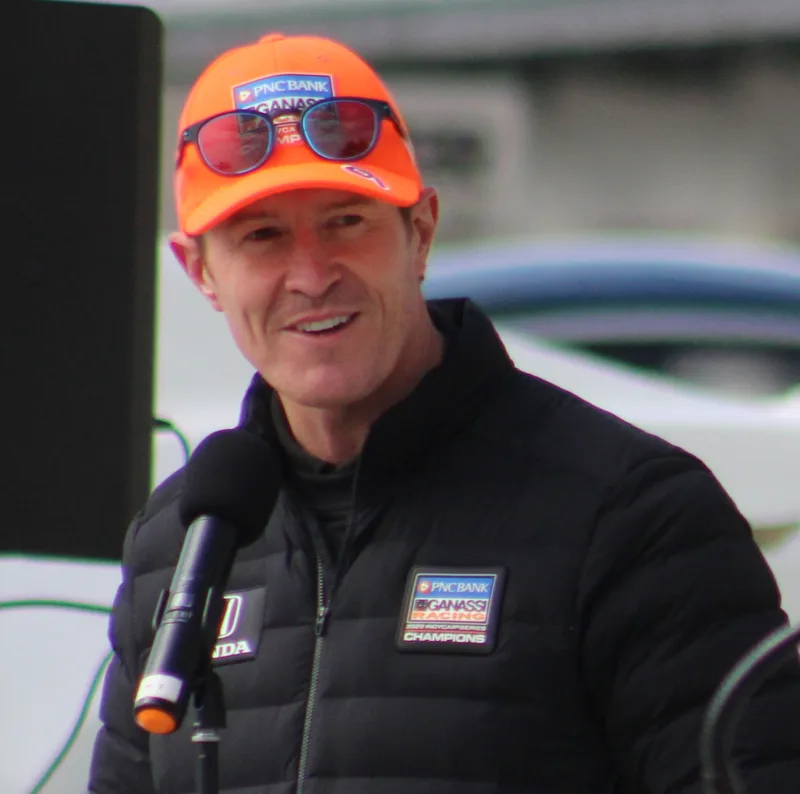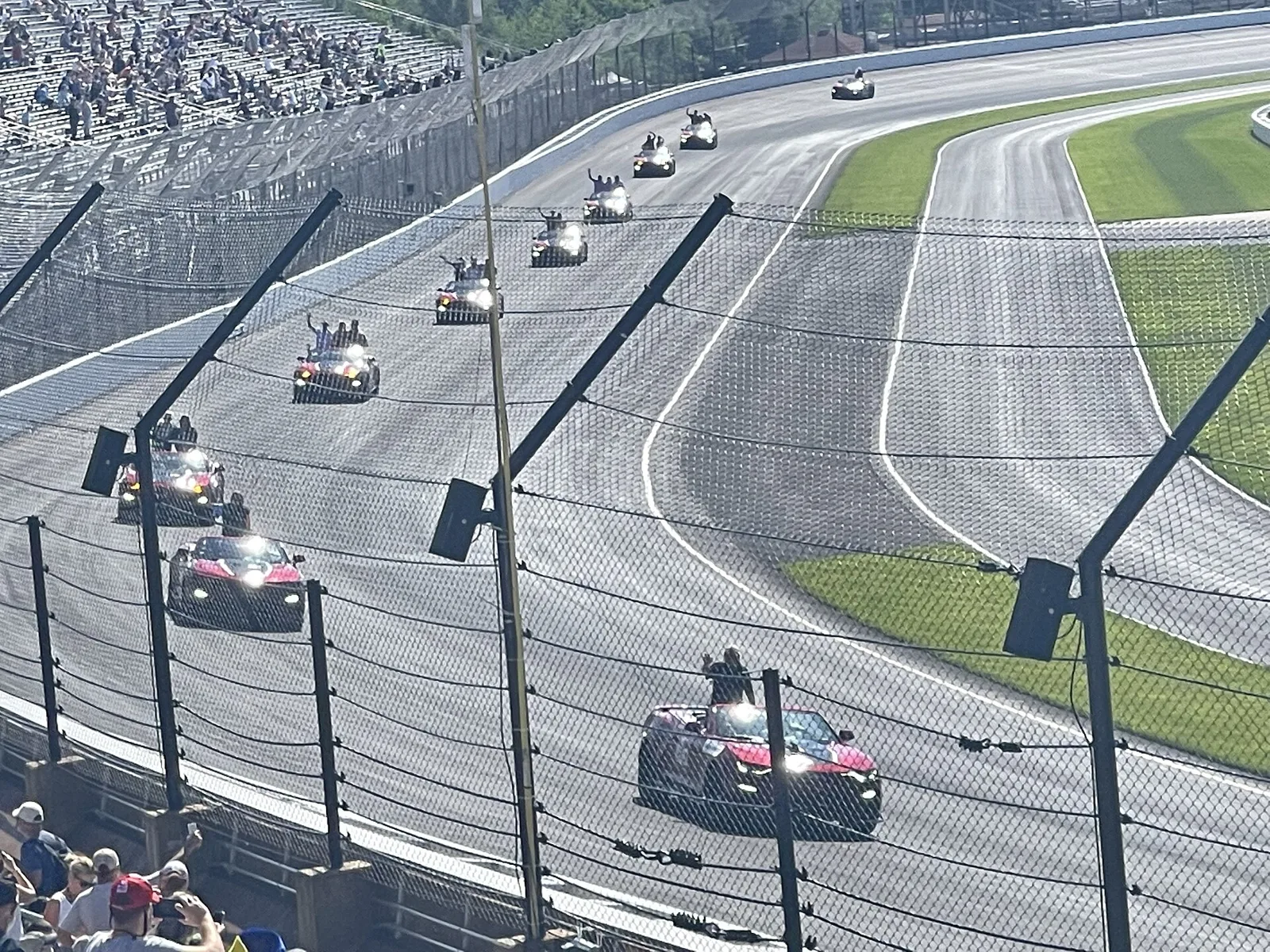
Dixon took pole at a record-setting speed and led 95 laps, but a speeding penalty with 25 laps to go handed Ericsson the win and a second Swedish victory.
The 2022 Indianapolis 500 was won by Marcus Ericsson after Scott Dixon was penalised for speeding with 25 laps to go. Dixon had started from pole and led 95 laps. Ericsson became the second Swedish winner in the race's history, behind Kenny Brack in 1999.
Marcus Ericsson won the 106th Indianapolis 500 on Sunday 29 May 2022, but the race had belonged to Scott Dixon until a speeding penalty with 25 laps to go. Dixon had led 95 laps, and when he was sent through the pit lane, the lead passed to his teammate Ericsson. It made Ericsson only the second Swedish winner of the race, after Kenny Brack in 1999.
What was the 2022 Indianapolis 500?
The 2022 race was the 106th running of the Indianapolis 500, a 500-mile contest over 200 laps at the Indianapolis Motor Speedway. It was the sixth round of the IndyCar season, and it was presented by Gainbridge in the fourth year of its four-year deal from 2019.
The season had been unusually open. The first five races were shared out among four winners, including Scott McLaughlin at St. Petersburg for his first IndyCar win. Josef Newgarden won at Texas and Long Beach, Pato O'Ward took the Alabama round, a two-hour event cut short by rain, and Colton Herta took the GMR Grand Prix. Will Power arrived as the series points leader without a win.
The month began on 14 May with the GMR Grand Prix on the road course. Oval practice opened on 17 May, time trials ran on 21 and 22 May, and Carb Day came on 27 May. The 2022 schedule had been set in September 2021, and the Freedom 100 for Indy Lights was left off the calendar for the third year in a row.
Dixon led 95 laps and set the pole, but a pit-lane penalty handed the race to his teammate.
How did Dixon take pole?
Scott Dixon won the pole with a four-lap average of 234.046 mph (376.661 km/h), his fifth career Indianapolis 500 pole and Chip Ganassi Racing's seventh. The speed stood as the fastest in the event's history until Scott McLaughlin beat it in 2024, and it was the third-fastest qualifying attempt ever made there.
Dixon's total put him second on the all-time pole list at the Speedway, behind Rick Mears, who had six. The top 12 starting positions split almost evenly, with seven Hondas and five Chevrolets.
Qualifying used a new format that year. The top 12 cars from the first day advanced to a second round on Sunday, and the top six from that round went into the final shootout for pole and the next five spots.
Why did Dixon lose the race?
Dixon was penalised for speeding in the pit lane during his final pit stop, with 25 laps to go. The drive-through dropped him out of the fight for the win and gave Ericsson the lead. Dixon had led the most laps, 95, and he had dominated the race alongside his teammate Alex Palou until that point.
The day also brought a milestone. Along the way, Dixon also moved to the top of the all-time lap-leader list for the 500.
The penalty turned the last stint into a different race. Ericsson took the lead and then had to fend off the rest of the field, most dangerously Pato O'Ward, as the laps ran down.
How did Ericsson hold off O'Ward?
The restart came with two laps to go, after the penalty had put Ericsson in front. O'Ward pressed hard, but Ericsson kept him at bay to take the win. The previous Swedish winner had been Kenny Brack, who won in 1999.
Double championship points still applied to the 500, as they had since 2014.
What changed in the rules for 2022?
The pit crew rules tightened. Crew members were prohibited from physically assisting the car out of the pit box, and cars had to leave under their own power. Pneumatic wheel guns could no longer carry electronic devices, which banned the smart guns with electronic torque sensors.
Bonus championship points went to the top 12 qualifiers, with 12 points for pole down to one for 12th. From 2018 to 2021 only the top nine qualifiers had earned bonus points.
Qualifying itself was expanded. The two-day format introduced in 2019 grew into a three-round system, with the leading 12 from the first day advancing to Sunday.
How did the two-day qualifying format work?
Saturday's qualifying ran from 12:00 p.m. to 5:50 p.m., with the top 12 advancing to Sunday's second round. Sunday began with Last Chance Qualifying at 2 p.m., followed by the top 12 at 4 p.m. and the Fast Six at 5:10 p.m.
A car's place could be earned or lost across two days. Anything ranked 31 or lower on Saturday had to qualify again on Sunday, and the Last Chance session decided the last three spots on the grid.
The 33-car field and its late additions
Thirty-two car and driver combinations were official in time for the April open test. Paretta Autosport, linked to Ed Carpenter Racing, said on 19 April that it would stay out of the race and concentrate on road and street events over the summer.
The 33rd and final entry arrived on 5 May, when DragonSpeed and Cusick Motorsports agreed to field a car together. The official entry list was published on 16 May, and it showed every car running the Dallara DW12 with the Universal Aero Kit 18, and Firestone tyres.
What happened in the autumn test before the season?
A private offseason Firestone tyre test was scheduled for 8 October 2021. Helio Castroneves and Pato O'Ward were due to take part, and Jimmie Johnson and Romain Grosjean completed the Rookie Orientation Program on 6 October. Series officials then ruled that both had done enough laps to be eligible for the April open test.
Lingering rain hampered track activity, but both rookies completed phases one and two, and about half of phase three, before a downpour closed the track at 4:15 p.m.
On 8 October Castroneves and O'Ward ran baseline tests and preliminary KERS work, with no incidents reported and no speeds announced.
What went wrong in the April open test?
The full-field open test ran on 20 and 21 April, and it was marked by incidents on the warm-up lanes. Helio Castroneves spun almost 360 degrees and hit the outside wall, Will Power spun out of the warm-up lane onto the track, and Colton Herta lost control and brushed the outside wall.
After three incidents, IndyCar ended the session 40 minutes early so that officials and Firestone could inspect the pit exit. A chemical sealant laid the previous autumn was the suspected culprit, because grip on the warm-up lanes was far lower than on the racing surface. Overnight, the crews dragged tyres along the surface and scrubbed the asphalt.
The second day was moved to the afternoon because of rain. Josef Newgarden was fastest at 229.519 mph (369.375 km/h), and Rinus VeeKay led the no-tow ranking at 221.314 mph (356.170 km/h). Castroneves did not run, because his Meyer Shank team chose to keep the car off track while the earlier damage was repaired.
Practice speeds at a glance
| Session | Date | Fastest driver | Speed |
|---|---|---|---|
| Open test, opening session | 20 April 2022 | Scott Dixon | 225.622 mph (363.103 km/h) |
| Open test, second day | 21 April 2022 | Josef Newgarden | 229.519 mph (369.375 km/h) |
| Opening practice, veterans | 17 May 2022 | Scott Dixon | 227.119 mph (365.513 km/h) |
| Opening practice, combined | 17 May 2022 | Takuma Sato | 228.939 mph (368.442 km/h) |
| Thursday practice | 19 May 2022 | Takuma Sato | 227.519 mph (366.156 km/h) |
| Fast Friday | 20 May 2022 | Takuma Sato | 232.789 mph (374.638 km/h) |
What happened in practice week?
Practice opened on 17 May with a veterans-only session at 9 a.m. Rookie testing followed at noon, when Stefan Wilson was the only driver taking part and passed his refresher. Honda-powered cars took eight of the top ten spots in the combined session that afternoon, when 33 drivers turned a combined 3,229 laps.
Rain washed out the whole of 18 May. The track closed at 3:15 p.m., and a whole practice day had not been lost to weather since 2016.
Thursday practice ran from noon to 6 p.m. and produced 3,114 laps. Sato was fastest for the second session in a row, and Will Power set the fastest no-tow lap at 224.325 mph (361.016 km/h).
Who was fastest on Fast Friday?
Takuma Sato was fastest on Fast Friday, 20 May, at 232.789 mph (374.638 km/h), and he also led the no-tow ranking. Teams raised boost to qualifying levels for the day, but wind gusts reaching 40 mph (64 km/h) made running hard.
Few teams turned more than 20 laps. Jimmie Johnson ran wide at turn 2 and touched the outside wall lightly shortly before 1:30 p.m., but he returned to the track later in the day with only minor damage.