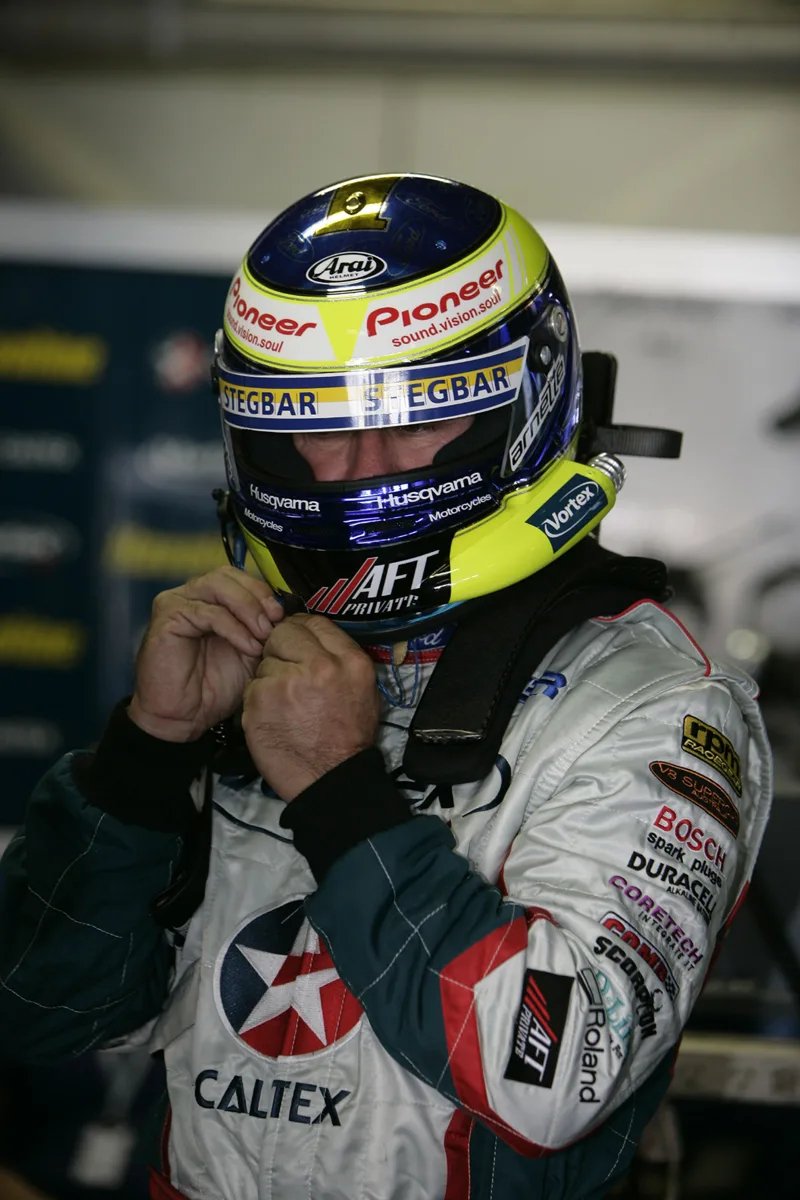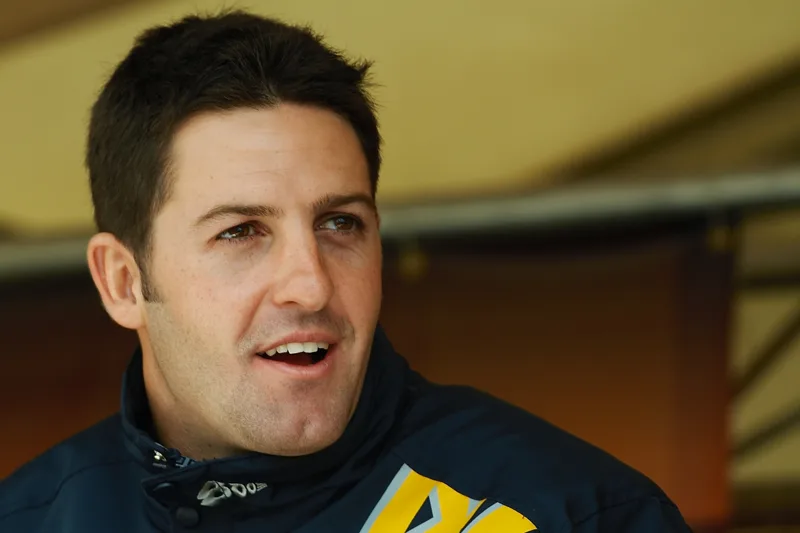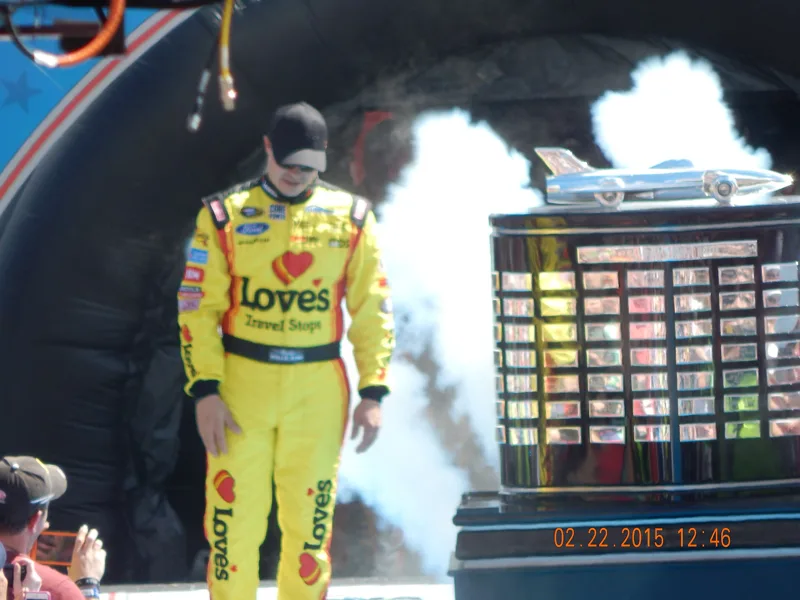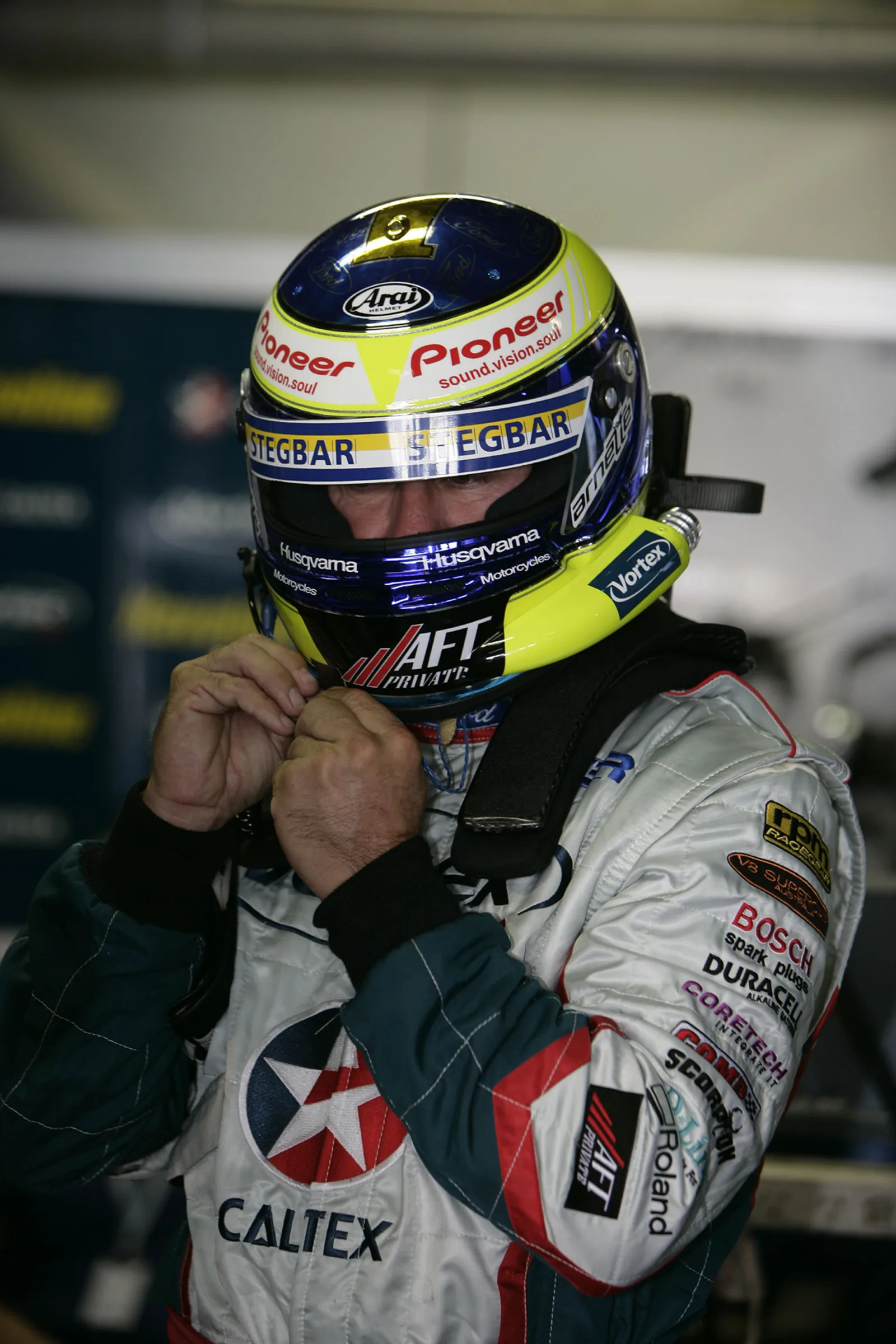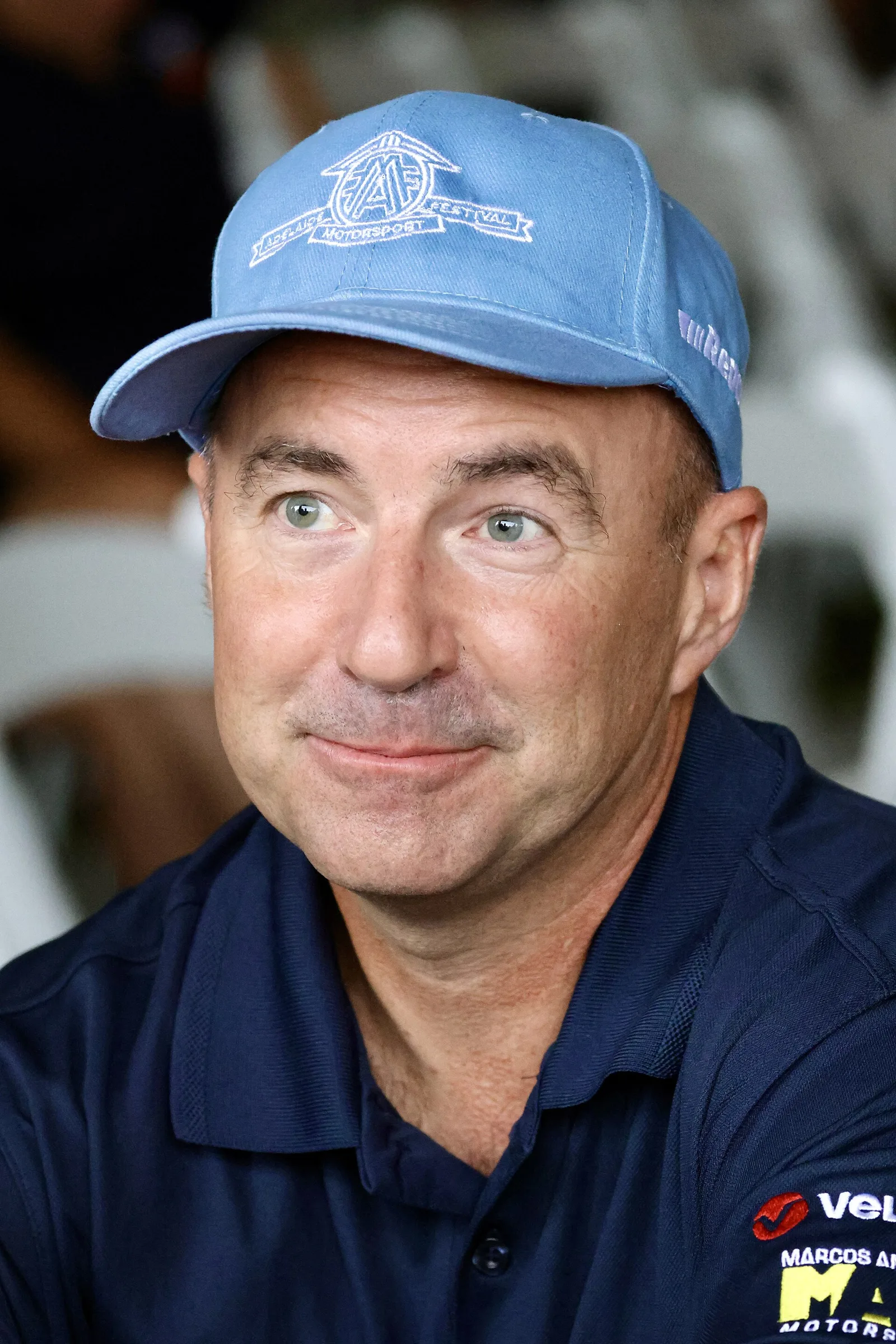
Two Supercars titles, a rookie pole at Bathurst and six Watkins Glen wins across the Nationwide and Cup Series, from a Tasmanian karting start to a return home.
Marcos Ambrose is a former Australian racing driver who won the Supercars championship in 2003 and 2004 before moving to NASCAR. He later raced there, winning six times at Watkins Glen International, and he returned to Australia after his final NASCAR season in 2014.
Marcos Ambrose is an Australian former racing driver from Launceston, Tasmania, who won the Supercars championship in 2003 and 2004. He crossed the Pacific in 2006 to chase NASCAR and became the first Australian winner in its top division. Six of his wins came at Watkins Glen International.
How did Ambrose's early career in karting and Formula Ford begin?
Ambrose took up karting at ten and collected four Tasmanian state junior titles. In 1995 he was the Australian karting champion in the Clubman Heavy class at Dubbo. He stepped up to Formula Ford in 1996 and finished second in the Australian championship in 1997.
His father, Ross, had raced too, and Marcos completed his schooling at Scotch Oakburn College in Launceston. Australia also sent him to the 1996 EFDA Nations Cup, held at Donington Park.
A Tasmanian karting prodigy who won two Supercars titles and then conquered Watkins Glen in America.
What did his years in Europe achieve?
Chasing a Formula One seat, he relocated to Britain in 1998 and spent that year and the next in British Formula Ford. A European Formula Ford title followed in 1999.
The year 2000 saw him begin in the French Formula Three Championship and move to the British series partway through. Money ran short at the end of the season, so he flew home to Australia.
Back home that October he was asked to take part in a Young Guns invitational at the Gold Coast Indy 300, where he beat a field of young drivers in Honda road cars. On 24 October 2000 he was honoured with the Australian Sports Medal, recognising his work in motor racing.
How did Ambrose become a Supercars star?
Stone Brothers Racing gave him a Ford Falcon AU for 2001. Qualifying on pole at his first event, a support race for the Australian Grand Prix, caught the paddock off guard, and he later started from pole at Eastern Creek, Queensland Raceway and the Bathurst 1000.
That Bathurst pole made him the first rookie to start from the front since 1987. He finished eighth in the standings, took the Rookie of the Year prize and claimed a round at Hidden Valley Raceway along the way.
In 2002 he claimed pole at Phillip Island, then won the first race of the weekend there. He ended third in the championship and took the final round at Sandown.
Why were the 2003 and 2004 seasons so important?
Driving a new Falcon BA in 2003, Ambrose opened the season with a win in the first race of the Clipsal 500. A third career victory came at Eastern Creek, and by round thirteen he had built a 102-point cushion over second place and was handed the driver's series trophy.
In 2004 he took three poles and five round victories. He arrived at the final round at Eastern Creek well ahead, and he sealed his second title in the opening Saturday night race before winning the entire weekend's rounds.
Ingall, his Stone Brothers teammate, was runner-up, so the team finished first and second. Ambrose's season had one blemish: a dispute with Rick Kelly after a Gold Coast race brought a $10,000 fine for careless driving. He picked up the Barry Sheene Medal in 2003 and again in 2004.
How did the 2005 Supercars season end?
Ambrose opened 2005 by winning both races of the Adelaide round and held the points lead for much of the year. At round ten, the Bathurst 1000, a late collision with Greg Murphy at The Cutting put his title chances in jeopardy and provoked a heated public argument.
A weak weekend on the Surfers Paradise street circuit compounded the damage, and the Bathurst incident possibly cost him a third title in succession. He then backed Ingall's bid for the crown, and the Stone Brothers and Ford squad took the drivers, teams and manufacturers titles. Ambrose finished third behind Ingall and Craig Lowndes.
Why did Ambrose leave Supercars for NASCAR?
At the first Supercars event of 2005 he held a press conference to announce that he would quit at season's end and try his luck in NASCAR. Ford backed him to race stateside for Wood Brothers/JTG Racing in the Camping World Truck Series.
He could not start the season in the Truck Series, because NASCAR kept him out of the opening three events, all run on intermediate and high-speed ovals. His debut came on 1 April 2006 at Martinsville Speedway, where he qualified 20th and finished 33rd after a crash unfolded in front of him.
How did his first NASCAR season go?
He was the first prominent Australian to race in a NASCAR-sanctioned event since Dick Johnson's 1990 outing, and his early results drew notice. On 2 July 2006 he crossed the line third at Kansas Speedway in the O'Reilly Auto Parts 250, the first non-American to reach the top five in a Truck race since Canadian Ron Fellows won at Watkins Glen in 1999.
He also became the first Australian to lead laps in the Truck Series. The following week he claimed his first pole at Kentucky Speedway, then led the most laps of the race before finishing 19th. He later took third at Nashville Superspeedway.
He peaked at nineteenth in the points during the year and ended up 21st overall. Rookie of the Year honours went to others, and he placed third, even though he sat out the opening three races.
How did the Nationwide Series years develop?
For 2007 he moved up to the Nationwide Series, running the No. 59 car, sponsored by Kingsford, for Wood Brothers/JTG Racing. He finished on the lead lap in his first two races, both on tracks he had never raced, and then took eighth at Mexico City, a career best at that point.
Tenth at Las Vegas followed, and in May he posted a career-best sixth after starting third at Dover. At Montreal he led 37 laps and looked the strongest car of the day, but a late incident with Robby Gordon cost him the win and left him seventh.
He finished the 2007 season eighth in points, the best standing of any driver who was not also racing in the Cup Series. He was second in the Rookie of the Year standings behind David Ragan, and his first Nationwide victory came at the Glen on 9 August 2008, in the Zippo 200.
What did his Watkins Glen record look like?
Watkins Glen International is the track where Ambrose won most often. Across the Nationwide and Cup Series he took six wins there, four in the Nationwide Series and two in the Cup Series.
| Year | Series | Result at Watkins Glen |
|---|---|---|
| 2008 | Nationwide Series | Zippo 200 win, 9 August |
| 2009 | Nationwide Series | Second win at the Glen, holding off Kyle Busch |
| 2010 | Nationwide Series | Third straight Zippo 200 win, ahead of Joey Logano and Kevin Harvick |
| 2011 | Sprint Cup Series | First Cup win, a rain-delayed race on 15 August |
| 2012 | Sprint Cup Series | Win in a three-wide finish, holding off Brad Keselowski |
| 2014 | Nationwide Series | Fifth Nationwide victory, holding off Kyle Busch |
The 2009 Nationwide win was a second straight Glen victory, and the 2010 race made it three in a row. The Cup wins in 2011 and 2012 carried that run into the highest level of the sport.
What happened in his Sprint Cup years?
In 2008 his Cup programme was divided between Wood Brothers Racing and JTG Racing, and he ran only 11 of the 16 races planned. At Infineon he qualified seventh out of 47 drivers and ran inside the top three until a spin at turn eleven ended his day.
In 2009 he drove the No. 47 Toyota for JTG Daugherty Racing. He came tenth at the Food City 500 despite losing a cylinder, and he was also second in the Cup race at Watkins Glen that year.
The 2010 season brought engine trouble, crashes and pit road problems. At Sonoma he led 35 laps before a caution and a restart that would not fire, then finished sixth. In August 2010 he had announced a deal lasting several years with Richard Petty Motorsports for the No. 9 Ford Fusion.
How did the 2011 and 2012 Cup seasons go?
His first race for the team was the 2011 Daytona 500, where he finished 37th after a fifteen-car wreck on lap 29. On 15 August 2011 the rain-delayed race at Watkins Glen went his way, as he passed Brad Keselowski and Kyle Busch with two circuits remaining for his first Cup victory.
That season was his best to date, with five top-fives and twelve top 10s, and he ended it 19th in the standings. In 2012 he nearly won the Budweiser Shootout, but lost the lead to Tony Stewart and Kyle Busch at the white flag.
In June 2012 he took pole at Michigan International Speedway at 203.241 miles per hour, the quickest qualifying effort in NASCAR for 25 years. He later won at Watkins Glen again that year, and that victory lifted him from eighteenth to seventeenth in points.
How did his final NASCAR seasons go?
In 2013 he opened with eleventh-place finishes in the Sprint Unlimited and the Budweiser Duel. At the Daytona 500 he slowed to avoid a crash and finished 18th, and later he stole tenth place from Carl Edwards on the final lap of the Coca-Cola 600.
At Watkins Glen in 2013 he set a new track record to take pole. He led 51 laps, pitted under caution and rejoined in fifteenth, and a late clash with Max Papis ended his hopes of a third straight win there.
The 2014 season included a fifth-place finish at Bristol, one of the best results of the Petty team to that point. He also won his fifth Nationwide race at Watkins Glen that summer, before confirming in September that he would leave the team and NASCAR when the season ended.
Why did Ambrose end his NASCAR career?
His last NASCAR start came in the 2014 Ford EcoBoost 400, where he qualified 17th. A handling problem and a hit into the wall on lap 195 did not stop him from finishing 27th and on the lead lap.
In a 2017 interview with Motorsport.com he explained that his time was up, and that he had stepped aside to put the team first. Roger Penske said Ambrose had made the call himself and that the sport had simply moved on from the level of commitment it needed.
What has Ambrose done since NASCAR?
He returned to V8 Supercars in 2014 with DJR Team Penske, driving the No. 66 Falcon from the final round of that season. In 2015 his best finish was twelfth at the Clipsal 500, and in March he stepped back, with Scott Pye taking his seat.
He made a brief return at the 2023 Bathurst 6 Hour as a co-driver, but his race ended when the Mustang's transmission failed two hours in. In 2025 the Supercars Hall of Fame recognised him at the end-of-season awards.