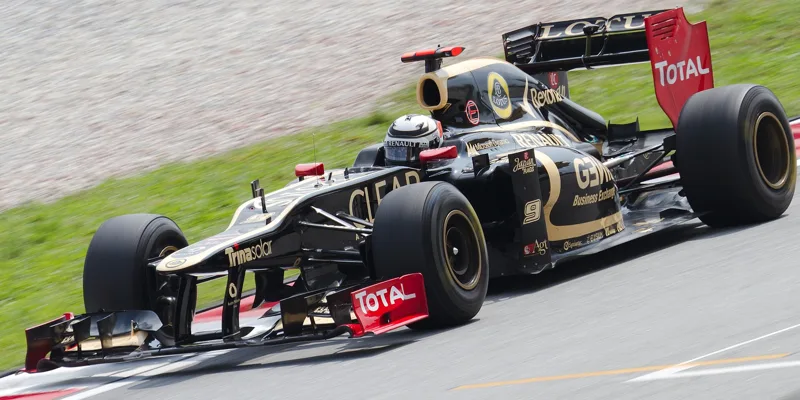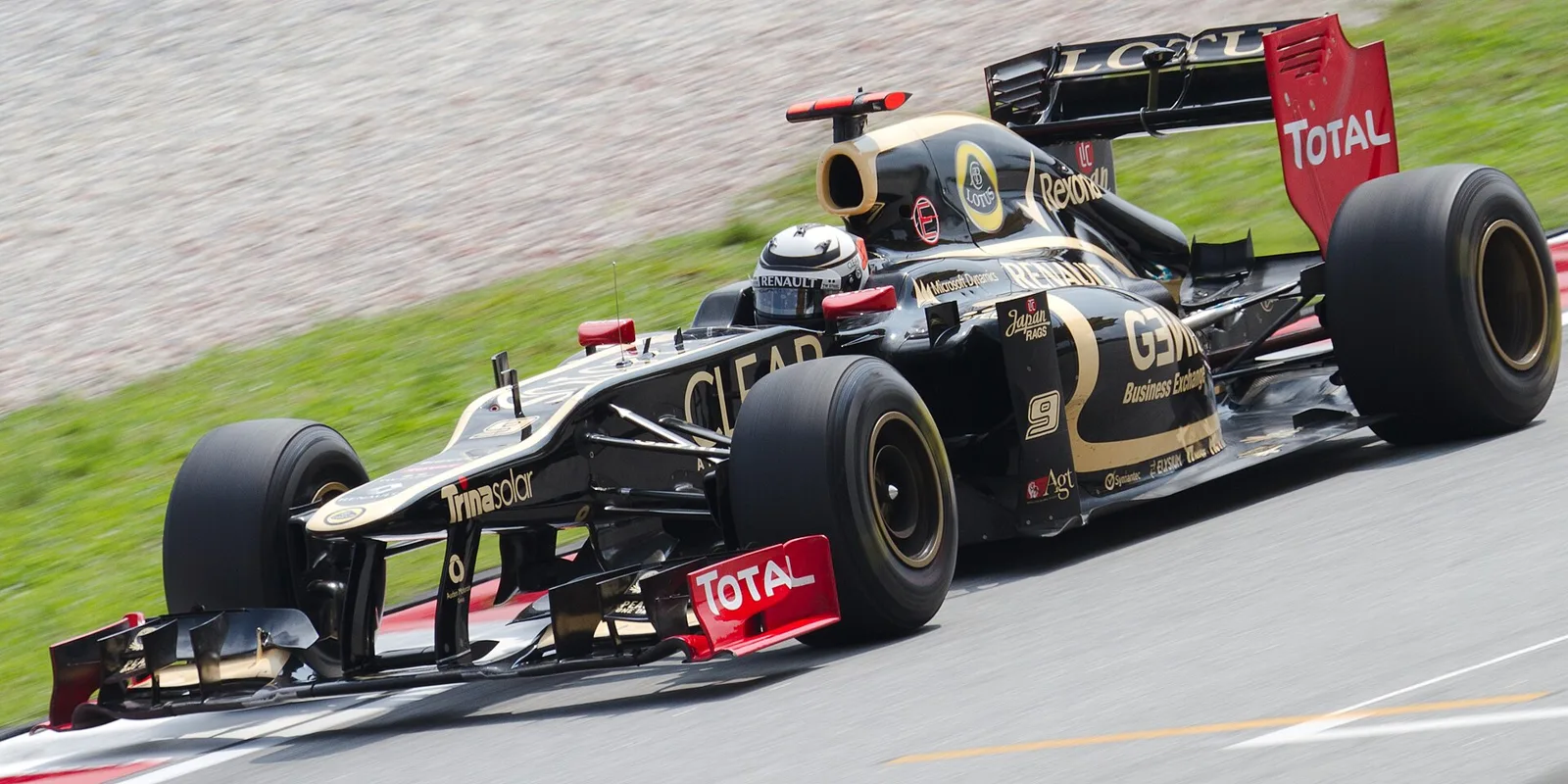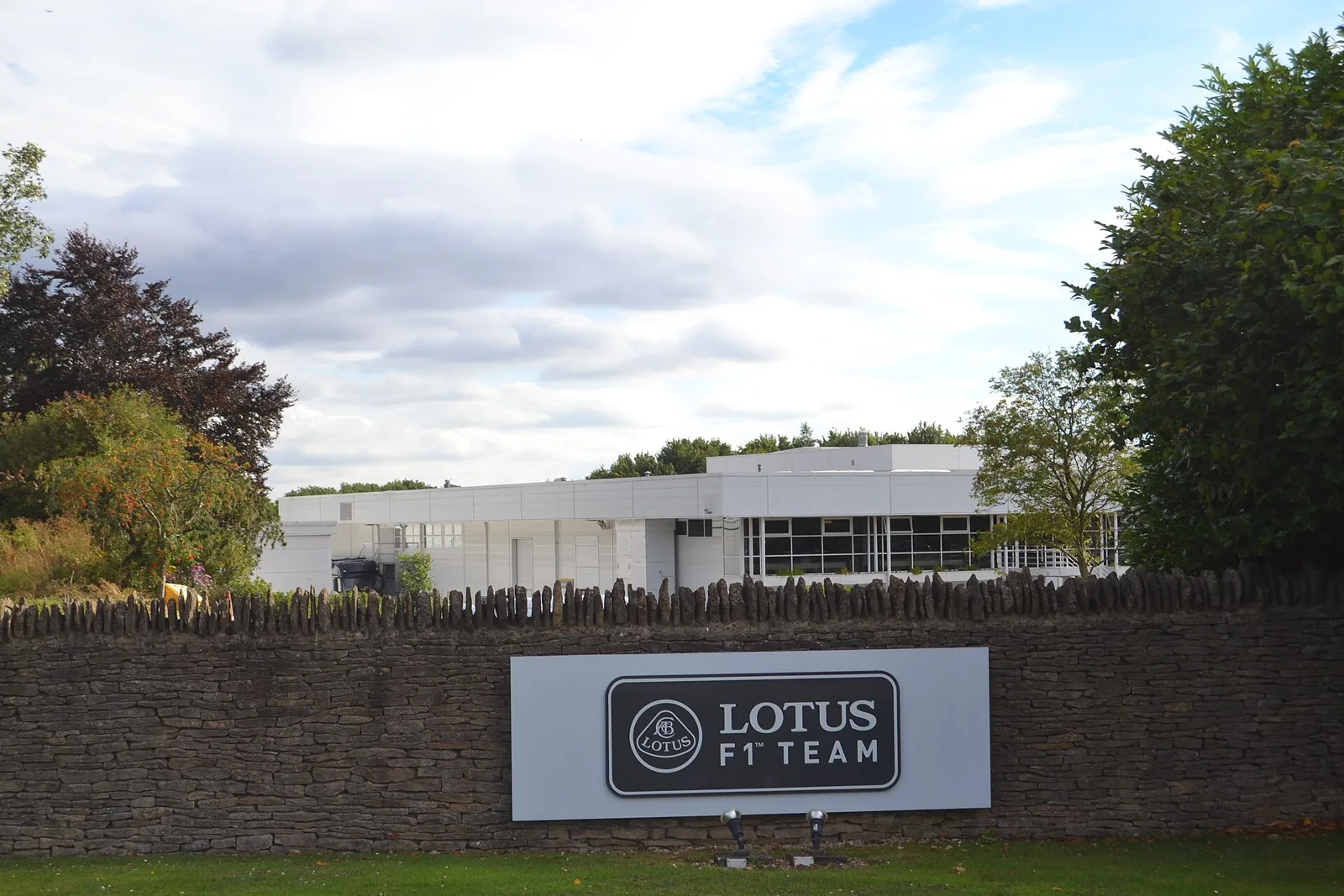
A team with Renault roots carried the Lotus name for four seasons, won two races with Kimi Raikkonen and then returned to Renault.
Enstone's Lotus F1 team raced under that name between 2012 and 2015, after years as Benetton and Renault. Kimi Raikkonen gave it both of its race wins, and Renault bought the team back in December 2015. The Lotus name itself came from the branding partner Group Lotus, which had a long history in motorsport.
Lotus F1 Team was a British constructor that carried the Lotus name from 2012 to 2015 while racing from the Enstone base. Its two race wins both came from Kimi Raikkonen, and the team finished fourth in the 2012 and 2013 constructors' standings. Renault bought it back in December 2015.
Where did the team come from before the Lotus name?
The operation started in 1981 as Toleman Motorsport in Witney, Oxfordshire. Benetton bought it in 1985, renamed it Benetton Formula in 1986 and later moved it to Enstone. Renault took control in 2000 and called it the Renault F1 Team from 2002.
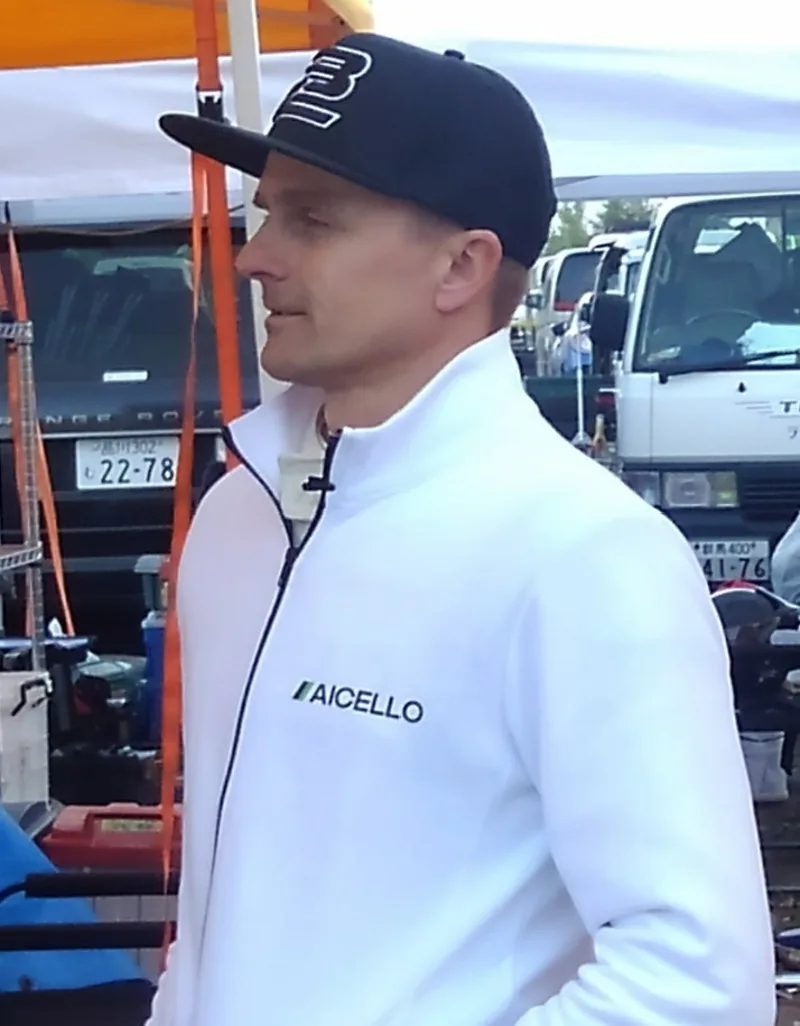
Michael Schumacher won the drivers' title for Benetton in 1994 and 1995, and the team took the 1995 constructors' title with Johnny Herbert alongside him. Fernando Alonso later won the drivers' championship for Renault in 2005 and 2006, and the team also won a constructors' title in that period.
Since the Lotus E20 the car has carried three gold stars just forward of the cockpit to mark those championships.
Team Lotus, the sister company of Lotus Cars, had raced in Formula One from 1958 to 1994. The original team collected seven constructors' crowns and six individual titles from 1963 to 1978, which gave the Lotus name its place in the sport's history.
Renault roots, a Lotus name and two Raikkonen wins made Enstone's 2012 to 2015 era briefly bright.
How did the Lotus name return to Enstone?
In 2010 the Lotus badge reappeared on the grid through Tony Fernandes's Lotus Racing outfit, which used it under licence from Group Lotus. Group Lotus ended that licence for 2011, and Fernandes took the Team Lotus name for his own operation, which became Caterham in 2012. Enstone then adopted the Lotus name itself.
Lotus Cars became involved with the team in 2011, when it was called Lotus Renault GP. It became the Lotus F1 Team for 2012, and the squad is still often called Team Enstone.
Genii Capital held the majority from the end of 2009, a position it kept until 2014, when Andrew Ruhan's loans were turned into equity.
Andrew Ruhan, a British property developer, had become co-chairman in 2013 and lent money to the team before the change. Yotaphone also took a 10% stake from Genii, and its logos reached the car in 2014.
How did Raikkonen and Grosjean perform in 2012?
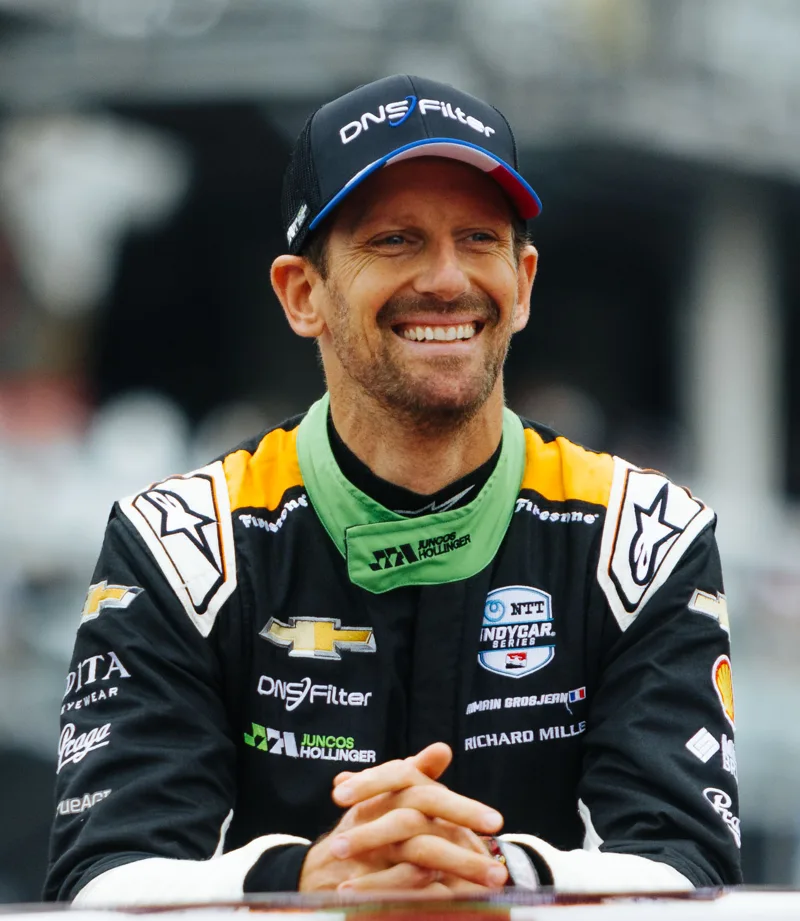
Kimi Raikkonen returned to Formula One for 2012 after two years away, which he spent in the World Rally Championship. Romain Grosjean, the GP2 champion and a former Renault driver, partnered him. The pair helped the team finish fourth in the constructors' standings, while Raikkonen was third in the drivers' table.
Renault stayed on as engine supplier, but it no longer provided engines for free, and the team paid a lease on its engine package instead.
The season opened with a protest over a rear wing concept on the Mercedes W03, later dubbed the F-duct. The stewards unanimously rejected the protest at the Chinese Grand Prix, and Lotus did not appeal.
Grosjean qualified third in Australia, but first-lap incidents there and in Malaysia cost him early points. In China Raikkonen was second until his tyres faded, the one race of the season that took him out of the points.
Bahrain brought the first podiums: Raikkonen was close behind Sebastian Vettel and Grosjean took third. Canada then gave Grosjean his best Formula One result, second place on a one-stop strategy.
Raikkonen took three podiums in a row in Germany, Hungary and Belgium. In Hungary he and Grosjean fought an intra-team battle after the pit stops, and Raikkonen kept second with Grosjean third.
Belgium was a bad race for Grosjean, who collided with Lewis Hamilton on the approach to La Source. That first-lap pile-up also took out Fernando Alonso and Sergio Perez, and Grosjean was given a one-race ban for the Monza round, which Jerome d'Ambrosio covered.
Abu Dhabi followed a near win in Bahrain and produced Raikkonen's first win for the team, and his first since returning to Formula One. He scored points in 19 of 20 races, took seven podiums and finished third overall.
What did the 2013 season bring?
The E21 was launched on 28 January 2013 at the team's Enstone headquarters, wearing a black, gold and red livery. Raikkonen won the season opener in Australia from seventh on the grid, which gave the team second place in the constructors' standings at that point. The team finished the year fourth.
Grosjean took a point for tenth in Australia despite car problems. Malaysia was harder, with Raikkonen starting tenth after a penalty for impeding Nico Hulkenberg and Grosjean missing Q3. They recovered to finish seventh and sixth.
In China Raikkonen finished second after losing two places at the start and damaging the front of his car in a battle with Sergio Perez. Grosjean was eighth. Bahrain then put both drivers on the podium, as the car's race pace had been stronger than its qualifying.
The sponsorship from Honeywell, reportedly worth 50 million euros, collapsed in March 2013, days before the car launch. In the same season a deal for Quantum Motorsports, led by Mansoor Ijaz, to take a 35% stake was announced but never finalised. The deal would have taken the stake from majority owner Genii Capital, and while Ijaz claimed it was complete on his side, it never closed.
Raikkonen's first-corner collision in Abu Dhabi led to back surgery, and he missed the final two races. Heikki Kovalainen replaced him.
Why did the 2014 and 2015 seasons go wrong?
Andrew Ruhan turned his loans into equity at the start of 2014 and took effective control from Genii Capital. The team finished eighth in the constructors' standings that year, and team principal Eric Boullier left to join McLaren. The problems then deepened through 2015.
Lotus kept Romain Grosjean and signed Pastor Maldonado, whose sponsor PDVSA brought money to the team. Matthew Carter became chief executive without previous Formula One experience, and Gerard Lopez took the titular role of team principal.
On 5 July 2014 Lotus announced it would switch to Mercedes engines for 2015, ending a 20-year link with Renault. Jolyon Palmer and Carmen Jorda joined as test and development drivers.
The 2015 season started badly. Both cars had retired by lap 2 in Australia. Grosjean reached seventh in China, the team's strongest finish since the 2013 US race, though Maldonado's race fell apart after he missed a pit entry.
Monaco ended for Grosjean after an aggressive move by Max Verstappen on lap 64 sent Verstappen into the barriers and Grosjean into a spin. He still finished 12th, out of the points.
Canada brought the first double points finish of the season: Maldonado was seventh and Grosjean recovered to tenth after a cut tyre.
Money troubles surfaced in Hungary, where Pirelli held back tyres over unpaid bills, and deputy principal Federico Gastaldi said Lopez was in talks with Renault board members about selling the team back. Belgium gave Grosjean third place, the team's first podium since the 2013 United States Grand Prix, but the cars were seized amid a legal fight with ex-test driver Charles Pic.
The team finished seventh and eighth in Japan, the first double top-eight since the 2013 Indian Grand Prix. It had been locked out of its hospitality unit there over unpaid bills.
Renault stepped in to help. It signed a letter of intent on 30 September 2015 to buy a controlling stake, after a bailout, as the team had fallen behind on tax and insurance bills owed to the UK government.
How did the team return to Renault?
Renault took the team back on 18 December 2015, and the team's website confirmed the deal on 21 December. Renault planned to enter the 2016 season as its official factory team, and the Lotus name was dropped on 3 February 2016.
Renault named Jerome Stoll chairman and made Cyril Abiteboul its managing director. Renault had sold the team's majority to Genii Capital at the end of 2009, so the Enstone base changed hands twice in six years. The team competed under the Renault Sport Formula One Team name, not Lotus, from then on.
Unpaid bills, sponsor gaps and a shortage of backers marked the final period before the sale, and the team's finances had been a running story for much of 2015. The purchase ended that uncertainty, although the Lotus name did not survive it.
How was the livery and sponsorship arranged?
The black and gold livery drew on Team Lotus, the motorsport sister company of Group Lotus, and on its John Player Special days in the 1970s and 1980s. In 2014 the car had no title sponsor, so its space was shared race by race among existing sponsors and temporary backers.
Among the longer-running sponsors were Trina Solar, Richard Mille, Microsoft Dynamics and the energy drink Burn. Pastor Maldonado's PDVSA deal and a Saxo Bank agreement for 2014 were the other notable names.
At the 2014 Spanish Grand Prix the car paid homage to the El Greco exhibition, and Interwetten and Hisense appeared as temporary backers in some rounds.
What were the team's results by season?
| Season | Drivers | Documented result |
|---|---|---|
| 2012 | Kimi Raikkonen, Romain Grosjean | Abu Dhabi win for Raikkonen; fourth in the constructors' standings |
| 2013 | Kimi Raikkonen, Romain Grosjean | Australia win for Raikkonen; fourth in the constructors' standings |
| 2014 | Romain Grosjean, Pastor Maldonado | Eighth in the constructors' standings |
| 2015 | Romain Grosjean, Pastor Maldonado | Grosjean third at Belgium; team returned to Renault in December |