Frank Gardner's Sydney outfit ran black BMWs from 1981 to 1987, won two touring car titles with Jim Richards and proved that a European car could lead the field.
JPS Team BMW was a Sydney-based Australian touring car team that ran from 1981 to 1987 under Frank Gardner. It won two ATCC championships with Jim Richards, won the AMSCAR series from 1985 to 1987 and was the only team to win BMW's ATCC, Manufacturers' and Endurance titles.
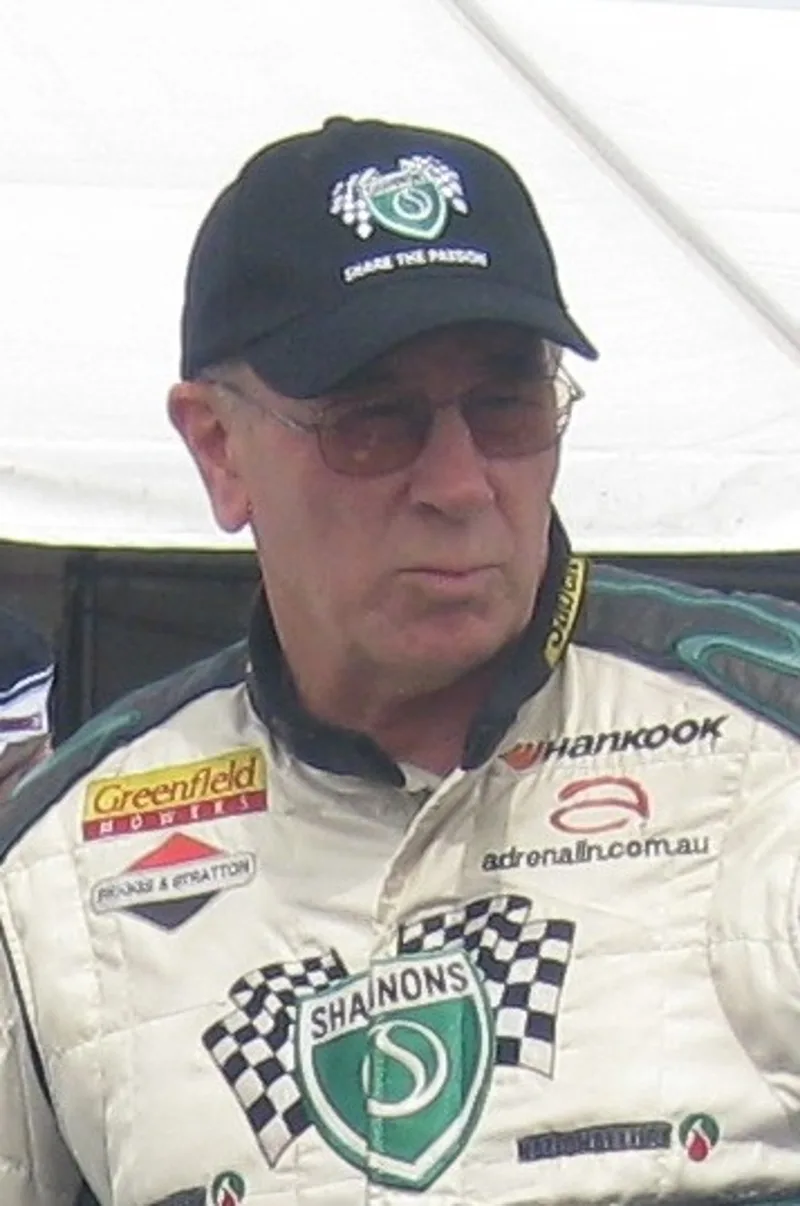
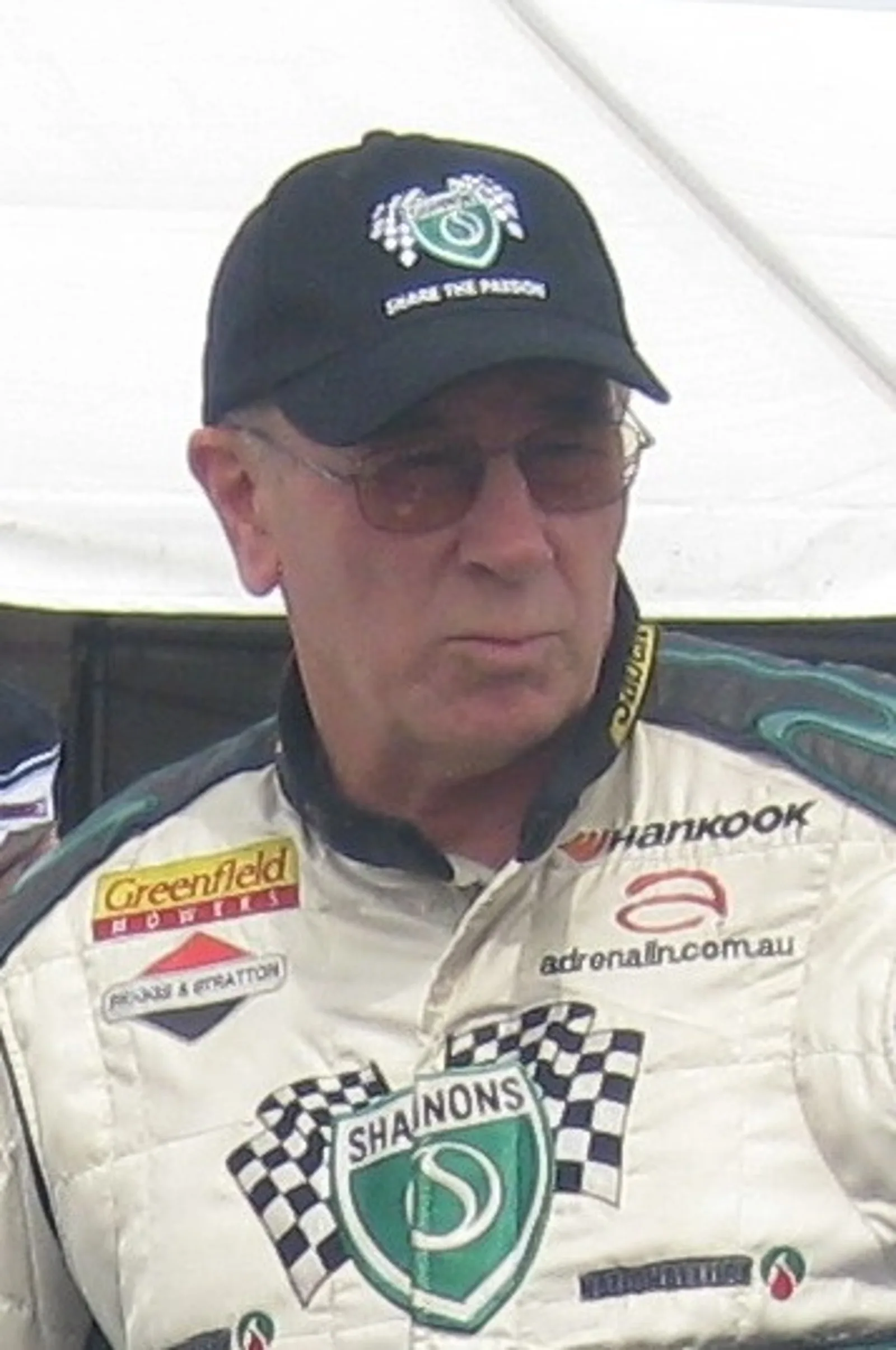
JPS Team BMW raced in Australia between 1981 and 1987, with its main focus on touring cars. Based in Terrey Hills, Sydney, it was run by Frank Gardner, once a British touring car title holder and a Formula One driver, and its black BMWs became some of the most recognisable cars of the era.
The team grew from Allan Grice's Craven Mild operation and became BMW Australia's factory entry in 1981. It went on to win two touring car championships, dominate the AMSCAR series for three years and show that a European car could beat the Holden and Ford V8s on their own ground.
Where did JPS Team BMW come from?
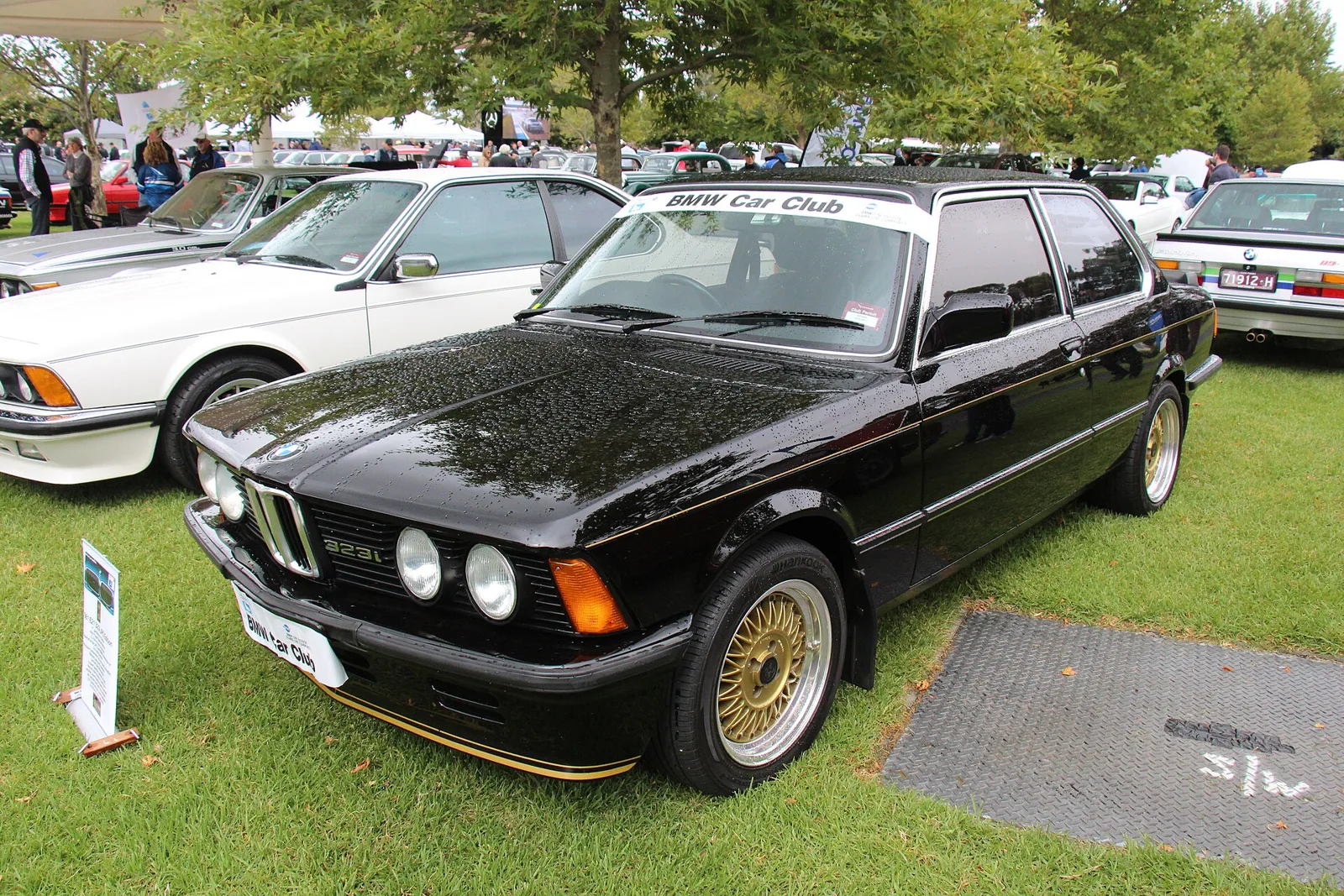
The team grew out of Craven Mild Racing, Allan Grice's squad that had run Holden Toranas and Commodores in the late 1970s. In 1981 it became BMW Australia's factory operation with a Group C 3.5 litre six-cylinder 635 CSi, painted black and gold for the John Player brand.
The black cars became a familiar sight in advertising for both BMW and the sponsor, in the years before tobacco advertising was banned in Australia. Gardner did most of the test miles himself at the old Amaroo Park circuit, where the team did almost all of its development work.
Black cars, a race-winning engineer and a driver who kept finding wins under new rules made JPS Team BMW one of the most recognised teams in Australian motorsport.
How did the 635 CSi fare in 1981 and 1982?
Allan Grice led the team in 1981, finishing second in the AMSCAR series, but his relationship with Gardner broke down and he was removed at the end of the year. Jim Richards took over as lead driver and stayed until the team closed.
Richards gave the team its first ATCC podium in 1982 with third at Surfers Paradise. At Bathurst that year he and David Hobbs started 19th and were promoted to fifth after the Falcon in fourth was disqualified, having finished sixth on the road. CAMS had also pushed the car's minimum weight up, from 1280 kg to 1420 kg, and a second BMW, driven by Denny Hulme and Stephen Brook, qualified 38th before retiring after 96 laps.
Why did the 1983 Bathurst race end in disaster?
The team skipped the 1983 ATCC to concentrate on the AMSCAR series and the endurance events, where the 635 gained power from a 24-valve head. At Bathurst, Richards qualified fourth, but metal filings in the fuel system forced the car out after just six laps.
The 24-valve head took output from about 300 bhp to a reported 390 bhp, which put the BMW on terms with the leading V8s. Front tyre wear and handling remained a problem, because the straight-six hung partly over the front axle.
Gardner later argued the car had been tampered with, though he would not say by whom. Richards and chief mechanic Pip Barker disagreed, arguing that dirty fuel was the more likely cause.
How did the team's 1984 season go?
In 1984 the team ran its first full ATCC season. Richards finished fifth overall, with a best result of third at Surfers Paradise, and he scored the team's first pole position at Round 6 at Lakeside in Brisbane. The season also showed the limits of the Group C car as Group A rules approached.
At Sandown in 1983 no protest was lodged against the BMW, which rivals did not see as a threat. Gardner had the JPS pits relocated, away from the leading teams, so he could work in peace.
The endurance rounds went less well. Tony Longhurst's Castrol 500 ended with a broken diff on lap 72. At Bathurst a second car, a Group A 635 for Denny Hulme and Prince Leopold von Bayern, was crashed by the Prince at the top of the mountain during race week. Hulme and von Bayern qualified 49th and finished 15th outright, while Richards and Longhurst's race ended on lap 39 with a blown engine.
Why did the 635 CSi shine in 1985?
The team's Group C car became a Group A winner in 1985. Richards won the first ATCC round under Group A rules at Winton, and by season's end he had claimed seven of the ten races on the calendar, six of them in a row. That year the team also took the AMSCAR title undefeated.
The endurance results were just as strong. Richards won five of six endurance races. Among them was the Castrol 500 at Sandown, where he and Longhurst came from a lap down. A spare electrical part was even kept in the glovebox so the drivers could repair it on track.
The second car, with Neville Crichton and George Fury, finished second at Sandown. At Bathurst Richards came fourth after being delayed in a sand trap, a placing the team would repeat in 1987.
Why did the team lose ground in 1986?
The 635 CSi was outgunned by newer rivals in 1986, including the Holden VK Commodore SS Group A, the Nissan Skyline DR30 and the Volvo 240T. Richards won only once, at Winton, and finished third in the championship. A high-revving straight-six with bigger cams also made the car hard to launch from the grid.
The straight-six had been designed for European races with rolling starts. Australia rarely used them, and only the Calder endurance round had one, so the engine's strengths were often wasted on the grid.
The team struggled with Pirelli tyres, which did not suit Australia's warmer weather until mid-season. At the Castrol 500 and at Bathurst, Richards and Longhurst finished fifth and sixth. Even so, Richards won the 1986 Australian Endurance Championship with this final evolution of the 635.
How did the M3 win the 1987 championship?
In 1987 the BMW M3 replaced the 635 CSi. The team built six of them, and Richards put the new car on pole at its world debut at Calder Park. It had a 2.3 litre, four-cylinder engine that revved hard and made about 300 bhp.
The M3 weighed 940 kg (2,070 lb) and combined light weight with large brakes and strong handling, so it often matched or beat the outright class cars. Early on, suspension parts were hard to get from Europe, where demand was high, so the car ran the older 325i suspension.
At Round 6 at Surfers Paradise Richards drove a new spec M3 to an easy win. After an engine failure at Sandown, the title went down to the final race at Oran Park, where Richards passed Glenn Seton's Nissan Skyline and won his second ATCC. The Pepsi 250 at Oran Park, won by Richards and Longhurst, proved to be the team's final race win.
Richards and Longhurst then finished fourth at Bathurst, repeating their 1985 result. Robbie Francevic and Ludwig Finauer took fifth at Sandown and sixth at Bathurst in the second M3.
What happened when the team closed?
Gardner retired from racing at 57 after the 1987 season and shut down the operation. Its assets, including the M3s, went to Mobil 1 Racing, Brock's team became the factory BMW team, and Richards joined Mobil 1 for 1988, finishing fourth in the championship that year.
Gardner then managed Tony Longhurst Racing in 1988, running a Ford Sierra RS500. The M3 had lost its edge against the turbo Sierras by then, and the team's titles had already secured its place in the record books.
What about the sports sedan and GT cars?
The team also raced a BMW 318i Turbo in sports sedan and GT events, later updated to a 320i. It was fast but fragile, and Richards won the opening two GT rounds in 1983 to finish equal second in the championship.
A crash at Adelaide in round three, caused by Peter Brock's Chevrolet Monza, put the car away for most of the year. Its last race came at the 1984 Sandown 1000, a World Sportscar round, where Richards and Longhurst finished 14th, first in their class and 28 laps down on the winning Porsche 956.
What records did the team set?
The team's 1985 ATCC title made it the first European car team champion since the series began in 1969, and it won 12 ATCC races across its career. It was also the first in Australian touring cars to fit centre lock wheels, in 1983.
Those wheels saved time on pit stops, although the heavy air guns of the period made each stop a headache, according to chief mechanic Pip Barker. The team also won two ATCC championships and took the AMSCAR series each year from 1985 to 1987.
What were the team's main results by year?
| Year | Result or milestone |
|---|---|
| 1981 | Gardner signs Jim Richards; Allan Grice second in the AMSCAR series |
| 1982 | Richards third at Surfers Paradise, the team's first ATCC podium |
| 1983 | Richards second in the GT championship; Bathurst retirement after six laps |
| 1984 | First pole at Lakeside; Richards fifth in the championship |
| 1985 | First European-made car to win the ATCC since 1969; seven of ten races won |
| 1986 | Richards wins the Australian Endurance Championship with the final 635 CSi |
| 1987 | M3 pole at Calder Park; second ATCC title at Oran Park; Pepsi 250 final win |
Why does the team still matter?
The record book tells much of the story. The squad was the first European car team to take the ATCC crown, and it set BMW firsts in Australia, including the first six-cylinder win since Brock's 1974 Torana, which places it among the standout teams of the period.
It also remains the only team to win BMW's ATCC, Manufacturers' and Endurance titles. Its tally of 12 race wins and two championships, collected from 1981 to 1987, places it among the most successful privately run outfits of its era, and the black 635 CSi and M3 remain some of the most recognisable touring cars of the 1980s.