From a 1991 debut on Ford engines to Damon Hill's 1998 Belgian win, Heinz-Harald Frentzen's 1999 season and the 2005 sale to the Midland Group.
Jordan Grand Prix competed from 1991 to 2005, founded by Eddie Jordan. Its first Grand Prix win came when Damon Hill won the 1998 Belgian Grand Prix, its best constructors' finish was third in 1999, and the team was sold to the Midland Group in 2005.
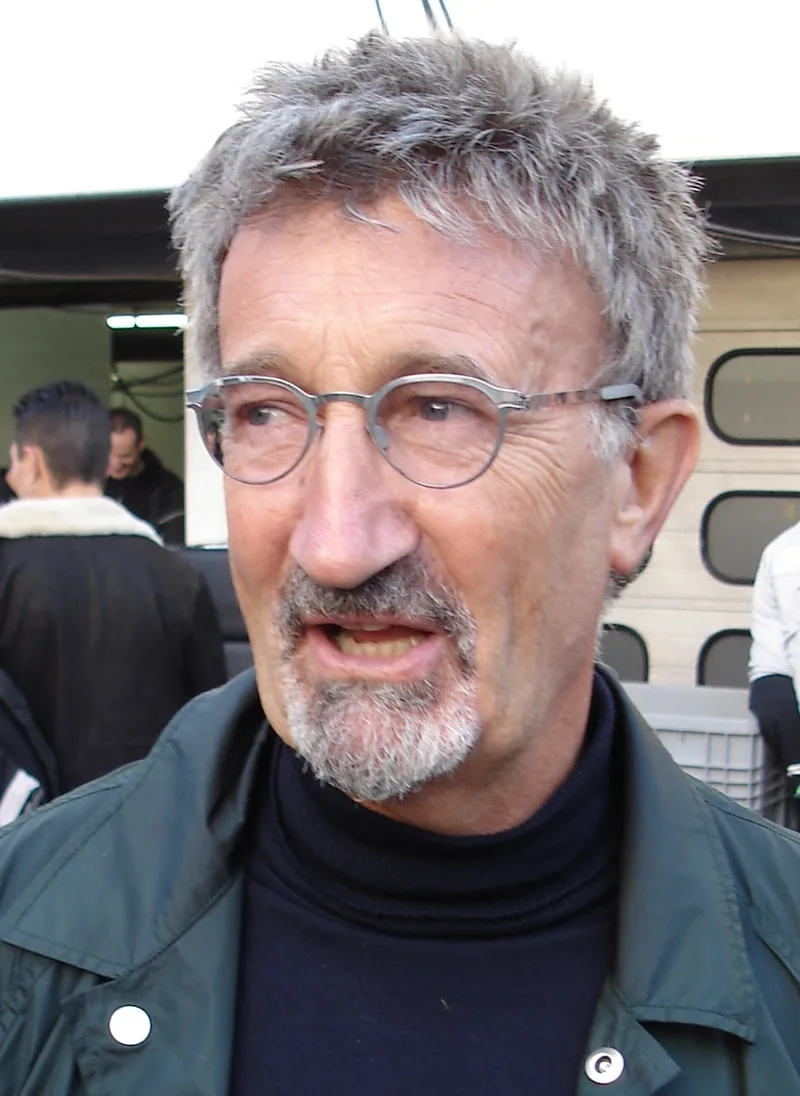
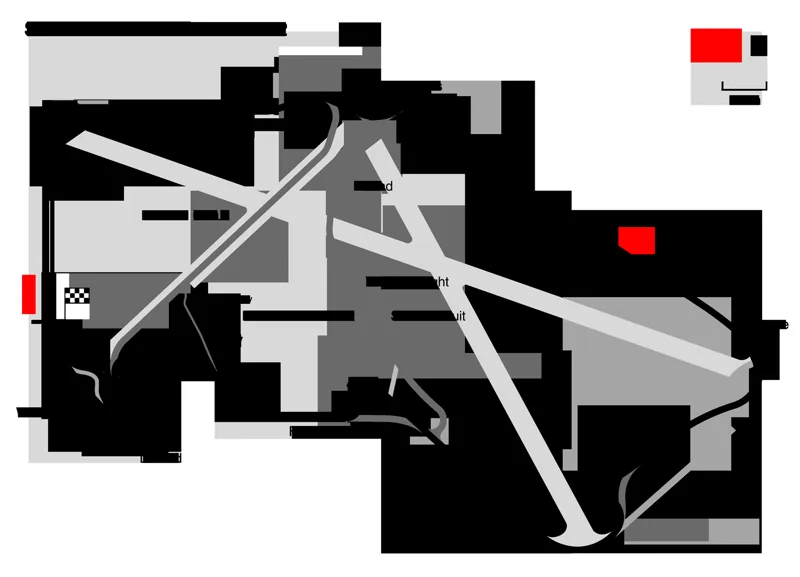
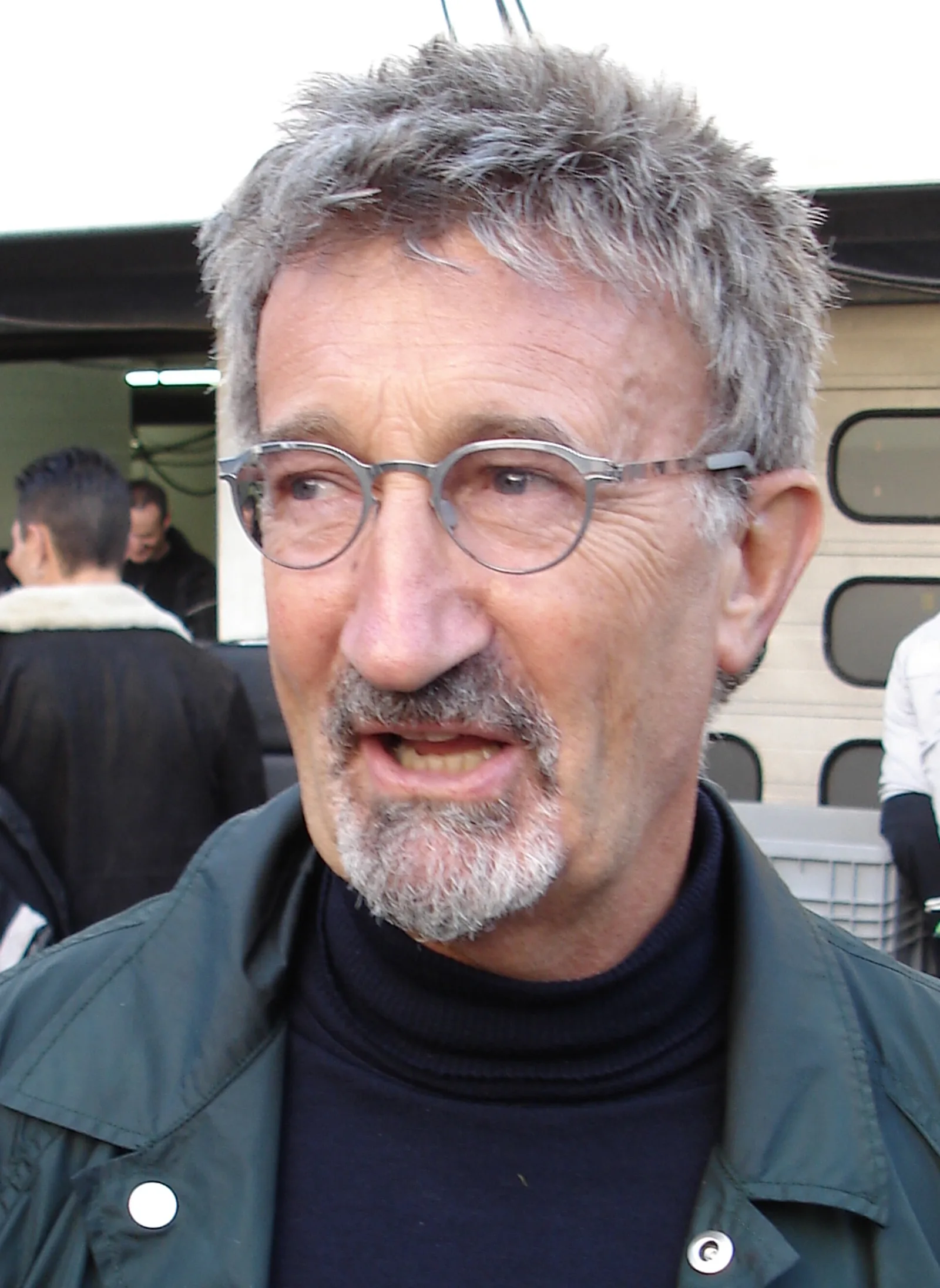
Jordan Grand Prix raced in Formula One from 1991 to 2005 under Eddie Jordan, an Irish businessman whose team was based at Silverstone while holding an Irish licence. Its story includes two Grand Prix wins, one of them awarded only after an inquiry, a best-ever third place in the Constructors' Championship in 1999, and a long slide that ended in a sale.
How did Jordan Grand Prix start?
Jordan drove briefly in the late 1970s, then set up his own outfit in the early 1980s. The squad made its name in the 1983 British Formula Three series, where Senna beat Martin Brundle to the title at the final round. Jordan then moved up to International Formula 3000 for 1988, and in 1989 Jean Alesi won the F3000 drivers' title for the team.
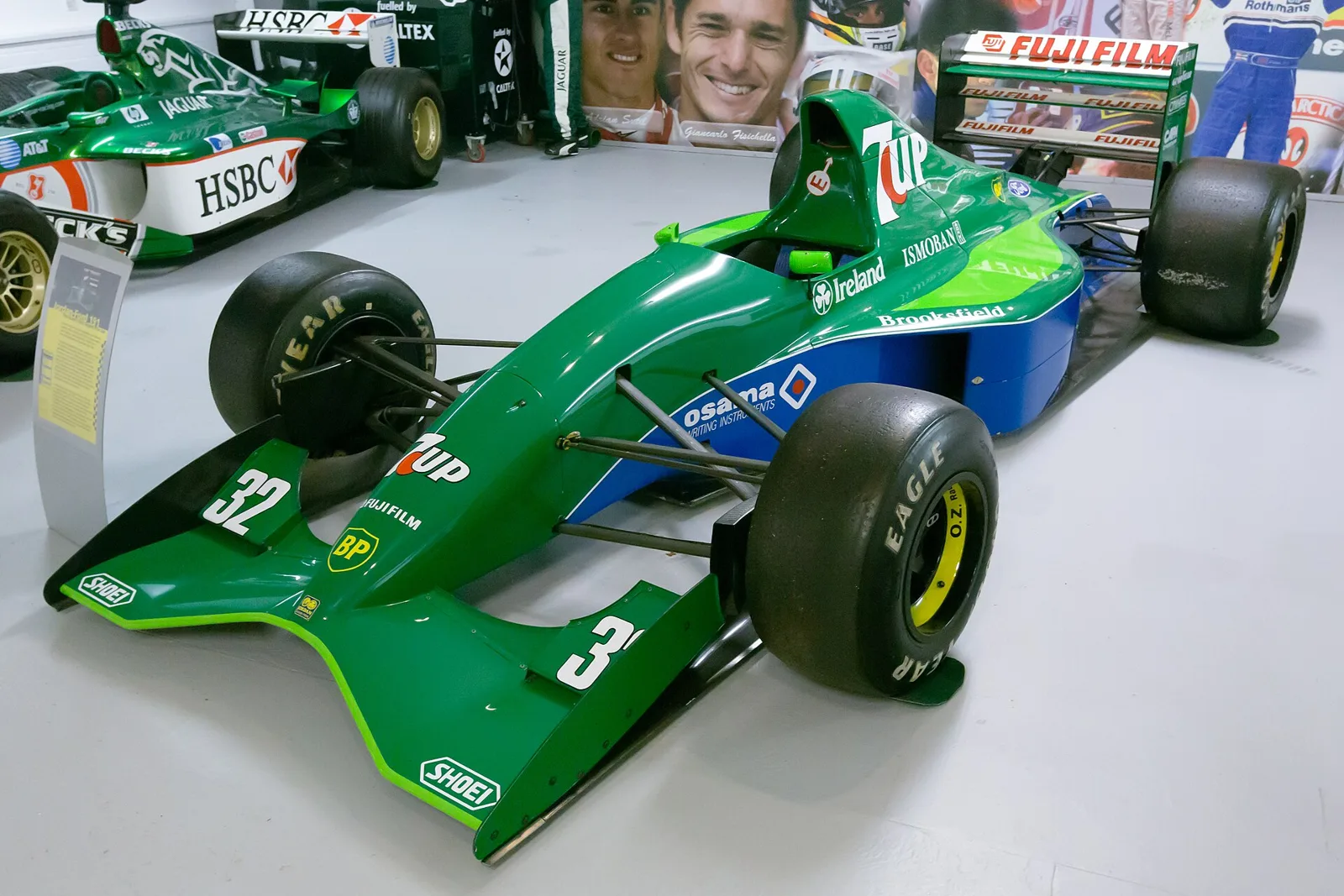
Jordan's success in the lower formulae led to a Formula One programme for 1991 and a change of name to Jordan Grand Prix. John Watson was the first driver to test a Jordan F1 car, and the team's first cars ran on Ford engines.
An Irish-licensed team that won in Belgium, took a 1999 third place and then sold to a new owner for $60 million.
What happened in the 1991 debut season?
The team had a solid debut, finishing fifth in the Constructors' Championship. Andrea de Cesaris took ninth in the Drivers' Championship, and he ran second for much of the Belgian Grand Prix before the car failed in the closing laps.
Bertrand Gachot was jailed mid-season for attacking a taxi driver, and Michael Schumacher took his seat for the Belgian Grand Prix. Mercedes-Benz paid the team $150,000 for giving its young German sports car star Grand Prix experience. Schumacher then signed for Benetton-Ford for the following race, and Jordan's attempt to stop him in the British courts failed because no contract had yet been signed. Roberto Moreno and Alessandro Zanardi filled the second car afterwards.
Why were the early 1990s so hard?
Success came at a price. For 1992 the team was forced to switch to cheaper Yamaha engines, and with Mauricio Gugelmin and Stefano Modena driving, it struggled badly and went without a point until the last race of the year.
In 1993 the team moved to Hart engines, and it started the year with Ivan Capelli and Rubens Barrichello. Capelli left after two races, and five other drivers joined Barrichello during the campaign. The team scored three points. Eddie Irvine, a former Jordan driver from F3000, arrived late in the year and finished sixth on his Formula One debut at Suzuka, a result that is remembered for a dramatic move on Damon Hill and an angry clash with Ayrton Senna afterwards.
How did Barrichello and Irvine lift the team in 1994 and 1995?
Barrichello and Irvine returned for 1994, but Irvine began the season with a three-race ban for reckless driving. Barrichello gave the team its first top three finish in Japan, at the Pacific Grand Prix, though he was nearly killed in a qualifying crash at San Marino the following race.
The team recovered its form and repeated its fifth place in the Constructors' Championship with 28 points. That was a notable achievement for a low budget team running a Hart-based engine. Barrichello took Jordan's first pole position after a gamble in a wet session in Belgium, and he finished sixth in the Drivers' Championship with 19 points.
In 1995 Jordan switched to full-works Peugeot power. At the Canadian Grand Prix Barrichello finished second and Irvine third, and that was the highlight of a solid year in which the team stayed in the midfield and finished sixth in the championship.
What did 1996 and 1997 bring?
When Irvine left for Ferrari in 1996, Jordan signed Martin Brundle, the former Le Mans winner and World Sportscar champion. The team did not reach the podium, but both drivers scored a string of fourth places, and Jordan finished fifth among the constructors again. That year also brought the bright-yellow colour scheme that became the team's trademark.
In 1997 Barrichello left for Stewart Grand Prix and Brundle became an ITV commentator. Jordan signed Giancarlo Fisichella and Ralf Schumacher, Michael's younger brother. The team finished fifth again, and Fisichella took two podium finishes. At Hockenheim he led the race before a puncture holed his radiator. Ralf took out his Italian teammate at Argentina, although Ralf earned his first podium that season.
How did Jordan win its first Grand Prix in 1998?
Damon Hill won the rain-soaked 1998 Belgian Grand Prix for Jordan, the team's first Formula One victory and Hill's 22nd career win. Only six cars finished that race, and Ralf Schumacher took second place.
The result turned into a scandal. Ralf had been ordered not to pass Hill, and his brother Michael was angry enough to tell Jordan that Ralf would never race for the team again. Michael then bought out Ralf's contract for two million pounds. Hill finished sixth in the Drivers' Championship, while Ralf was tenth.
The season was not easy. Up to the halfway point Jordan had failed to score a point, and the team's Peugeots had gone to Prost in favour of Mugen Honda engines. Mike Gascoyne was signed from Tyrrell to strengthen the technical team, and Hill's late move on Heinz-Harald Frentzen at Suzuka gave the team fourth in the Constructors' Championship for 1998.
Why was 1999 Jordan's finest season?
In 1999 Frentzen joined from Williams, and Ralf moved the other way. Hill had a nightmare year and retired at the end of the season, but Frentzen was immensely successful, winning two races and taking a pole position. For a short while he dreamed of the world title, but poor luck and greater speed from McLaren and Ferrari ended those hopes.
Frentzen finished third in the Drivers' Championship, and the team also finished third among the constructors. Few seasons in the team's history matched it, and the 1999 campaign remains the high point of Jordan's record.
| Season | Engines | Headline result |
|---|---|---|
| 1991 | Ford | Fifth in the Constructors' Championship; de Cesaris ninth in the Drivers' |
| 1992 | Yamaha | No points until the final race |
| 1993 | Hart | Three points; Irvine sixth on debut at Suzuka |
| 1994 | Hart | Fifth in the Constructors' Championship with 28 points |
| 1995 | Peugeot | Barrichello second and Irvine third in Canada; sixth overall |
| 1997 | Peugeot | Fisichella's two podiums; fifth overall |
| 1998 | Mugen Honda | Hill's first Jordan win in Belgium; fourth in the Constructors' Championship |
| 1999 | Mugen Honda | Frentzen wins two races; third in the Constructors' Championship |
| 2000 | Mugen Honda | Two third-place podiums, both for Frentzen; sixth overall |
| 2001 | Honda | Fifth in the Constructors' Championship |
| 2003 | Ford Cosworth | Fisichella declared winner of the Brazilian Grand Prix after an inquiry |
| 2005 | Toyota | Last race; Monteiro eleventh, Karthikeyan crashes out |
What went wrong in 2000 and 2001?
Jarno Trulli replaced Hill for 2000 and impressed in qualifying, but he could not score a podium. The team slipped to sixth in the Constructors' Championship. At Monaco Trulli was ahead of the eventual winner David Coulthard until his gearbox failed, while Frentzen hit the wall at Sainte Devote with only eight laps to go. The team's only podiums that year were two third places for Frentzen, in Brazil and the United States.
Jordan switched to Honda works engines for 2001, which were also supplied to BAR after Mugen left the sport. Frentzen was released in mid-season after a series of disagreements with Eddie Jordan, and Ricardo Zonta and then Jean Alesi drove. Trulli still scored points four times, and the team finished fifth in the constructors' table for the fifth time, but it failed to score a podium in a Grand Prix season for the first time since 1993.
How did Jordan fare in 2002 and 2003?
Fisichella returned for 2002 and Takuma Sato joined, partly thanks to Honda's influence. Sponsorship money fell, despite DHL joining the team as title sponsor. Fisichella often outqualified the car, but he had to make do with a trio of fifth places and a sixth from Hungary. Sato showed promise but managed just two points at his home race. The team still finished sixth, two places ahead of BAR.
For 2003 Honda left to focus on BAR, and Jordan used Ford Cosworth engines. The Brazilian Grand Prix that year was affected by rain, with a massive crash on the start-finish straight. The race was stopped by a red flag, and Fisichella was first credited with second place behind Kimi Raikkonen. An FIA inquiry several days later declared him the winner of his first Formula One race. He and Raikkonen swapped trophies at the following race in San Marino.
Rookie Ralph Firman was injured in practice for the Hungarian Grand Prix, and Zsolt Baumgartner became the first Hungarian Formula One driver to race for the team. Fisichella left for Sauber at the end of the season.
Why did Jordan sue Vodafone?
In June 2003 Jordan sued the mobile phone company Vodafone for GBP 150 million. The claim was that Vodafone had agreed a verbal three-year sponsorship deal and then given the space to Ferrari instead. Jordan withdrew the action two months later and agreed to pay Vodafone's costs.
The case was a double financial blow from which the team never really recovered. The judge was highly critical of Eddie Jordan, and the allegations against Vodafone were found to be without foundation.
How did Jordan Grand Prix end as a Formula One team?
In 2004 Jordan struggled financially. Nick Heidfeld and Giorgio Pantano drove, but Pantano lost his place to Timo Glock, who scored two points on his debut in Canada after the cars ahead of him were disqualified. The team finished ahead of only Minardi at the bottom of the constructors' table.
For 2005 Ford's decision to sell Cosworth left Jordan without an engine deal, but Toyota supplied RVX-05 customer engines on a paid lease. A constructors' meeting at Heathrow brought Bernie Ecclestone to introduce Alex Schnaider to Eddie Jordan. Six weeks later the team was sold to the Midland Group for $60 million.
The Jordan name stayed for 2005 and changed to Midland MF1 Racing for 2006. Rookies Narain Karthikeyan and Tiago Monteiro drove that year, and Monteiro led a Jordan 3-4 at Indianapolis after most rivals did not start. Monteiro then took eighth at Spa in the wet, giving the team its last point. The final race was a low-key exit.
The lineage continued through Spyker F1 for 2007 and Force India from 2008. In 2018 the team's FIA entry was not transferred after the financial collapse of Force India and its buyout by a consortium led by Lawrence Stroll, which brought the Jordan Grand Prix entry to an end. As of 2026 the lineage races under the Aston Martin Aramco F1 Team name.
Which drivers did Jordan launch?
Jordan gave debuts to several drivers who went on to long careers. Michael Schumacher made his Formula One debut with the team in 1991, Alex Zanardi began his career there that year, and Rubens Barrichello and Eddie Irvine both started with Jordan in 1993. Ralf Schumacher debuted in 1997 and Takuma Sato in 2002.
The close-knit atmosphere also helped drivers who had struggled elsewhere. Frentzen won two races to challenge for the 1999 world championship, something he had not managed at Williams. Andrea de Cesaris rehabilitated his reputation as a dependable driver during 1991, and Jarno Trulli, Fisichella and Nick Heidfeld each used their time at Jordan to show their potential.
What were EJ-10 and the Civic Jordan?
Jordan put its name on more than racing. EJ-10 was an energy drink marketed as free of caffeine and taurine, promising energy for up to 90 minutes in bright yellow bottles that evoked the team's cars. In 2002 the 380 ml bottles were recalled in Ireland after tests found unacceptable levels of benzene.
To celebrate the 1999 campaign, Honda sold 500 limited edition Civic Jordan models in the United Kingdom. The cars were painted Sunlight Yellow and carried Jordan decals, though the team had little involvement beyond a signed plaque on the centre console.