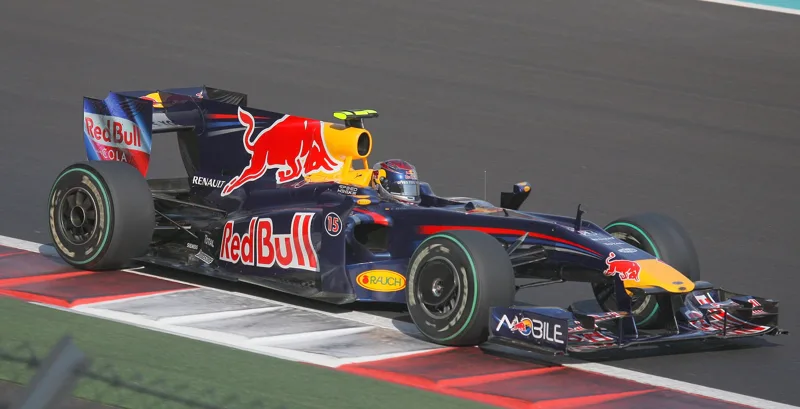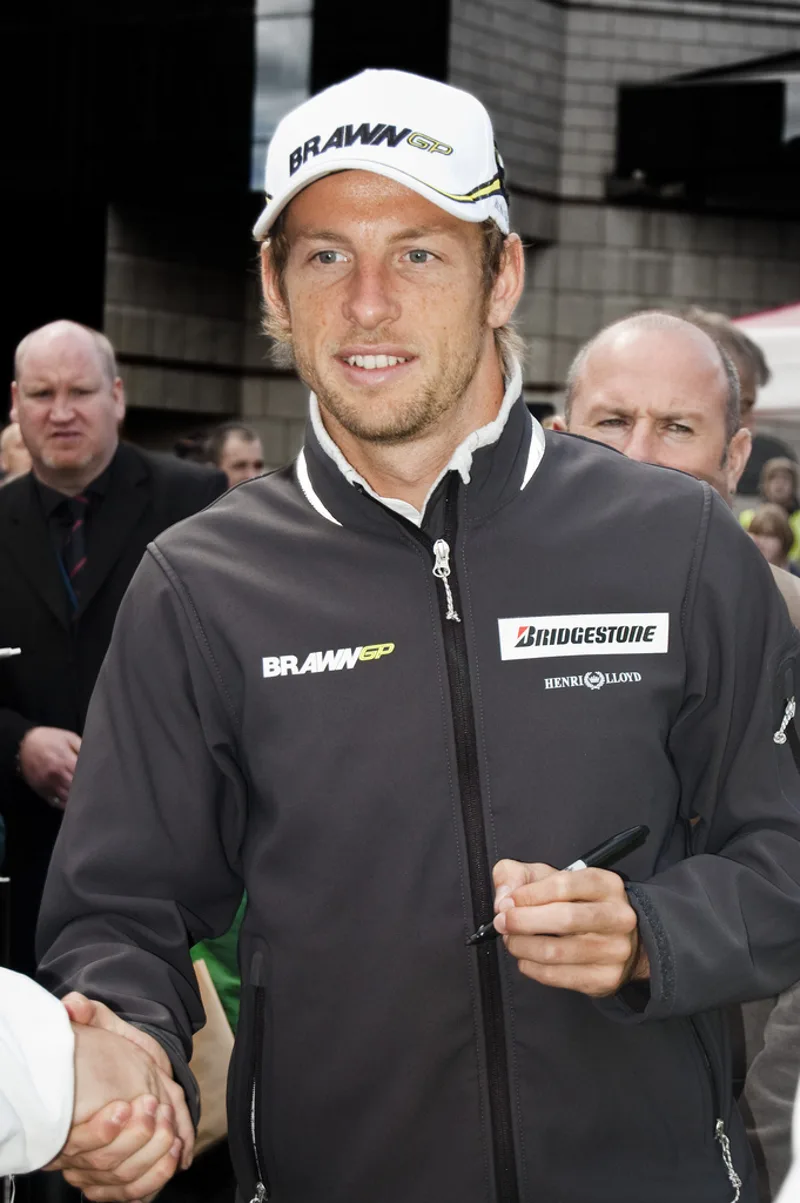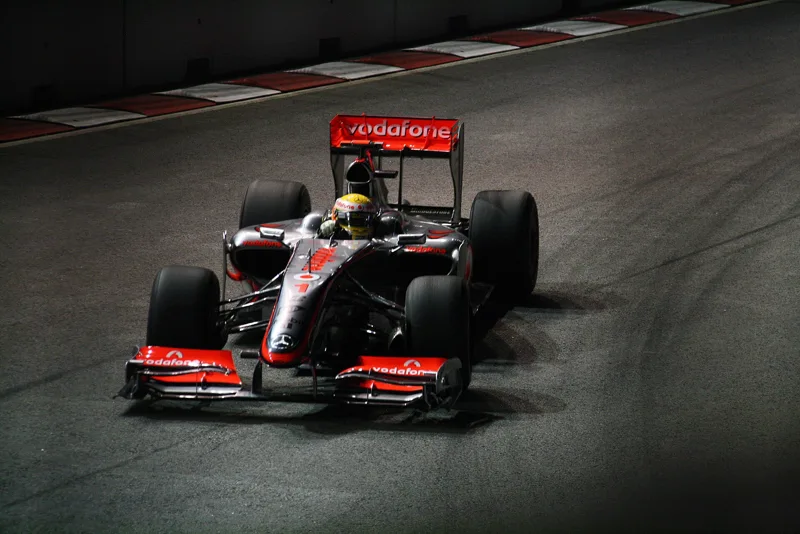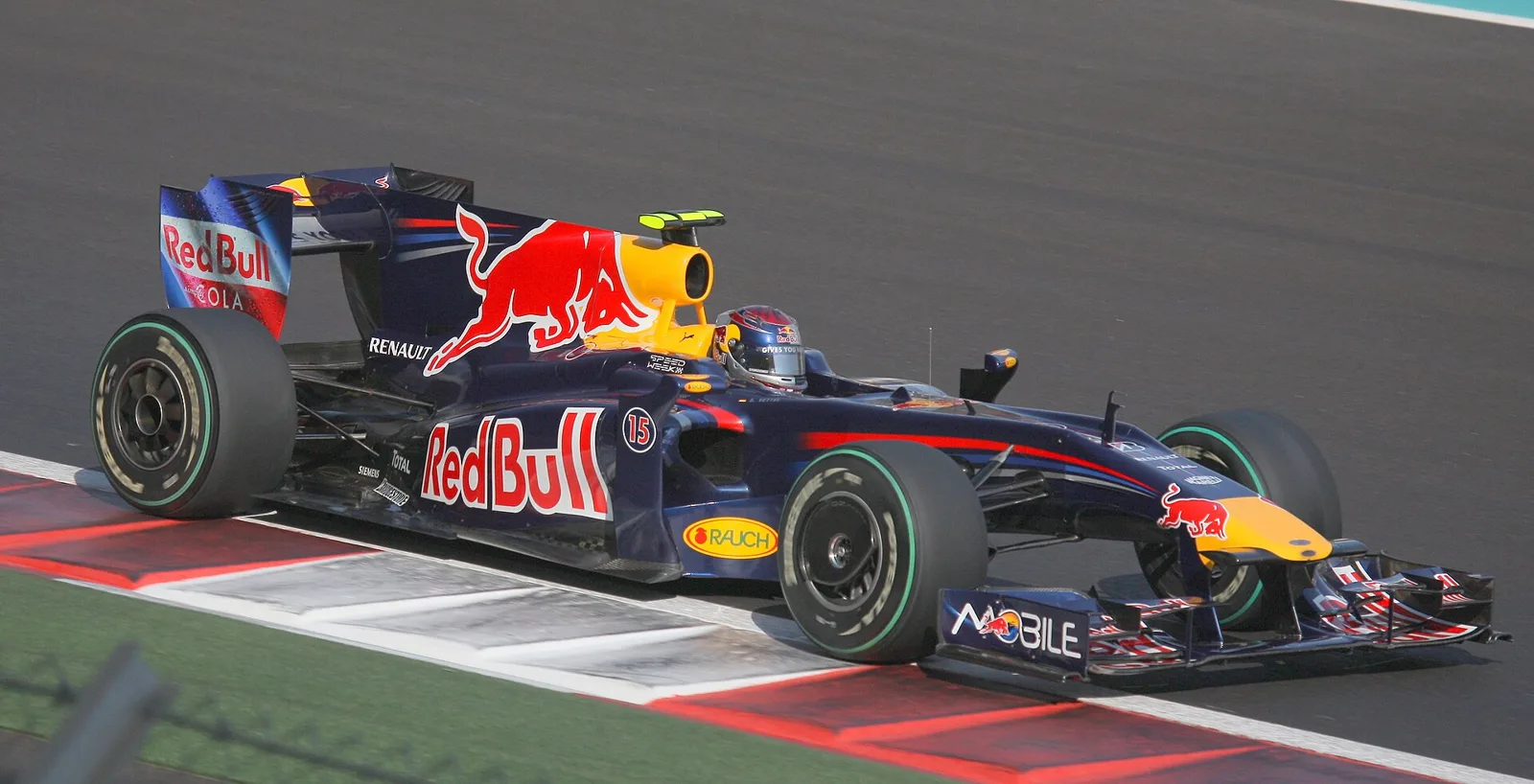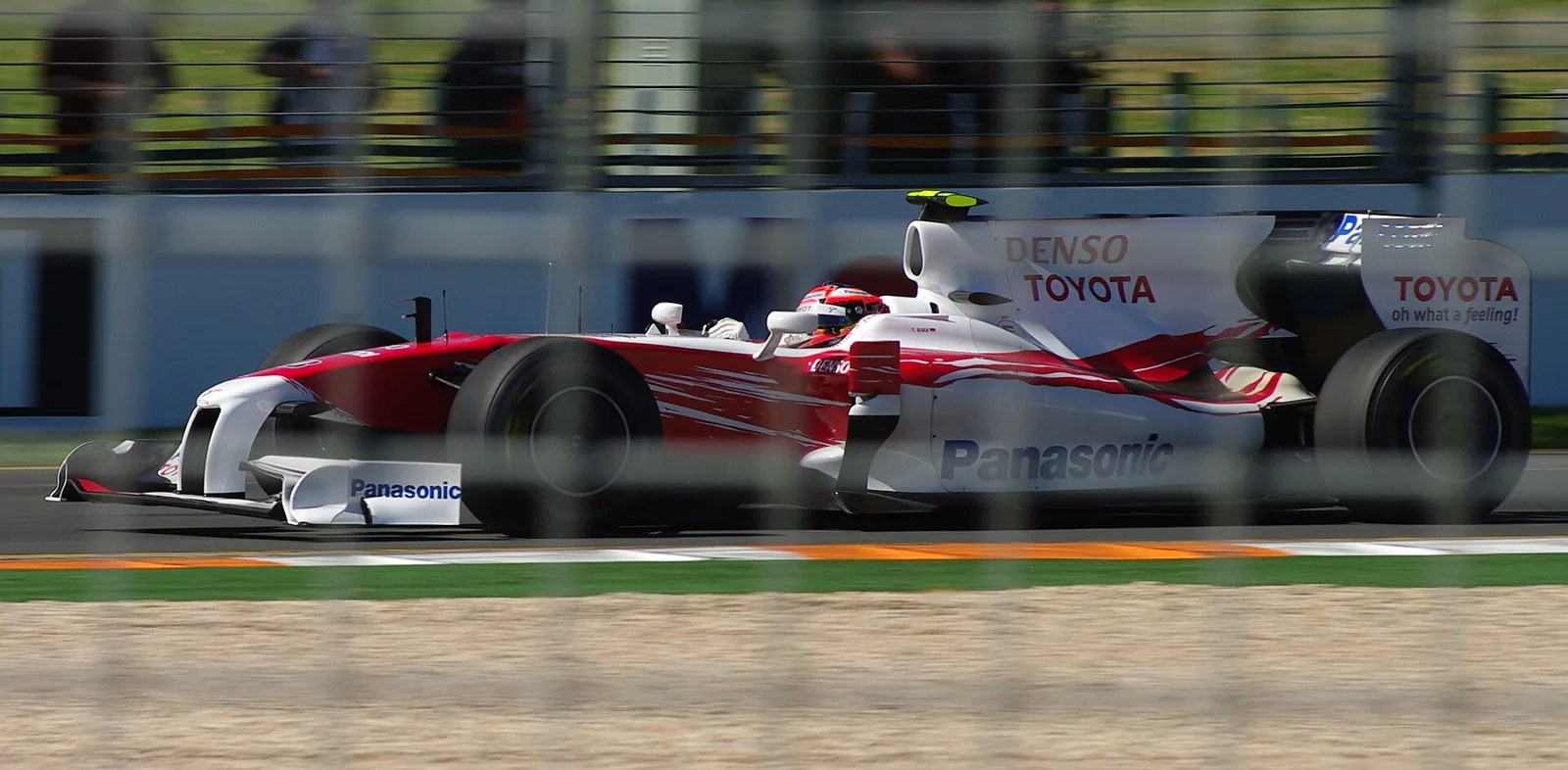
Brawn GP's first race produced a pole, a one-two and a safety car finish, while a diffuser protest went on to appeal after the Malaysian race.
The 2009 Australian Grand Prix was held on 29 March 2009 at the Melbourne Grand Prix Circuit and opened the Formula One season. Jenson Button won from pole for Brawn GP, with Rubens Barrichello second and Jarno Trulli third for Toyota. The race ended under the safety car after a late collision between Kubica and Vettel.
Jenson Button took the chequered flag in Melbourne from pole position, giving Brawn GP a one-two on its very first Grand Prix. Rubens Barrichello finished second and Jarno Trulli was third for Toyota. The race ended under a safety car after Kubica and Vettel collided late on.
The weekend opened with a boycott threat, a protest over rear diffusers and a later start than the year before.
Who was on the grid at Melbourne in 2009?
Twenty drivers in ten teams started the race, and the grid had plenty of new faces. Brawn ran Barrichello and Button, both former Honda drivers, while Sebastien Buemi made his debut for Toro Rosso. Buemi was the first Swiss driver on the grid since 1995.
The field included the Mercedes-powered Brawn and Force India cars, alongside Ferrari, McLaren, Renault, BMW Sauber, Toyota, Red Bull, Williams and Toro Rosso. Brawn was a team with an unusual history, because Ross Brawn had bought out Honda Racing F1 to create it.
McLaren and Renault had threatened to skip the opener over money they said had not been paid to the teams. That boycott was called off, and both arrived in Melbourne. Buemi took the seat that Sebastian Vettel had vacated, because Vettel had moved to Red Bull replacing the retired David Coulthard.
Brawn's debut produced a one-two, and Button's pole came with an engine failure on the final straight.
Who set the pace in practice?
Rosberg and Nakajima set the first two times in the opening practice session for Williams, separated by five-hundredths of a second. Rosberg then topped the Saturday session, three thousandths ahead of Trulli, and Button was third in that session.
Barrichello took fourth in the first session, while Button was sixth. Raikkonen's Ferrari was marginally behind Nakajima, and Hamilton, the reigning world champion, was down in 16th, 2.3 seconds off the Williams pace.
In the second practice Rosberg was six-tenths faster than he had been in the first, with Barrichello second, Trulli third and Webber fourth. Vettel's morning ended early when a hydraulic failure forced him to stop between turns six and seven.
Were the rear diffusers legal?
The protest was thrown out by the stewards. The teams that had complained appealed, and the FIA International Court of Appeal heard the case after the Malaysian Grand Prix. The diffusers were judged legal.
The protest named three teams, Brawn, Toyota and Williams, so the ruling reached the front of the grid. Several teams had lodged the complaint before the race, and it had to be settled for all three designs at once.
The start time was also a point of debate. The race had started at 15:30 AEDT (04:30 UTC) in 2008, and it moved to 17:00 AEDT (06:00 UTC) for 2009. Bernie Ecclestone wanted a night race like the one in Singapore, but the organisers refused, honouring a contract to 2015 for a twilight race.
Who was fastest in qualifying at Melbourne?
Jenson Button took pole by three-tenths of a second over his Brawn teammate in the final part of qualifying. It was his fourth career pole and his first since the 2006 Australian Grand Prix. Sebastian Vettel was third and Robert Kubica fourth.
Qualifying ran in three parts, lasting 20, 15 and 10 minutes. The first part removed anyone finishing 16th or lower, and the final part decided the top ten and pole. Button's car blew its engine on the final straight of his pole lap.
The qualifying order changed after the session. Hamilton was demoted five places after a gearbox change, and the Toyotas were later stripped of their times over illegal rear wings. Hamilton ended up 18th, with Glock 19th and Trulli 20th, and Webber moved from tenth to eighth.
How did the race unfold?
Button led from the start and never gave up the lead, while the first corner reshaped the order behind him. Barrichello, Webber, Heidfeld and Kovalainen were all caught up in turn-one incidents. Hamilton, who started 18th, moved to 13th by the end of lap one and reached the top ten by lap four.
Turn one was where the field split apart. Barrichello, who had nearly stalled, dropped from second to ninth. He was hit from behind, and his front left tyre struck the sidepod of Webber's car, which spun into Heidfeld's BMW. Webber then hit Kovalainen's McLaren, causing irreparable damage to its front left suspension.
By lap six Button had set the fastest lap of 1:28.787 and built a lead of more than four seconds. Rosberg tried a move on Raikkonen on lap ten, and Barrichello clipped Raikkonen's car as he passed, damaging it. Raikkonen switched from option to prime tyres.
On lap 18 Nakajima spun into the wall between turns four and five, and his front wing came to rest on the racing line. The safety car was deployed, and Button pitted as it came out. The safety car stayed on track until the end of lap 24.
At the restart Piquet lost control under braking and spun into the gravel, out of the race. Massa made his second and final stop on lap 31 and rejoined 14th. Vettel and Rosberg pitted on lap 16, and Rosberg fell to 12th. His slow left front tyre change cost him nine places over the race.
Which teams were fighting in the early laps?
Hamilton's recovery was the main story behind the leaders. Bourdais fell on lap two, Fisichella on lap three, and by lap four Buemi had been passed too, which put him in the top ten. From 18th on the grid, that was a strong start to his season, although his grid position had been affected by the gearbox change and the Toyota disqualification.
Massa's afternoon was harder. His second stop on lap 31 left him 14th when he rejoined. The Ferrari pair therefore had very different races, with Raikkonen fighting to keep his place after the Barrichello contact and Massa rebuilding from the pit lane.
Rosberg and Vettel both pitted early, and their races were shaped by their stops as much as their pace. Rosberg set the fastest lap of the race, 1:27.706, but his earlier stop had already cost him places, and the race finished with the leaders some way ahead.
Key moments in the race
| Lap | Event |
|---|---|
| 1 | Turn-one incidents involve Barrichello, Webber, Heidfeld and Kovalainen |
| 6 | Button sets the fastest lap of 1:28.787 |
| 10 | Rosberg tries a move on Raikkonen; Barrichello clips Raikkonen |
| 16 | Vettel and Rosberg pit; Rosberg falls to 12th |
| 18 | Nakajima crashes; the safety car is deployed |
| 24 | The safety car leaves the track |
| 31 | Massa makes his final stop and rejoins 14th |
| 47 | Button's final stop takes 13.2 seconds |
| 56 | Vettel and Kubica collide; Kubica retires and Vettel stops |
| 58 | The race finishes under the safety car |
How did Button control the race?
Button led from the start and was never headed. By lap six his lead was more than four seconds, and he set the fastest lap of the race at 1:28.787 on that lap. That margin gave him room to manage the stops, while the rest of the field fought over the places behind him.
His own stop came when the safety car was deployed, and he rejoined as it came out. His final stop, on lap 47, took 13.2 seconds because his left rear wheel stuck, but his lead was large enough that he still crossed the line first. Barrichello was second in the other Brawn, and Trulli third for Toyota.
Button had waited since the 2006 Hungarian Grand Prix for a win, and he had taken pole and led every lap that mattered. The result came from the car as much as from the driver, and it was the first time the Brawn name had been on the winner's list.
Why did the race finish under the safety car?
Vettel's front wing hit the sidepod of Kubica's BMW on lap 56, and both cars lost their front wings. Debris was not cleared in time, so the safety car came out and the race finished behind it. It was only the second safety car finish in Formula One history.
Kubica had been running second, and he crashed into the wall, ending his race there. Vettel, who was third, also hit the wall and then ground to a halt between turns 10 and 11.
Under Article 40.14 of the sporting regulations the safety car pulled in, and the cars crossed the line without overtaking. The 1999 Canadian Grand Prix had been the previous race to finish under stabilised safety car conditions, and Melbourne was the second.
How did the Toyota pair get on?
Toyota had pace in practice. Trulli was second fastest in Saturday practice, three thousandths behind Rosberg, and he was third in the second session behind Barrichello. That form did not carry through to qualifying, where the team's times were voided after the stewards ruled that the rear wings were illegal.
Glock started 19th, one place ahead of Trulli. Trulli did recover to finish third in the race, which gave Toyota the podium, while Glock's race did not produce the same result.
How did the BMW Sauber drivers fare?
Kubica qualified fourth, and Heidfeld was caught up in the turn-one melee after Webber's spin, so the BMW pair began with very different prospects. Kubica's race was the one that ended most dramatically, because he was running second when the collision with Vettel on lap 56 sent him into the wall.
The team's race was disrupted early, and the late collision removed its leading car from the finish. Neither BMW was on the podium, and the best of the two team cars was not the one that finished nearest the front.
Why does the Brawn debut still matter?
Brawn became the first constructor since Mercedes-Benz at the 1954 French Grand Prix to take pole and win on its debut. Button's victory was his second in Grands Prix, and his first since the 2006 Hungarian Grand Prix. It was also the first race since the 1997 European Grand Prix to use slick tyres.
Button had waited since 2006 for another win, and this one came for a team that Ross Brawn had bought out of Honda Racing F1. Barrichello and Button, both former Honda drivers, finished one-two for Brawn.
Trulli's third place gave Toyota a podium, though accusations followed that he had passed Hamilton while the safety car was out. Those claims became part of the story of the day,