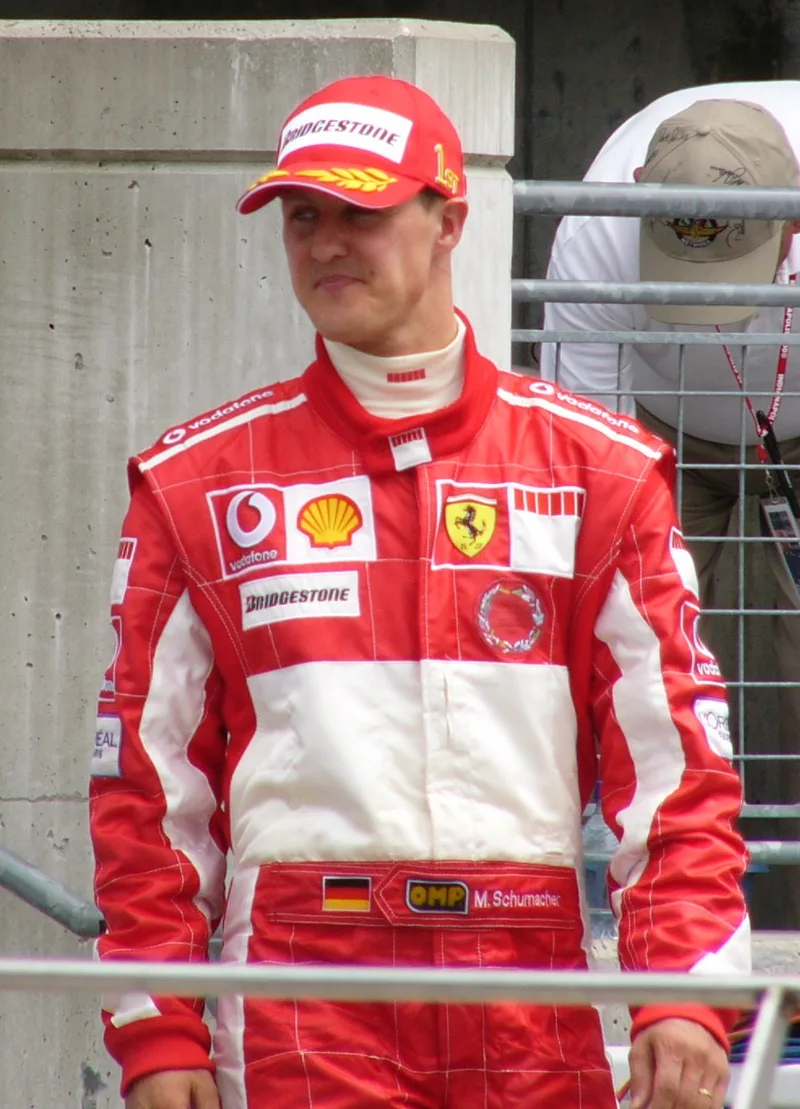
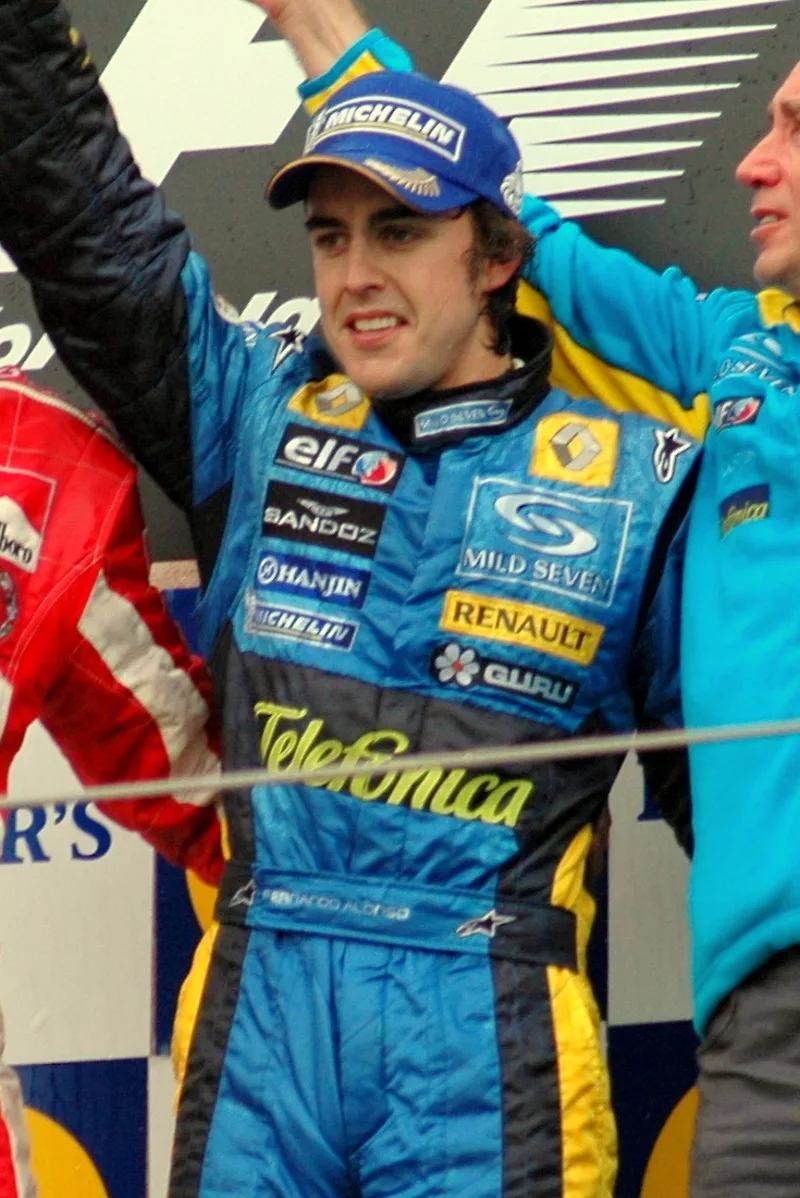
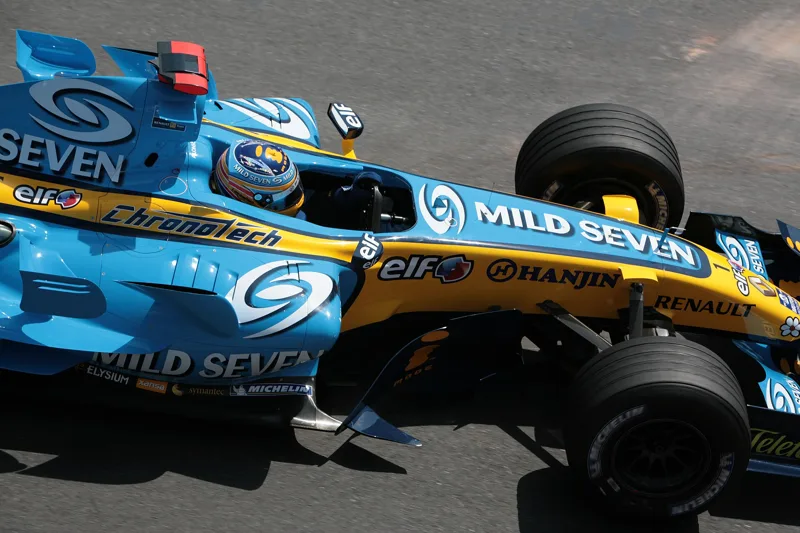
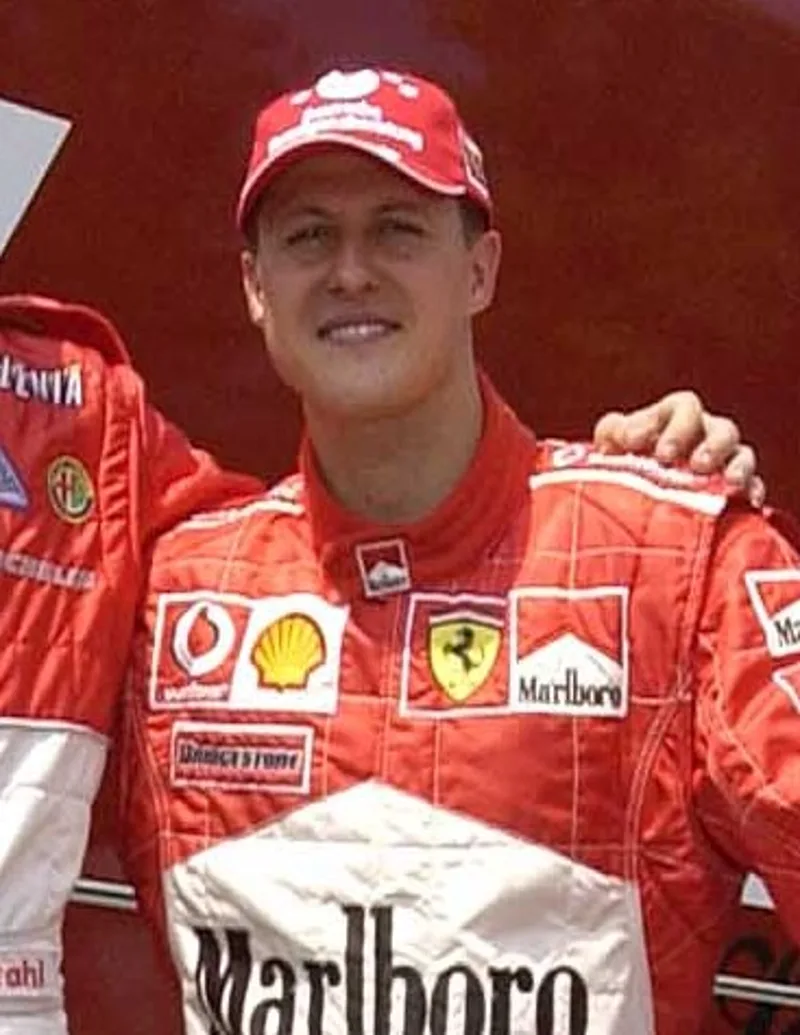
The 2005 season opened at Albert Park with Red Bull's debut, and Fisichella controlled the race from pole for Renault.
From pole position, Giancarlo Fisichella took the 2005 Australian Grand Prix at Melbourne, ahead of Ferrari's Barrichello and Renault team-mate Alonso in third. The result made Fisichella the championship leader after the opening round, and it was the first win of the year for Renault.
Giancarlo Fisichella won the 2005 Australian Grand Prix from pole position for Renault, opening the season at Melbourne's Albert Park. Rubens Barrichello was second for Ferrari and Fernando Alonso third for Renault. The win put Fisichella at the head of the championship, and it was the only round after which he led the table that year.
Why did the 2005 opener matter so much?
The Australian round launched a season with several new faces. Red Bull Racing made its debut, having been bought from Jaguar, and it was the first race for Vitantonio Liuzzi with the team. Eight of the ten entered teams arrived with all-new chassis for 2005, while Ferrari and Minardi began the year with modified 2004 cars.
The rules for the weekend also gave the bottom six teams of the 2004 constructors' table the right to run a third car on Friday, although those drivers did not take part in qualifying or the race. Minardi's route to the grid was the most complicated. The team had dropped legal action against the FIA, which had refused to let it run its cars in their original 2004 specification. The Faenza team had therefore missed Friday practice, and it eventually modified its PS04B chassis to race.
Fisichella started from pole, held the gap all afternoon, and won the season opener for Renault.
How did the Friday practice sessions unfold?
Vitantonio Liuzzi dominated the first session in his first Grand Prix for Red Bull, and twenty-two cars took part. The only casualty was Narain Karthikeyan, whose engine blew after six laps. Montoya ended up fourth fastest, and Barrichello only 12th. Neither Minardi ran in that session.
In the second session Pedro de la Rosa and Kimi Raikkonen put their McLarens quickest, ahead of Nick Heidfeld and Michael Schumacher. Liuzzi spun at turn three and had to abandon his car. Karthikeyan received a US$6750 fine for pit-lane speeding at 86.2 km/h on his debut outing in the final session.
The third session took place on a wet track after overnight rain. The Ferraris of Michael Schumacher and Barrichello led the way, with Raikkonen behind them in the McLaren. Christijan Albers spun at turn three on his final lap of the session, and both Minardis had taken to the track in it.
In the final session the dampness of the track left the times all over the place. Raikkonen and Alonso did well to fight for the fastest time, and the Finn came out best. Montoya put in a late lap for third, ahead of Fisichella and Jenson Button. Karthikeyan spun at turn nine, and his car briefly caught fire.
How did qualifying produce the grid?
Giancarlo Fisichella took pole in a qualifying session that was disrupted by weather, setting 1:33.171 before the rain came back. Jarno Trulli lined up alongside him on the front row.
Several teams had forecast a storm after 20 minutes, and the session began on a track that was only damp. Christijan Albers briefly took the lead in the early running, and Narain Karthikeyan was five seconds quicker than the two Minardis. Jacques Villeneuve switched to dry tyres but spun wildly on his out lap, and he still brought his Sauber home third in that session.
Felipe Massa's dry-tyre lap was aborted when the rain arrived, and he started from 20th on the grid. Michael Schumacher switched to wet tyres and could only manage 18th. Takuma Sato crashed at turn eight on his out lap, which brought a brief stop to the session.
Alonso was left with 14th, and Barrichello lined up 12th. Montoya and Raikkonen, the two McLaren drivers, were left to fight over 10th and 11th. Takuma Sato had gone out in the wet without setting a time in the first part, and Massa failed to set a time after abandoning his dry lap. Schumacher and Sato had already taken 10-place grid penalties for engine changes.
How did the race start and open up?
The start was delayed by a yellow flag, because Raikkonen's McLaren had stalled on the grid. He started from the pit lane, and the race was run over 57 laps rather than the scheduled 58. When the lights finally went out, Fisichella and Trulli kept their front-row positions through the first lap.
Mark Webber, starting third in his home race and making his debut for Williams, was outsprinted by David Coulthard into the first corner. The four rookies ran further back, with Tiago Monteiro and Narain Karthikeyan in the Jordans ahead of Friesacher and Albers in their Minardis. Takuma Sato made the best start of anyone, climbing from the back to 14th. Jacques Villeneuve lost five places on the opening lap in his Sauber. Barrichello and Alonso each climbed three places on the first lap, which said more about their pace than the wet qualifying had.
Coulthard then fell back and held up a line of cars that included Webber, Nick Heidfeld, Christian Klien, Montoya and Barrichello. Alonso passed Villeneuve, lost the place to him, and then took it back before the first stops. Coulthard and Webber nearly collided on lap 15, and Webber briefly ran on the grass.
Albers retired after lap 17 with a gearbox failure, and no other car went out for a mechanical reason all afternoon. By then Fisichella was in command of the race.
What happened in the midfield battles?
Michael Schumacher closed the door on Heidfeld as he came out of the pits, forcing the Williams onto the grass. Heidfeld braked in vain, slid into the side of Schumacher's Ferrari, and both cars ended up in the gravel. Schumacher got going again but retired in the pits soon afterwards with the collision damage.
Trulli's Toyota began to drop back after his rear tyre blistered, and the problem affected him for the rest of the race. Ralf Schumacher made two quick stops to fix a loose safety harness, in his first start for Toyota.
Montoya went onto the grass at turn eight while preparing for his second stop, which cost him time. Later he lost part of his rear deflector and eased off to save his Mercedes engine for the next round. Raikkonen also lost a piece of deflector, which became lodged under his side barge board, and mechanics were seen removing it during a pit stop.
How did Fisichella hold on for the win?
Fisichella stayed in command after his first stop, briefly giving up the lead while refuelling. He managed the gap to his nearest rival all race and never made a mistake. The R25 was not seriously challenged and performed flawlessly.
Barrichello gained the most in the pits, moving from eighth to fourth, and Alonso climbed four places in the same period. Alonso kept pushing on Barrichello's heels after the second round of stops, but Barrichello, despite a brake balance problem, held him off for second place.
Alonso recorded the quickest lap of the race, and for much of the event he was the quickest car out there. Fisichella crossed the line first for his second career win, having previously won only for Jordan in 2003.
What did the BAR cars do on the final lap?
Both BAR entries came into the pit lane on the last lap, so neither was classed as finishing. That gave them an exemption from the new two-race engine rule, letting them swap their Honda engines without a penalty.
The loophole was closed straight away. From then on a car needed a real technical fault before it could change engines without a penalty.
What were the race results?
| Item | Detail |
|---|---|
| Date | 6 March 2005 |
| Venue | Melbourne Grand Prix Circuit (Albert Park) |
| Race length | 57 laps, from a scheduled 58 |
| Pole position | Giancarlo Fisichella, Renault |
| Winner | Giancarlo Fisichella, Renault |
| Second | Rubens Barrichello, Ferrari |
| Third | Fernando Alonso, Renault |
| Fastest lap | Fernando Alonso |
| Retirements | Albers (gearbox), Heidfeld and Schumacher (collision) |
| Grid penalties | Michael Schumacher and Takuma Sato, 10 places each, for engine changes |