A proposed third-largest carmaker lasted about two months. Nissan is now cutting deep, and Honda has turned to partnerships and hybrids.
Honda and Nissan agreed in December 2024 to explore a merger that would have made the third-largest carmaker by sales. Talks ended in February 2025, reportedly after differences that included Honda's proposal that Nissan become a subsidiary. Nissan is now closing seven factories by 2027, while the pair still cooperate on software.
Honda and Nissan announced plans to merge in December 2024, and the plan was dead within about two months. According to reports, one sticking point was a Honda proposal that Nissan become its subsidiary. Had the deal gone ahead, the two would have formed the third-largest car company in the world by sales.
The collapse left two Japanese groups to face their problems separately. Nissan is closing factories and trimming its range after a heavy loss, and Honda is scrapping electric cars and leaning on hybrids.
What was the Nissan and Honda merger meant to be?
On 23 December 2024 Honda announced a memorandum of understanding to merge with Nissan and create the third-largest automaker by sales. Mitsubishi Motors, in which Nissan holds 24 per cent, agreed to join the talks and was due to decide by the end of January 2025. The integration carried a deadline of 2026.
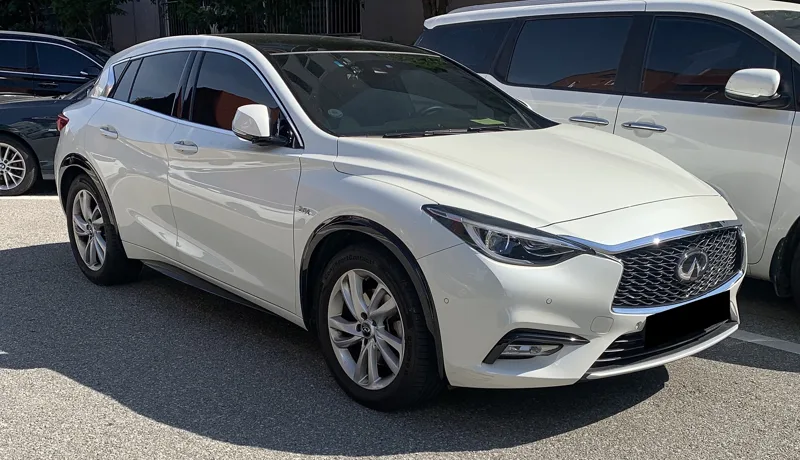
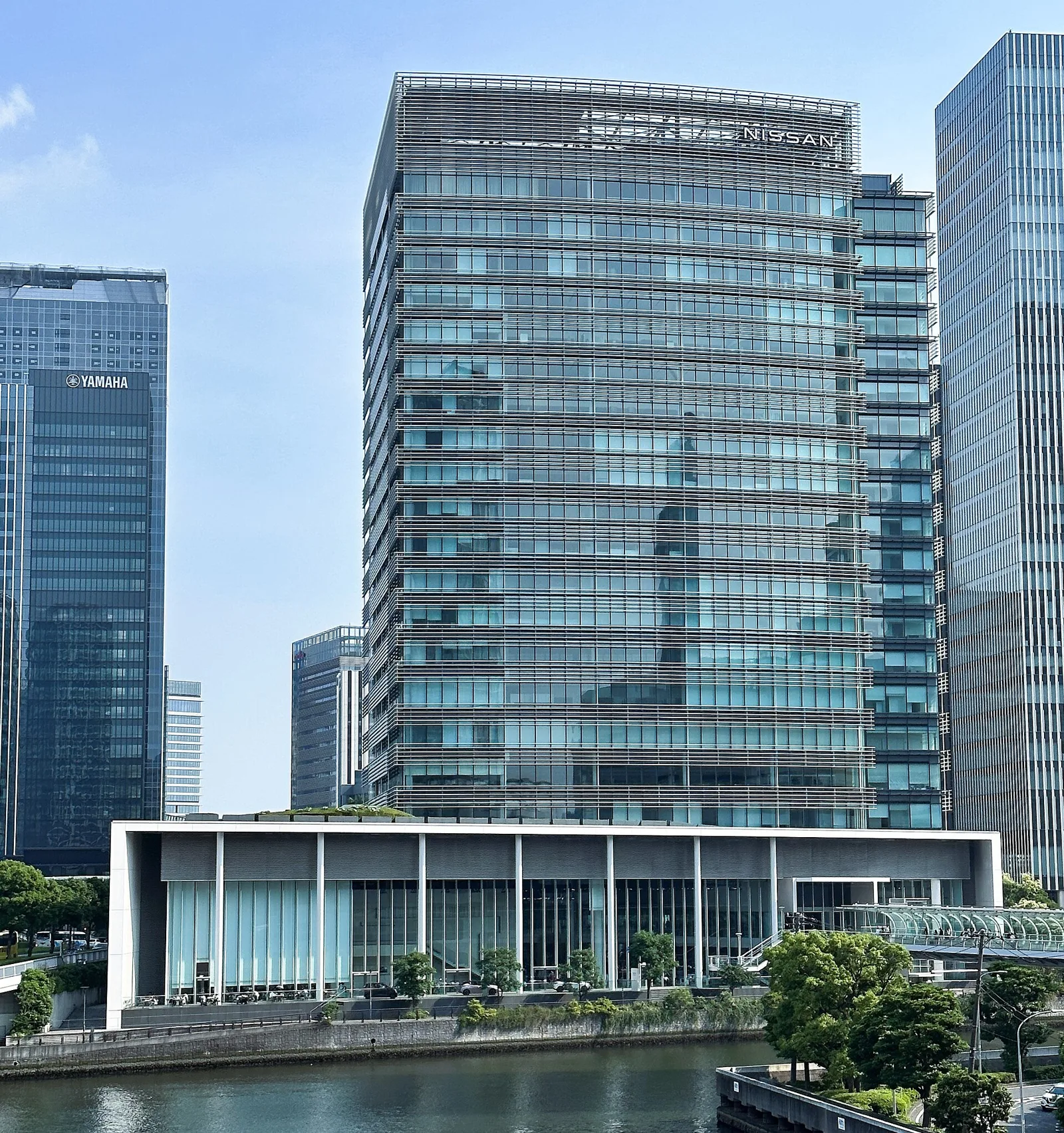
On paper the two fit together. Nissan, headquartered in Yokohama, sells under the Nissan and Infiniti brands and once used the Datsun name. Honda, based in Minato, Tokyo, has the Acura luxury brand, which in March 1986 became the first dedicated luxury line from a Japanese manufacturer. Honda has also been the world's largest motorcycle maker since 1959.
Nissan ranked sixth in the world in 2017 and ninth by revenue in 2022, when it took in $78 billion. Honda was the eighth-largest automobile manufacturer, with an estimated market capitalisation of around US$32,000,000,000 in 2026.
Two very different family trees
Nissan's roots lie in the Kwaishinsha Motor Car Works, founded in Tokyo on 1 July 1911. Its first car, in 1914, was the DAT, a name built from the initials of three investors. The Nissan name itself began in the 1930s as a stock-exchange abbreviation for the holding company Nihon Sangyo, and Nissan Motor was incorporated in 1934.
Honda is the younger company. In October 1946 Soichiro Honda opened the Honda Technical Research Institute, where 12 people built motorised bicycles in a small shack. Honda Motor was incorporated in 1949. Its first production car, the T360 mini pick-up, went on sale in August 1963.
Nissan has done a merger before. In 1966 it absorbed the Prince Motor Company, which brought the Skyline and Gloria into its range. The Prince name was eventually dropped and later cars carried the Nissan badge. Prince also had front-wheel-drive expertise that Nissan lacked, which led to the first Cherry in 1971.
The merger that would have made the third-largest carmaker lasted about two months.
Why did the Nissan and Honda merger collapse?
In February 2025 the boards of both companies voted to end the talks. Nissan reportedly pulled out after negotiations were complicated by growing differences, among them Honda's proposal that Nissan become a subsidiary. Mitsubishi Motors, which was to decide on joining by the end of January, had no merger left to join.
The split was not total. Honda and Nissan carried on with their technical partnership, and in August 2026 they signed a joint-development agreement covering the electronics that run future software-defined vehicles. It aligns the main control computers, the operating system inside the car, the middleware that links them and the software that governs the vehicle, with deployment targeted from fiscal 2029.
How tangled is Nissan's alliance with Renault?
Nissan has belonged to the Renault, Nissan and Mitsubishi Alliance since 27 March 1999. It is neither a merger nor a takeover: cross-shareholdings bind the companies. At the last count, in November 2023, Renault's voting stake in Nissan stood at 15 per cent, matched by a 15 per cent holding of Nissan in Renault.
| Date | Renault's stake in Nissan | Nissan's stake in Renault | Nissan's stake in Mitsubishi Motors |
|---|---|---|---|
| 1999 | 36.8 per cent, bought for $3.5 billion | None | None |
| 2001 | 43.4 per cent | 15 per cent, non-voting | None |
| October 2016 | 43.4 per cent | 15 per cent, non-voting | 34 per cent, controlling |
| 2023 | 15 per cent voting stake | 15 per cent, now able to vote | 34 per cent |
| November 2024 | 15 per cent voting stake | 15 per cent | 24 per cent |
The structure was designed so that each partner would keep its own brands and corporate culture. A shared Amsterdam management company, Renault-Nissan BV, was set up in 2002 and is owned half and half. The tie-up brought shared engines, batteries and purchasing. It also produced badge-swapped vans such as the Renault Trafic and Nissan Primastar. Nissan took its 34 per cent of Mitsubishi in 2016, after a fuel-efficiency scandal that Nissan had uncovered. By 2017 the three companies sold 10.6 million vehicles, one in every nine worldwide.
That September the alliance unveiled Alliance 2022, a six-year plan to double annual synergies to EUR 10 billion. Ghosn said at the time that sales were forecast to exceed 14 million units, with revenue of $240 billion expected by the end of the plan. Even before that, the partners had reported more than EUR 1.5 billion in synergies for 2010.
The fight over who was in charge
Control was always the sore point. Renault, with a voting stake of 43.4 per cent in Nissan against Nissan's non-voting 15 per cent in Renault, held theoretical control, and the French government is Renault's largest shareholder. France's 2014 Florange law gave long-term shareholders twice the votes. When Renault tried to opt out of it in April 2015, the French state bought an extra EUR 1.23 billion of shares to defeat the move, which was widely seen as a raid.
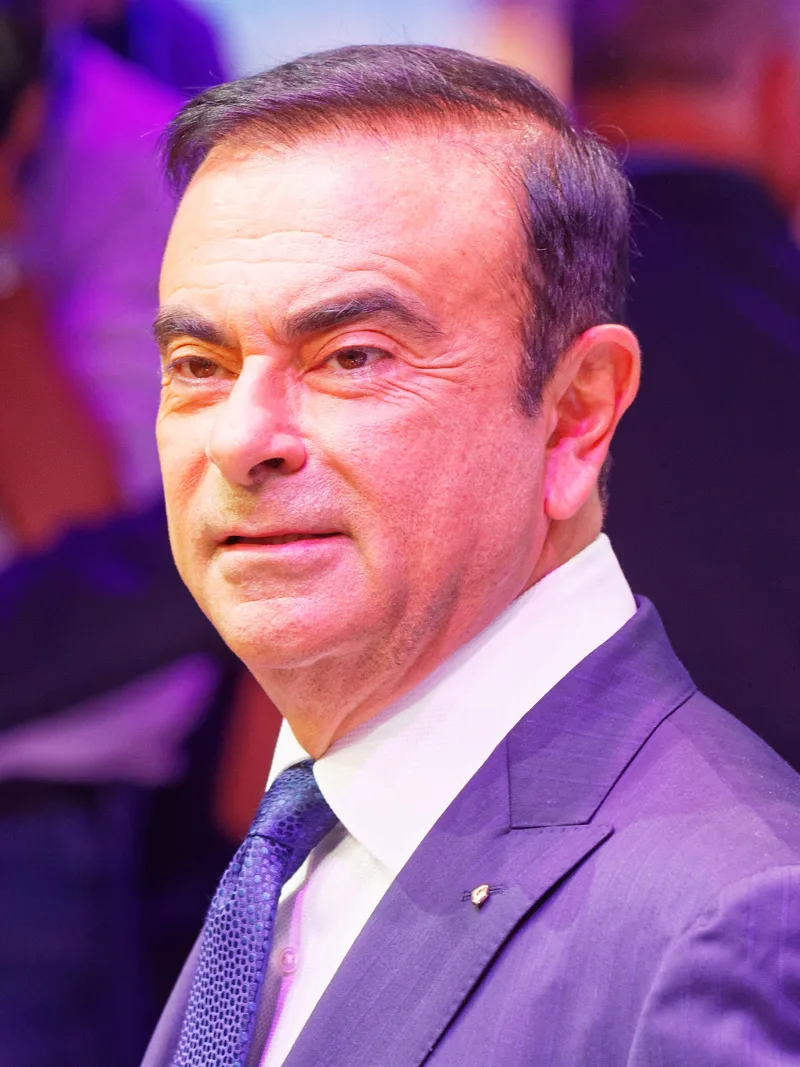
Nissan's number two, Hiroto Saikawa, answered by threatening to leave the alliance unless Renault sold down its stake, restored Nissan's voting rights and gave up control. In early 2018 the chairman and chief executive of the alliance, Carlos Ghosn, was discussing a merger of Renault and Nissan. His arrest in Japan in November 2018 ended that, and the French government, which had been given no advance notice, reportedly told Tokyo it still wanted the merger. Nissan's chief executive said it was not the right time to talk about capital ties.
Ghosn had argued back in 2011 that conventional top-down acquisitions in the car industry had no successful example. In January 2023 Renault and Nissan restructured the alliance to give both more autonomy, and Renault cut its voting stake in Nissan to 15 per cent.
How deep is Nissan's recovery plan?
After a loss of 671 billion yen in the 2024/2025 financial year, new chief executive Ivan Espinosa announced that Nissan will close seven factories by 2027, with the loss of 20,000 jobs. It will also cut its car models from 56 to 45, concentrating investment on the more profitable ones.
The group is also shrinking its holdings. Nissan cut its holding in Mitsubishi Motors in November 2024, from 34 per cent to 24 per cent. Mitsubishi, for its part, had said in September 2021 that it would stop developing its own platforms for the Japanese market and use Nissan vehicle bases from around 2026.
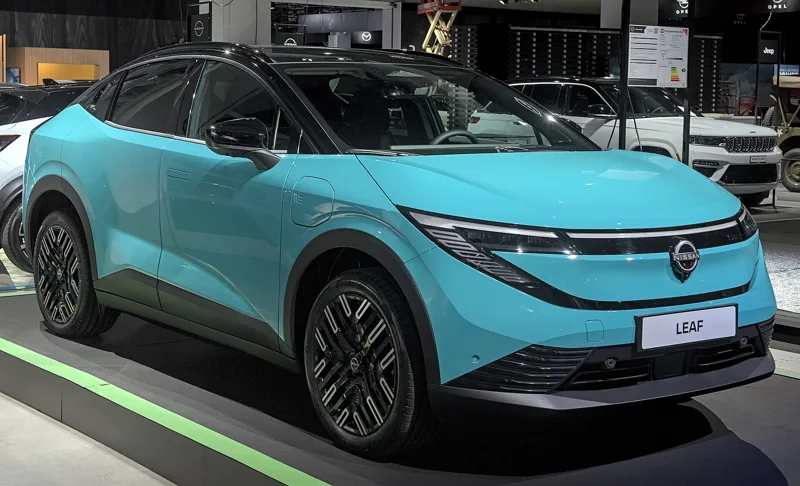
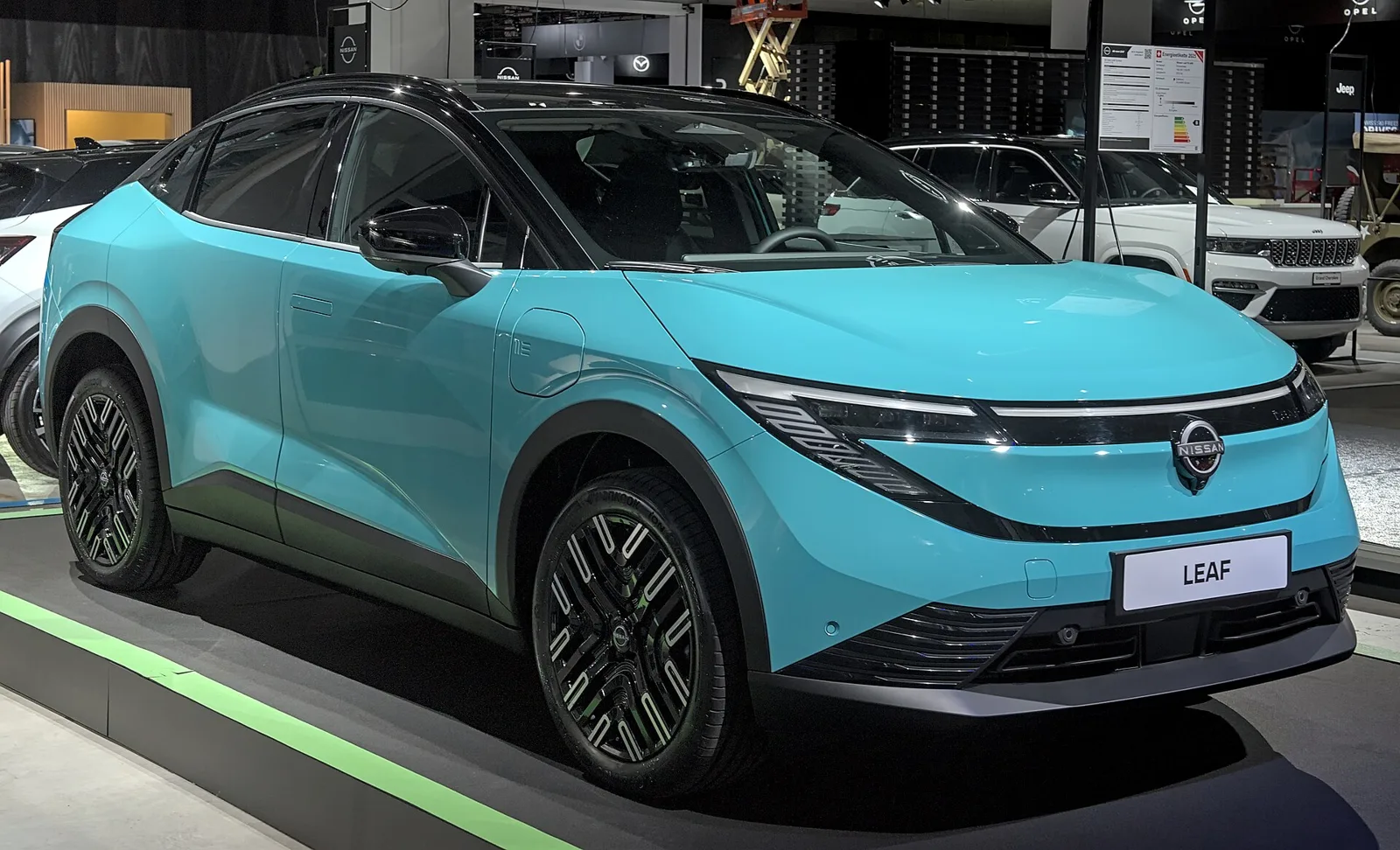
Nissan's manufacturing map is wide. Nissan Mexicana began production at Cuernavaca in 1966, its first North American assembly plant. The Smyrna plant in the US broke ground in 1980, building only trucks at first, and has since turned out cars and SUVs including the Altima, Maxima, Rogue, Pathfinder, Infiniti QX60 and the all-electric Leaf.
Nissan has needed rescuing before. The alliance began when Renault bought into the company in 1999, and by 2001 the Japanese firm had turned round from near-bankruptcy and taken its own stake in Renault. The Nissan Leaf, alongside the Renault Zoe, became one of the alliance's best-selling electric cars, and by December 2021 the group had sold over 1 million light-duty electric vehicles.
What is Honda doing instead?
Honda has built up a string of partnerships. It announced a North American alliance with General Motors in September 2020, to begin in 2021, covering shared vehicles, purchasing and research. In March 2022 it agreed to develop electric cars with Sony, and Sony Honda Mobility was officially announced on 13 October 2022. Pre-orders under the Afeela brand were said to open in 2025, with the first cars due in the US in 2026. In February 2023 Honda and General Motors also agreed to build around a new hydrogen fuel system.
Not everything has worked out. In March 2026 Honda cancelled the 0 Saloon, the 0 SUV and the Acura RSX because of profit losses, shifting its focus towards hybrids. A global recall announced on 21 December 2023 covered about 4.5 million vehicles, 2.54 million of them in the US, over fuel pump failures. An earlier recall in March 2023 hit 500,000 vehicles sold in the US and Canada, over seat belts that did not latch properly.
On the money side, Honda put about 5.7 per cent of its revenue, US$6.8 billion, into research and development in 2013, and for fiscal 2018 it reported earnings of US$9.534 billion on revenue of US$138.250 billion.
In 2021 Honda said it intended to be first among carmakers to put a level 3 self-driving vehicle on sale.
In China Honda works through four joint ventures: Sundiro Honda, Wuyang Honda, GAC Honda and Dongfeng Honda. Toshihiro Mibe has been president and chief executive since April 2021, with Toshiaki Mikoshiba as chairman.
Honda has faced takeover talk before
Press reports in 1992 and 1993 said Mitsubishi Motors, then the larger company by volume, might mount a hostile bid for Honda. Chief executive Nobuhiko Kawamoto ended Honda's Formula One programme after the 1992 season, citing cost in light of that threat, and a wish for a greener image. Honda was reported in October 2019 to be discussing with Hitachi a combination of their car parts businesses, which would have created a supplier with sales near $17 billion a year.
Where this goes next
The dates now in the diary are mostly Nissan's own. The seven plant closures and the cut in models are due by 2027. Mitsubishi's shift to Nissan-built vehicle bases is slated for around 2026, and the joint software programme with Honda is aimed at deployment from fiscal 2029. Honda's Afeela electric car, according to the original plan, was to reach US customers in 2026.
Ownership talks are over, but the two companies remain bound by technology, and the software agreement signed in August 2026 is the clearest sign of where their cooperation points.