Four national series that began between 1957 and 1968, from Canada's shared first title to Australia's Power Stage points and South Africa's privateer era.
The British, Australian, Canadian and South African national rally championships are the top domestic series of four countries, begun between 1957 and 1968. Scoring and classes differ: Australia pays Power Stage bonuses, Canada runs Novice and Ladies Cups, and South Africa has leaned on privateer crews since 2017.
The first Canadian national rally title, in 1957, was shared. Leslie Chelminski and Les Stanley, both from Montreal, split it between them in a factory-prepared Volkswagen Karmann-Ghia, and the championship they started has run without a break ever since. Britain followed in 1958, South Africa in 1960 and Australia, with a multi-event national series, in 1968.
What are the British, Australian, Canadian and South African national rally championships?
Each is the senior domestic rally series of its country, decided across a season of events rather than on one weekend. Canada's has been sanctioned by the Canadian Association of RallySport since 1957, Britain's first championship ran in 1958, South Africa has crowned a national champion every year since 1960, and Australia has staged a multi-event title every year since 1968 apart from 2020.
Canada's first national rally title was shared, and the series has run without a break since 1957.
How do the four national rally championships compare?
| Championship | First season | What defines it |
|---|---|---|
| Canadian Rally Championship | 1957 | Longest-running motorsport series in Canada; stage rallies only since 1973 |
| British Rally Championship | 1958 | Licensed by the Motor Sports Association since 1999; promoted by Motorsport UK since 2019 |
| South African National Rally Championship | 1960 | Sarel van der Merwe won eleven titles, Serge Damseaux ten; privateer-driven since 2017 |
| Australian Rally Championship | 1968 | Gravel rallies, typically six rounds, with Power Stage bonuses and four ARC Cups |
How did the Canadian Rally Championship begin?
It began in 1957 as a navigational series, and the first title went jointly to Leslie Chelminski and Les Stanley of Montreal in a Volkswagen Karmann-Ghia. By 1973 it had moved to stage rallies alone. By 2007 it was celebrating its 50th anniversary as the longest-running motorsport series in Canada.
Those early years were built on time-speed-distance rallies, usually shortened to TSD. Think of a TSD event as a test of punctuality rather than pace. Competitors follow the organiser's schedule, stay below the posted speed limits and otherwise follow the road rules that apply on public highways. The series sometimes stretched to as many as twenty events in a season, and the names people remember are the Canadian Winter Rally and the Shell 4000.
The TSD era produced champions such as Art Dempsey and Bill Silvera, along with Bruce D. Simpson, Paul S. Manson and John Bird, who have all been inducted into the Canadian Motorsport Hall of Fame.
Then rallying changed shape. As the sport took up the European stage format, performance rallies arrived, and they are the opposite of a TSD event: fast special stages on roads shut to every vehicle bar the rally cars, which have to be specially built up and carry full safety equipment. From 1973 the Canadian championship has been based solely on these stage rallies. The Rally of the Tall Pines is the premier event among them, and it is held every November.
How does the Canadian Rally Championship score points?
A driver earns one point for starting a rally and one more for finishing it, with further points for finishing position. The championship follows a two-class format, two-wheel drive and four- or all-wheel drive, and the 2026 season has eight events on gravel, snow and ice, with categories called Prepared 4WD, Open 4WD, Prepared 2WD and Open 2WD.
Co-drivers are scored by the same system as drivers. The manufacturers' title works on the best-placed entry of each make at each event.
Two side championships widen the field. The Novice Cup is for drivers who have started fewer than six performance rallies before the season begins, and it pays 9 points for first, 6 for second, 4 for third, 3 for fourth, 2 for fifth and 1 for sixth. The Ladies Cup, scored on a system aligned with the novice one, is meant to encourage more women into rallying and to recognise their results through the year.
Long-term form is tracked too. The lifetime standings count a competitor's finishes in the first six overall positions on every Canadian championship performance rally from 1973 to 2024. Fourteen drivers and ten co-drivers have passed 2000 points, which earns Grand Master status.
What is the British Rally Championship?
It is the rallying series based in the United Kingdom, with a first championship run in 1958. The Motor Sports Association has licensed it since 1999. Earlier eras carried slightly different titles, among them RAC British Rally Championship and RACMSA British Open Rally Championship.
The question of who runs it has changed more than once. In 2015 the association opted not to run the series at all, and for 2016 it gave the promotion to a subsidiary of its own, International Motor Sport. When that subsidiary was absorbed into Motorsport UK in 2019, Motorsport UK took over as promoter and has held the role since.
Why has the British co-driver title gone to the runner-up's navigator?
It has happened three times, each when the champion used more than one co-driver in a season. In 2000, Ipatti shared the work between Kari Kajala and Teppo Leino, so the co-drivers' title went to Bryan Thomas, who sat beside runner-up Mark Higgins. The same thing recurred in 2004 and 2008.
In 2004 David Higgins used Craig Thorley, Daniel Barritt and Chris Wood, and the title passed to Brian Murphy, the co-driver of runner-up Austin MacHale. In 2008 Wilks switched between Phil Pugh and David Moynihan, and Rory Kennedy, alongside runner-up Mark Higgins, took the co-drivers' crown.
How does the Australian Rally Championship work?
The Australian Rally Championship is the country's premier gravel rally competition, typically contested over six rounds in different regions. Events are either multi-day endurance rallies or sprint rallies split into heats over two days. Beside the outright drivers' and co-drivers' titles sit the ARC Cups: Production, 2WD, Junior and Classic.
Scoring depends on the format. An endurance rally pays out at its conclusion, from 100 points for the winner to 2 for twentieth place. A sprint rally pays out at the end of each heat, from 50 points for first down to 1 for twentieth, in both the outright and the cup classifications. Ties in the outright title are settled by higher overall event placings, and ties in the Cups by the higher outright placing.
Every rally ends with a Power Stage, a final special stage that carries bonus points for the quickest crews. The fastest scores 10, the second 6, then 4, 2 and 1 down to fifth. In Tasmania, at the finale of 2024, the Power Stage carried those 10 bonus points on top of the 100 awarded to the winner of the endurance event.
Which events made up the 2024 Australian season?
Six rounds made up the 2024 Bosch Motorsport Australia Rally Championship, opening with the Rally of Canberra in April and closing with Rally Launceston in November.
- Rally of Canberra, 5 to 7 April
- Forest Rally, 17 to 19 May
- Rally Queensland, 28 to 30 June
- Gippsland Rally, 9 to 11 August
- Adelaide Hills Rally, 13 to 15 September
- Rally Launceston, 22 to 24 November
Which cars and crews win Australian rallies?
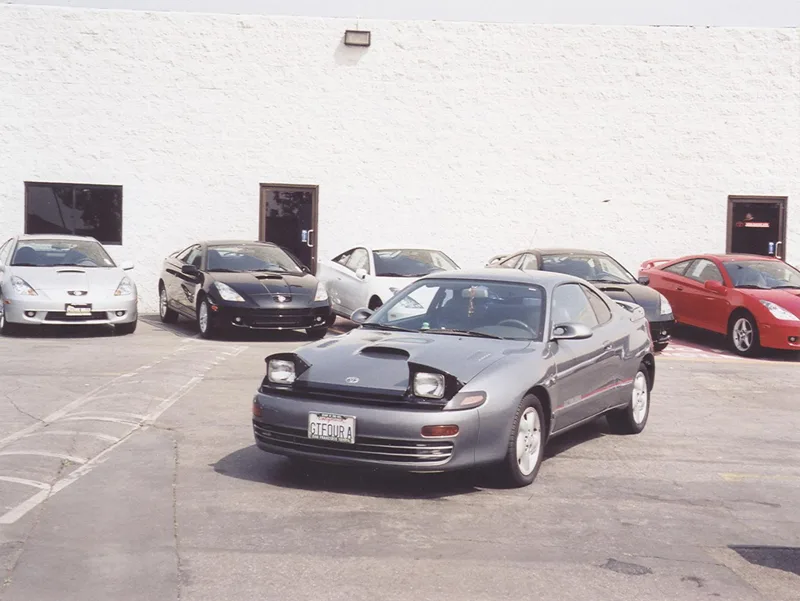
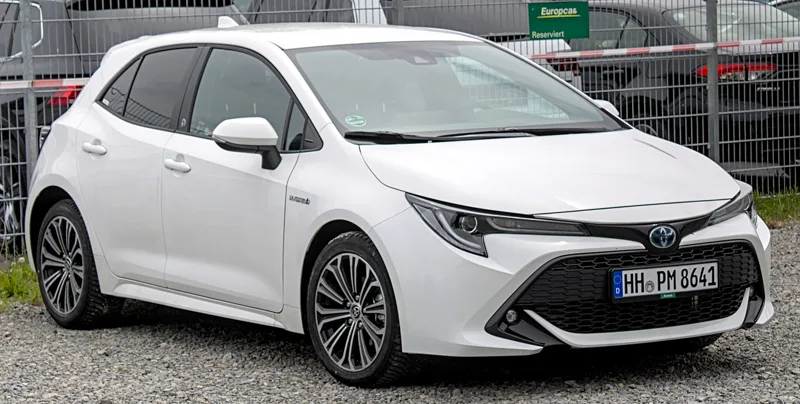
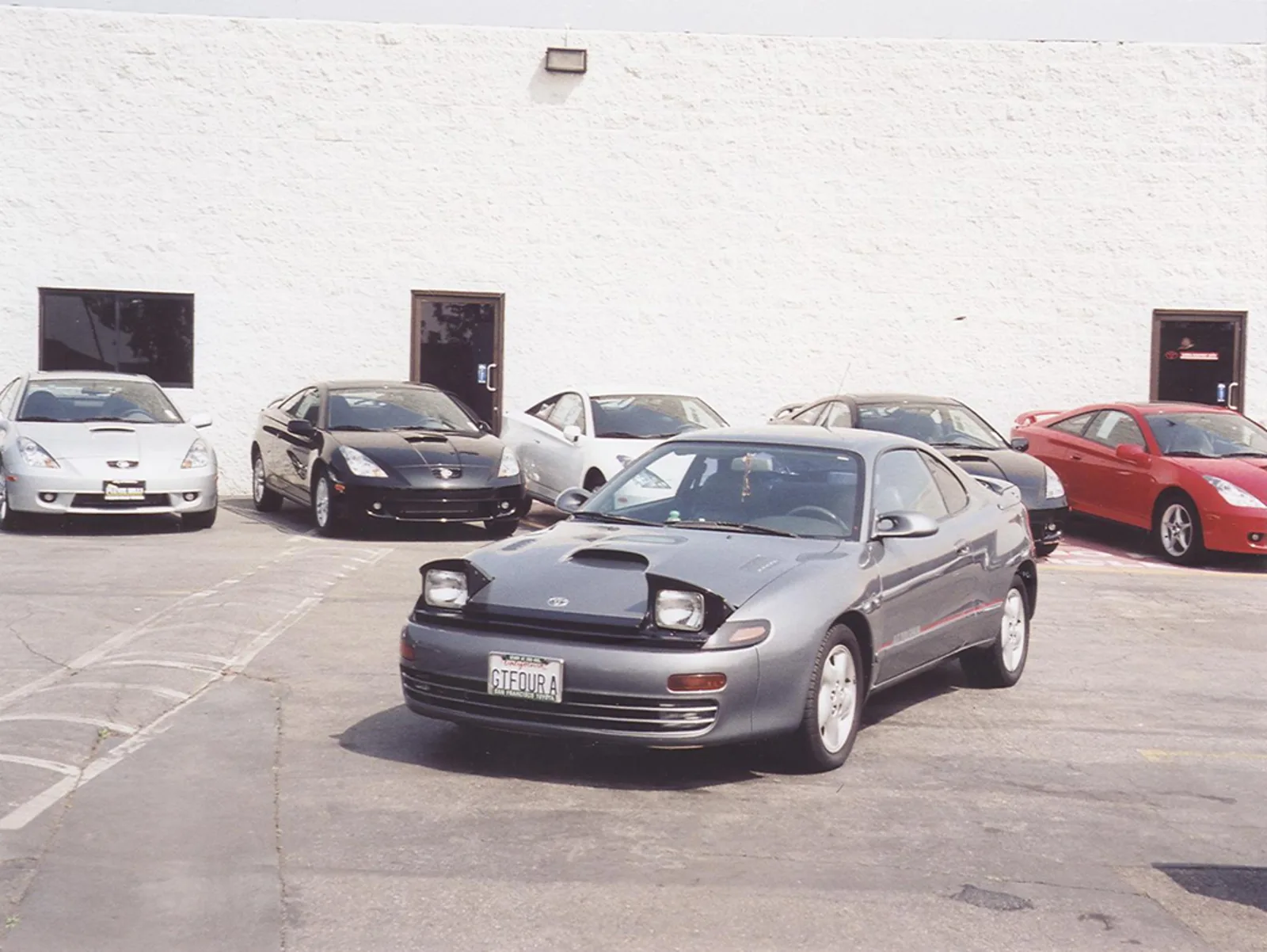
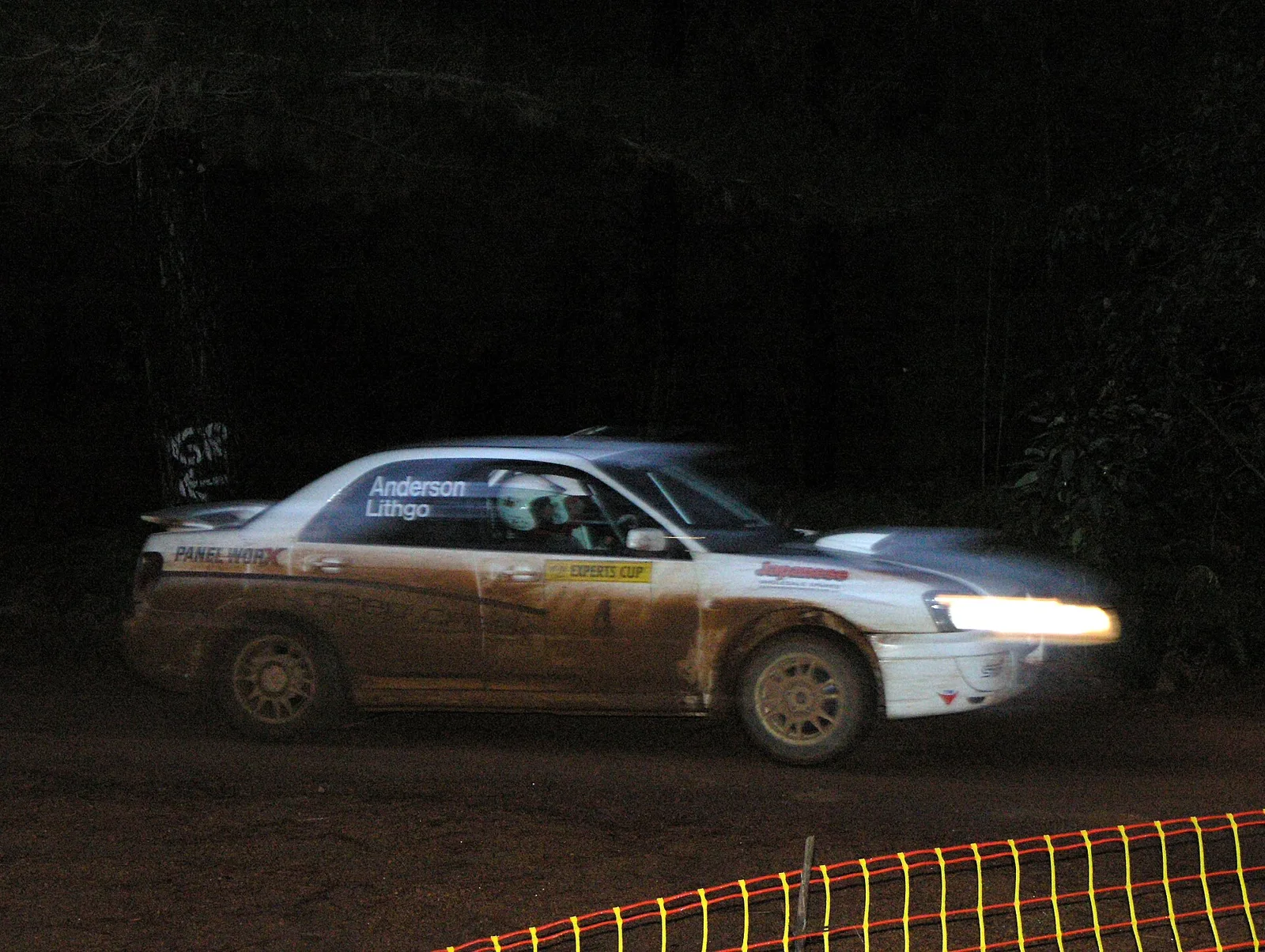
Recent success has gone to two-litre turbo cars with four-wheel drive: the Mitsubishi Lancer Evolution, the Subaru Impreza WRX STI and ARC-spec Toyota Corollas that run Celica GT-Four engines and four-wheel-drive systems. Factory-entered drivers tend to take the outright placings, among them Neal Bates, Ross Dunkerton, George Fury, Greg Carr and Colin Bond.
Not every winner has fitted the mould. In 2006 Michael Guest and Mark Stacey campaigned a rear-wheel-drive Ford Focus with a naturally aspirated 2.5L engine, then moved in 2007 to a Super 2000 Ford Fiesta. The privateer fields run similar machinery, and other makes have found success too: the Mitsubishi Mirage and Galant VR-4, the Subaru Legacy, the Datsun 1600 and 240Z, the Nissan Stanza and the Suzuki Swift GTi.
The roll of top drivers also includes Geoff Portman, Scott Pedder, Simon Evans, the late Possum Bourne and Ed Ordynski, while privateers Nathan Quinn and Steve Glenney have been among the recent frontrunners. Molly Taylor won a heat in 2015, the first woman to do so in the championship.
The co-driver's seat has had its own turns. In 1978, Dawson-Damer co-drove for Colin Bond and, on one occasion, for Dave Morrow, and the extra points he scored there carried him past Fred Gocentas, who sat with Greg Carr, in the co-drivers' standings. In 1986 Kate Officer co-drove for David Officer, and in 2017 Bill Hayes partnered Taylor while David Calder and Ben Searcy sat with Quinn.
Where can a newcomer start rallying?
The classes are built so a competitor can start at the level that suits the budget. Australia's F16 category, for 1600cc two-wheel-drive small cars, is the budget-level entry point, the Aussie Cup covers large cars over 2500cc, and a Privateers Cup rewards crews without manufacturer support.
At the top end, the leading Australian drivers compete in Group N (Production), which is made up of cars with direct links to their road-going counterparts. Manufacturers without Group N cars can build comparable machinery under both Group N (P) and FIA Super 2000 regulations. Class awards by engine capacity and specification give crews a second prize to chase, and the winner of F16 is recorded as Australian champion in the small car category.
Canada offers its own on-ramps in the Novice Cup and the Ladies Cup described above, both open to drivers who might never challenge for the outright title.
What happened to the South African National Rally Championship?
The South African National Rally Championship has run every year since 1960. Sarel van der Merwe won it eleven times in the 1970s and 1980s, and Serge Damseaux took ten titles between 1989 and 2004. Toyota and Volkswagen cars have won the champion car title in most years since 1998.
Since 2017 privateers have kept the sport alive as sponsorship declined and manufacturers stayed away during a worldwide economic slowdown. The NRC 1 class replaced the 1600 R2 homologated cars as the championship's official class.
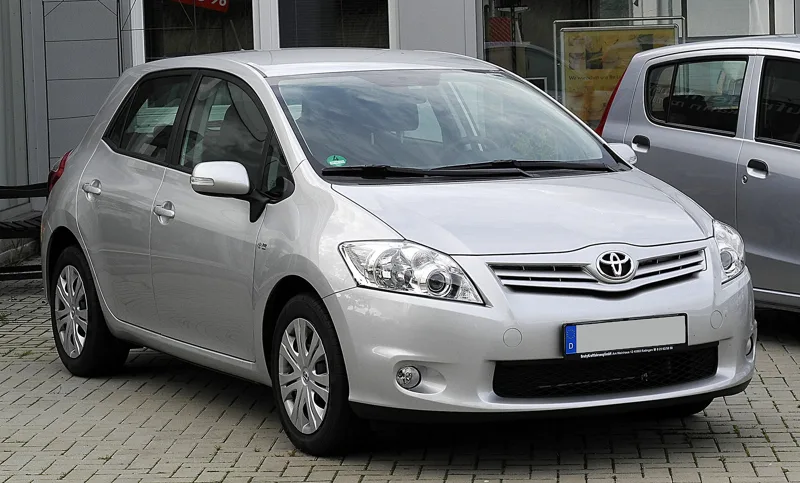
The winning machinery has varied widely. An Audi Quattro Coupe won overall for Aldo Riva and Enrico Rivida in 1993. A Daewoo Cielo took the overall win in both 1996 and 1997, with Franz Boshoff alongside Sarel van der Merwe the first year and Robbie Head the second. By 2017 the overall winners included Lee Rose and Elvene Coetzee in a Classic Class Ford Escort, Johnny Gemmell and Carl Peskin in a Classic Class Porsche 911, and Theuns Joubert and Etienne Lourens in an S2000 Toyota Auris.
How did South African rallying cope in 2020?
The COVID-19 pandemic and disaster management legislation limited the 2020 national championship to three events. Each of the two days of an event counted as an individual round, and the championship adapted that format after it proved very effective. Competitors who do not complete the first day can now start again at a new event the next day.
What does the 2026 Canadian season look like?
The Canadian Rally Championship's 2026 season is a calendar of eight events across the country on gravel, snow and ice, and the Rally of the Tall Pines remains its premier event each November.