A 1958 California law, a hydraulic pump fitted in 1959 and a lake-bed racing scene: how lowrider culture, hot rodding and Kustom Kulture took shape.
A lowrider is a customised car lowered to cruise slowly and smoothly, rooted in Mexican-American Southern California of the 1940s and 1950s. A hot rod is rebuilt for speed. Kustom Kulture is the wider custom-car world of art, fashion and cars that grew out of hot rodding.
California law forbade lowering a car's body below the bottoms of its wheel rims, and a Rialto mechanic answered with a hydraulic pump and a switch. From 1958 until the state rescinded its rule in 2023, the California Vehicle Code made lowriding illegal. Lowriders began in Southern California, differ from hot rods in what they chase, and sit alongside hot rods in Kustom Kulture.
What is a lowrider?
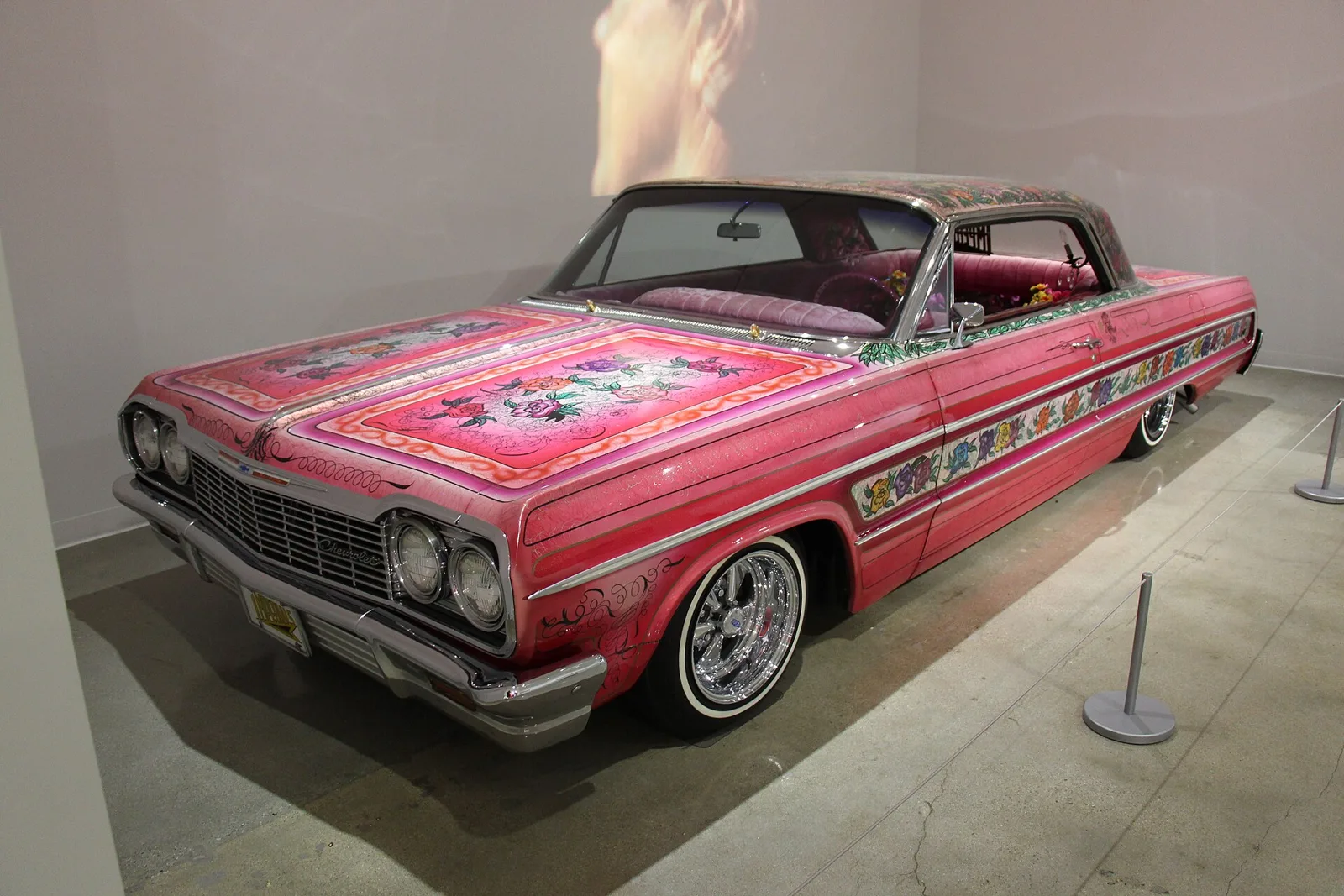
A lowrider is a customised car, sitting close to the ground, that appeared in the years after the Second World War, in the 1940s and 1950s. Its motto is low and slow: the goal is to cruise as slowly and smoothly as possible. The word also describes the driver and their car club, and in the culture itself a lowrider is regarded as transportation art.
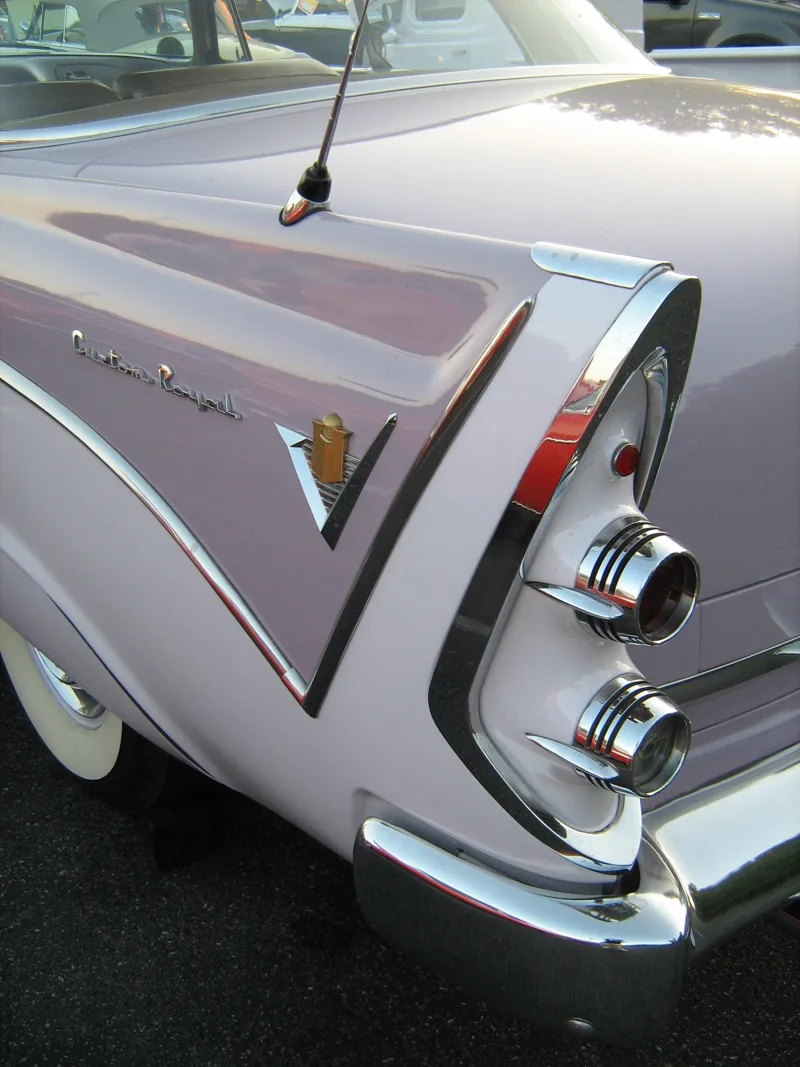
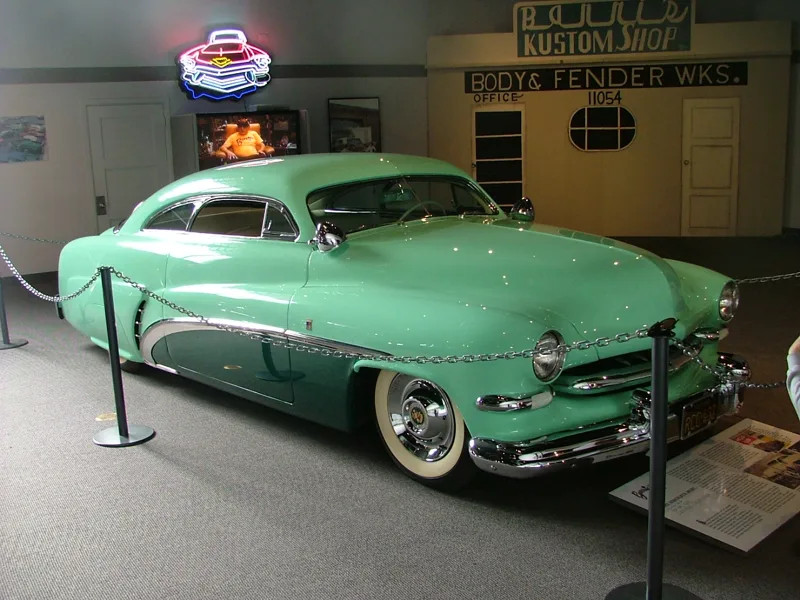
The look is easy to recognise. Lowriders are typically painted in intricate, colourful designs, run small wire-spoke wheels with whitewall tyres, and often carry hydraulics so that the suspension can be raised or lowered at the flick of a switch. Rims are generally smaller than those the car left the factory with. Early conversions used lowering blocks, cut-down spindles and shortened spring coils, and some builders made Z frames out of stock straight frames.
A lowrider wants to cruise as slowly and smoothly as possible; a hot rod wants to go faster.
Where did lowriding begin?
Most likely Southern California, in the middle to late 1940s, although the exact origin is debated and people also claim it for Tijuana, Texas or New Mexico. The scene grew in the prosperous 1950s among Mexican-American youth. Many accounts trace it to veterans who customised cars to run low and slow, in deliberate contrast to the hot rod built for speed.
Young Chicanos took to the form in particular, embracing the art of rolling bajito y suavecito, an attitude that ran straight against a mainstream obsessed with fast cars. In the 1970s, during the Chicano Movement, lowrider clubs began using their cars to raise money for their communities. Today the scene is generational, with children introduced to it by parents and grandparents, and participants see it as part of Latino history in the United States.
How are lowriders different from hot rods?
They want opposite things. A hot rod is a car, typically American, that has been rebuilt or modified with a bigger or more powerful engine to go faster. A lowrider is altered to sit low and travel slowly. Both are individually built and both grew from customising culture in Southern California, but they pursue different ideals.
| Feature | Lowrider | Hot rod |
|---|---|---|
| Goal | Low and slow: a smooth, slow cruise | Speed and acceleration |
| Started | Mid-to-late 1940s, Southern California | Late 1930s, Southern California dry lake beds |
| Typical base car | Standard production cars; the 1958 Chevrolet Impala X-frame | Old Fords: Model T, Model A, Model B |
| Key modifications | Lowered body, hydraulics, smaller wire-spoke wheels | Lighter body, bigger engine, flathead V8 swaps |
| Identity | Mexican-American and Chicano car clubs | Youth culture, street racing, greasers |
| Magazine | Low Rider, from 1977 | Hot Rod, from 1948 |
How did the law shape the lowrider?
Section 24008 of the California Vehicle Code took effect on 1 January 1958 and forbade cars modified so that the body sat lower than the bottoms of the wheel rims. A mechanic named Ron Aguirre found a way round it in 1959. Based in Rialto and tired of being ticketed, he fitted Pesco hydraulic pumps and valves, with help from his father, so the ride height could be changed at the flick of a switch, and he installed them on a General Motors X-frame chassis.
That chassis mattered. The Chevrolet Impala arrived in 1958 with an X-shaped frame that suited lowering and hydraulics perfectly. Chevrolet said it added torsional rigidity and let the passenger compartment sit lower. The drawback was that it protected the interior less well in a side impact than a conventional perimeter frame.
Lowriding boomed in the 1980s and 1990s, and many Californian cities responded with bans. San Jose (1986) and Sacramento (1988) repealed theirs in 2022, and that year the state Assembly unanimously passed a resolution urging other cities, including National City, which banned lowriding in 1992, to follow. In 2023 California rescinded its restrictions on body height and superseded local rules against cruising. National City repealed its cruising ban in April 2023. Campaigners argued that the practice was harmless and that bans reflected prejudice against Mexican-Americans.
How did lowriding spread from Los Angeles?
At first lowriders were seen mainly in Los Angeles, and the culture peaked in the 1970s on Whittier Boulevard, a wide commercial street through the city's barrio. During that decade it spread across the Central Valley and San Jose, aided by the funk song Low Rider by War and by clubs such as Carnales Unidos, formed in 1975. Low Rider magazine, launched by San Jose State students in 1977, reached monthly sales above 60,000 copies at its 1988 peak.
The song reached number 7 on the US Billboard Hot 100 in 1975. The 1979 film Boulevard Nights put lowriders on screen, though some people blamed it for tying them to street gangs. In the 1990s lowriders were strongly tied to West Coast hip hop and G-Funk, appearing in videos by artists from Ice Cube to Snoop Dogg.
New Mexico has its own tradition, particularly among the state's Hispanos. In Albuquerque, cruising on Central Avenue (US Route 66) is a Sunday custom, and the city has moved from opposing it to creating a Cruising Task Force. Espanola calls itself the lowrider capital of the world, and neighbouring Chimayo is another hotspot.
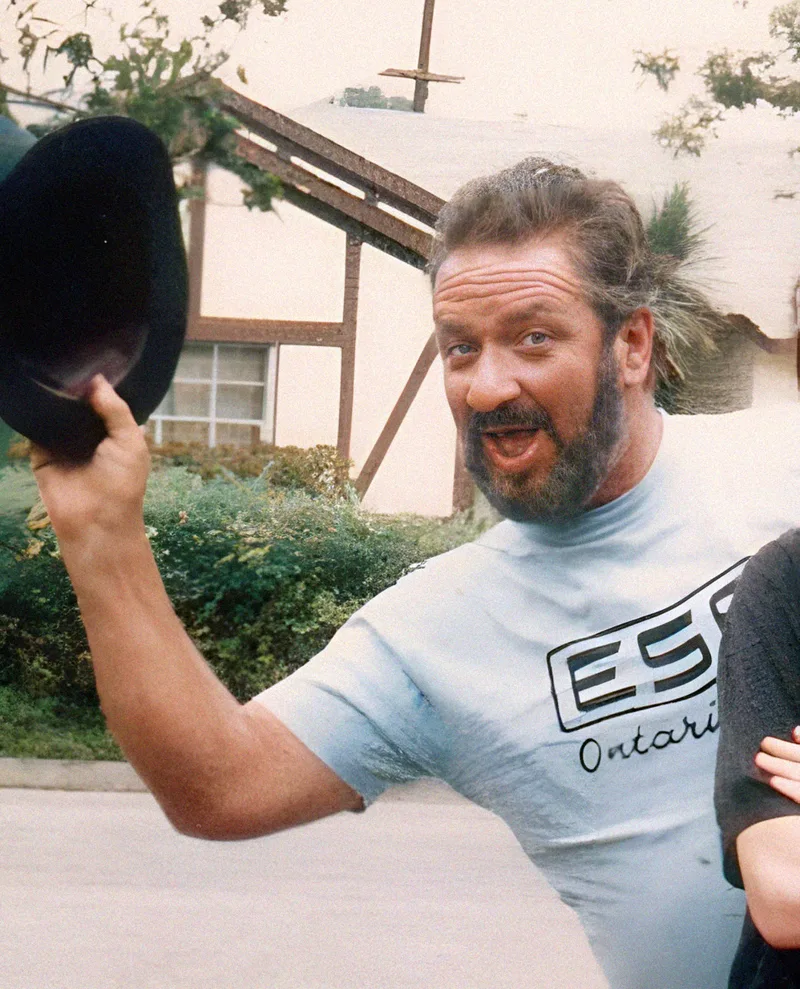
The scene has gone abroad too. In Japan, Junichi Shimodaira imports and sells lowriders through his business Paradise Road, which drew the attention of the custom-car legend Ed Roth. An estimated 200 lowrider clubs have been active there since the 2001 boom.
Where did hot rods come from?
Hot rods first showed up in southern California in the late 1930s, when drivers took modified cars to the dry lake beds north-east of Los Angeles and raced under the Southern California Timing Association and other bodies. Earlier ancestors included 1910s and 1920s speedsters based on the Ford Model T, and the cars Prohibition-era bootleggers modified to escape revenue agents. The scene boomed after the Second World War, particularly in California, since many returning soldiers had technical training.
The early cars were old Fords, usually Model Ts, Model As (built from 1928) or Model Bs (built from 1932), stripped of weight. A popular swap was the Ford flathead V8, known as the flatty. Typical changes were taking off tops, hoods, bumpers, windshields or fenders, channelling the body and tuning or replacing the engine. Hot rods built before 1945 commonly ran wire-spoke wheels from the '35 Ford, one overlap with the lowrider look.
Nobody agrees on the name. The hot part refers to hotting up a car for more performance. The rod may be short for roadster, the light two-door car often used as a base, or it may point to the camshaft, a part commonly upgraded for power. Early on, a modified car was called a gow job, a term that gave way to hot rod in the 1940s.
How did hot rodding change after 1945?
Drag racing moved onto abandoned military airfields, with tracks sometimes a mile (1.6 km) long and up to four lanes. Because some rodders also raced on public streets, the National Hot Rod Association appeared in 1951, with the aim of moving drag racing into controlled settings. The magazine Hot Rod had started in 1948. In the 1950s and 1960s the Chrysler FirePower engine, the early Hemi, replaced the Ford flathead.
The muscle car dented the appeal of the hot rod by letting buyers walk out of a showroom with high performance. Interest returned after the 1973 Oil Crisis pushed manufacturers towards efficiency, and modified cars that were no longer about racing came to be called street rods. The National Street Rod Association was formed. By the 1970s the 350 cubic inch (5.7 L) Chevrolet small-block was the usual choice, with the Ford Windsor close behind.
When makers shrank their engines in the 1980s, builders found ways to stretch smaller units. Rodders discovered that the 215 cubic inch (3.5 L) aluminium-block Buick or Oldsmobile V8 could be enlarged with wrecking yard parts, and Volkswagen fans stretched stock 1.6-litre (98 cu in) engines past 2 litres (120 cu in). In Sweden, a rule that required crash tests for custom-built cars between 1969 and 1982 pushed builders towards the Volvo Duett chassis, treated as a rebodied Duett.
What is Kustom Kulture?
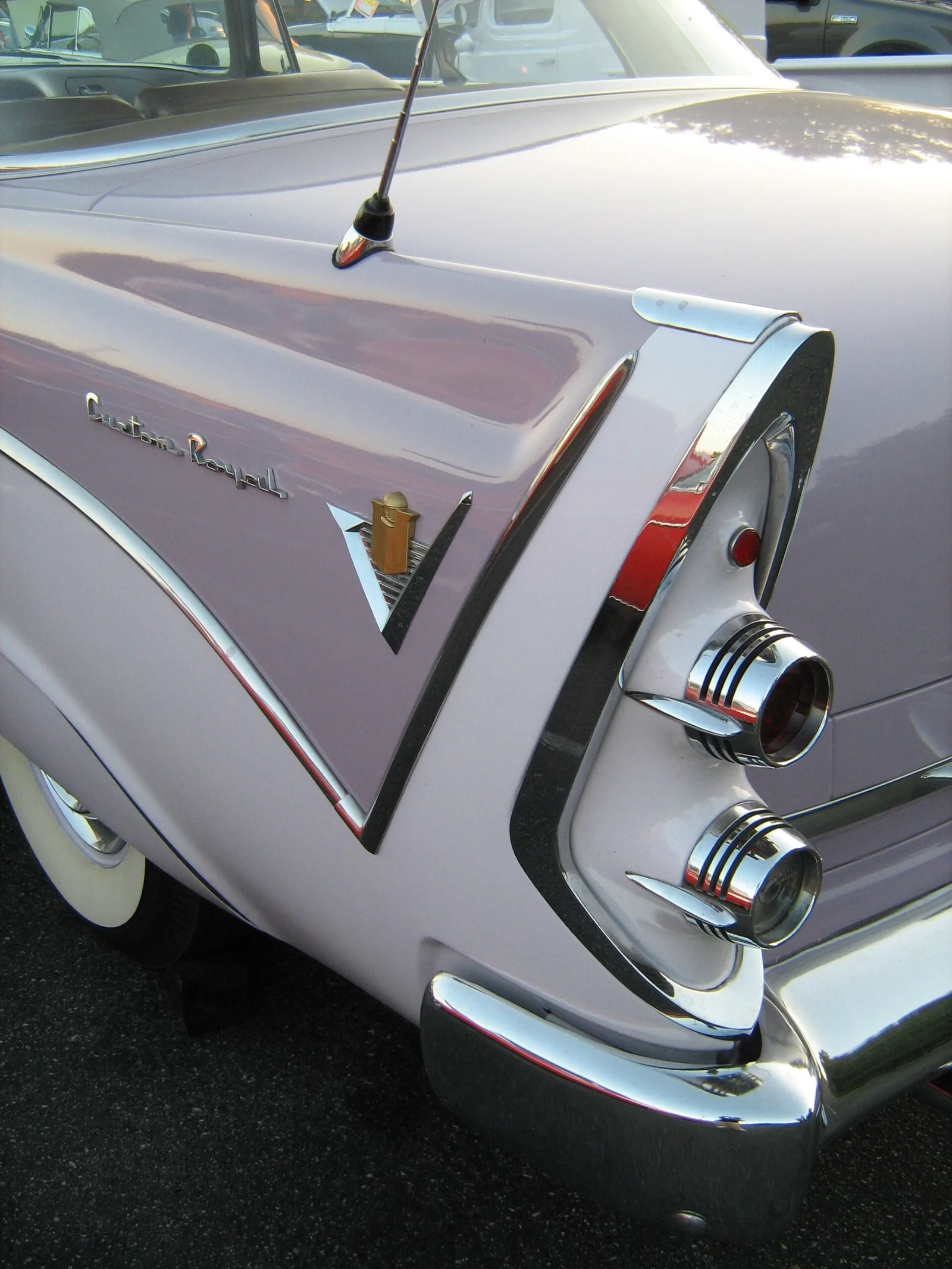
It covers the artwork, vehicles, hairstyles and fashions of Americans who have built and driven custom cars and motorcycles since the 1950s, and it grew out of Southern California hot rod culture. People link it with 1950s greasers, 1960s drag racers and 1970s lowriders.
Its figures include the pinstriping artist Von Dutch (Kenny Howard), the artist Robert Williams, the builder Ed Roth, Lyle Fisk, Dean Jeffries and the Barris brothers, Sam and George. Films and television such as American Graffiti and The Munsters, with its Munster Koach, also helped define it. Other subcultures added their own flavours: mods and rockers, punks, scooterboys, rockabilly and psychobilly fans, and the metal scene.
In the 1990s and 2000s the culture saw a rebirth built on do-it-yourself activity. Styles that would once have refused to mix now share big car shows, and the term Kustom Graphics covers the artwork on posters, flyers, T-shirts and logos.
What role have women played in lowriding?
For most of its history women were around the scene but seldom at its centre. Clubs were all-male, and the wives and girlfriends who organised events, wrote letters and raised money stayed in the background. Gloria Ruelas married into Duke's Car Club in 1974, the oldest club in Los Angeles still running without a break, and spent decades as its secretary and treasurer. Denise Sandoval, a professor at Cal State Northridge, says the culture's imagery used the female body as a decoration for the car, and Low Rider magazine began putting women in bikinis on its covers with the November 1979 issue.
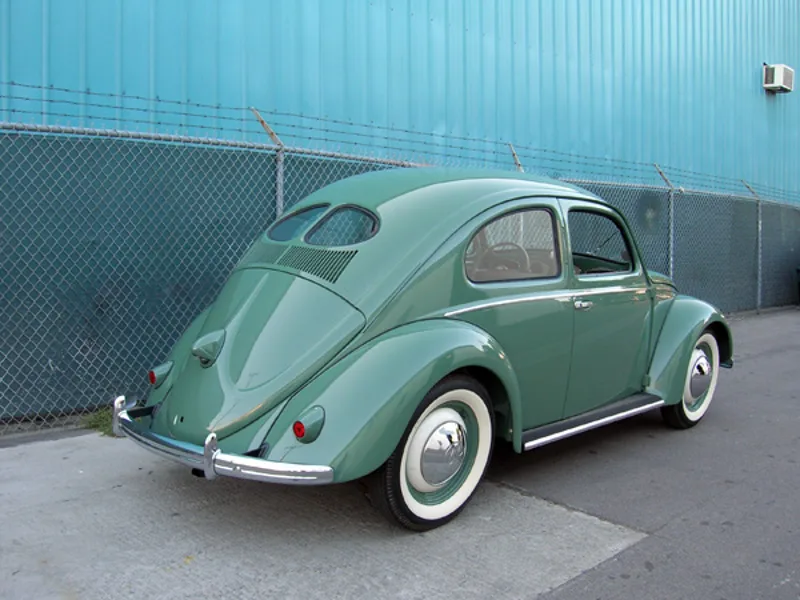
One of the earliest all-female clubs, the Lady Bugs, formed around Los Angeles in the early 1970s, and every member owned a Volkswagen Beetle. For about twenty years afterwards, women's clubs stayed rare. That began to change in 2000 with the Black Widows Car Club, and Las Chingonas, Varrio Vamps, Lady Lowriders and Latin Queens followed. Sandy Avila co-founded the six-member Lady Lowriders in 2021 after restoring a 1984 Oldsmobile Cutlass Supreme. Sandoval credits social media for letting women find one another.
Tina Blankenship-Early of South Los Angeles is the best-known name. She became the first woman member of the Super Natural Lowriders in 1998, and in 2012 the first woman inducted into the National Lowrider Hall of Fame. In 2023 she became the first woman named Woman of the Year by Lowrider Magazine. Her 1966 Chevrolet Caprice, Game Killa, was bought for $500 in 2005 and took three years to restore.
Where this goes next
Recognition is growing. The United States Postal Service announced lowrider-themed forever stamps in March 2026, and a bill authorising specialised licence plates that honour lowrider culture was signed into law in 2026, with proceeds meant to support lowrider arts and cultural preservation. Police departments in Albuquerque, Oceanside and San Jose have joined in with lowrider cars or parade plans of their own.