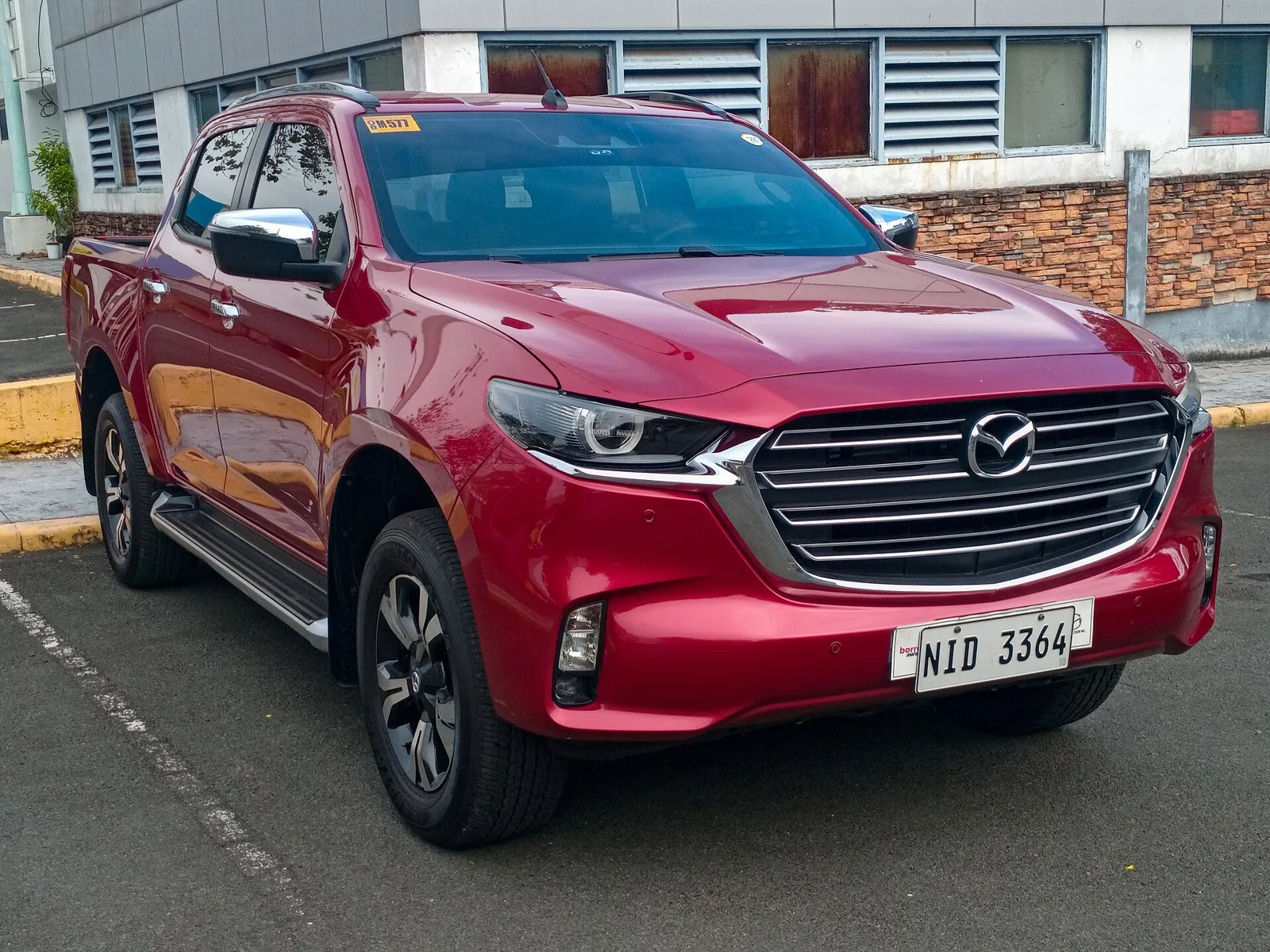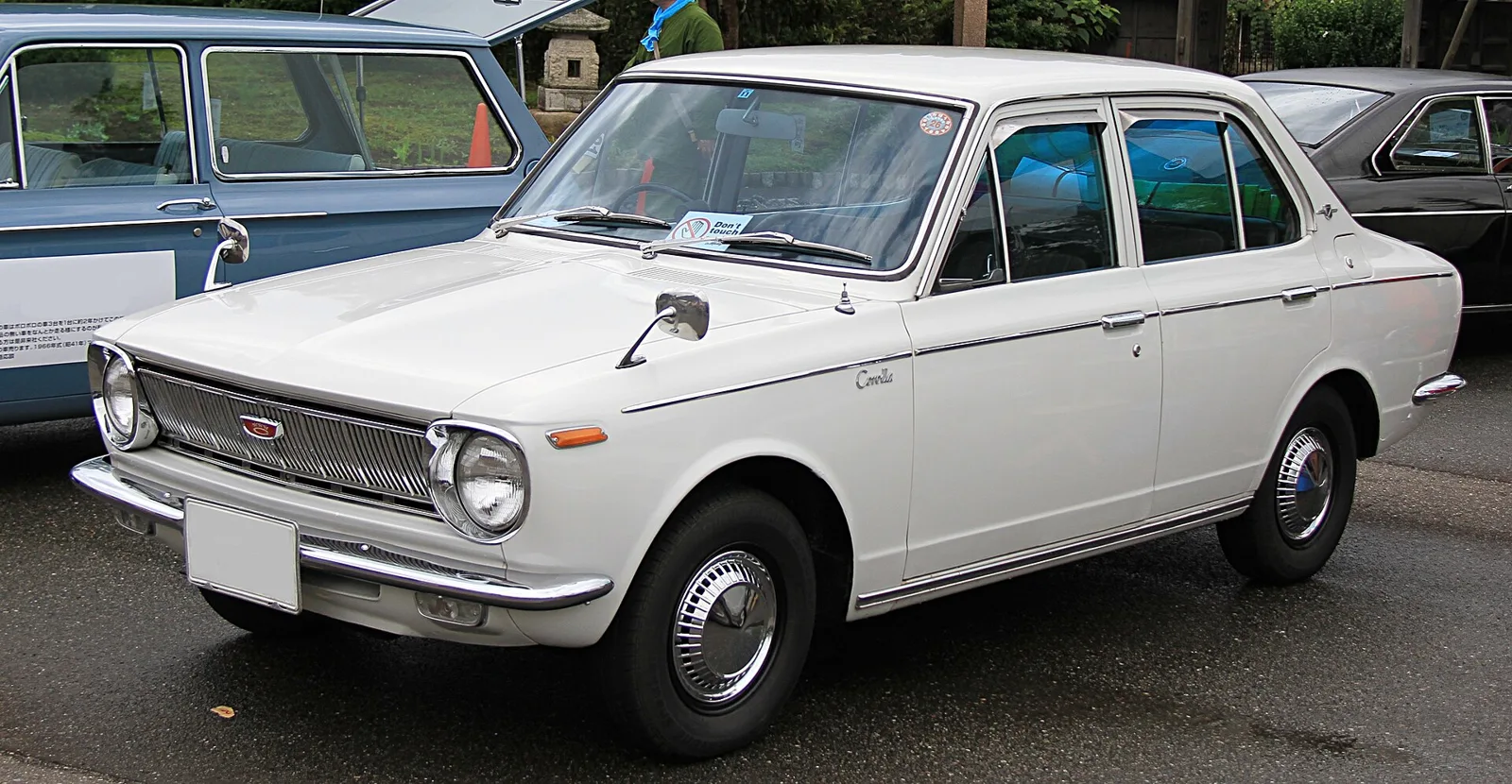
Japanese makers started with trucks, foreign licences and copied designs, then met export limits abroad and answered by building plants where they sold.
Japan's car industry began with trucks, European licences and copied designs, grew through kei cars and rapid exports from the 1960s, and became the world leader in 2000. A 1981 US export cap pressed carmakers to build plants abroad, and the 1985 Plaza Accord added currency pressure.
Between 1925 and 1936, the Japanese subsidiaries of the American Big Three built 208,967 vehicles. Japan's own manufacturers built 12,127. A little over six decades later Japan was the largest car-producing nation on earth, and its companies were assembling cars inside the United States.
The route from that lopsided start to the top of the table ran through licensed European designs, a law that threw foreign factories out, tiny tax-driven kei cars, a boom in exports and, in the 1980s, trade pressure that pushed makers to build cars where they sold them. A deal to weaken the dollar, signed in New York in 1985, sat in the middle of that last stretch.
Japanese car industry history: trucks, licences and copies
The first steps were small. Torao Yamaba produced the first domestically built bus in 1904, powered by steam. Komanosuke Uchiyama made the Takuri in 1907, the first entirely Japanese-made petrol car. Smaller names followed: the Kunisue in 1910, the Tokyo a year later, and in 1911 Kaishinsha Motorcar Works, which went on to make the DAT. William R. Gorham's company started producing the Gorham in 1920, followed by the Lila, and merged with Kaishinsha in 1926 to form DAT Automobile Manufacturing, the firm that later evolved into Nissan. Toyota, a textile manufacturer, began making cars in 1936.
Passenger cars were a minor market, so most early vehicles were trucks, often built with military subsidy. Isuzu, Yanmar and Daihatsu began by developing diesel engines. Business conglomerates that wanted to make cars in the mid to late 1910s either designed their own trucks or struck licensing deals with European brands. Isuzu partnered with Wolseley of Britain, Nissan with Austin, and the 1917 Mitsubishi Model A was based on a Fiat design. That Mitsubishi, with 22 units built, is considered the first mass-produced car in Japan.
Copying was the norm before the war. In the 1930s Nissan built cars based on the Austin 7 and on Graham-Paige designs, and the Toyota AA drew on the Chrysler Airflow. Ohta modelled cars on Fords, and Chiyoda and Sumida (Sumida being a forerunner of Isuzu) turned out cars that looked like General Motors products. The military build-up before World War II pushed many makers out of their shells and into designing vehicles of their own.
Between 1925 and 1936 the American Big Three built 208,967 vehicles in Japan; Japanese makers built 12,127.
Foreign factories and the 1936 law
The 1923 Great Kanto earthquake wrecked much of Japan's infrastructure, and truck and construction equipment makers benefited from the recovery work. Yanase, an importer of American cars, brought in GMC trucks and construction machinery, and by bringing American products into the country it gave Japanese manufacturers vehicles to examine and learn from. Private carmakers were also emerging to modernise transport, which the Ministry of Railways had largely monopolised in the early 1900s.
From 1925 until the start of World War II, the foreign firms dominated the market. Ford set up the Ford Motor Company of Japan in 1925 with a plant in Yokohama, General Motors opened in Osaka in 1927, and Chrysler arrived through Kyoritsu Motors.
The government answered in 1936 with the Automobile Manufacturing Industry Law, designed to boost the domestic industry and reduce foreign competition. It had an ironic side effect. Among its first casualties was a planned Ford works at Yokohama, an integrated factory patterned on the one at Dagenham in England. It was meant to supply Asian markets and could have made Japan a big exporter, but ground was never broken. By 1939 the foreign makers had been forced out. The Second Sino-Japanese War then pulled production toward heavy trucks, and the Isuzu TX came from three Japanese companies combining to build a standardised, military-grade truck.
War, recovery and the weight of the tax code
In wartime Toyota, Nissan, Isuzu and Kurogane all supplied the Imperial Japanese Army with trucks and motorcycles. Kurogane's Type 95 of 1936 is credited as the first four-wheel-drive car built in numbers. For roughly a decade after the war output stayed limited, and until 1966 most production was trucks, including three-wheelers. Passenger cars took over after that, though designs still copied or derived from European and American ones. In the 1950s, exports made up only 3.1% of passenger car production.
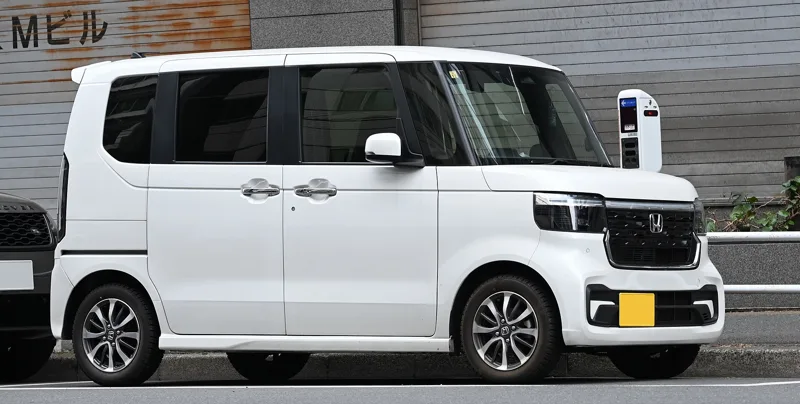
Taxes shaped what came next. Legislation passed in 1950 set up yearly tax brackets based on exterior dimensions and engine displacement, and those taxes became the main consideration for buyers and a guide for makers. In 1960 Japanese buyers still bought 1.47 million scooters and motorcycles but only 36,000 kei cars. Kei cars had tiny engines, under 360 cc, though some export versions were fitted with larger ones, and the low tax let the average person afford a car. The first of the new wave was the 1958 Subaru 360, nicknamed the Lady Beetle in a comparison to the Volkswagen Beetle. Rivals followed from Honda (N360), Mazda (Carol), Mitsubishi (Minica), Daihatsu (Fellow Max) and Suzuki (Fronte).
Keis were far too small for most families. The 700-800 cc class was where the 1960s economy market lived, represented by the original Mazda Familia, the Toyota Publica and the Mitsubishi Colt 800. Toward the close of the decade, cars of that size, often two-strokes, were giving way to full one-litre four-strokes, a move led by Nissan's 1966 Sunny. Everyone followed except Toyota, which gave the Corolla a 1.1-litre engine and advertised the extra 100 cc heavily.
Makers also began fighting model for model. The best-known clash was the CB-war between the Toyota Corona and Nissan Bluebird, the most popular compact saloons. Buyers benefited at first, but research and development costs swelled as Mazda, Subaru, Isuzu, Daihatsu and Mitsubishi entered the same segment. By the late 1980s and early 1990s makers were locked in an arms race of hyper-design and hyper-equipment, which yielded cars that were efficiently built but less competitive. Density and slow traffic made automatic gearboxes the norm: 69.1% of new passenger cars sold in 1989 had one (keis and imports not counted), rising to 87.7% by 1998.
Japanese car companies go to the world
Exports of passenger cars rose almost two-hundred-fold in the 1960s compared with the previous decade, reaching 17.0% of production. Japanese makers aimed first at Southeast Asia after 1955, then Australia in 1960 and South Africa. In Europe they chose countries with no car industry of their own and roads like Japan's, entering Finland and Greece in 1962 and the Netherlands and Denmark in 1963. Early efforts in the United States stalled. Then Toyota and Nissan built models aimed squarely at American buyers in the middle of the 1960s, and sales finally took off, with 1965 a breakthrough year for both.
The 1973 Arab Oil Embargo, together with movements in the yen against the dollar, pound and Deutsche Mark, speeded things up further. Annual passenger car exports climbed from 100,000 in 1965 to 1,827,000 a decade later. Mitsubishi began selling in America as Dodge, Honda started US sales, and more brands followed through the 1970s. By the 1980s Japanese makers had a major foothold in the US and in world markets.
Britain offers an example. Datsun-badged Nissans were especially popular in the early 1970s, with a name for dependability and cheap running, though corrosion proved a serious weakness. The Nissan name itself was not used on British-registered cars until 1983. Success on that scale made Japanese cars look like a severe threat to national car industries in Italy, France, the United Kingdom and the United States.
What is a voluntary export restraint?
A voluntary export restraint, or VER, is a limit that an exporting country places on its own shipments to another country. Governments can negotiate it, or industries can. Despite the name, the pressure usually comes from the importing side. An exporter that agrees to a VER may be hoping to head off tariffs or import quotas, which are less flexible, and it can gain too: scarcer goods can carry higher prices, and the arrangement ends the uncertainty of a countervailing duty investigation.
For the importing government a VER was politically cheaper than a tariff, because the action was taken by a foreign entity and the administrative cost passed to the exporter. It also targeted the one or few low-cost suppliers causing the trouble, rather than harming third countries. VERs have been used since at least the 1930s and became a popular form of protection in the 1980s without breaching the General Agreement on Tariffs and Trade. Japanese cotton goods had already faced one: a 1957 agreement set a ceiling of 235 million square yards on textile imports from Japan, roughly 1.5% of American textile output at the time.
The difference from an import quota is where it bites. Quotas and tariffs restrict demand, and they apply to imports from every country. A VER restricts supply and can be negotiated to leave certain suppliers out.
Limits on Japanese cars
| Market | Form of limit | Level |
|---|---|---|
| France | Import quota | 3% of the market |
| Italy | Import quota | 1.5% of the market |
| United Kingdom | Gentlemen's agreements by Japanese importers | Informal limits to forestall official quotas |
| United States | Annual export quotas from 1981 | 1.68 million cars, then 1.85 million, then 2.3 million for 1985 |
The 1981 limit and the rise of Japanese automakers in America
The US limit followed the 1979 oil crisis. American producers suffered record losses as customers moved from the gas-guzzlers they typically built to more fuel-efficient cars, mostly imported from Japan. A 1981 voluntary restraint agreement, stipulated by the US Government, capped Japanese exports to the United States at 1.68 million cars a year.
The agreement covered every Japanese-manufactured vehicle exported to the United States. It did not cover Japanese brands made there, such as Honda cars produced in Ohio. Vehicles that Mitsubishi or Suzuki built for American brands like Chrysler and General Motors did count. The quota was meant to expire after three years, in April 1984, but a growing trade deficit with Japan and pressure from domestic manufacturers led Washington to extend it for one more year, with the cap raised to 1.85 million cars. It rose again to 2.3 million for 1985, and the restraint was removed in 1994.
The weakness of any VER is that a company can step round it by building a factory in the market it wants to sell into. That is what Japanese carmakers did. They set up assembly plants in the United States, mostly in the southern states, and called them transplants. Local production also expanded across North America and Europe. Some workarounds were ingenious: plants in third countries that the quotas did not reach meant Daihatsu Charades built in South Africa were sold in Italy, and Mitsubishis made in Australia reached North America and Europe. The option to build abroad is a big reason VERs have so often failed to shield domestic producers.
What the Plaza Accord did
The other pressure came from currencies. On 22 September 1985 finance ministers and central bank governors from the United States, France, West Germany, Japan and Britain gathered in New York, at the Plaza Hotel, and agreed to weaken the US dollar against the franc, the Deutsche Mark, the yen and the pound by intervening in currency markets. They announced that some further orderly appreciation of non-dollar currencies was desirable.
The background was a dollar that had risen about 50% against the yen, Deutsche Mark, franc and pound between 1980 and 1985. In March 1985 it hit its highest value ever against the pound, a level that stood for over 30 years. American industry, including the automotive sector, ran a high-profile campaign for protection, and by 1985 Congress was weighing protectionist laws. The prospect of trade restrictions is what pushed the White House to begin the talks. The US current account deficit had reached 3.5% of GDP. On the Monday after the meeting went public, the dollar fell 4% against the other currencies.
The results were mixed. The US trade deficit got worse for two years and then began to fall. The Accord succeeded in narrowing the American deficit with Western Europe but largely failed to ease the deficit with Japan, which reflected structural conditions that did not respond to monetary policy: American goods became more competitive but were still held back by Japan's import restrictions. Congress did hold back from the protectionist barriers it had been considering. The Louvre Accord of 1987 then halted the dollar's slide.
For Japan, the signing showed a rising role in managing the international monetary system. The stronger yen may also have added recessionary pressure on its economy, to which the government replied with expansionary monetary and fiscal policy. Some commentators blame the Accord for the asset price bubble of the late 1980s and the Lost Decade that followed. Jeffrey Frankel disagrees on the timing, noting that the bubble years of 1987 to 1989 came after the yen had stopped rising. Economist Richard Werner says outside pressures such as the Accord are not enough to explain the Bank of Japan's actions.
After the limits came off
The 1994 Uruguay Round changes to GATT prohibited VERs, and members agreed to phase out existing ones over four years. The US car restraint was removed that same year.
Meanwhile Japan kept climbing. Having sat in the top three car-producing countries since the 1960s, passing Germany, it overtook the United States as the production leader in the 1980s and 1990s, with output of up to 13 million cars a year. In 2000 it became the largest car-producing nation, and in the first quarter of 2008 Toyota passed General Motors as the world's largest car manufacturer. China's ramp-up in the 2000s and competition from South Korea and India trimmed Japan's share, although it has risen again, and in 2012 Japan stood third with 9.9 million automobiles. Its investments helped build car industries in many other countries.
What it means on the road
The reputation changed along the way. Japanese vehicles no longer carry the stigma they had when they first appeared on world markets in the 1950s and 1960s, thanks to a drive, led by Toyota, to keep improving both products and processes, along with the Five Whys technique and early adoption of Lean Six Sigma. Cars designed in Japan have collected the European, International and World Car of the Year titles many times. In the 1970s the country was also a pioneer in using robots to build vehicles, and its electronics firms were supplying integrated circuits for car functions from engine control to electronic locks years before American makers adopted them.
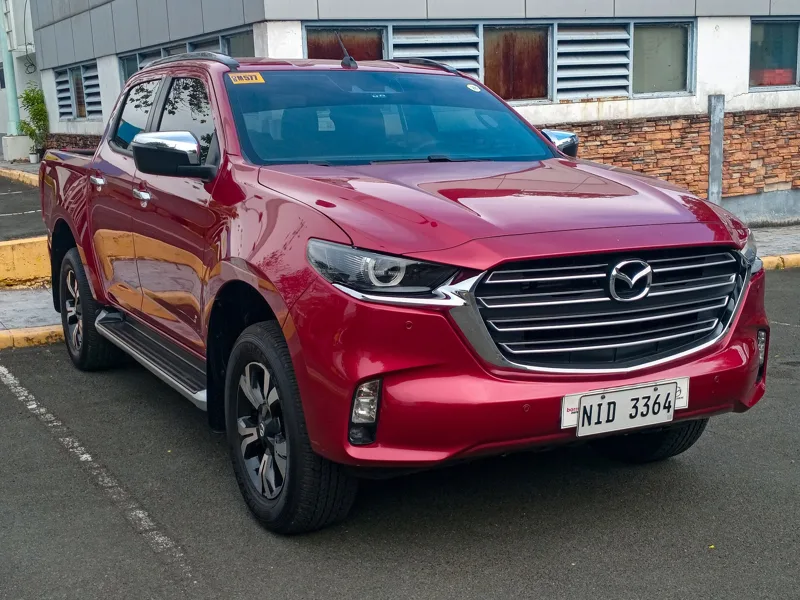
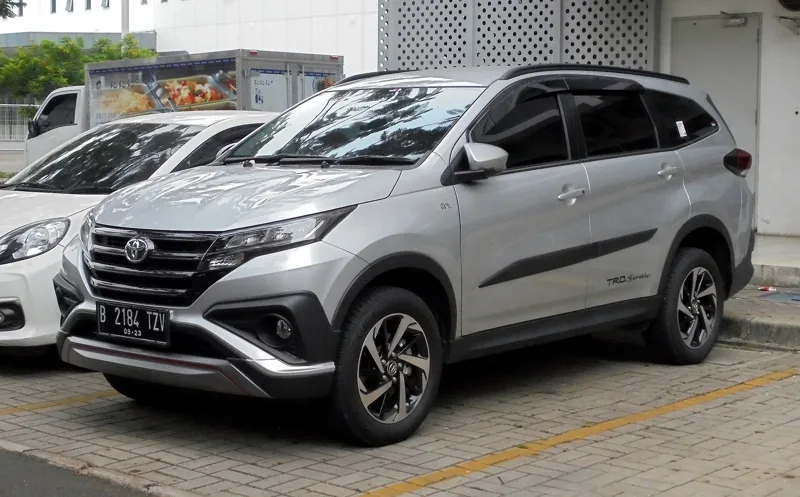
At home, size and engine capacity still follow the tax code. Cars sold in Japan are built to government dimension rules, and displacement is further shaped by road tax brackets, which also affects imported cars sold there. Japan's luxury brands, Infiniti, Acura and Lexus, belong to Nissan, Honda and Toyota respectively. Other makers include Daihatsu, Suzuki, Mazda, Subaru, Isuzu, Hino and Mitsuoka.
Where the story stands
Currency intervention among the G7 has been rare since the 1990s. The Bank of Japan stepped in for the last time in 2011, working with the United States and others, to dampen the yen's sharp rise after the Tohoku earthquake and tsunami. Two years later the G7 members agreed to refrain from intervening in currency markets.