Polyphony Digital's long-delayed 2010 sim, its physics and damage changes, the GT Academy and why its online life ended in 2014.
Gran Turismo 5 is a 2010 sim racing game from Polyphony Digital for the PlayStation 3. It arrived in late November 2010 after several delays, offered 1,089 cars and 81 track layouts, and was the first in the series to model both mechanical and external damage. It sold nearly 12 million copies.
Gran Turismo 5 is a sim racing game that Polyphony Digital developed and Sony Computer Entertainment published for the PlayStation 3. It was the fifth main game and the tenth title overall in the franchise, and it arrived after a development cycle that ran past five years. Its scale, from 1,089 cars to a new damage model, set it apart from everything that came before.
When was Gran Turismo 5 released?
Gran Turismo 5 went on sale on 24 November 2010 in Europe and North America, with 25 November for Japan and Australasia. The launch came after the game missed a March 2010 Japanese release date and then a planned November window. Sony later promised a launch before Christmas, and the game arrived in that period.
The first public glimpse arrived at the 2005 E3 show, pitched as Vision Gran Turismo. That footage was really Gran Turismo 4 with extra cars on track and PC-rendered visuals, so the genuinely new game took far longer to surface. A proper look only arrived after three years of waiting, when a trailer at E3 2009 showed Super GT, NASCAR and WRC content but gave no date.
A PlayStation 3 flagship with 1,089 cars, a real damage model and an online life that ended in 2014.
A long road to the shelf
Development ran for more than five years and carried an estimated cost of $60 million. Polyphony Digital released four other games during that stretch, so the studio was far from idle. The team also found the PlayStation 3's Cell processor hard to program for, and some observers have linked that difficulty to the repeated delays.
The final date slipped for production reasons. The release overran its production window by a margin of only three days, and Kazunori Yamauchi apologised on Twitter, asking fans to wait a little longer. A Blu-ray forum moderator later claimed the team had switched to the 3.50 SDK firmware instead of 3.41, a change said to deter piracy. Yamauchi confirmed to Jalopnik on November 2, 2010 that the game had reached final production.
What changed in the driving and damage?
The new physics model meant cars no longer turned in instantly, because the outside wheel had to load first. GT5 was also the first series entry with both mechanical and external damage, driven by a real-time deformation engine. Cars could overturn for the first time.
Cars were divided into premium and standard groups. Premium vehicles, roughly a quarter of the roster, carried fully detailed cockpits, high and low beam headlights and working wipers when the track was wet or snowy. Standard cars used simpler models and basic damage, and aftermarket wheels were later allowed on them with version 2.02.
Weather joined the mix as well. Rain and snow arrived with a dynamic time and weather system, a first for the series, and an optional stereoscopic 3D resolution and karting found their way in too. A course editor let players build new circuits from randomly generated track parts, choosing the number of corners, sectors and time of day.
Not every change was welcomed. Reviewers pointed to frame-rate drops and screen tearing whenever many cars, rain or smoke filled the screen. The AI was also criticised for braking unexpectedly and for failing to notice the player's car on track, a complaint that dogged earlier games in the series too.
How many cars and tracks did it have?
Gran Turismo 5 shipped with 1,089 cars and 81 track layouts spread across 31 locations. The previous main entry, Gran Turismo 4, had 51 tracks. Real circuits such as Nurburgring, Suzuka and Indianapolis sat alongside fictional tracks like Trial Mountain and Deep Forest Raceway.
| Feature | Detail |
|---|---|
| Developer | Polyphony Digital |
| Publisher | Sony Computer Entertainment |
| Platform | PlayStation 3 |
| Launch (Europe and North America) | 24 November 2010 |
| Cars | 1,089 |
| Track layouts | 81 across 31 locations |
| Online players per race | Up to 16 |
| Downloadable content removed from sale | 30 April 2014 |
| Damage model | Mechanical and external, with real-time deformation |
| Copies sold | Nearly 12 million |
The vehicle list leaned towards performance machines but also made room for hybrids. The Toyota Prius and Honda Insight sat alongside the Tesla Roadster (2008) and the Mitsubishi i-MiEV. Ferrari, Lamborghini and Bugatti made their first main-release appearances, and McLaren arrived as a native manufacturer with the F1 road car and the MP4-12C.
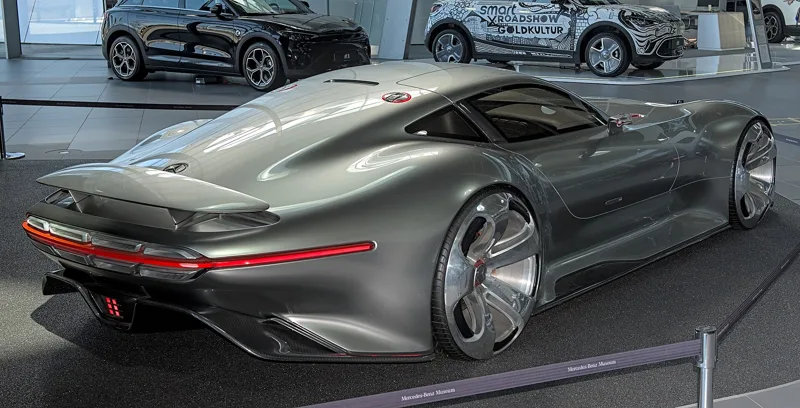
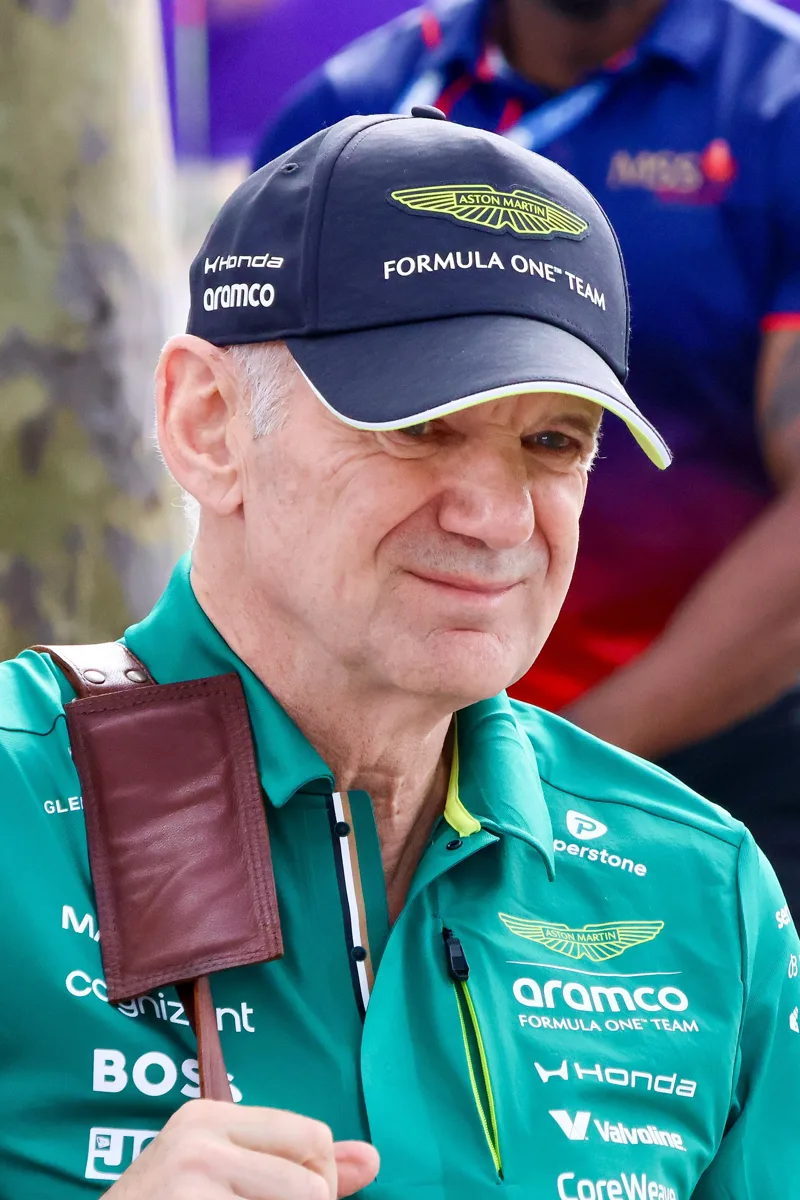
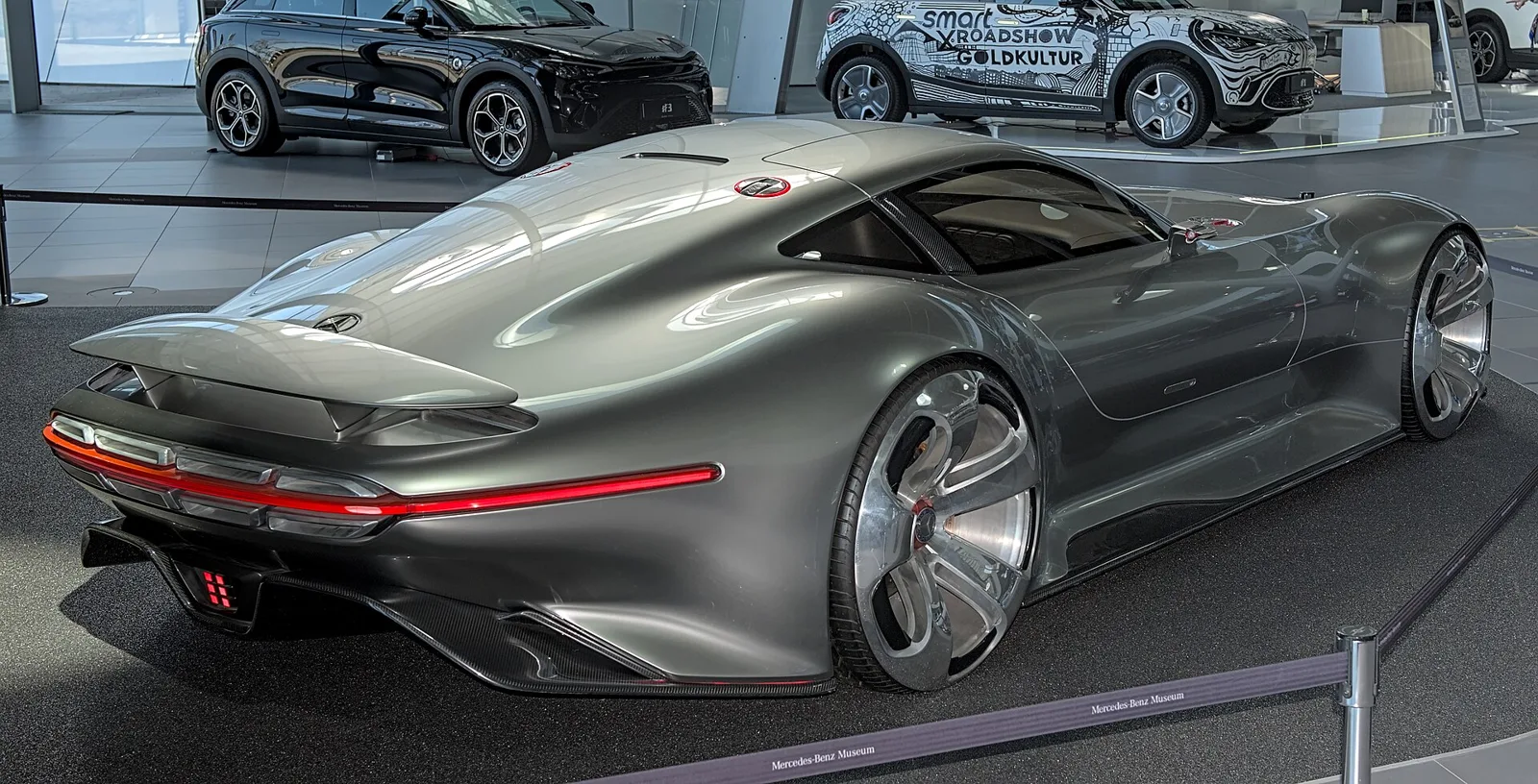
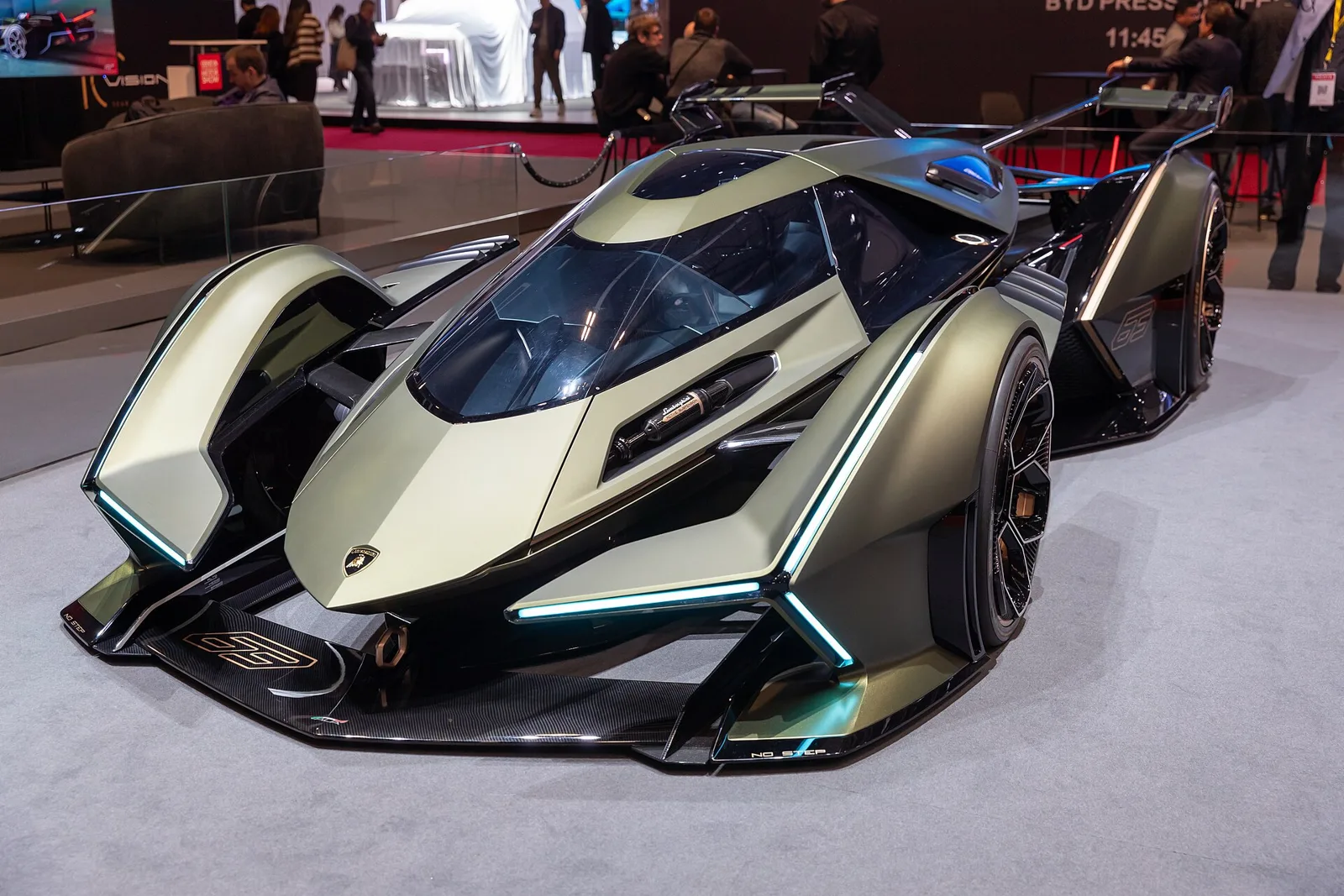
The Gamescom 2010 reveals also brought a Jaguar XJ13 prototype, a Ferrari 330 P4 and a Ford Mark IV, all historic racers that the game lets players drive. Red Bull and aerodynamics expert Adrian Newey helped build the X2010 Prototype, a car imagined as the fastest racer on land with no rules holding it back.
Did updates change the online game?
Yes. Patches brought weight and power restrictions, a car performance rating, ballast and engine handicaps, and mechanical damage in online play. The Spec 2.0 update on 11 October 2011 added 11 NASCAR vehicles and the ability to save during endurance races. Online services closed on 30 May 2014.
Downloadable content arrived in waves. The Racing Car Pack brought 14 touring cars based on road models such as the Honda CR-Z, and the Scion FR-S came free in June 2012. Free Corvette C7 prototypes followed in late 2012 and early 2013. All of the paid and free content was pulled from sale on 30 April 2014.
The final patch arrived on 31 May 2014 and turned off every online feature for good. Players were not left empty-handed, because the closing online event rewarded them with five cars for Gran Turismo 6.
GT Academy and the celebrity drivers
The 2010 GT Academy opened with a Time Trial Demo released on 17 December 2009. The fastest players in that demo were the first stage of a competition that could put them in a real racing car. The 2011 US edition used a reality television series on SPEED to document the search, with the top 32 drivers invited to a national final and the best 16 sent to a boot camp. A second round was dropped when cheating spread widely.
Real drivers appeared inside the game too. Jeff Gordon coached players on slipstreaming, while Sebastien Loeb and Sebastian Vettel offered advice during their own challenge sections. In September 2011 David Coulthard took on six leading players: he drove an SLS AMG on the Top Gear test track while they raced on consoles at Mercedes-Benz World, and his lap was later offered as a download. Johnny Herbert mentored 6 players on ITV4 in January 2013.
How well did it sell and how was it received?
Gran Turismo 5 earned generally favourable reviews on Metacritic and sold nearly 12 million copies overall. Reviewers praised the driving model and sound, while the standard car detail, frame-rate drops and an AI that braked oddly drew complaints. It won the Golden Joystick Awards 2011 prize for Best Racing Game.
Sales were strong from the first days. Around 100 stores opened at midnight in the UK, and EB Games and JB Hi-Fi did the same in Australia. Over 10 million units had sold by March 2013, averaging 423,000 copies a day across 13 days. The game was the best-selling PlayStation 3 title until Grand Theft Auto V took the top spot in 2013.
Critics also welcomed the sheer size of the car list. The track generator, the karts and the licensed World Rally Championship and NASCAR vehicles all drew praise, and the dynamic weather was singled out for its visual effects, with rain and snow streaking across the windscreen.
What is the legacy of Gran Turismo 5?
Gran Turismo 5 still ranks third in the series for lifetime sales, and the wider franchise had passed 65 million units by later reports. Its online features ended in 2014, weeks after its downloadable content left the store. The final online event, held from 30 April to 30 May 2014, was the last structured link players had.
Marketing and launch events
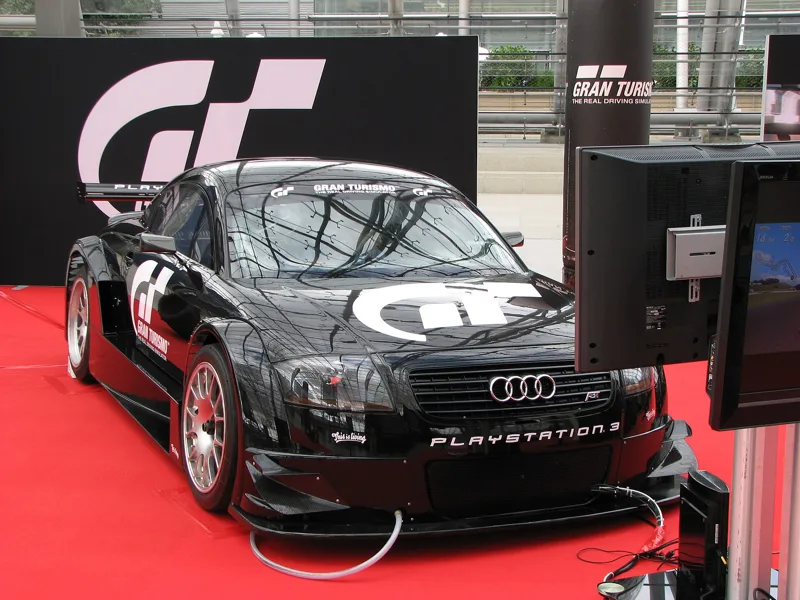
The launch campaign leaned on humour. A television commercial starring the fictional marketer Kevin Butler started on 18 November 2010 as part of Sony's 'It Only Does Everything' campaign for its video games in North America. Butler presented himself as the vice president of adding more awesome, explaining how the team had packed in features once thought impossible.
Partners were part of the push too. Swiss watchmaker Tissot provided the official countdown timer for the launch and gave away one customised Tissot PRS 516 each day up to release. In February 2011 a real Citroen GT, a car Polyphony Digital had designed for the game, was displayed by the Rialto Bridge in Venice.
Toyota staged a different kind of event in October 2010 at the Australian International Motor Show. Organisers divided 48 drivers across two teams, who spent a full day and night in virtual versions of a Toyota FT-86 G Sports concept car, in a version of the 24 Hours Nurburgring endurance race.
Retail editions and bundles
Several versions reached shops. The Collector's Edition was sold in North America, Europe and Asia, and the North American package added a custom keychain and a 1:43 scale Nissan GT-R model in special livery. The Signature Edition was limited to Europe, Australia and New Zealand, with a steel case and a competition entry for a real Mercedes-Benz SLS AMG.
Later releases repackaged the game. The XL Edition arrived on 17 January 2012 with Spec 2.0 already applied, and the Academy Edition followed on 26 September 2012 with the later content and a voucher for most of the downloadable packs. The Corvette prototypes and the Scion FR-S were left out of that voucher.