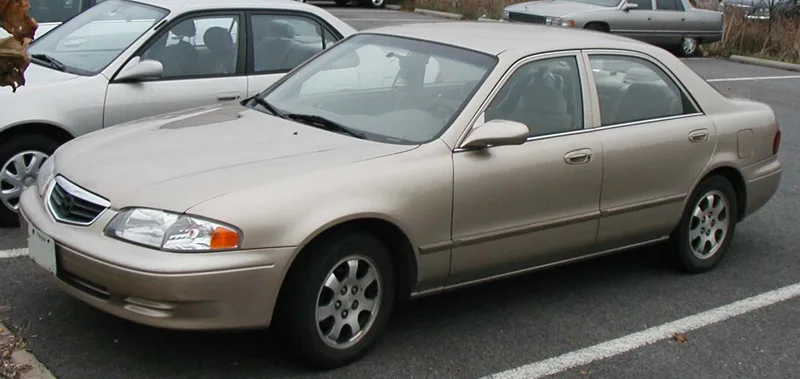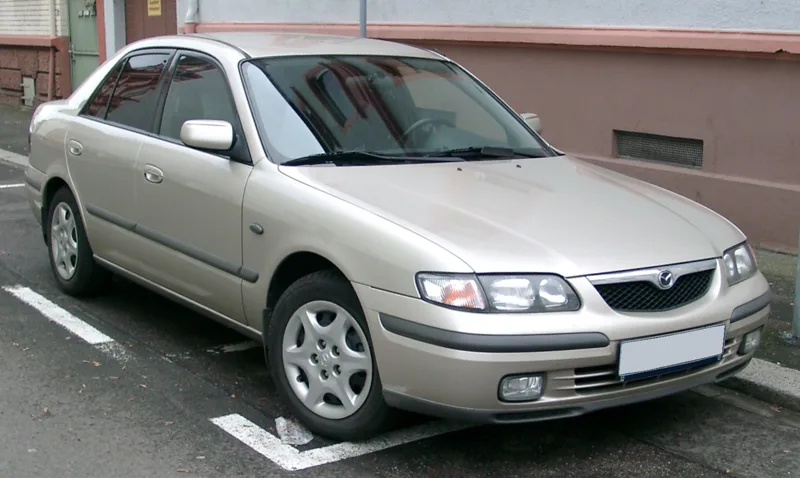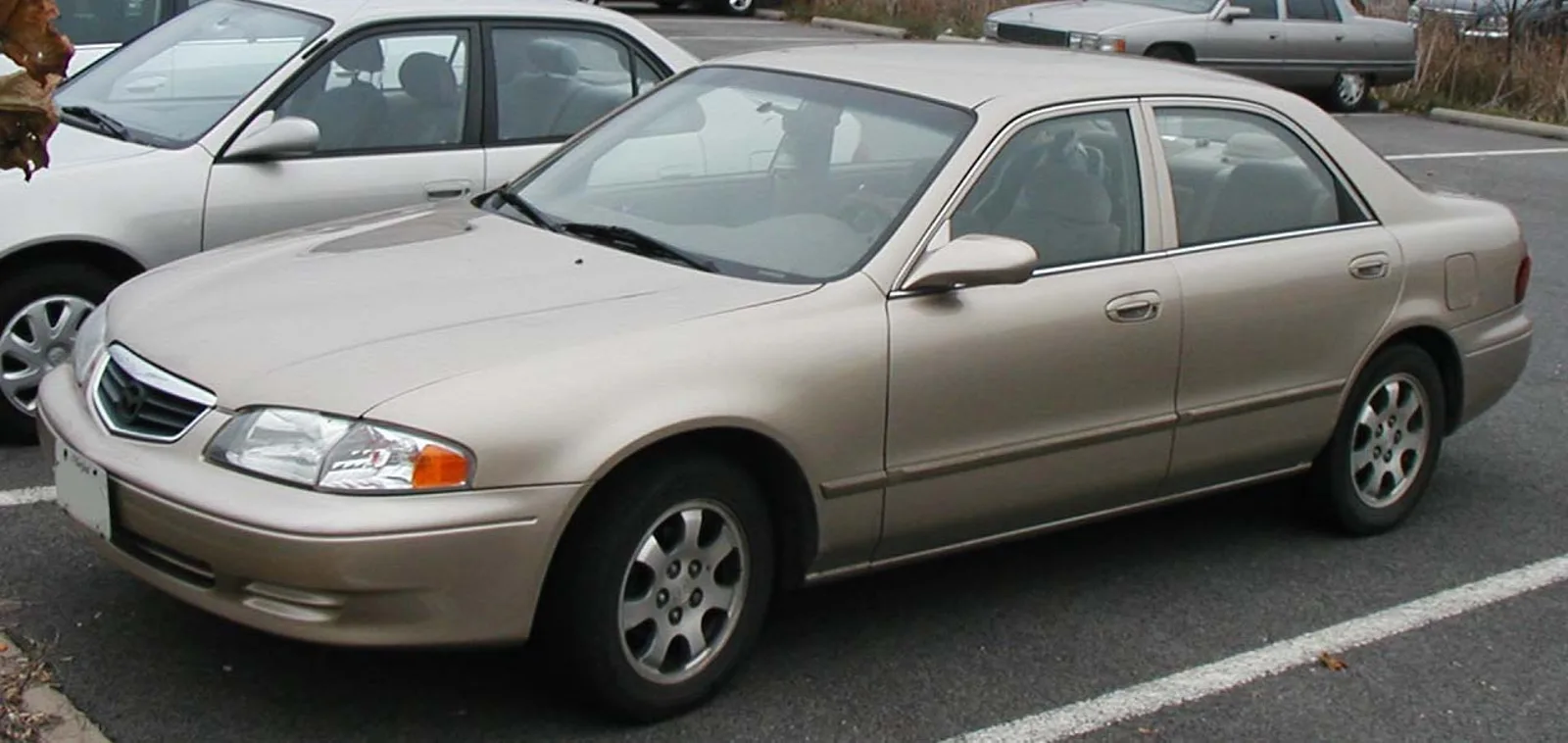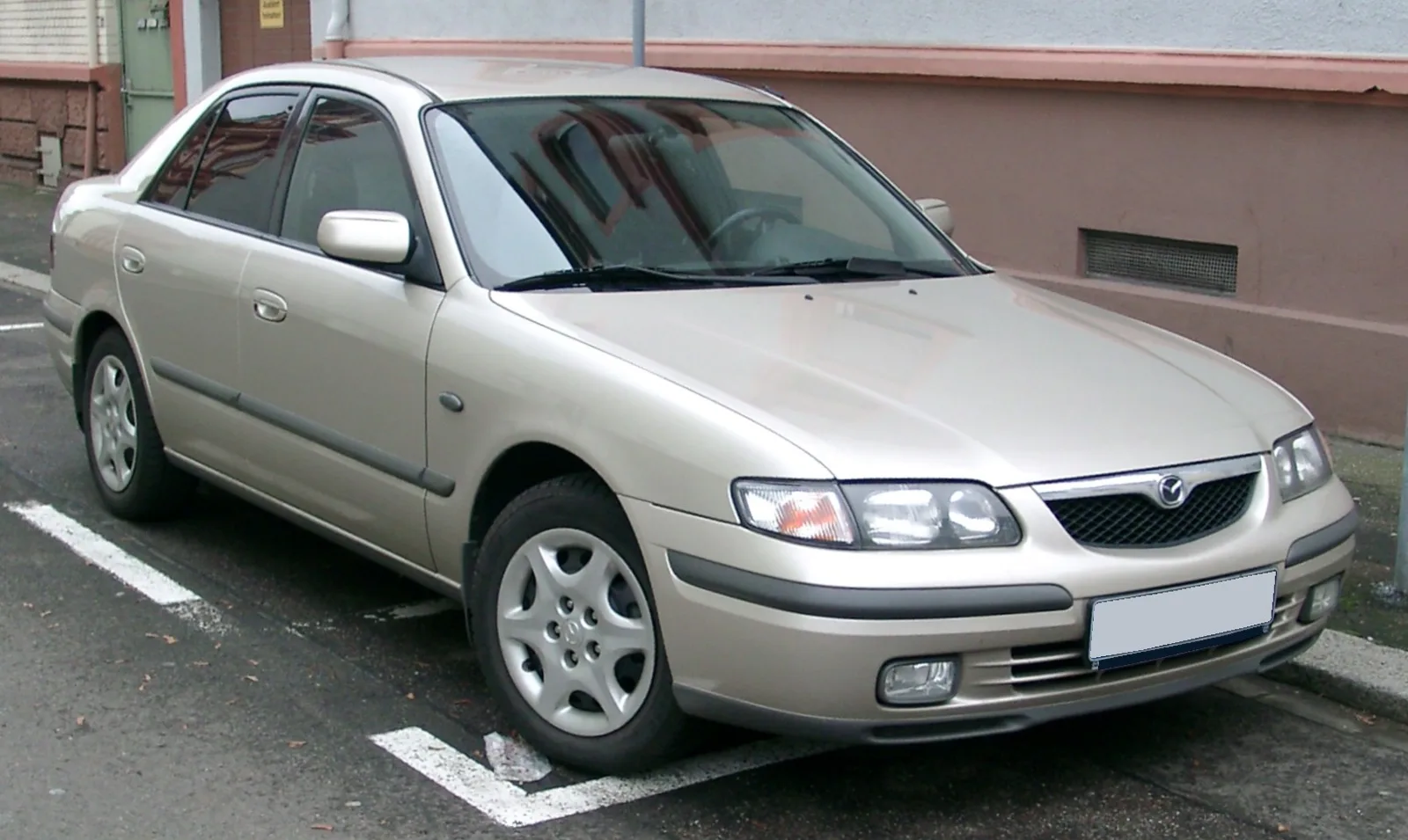
The Capella, sold as the 626 outside Japan, and the Mazda6 that replaced it in 2002, compared on engines, body styles, awards and the generations in between.
The Capella, sold as the 626 outside Japan, was a mid-size Mazda from 1970 to 2002. The Mazda6 that replaced it was built until 2024 and extended the company's design philosophy into turbo and all-wheel-drive versions.
The Mazda Capella, sold as the 626 in Europe, North America and Southeast Asia, was a mid-size car from 1970 to 2002. The Mazda6 that replaced it in 2002 was the company's next mid-size car, and the two are linked by a direct line of succession. The comparison covers the generations of the Capella, the first Mazda6 and the later versions of the car.
This comparison covers origins, engines, body styles, sales, awards and the generations in between. Where a figure exists for only one car, the gap is shown rather than estimated, and metric figures come first with imperial values in brackets.
Were the 626 and Mazda6 rivals?
They were not rivals in the material. The Mazda6 was the successor to the Capella, and the two overlapped only in 2002, when the 626 ended production and the Mazda6 went on sale. The Capella had been designed to compete with the Honda Accord, the Toyota Corona and the Nissan Bluebird.
The Capella's sales were large by any measure, with 4,345,279 of the 626 and Telstar models sold worldwide. The record describes the Mazda6 as the successor that followed it, and it does not say how the two compared in the market.
A mid-size car that sold millions as the 626, and the successor that carried the nameplate forward through a new design philosophy.
How did the Capella begin?
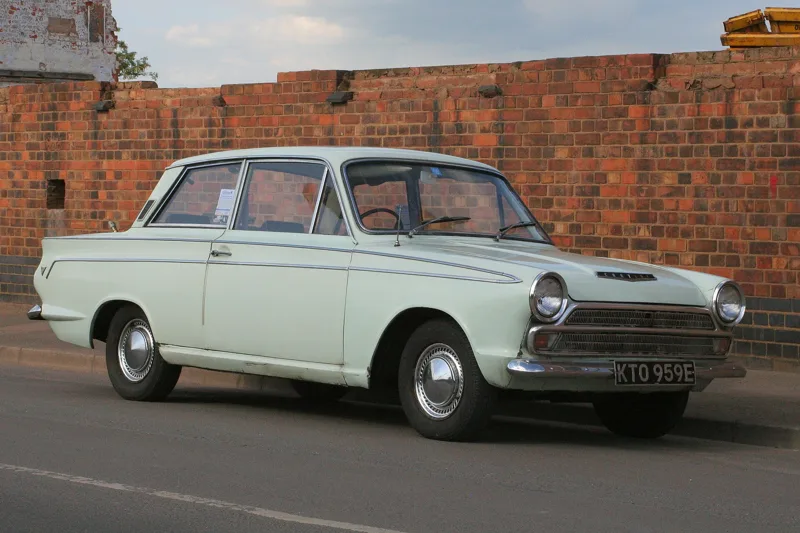
The first Capella was introduced in May 1970 as an intermediate alternative to the smaller Familia and the larger Luce. It was named after Capella, the brightest star in the constellation Auriga. It was powered by four-cylinder SOHC engines of 1.5 or 1.6 litres, producing 92 or 100 PS (68 or 74 kW).
The 1.6 gave 144 N m (106 lb ft) of torque. An optional Wankel engine was offered as the Capella Rotary in Japan and the RX-2 for export, and the rotary model became a separate story in Mazda's history.
The RX-2 was assembled under contract in New Zealand from 1972, and it was the first and only rotary-engined car ever assembled in the country.
How did the Capella change through the 1970s?
The Capella received a thorough facelift in February 1974, with a restyled front end lengthened by 110 mm and a redesigned dashboard. An optional 1.8-litre (1769 cc) engine arrived for some markets, and in Japan it carried the AP suffix for anti-pollution.
The second generation, the CB, ran from October 1977 to 1982 in sedan and coupe forms. It was sold as the 626 in export markets, except in the United Kingdom, where it was called the Mazda Montrose after a local dealership. Its aerodynamic Cx value was 0.38.
What engines did the Capella and Mazda6 use?
The first Capella used 1.5- or 1.6-litre engines making 92 or 100 PS (68 or 74 kW). In Japan, the CB generation was offered with 1.6-, 1.8- and 2.0-litre engines producing 90, 100 and 110 PS JIS (66, 74 or 81 kW), all with twin-barrel carburettors.
The Mazda6 used the MZR family, in configurations of 1.8, 2.0 and 2.3 litres, while a 3.0-litre Duratec 30 V6 was available in the US. The Mazdaspeed6 that followed used a turbocharged 2.3-litre MZR producing 272 PS (200 kW), with 280 lb ft (380 N m) of torque in all markets.
How did the third-generation 626 differ?
In September 1982 the third-generation Capella arrived on the new front-wheel-drive Mazda GC platform, with the international version again called the 626. It won Import Car of the Year from Motor Trend, the Car of the Year Japan award in 1982, and Car of the Year from Wheels for 1983.
The 626 finished fifth in the 1984 European Car of the Year contest, the highest finish for a Japanese car at that time. It sold very well across Europe, and a 2.0-litre diesel was added in September 1983 with 66 PS (49 kW).
Finland and other regions had a 101 PS (74 kW) 626 with a twin-barrel carburettor, while Switzerland received a 95 PS (70 kW) two-litre for emissions reasons.
What did the 626 offer in North America?
In North America the 2.0-litre FE engine produced up to 83 hp (62 kW), and the car received larger bumpers and sealed-beam headlamps under federal rules. A 626 GT, called the Turbo in Canada, arrived in 1986 with a 120 hp (89 kW) and 150 lb ft (203 N m) engine.
The Mazda 616 and 618 had earlier brought the Capella to the United States. The 616 was a major part of Mazda's US expansion in 1971, and the 1972 Mazda 618 used a 1.8-litre (1796 cc) engine that was not used elsewhere.
How did the Mazda6 arrive?
Japan saw the first-generation Mazda6 debut as the Atenza in May 2002, and it was the first car to carry the company's Stylish, Insightful and Spirited design philosophy. It was marketed in North America as the Sport Sedan, 5-Door and Sport Wagon, and in the United States as a 2003 model.
Production was split between the Hofu plant in Japan, from February 2002 to August 2007, and the AutoAlliance International plant at Flat Rock in Michigan. The first Mazda6 rolled off the Flat Rock line on 1 October 2002, a month after 626 production ended.
What did the Mazdaspeed6 add?
The 2006 Mazdaspeed6, known as Mazdaspeed Atenza in Japan, was a high-performance version of the first-generation Mazda6. It was first shown as a concept at the 2002 Paris Motor Show, and its mission statement was written with help from Peter Birtwhistle.
The turbocharged 2.3-litre engine produced 272 PS (200 kW) in its original form, and the European version was detuned to 260 PS (191 kW). The North American version was revised from 274 hp to 270 hp (201 kW) for 2007, and it used an all-wheel-drive system that could split torque between 100/0 and 50/50.
The Mazdaspeed6 was released to generally positive reviews, and it was noted for impressive power and handling. In North America it came in Sport and Grand Touring trims, with a 200 W Bose stereo in the Grand Touring.
How did the second-generation Mazda6 change?
The second-generation Mazda6 premiered at the 2007 Frankfurt Motor Show in September, on a modified version of the first-generation chassis, which Ford also used as its CD3 platform. The record notes praise for its electrically assisted steering, which provided more feedback to the driver.
The North American version was redesigned for the 2009 model year, dropping the wagon and hatchback, and it used a 2.5-litre four and a 3.7-litre V6. Motor Trend recorded 6.1 seconds to 60 mph for the V6, and the car was named 2010 Family Car of the Year by What Car? magazine.
The record notes that the car's acceleration, particularly in the V6 models, lagged behind rivals, even as its steering and suspension were praised.
How did the Mazda6 end?
In March 2011 around 50,000 Mazda6 vehicles from the 2009 and 2010 model years were recalled in the United States, after spiders were found nesting in the fuel line. The last Mazda6 built at Flat Rock was completed on 24 August 2012, ending production on American soil and the 20-year joint venture with Ford.
The third-generation Mazda6 sedan was unveiled in Moscow on 29 August 2012, and its station wagon followed at the Paris Motor Show. Production returned fully to Hofu, and the Mazda6 continued until 2024.
In China, over 680,000 Mazdas, including Mazda6 models made between 2008 and 2016, were recalled over faulty airbags, following an earlier recall of 280,000 Mazda6 models made between 2003 and 2008.
Side-by-side specifications
| Specification | Mazda 626 (Capella) | Mazda6 |
|---|---|---|
| Production | 1970 to 2002 | 2002 to 2024 |
| Export name | 626 in Europe, North America, Southeast Asia; Montrose in the UK | Atenza in Japan until 2019 |
| Body styles | Sedan and coupe; hatchback added in 1983 | Sedan, hatchback and wagon; US sedan only from 2009 |
| Early engines | 1.5 or 1.6 L four, 92 or 100 PS (68 or 74 kW) | 1.8, 2.0 and 2.3 L MZR fours; 3.0 L V6 in US |
| Top output | Capella 2.0 turbo 145 PS (107 kW) in the GC | Mazdaspeed6 272 PS (200 kW) |
| Torque | 1.6 L 144 N m (106 lb ft) | Mazdaspeed6 280 lb ft (380 N m) |
| Drive | Rear-wheel drive to 1982; front-wheel drive from GC | Front-wheel drive; all-wheel drive in some markets |
| Drag | CB Cx value 0.38 | Not given |
| Sales | 4,345,279 of the 626 and Telstar | Maliu in China over 770,000 by 2014 |
| Awards | Motor Trend Import Car of the Year 1983 model; Car of the Year Japan 1982 | Second in 2003 European Car of the Year; 2010 Family Car of the Year |
| 0-60 mph | Not given | 6.1 seconds for the 2009 V6 (Motor Trend) |
| Top speed | Not given | Not given |
| Ended | 626 production ended 2002 | Production ended 2024 |
| Successor | Mazda6 (Atenza) | Not given in the record |
Which buyer suits each car?
On the figures available, the Capella suits a buyer who wanted a mid-size Mazda with a long run of generations, a rotary option in its early years and a turbo or diesel option later. The Mazda6 suits a buyer who wanted a later mid-size sedan with the company's newer design language and an all-wheel-drive option in some markets.
Neither car is shown to be better overall, since the two are linked by succession. The Capella has the larger sales total, and the Mazda6 has the stronger recent awards record in the material.
What does the record leave open?
Several points are missing. The record gives no price for either model, no Capella weight, and no top speed for the Mazda6. It also gives no drag figure for the Mazda6, so the aerodynamics cannot be set against the CB's Cx value.