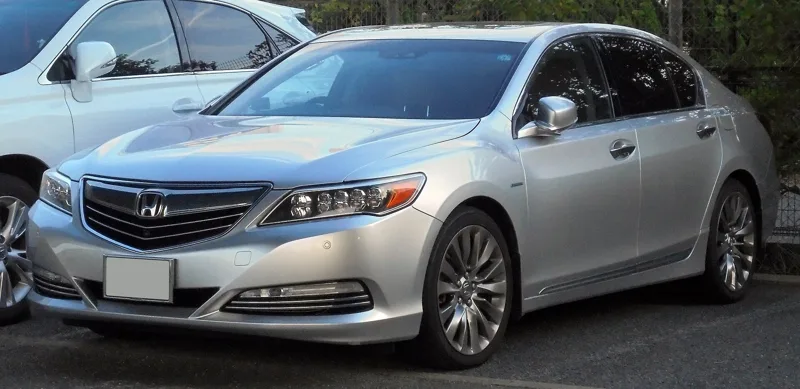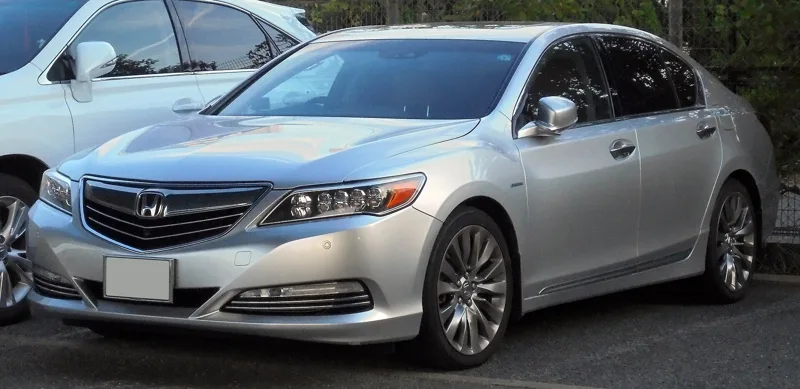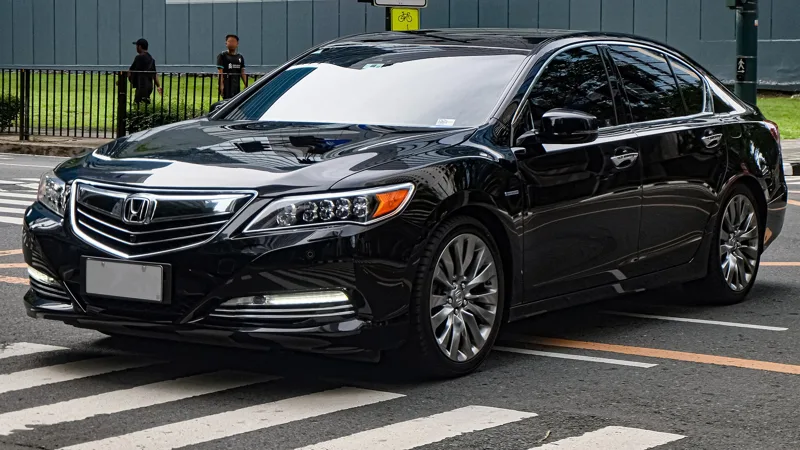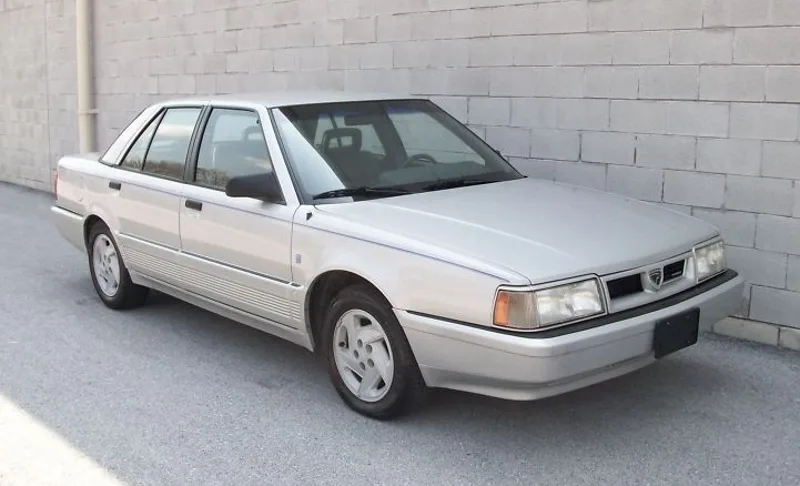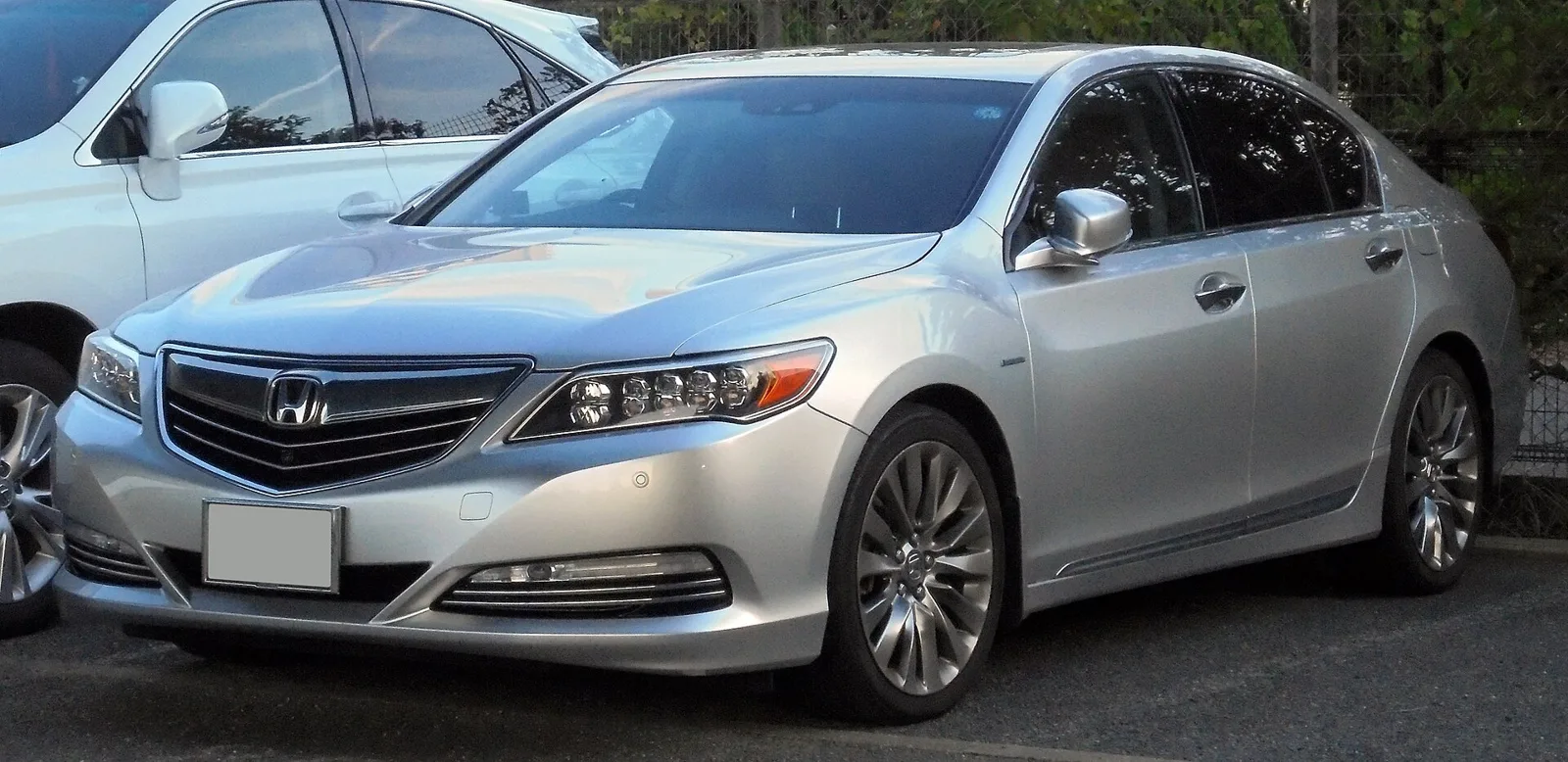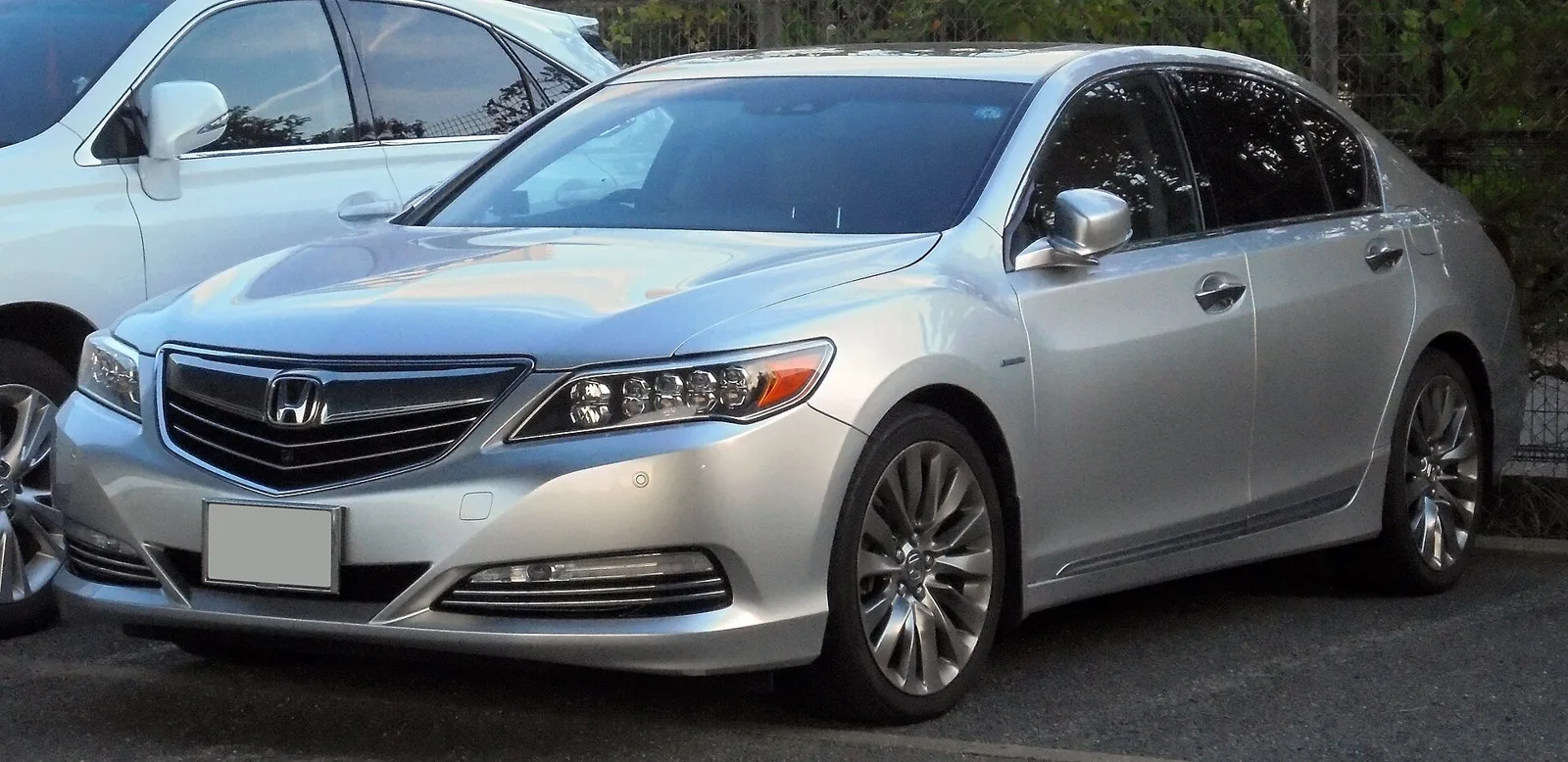
Honda's front-drive V6 flagship and Toyota's Vista Store favourite chased the same wealthy buyer, through very different generations.
The Honda Legend is a V6 executive car series built from 1985 to 2021, and the Toyota Cresta is a mid-size luxury sedan launched in 1980 that ran for five generations. The Legend used front-wheel drive, while the Cresta grew through six-cylinder and turbo engines across its generations.
The Honda Legend and the Toyota Cresta were both upmarket Japanese sedans that competed for the same wealthy buyer, but they came from different dealer networks and different engineering traditions. The Legend arrived in 1985 as a front-wheel-drive V6, while the Cresta had been Toyota's luxury sedan since April 1980. Put side by side, the two cars show how each maker tried to offer more luxury without tipping its buyers into a higher tax band.
Where did the Cresta sit against the Legend?
The Cresta was sold only at Toyota Vista Store, and it was positioned as a luxury sedan that joined the Crown. The Crown was available at Toyota Store outlets, and the Mark II went to Toyopet Store. Honda's Legend was aimed at the same Crown and Cedric buyers, and it was expected to compete with the upscale Cresta and Chaser.
Both makers had a reason to keep the car within a manageable size. The Cresta offered a distinctive luxury sedan without breaking Japan's dimension regulations, which kept its tax liability lower. Honda used a similar approach, shrinking the 2.0-litre Legend's width of 1,695 mm (66.7 in) so it sat in a smaller class than the bigger Crown and Cedric/Gloria models.
Honda had already tried a luxury route with the Vigor, a luxury version of the Accord introduced in 1981. Its engineers concluded that they needed a larger and more exclusive sedan with dimensions close to the Crown, Luce, Cedric and Gloria, and the Legend was the answer.
Two Japanese flagships built for the same wealthy buyer, one with front drive and one with a long run of Toyota generations.
How did the Legend and Cresta differ in engineering?
The Legend's most notable choice was its front-wheel-drive layout, which gave it a 63/37 front to rear weight split and a low, aerodynamic bonnet. Its engineers linked the layout to a roomy cabin with a nearly flat floor and better traction. The Cresta's suspension was more conventional, with MacPherson struts on all four wheels in its first generation.
Its front suspension used double wishbones, and its rear used Honda's RF strut layout, later upgraded to double wishbones from the 1988 model year.
The Cresta's rear suspension came from the Crown and Soarer, and Toyota described the Chaser as the performance version of the same platform, sold at a different dealership. Meanwhile, the Cresta was meant to feel more luxurious than the Mark II, using semi-trailing arms with four links. By the third generation, the Cresta had moved to a double-wishbone design at both ends, which was shared with the Soarer and could accept the optional TEMS electronic shock absorbers. The drivetrain layout of the Cresta is not covered in this comparison, so the front-drive contrast is best understood as a Legend feature.
Honda's Legend emphasised quiet running and refinement. Triple seals around the door openings, a drag figure of 0.32 and interior noise of 63 dB at 100 km/h were all part of that effort. The Cresta's refinement came through its trim packages and its options list, which grew steadily through each generation.
What engines did each car offer?
The Legend launched with two V6 engines for Japan, the 2.0-litre C20A and the 2.5-litre C25A. The larger unit grew to 2.7 litres as the C27A for the 1988 model year. Transmissions were a four-speed automatic or a five-speed manual, and Honda's Japanese cars were sized to keep tax costs in check.
The first-generation Cresta used 2.0-litre M-EU and 1G-EU straight-six engines, paired with a five-speed manual or a four-speed automatic shared with the Crown. Early cars with the six-cylinder units were available in the Super Lucent, Super Touring and Super Deluxe grades, while the Super Custom and Custom used a four-cylinder. Toyota offered no diesel in that first generation.
How did the Wing Turbo compare with the Cresta's turbo?
The Legend's Wing Turbo was introduced in October 1988 with a variable-geometry turbocharger on the 2.0-litre engine. It produced 140 kW (190 PS; 188 bhp) at 6000 rpm and its torque was 24.6 kg-m, or 241 N-m (178 lb-ft), reached at 3,500 rpm. Honda fitted it to improve fuel economy and cut emissions, since Japanese owners paid tax on what their cars emitted.
Toyota had already moved into turbocharging with the Cresta's 1G-GTEU parallel twin turbo, installed in the GT TWIN TURBO trim from October 1985. The Cresta also offered a supercharged 2.0-litre six in the X80 generation, which used an electromagnetic clutch so the supercharger only worked when needed. The Wing Turbo ran for just two years, while the Cresta's turbo trims were part of a longer run across several generations.
The Japanese tax system shaped both cars. Owners paid more tax as engine size and emissions rose, which is why Honda built the Legend in two sizes and why its turbo version was aimed at cutting emissions rather than adding power.
Side-by-side specifications
| Specification | Honda Legend | Toyota Cresta |
|---|---|---|
| Launch | October 22, 1985, Japan | April 1980, Toyota Vista Store only |
| Body | Pillared sedan | Sedan; four-door hardtop from the X70 in 1984 |
| Layout and suspension | Front-wheel drive; double wishbones at the front; RF strut rear, double wishbone from 1988 | MacPherson struts on all four wheels (first generation); double wishbones front and rear from the X80 in 1988 |
| Engines in Japan | 2.0-litre C20A V6, 2.5-litre C25A V6, 2.7-litre C27A V6 from 1988 | 2.0-litre M-EU and 1G-EU sixes (first generation); 2.0-litre 1G-GZE supercharged six and 3.0-litre 7M-GE six (X80) |
| Turbo | Wing Turbo, October 1988, 140 kW (190 PS; 188 bhp) at 6000 rpm | 1G-GTEU parallel twin turbo from October 1985 |
| Gearbox | Four-speed automatic or five-speed manual | Five-speed manual or four-speed automatic (first generation) |
| Drag coefficient | 0.32 | No figure given |
| Width | 1,695 mm (66.7 in), Japanese 2.0-litre | Widened to the maximum limit in the X80, matching the Crown |
| Diesel | None | Offered from the X70 onward, first generation had none |
| Japanese trims | V6Xi, V6Gi, V6Zi | Super Lucent, Super Touring, Super Deluxe, plus Super Custom and Custom |
| Production | 4,409 built in the UK, 1986 to 1988; US cars from Japan | Five generations, production ended in 2001 |
| Successor or end | Second generation in 1990 | Merged with the Chaser into the Verossa in 2001 |
How did the Cresta's generations change?
The Cresta's second generation arrived on March 8, 1984, as a four-door hardtop sedan with a distinctive creased rear window. Toyota added a parallel twin turbo in October 1985 and gave the range new bucket seats borrowed from the Supra. Large bumpers and a new grille followed, along with the PEGASUS suspension name that first appeared on the Soarer.
The third generation arrived on March 8, 1988, as a sedan only, and it was styled to look like a four-door Soarer. Every engine moved to DOHC, and the top model gained the 3.0-litre 7M-GE six. The Super Lucent G became wide enough to bring higher yearly taxes, which shows how closely Japanese dimension rules shaped even flagship sedans.
The fourth generation debuted in 1992 and grew in size, which removed it from the compact class. By then the Toyota Aristo had become the senior luxury model at Toyota Vista Store, so the Cresta moved into a supporting role.
The fourth generation arrived in 1992 and was the first to feel clearly larger. The base model was renamed SC, and the new Suffire trim sat above it. The name Suffire is French for sufficient, and the Suffire could be ordered with a five-speed manual, which the base car lacked. The base car, by contrast, was offered with a four-speed automatic.
How did the Cresta's trim ladder work?
The Cresta used a long trim ladder, and the first generation ran from the Custom and Super Custom up to the Super Lucent at the top. Each first-generation trim package offered seven exterior colours, and the name Super Lucent comes from the Latin lucens, meaning to shine. Optional extras included a trip computer, cruise control, a glass sunroof and headlight washers.
By the third generation the top model was called Super Lucent G. It was offered in four exterior colours, with a single interior colour, while the other trims had more choice. The Super Lucent G could also be fitted with TEMS electronic shock absorbers.
Which buyer suits each car?
The Legend suits a buyer who wants a front-drive V6 with a flat cabin floor and a focus on refinement. Its short production run and rare Wing Turbo version add interest for enthusiasts. The Cresta suits a buyer who wants a Toyota luxury sedan with a long run of generations, turbo and supercharged options, and many trims.
Neither car is clearly better on the figures given, because the comparison does not contain enough data to settle that question. A buyer who prizes Honda's front-drive packaging would look at the Legend, while a buyer who valued Toyota's broad trim and engine choices would look at the Cresta.
What was the legacy of each car?
The Legend's influence reached beyond its own brand, inspiring vehicles from several manufacturers, including the Subaru Legacy. Its first-generation owners included Soichiro Honda, founder of Honda, and Ayrton Senna, and the V6Xi served as the pace car at the Suzuka Circuit in 1986.
The Wing Turbo research fed into the VTEC C30A V6 used in the 1990 Honda NSX, a link that places the turbo car within Honda's sports history.
The Cresta's legacy is a long run of Toyota luxury sedans. It ran through five generations, and its line ended in 2001, when the Cresta and the Chaser were combined into the Verossa, which did not last long. Its name comes from the plume or crest worn on a helmet, and its logo was shaped like the helmets of Japanese samurai.