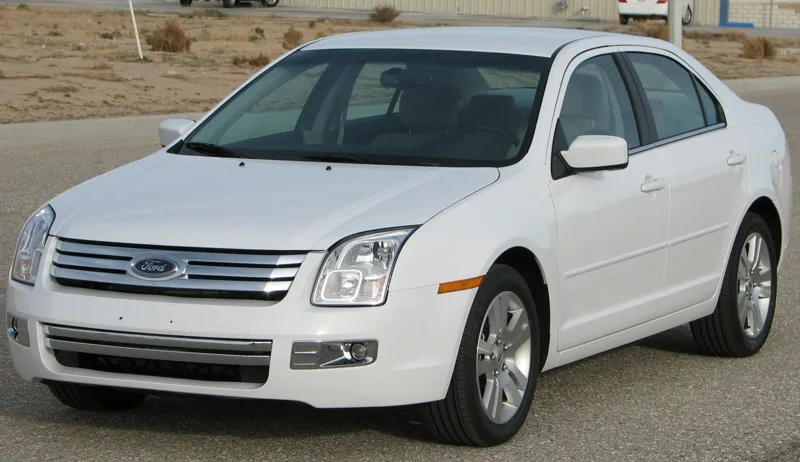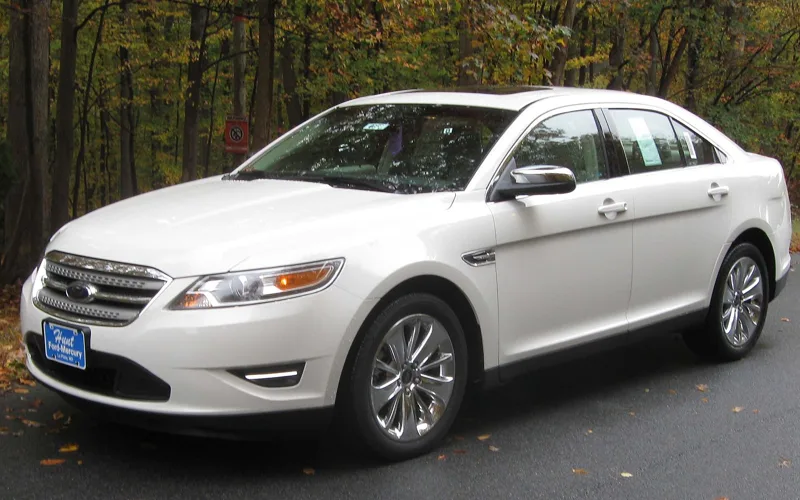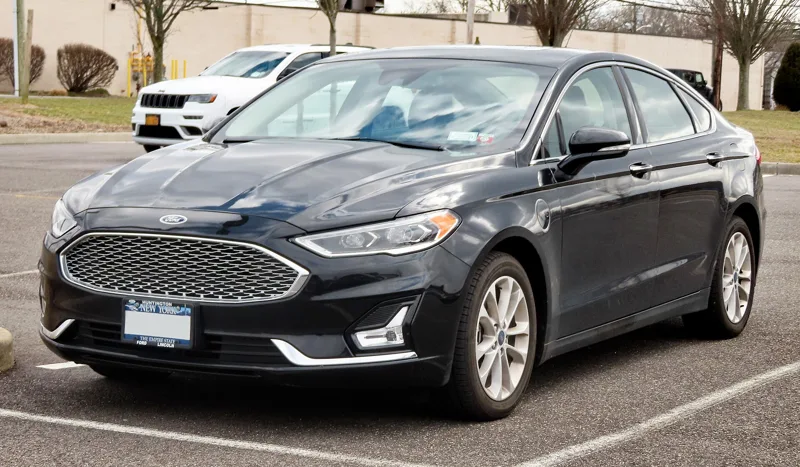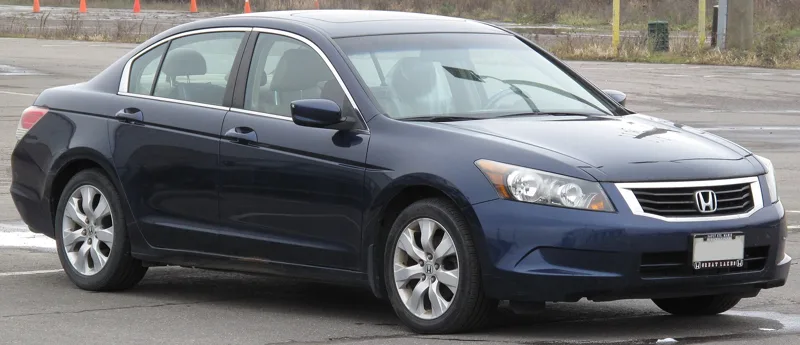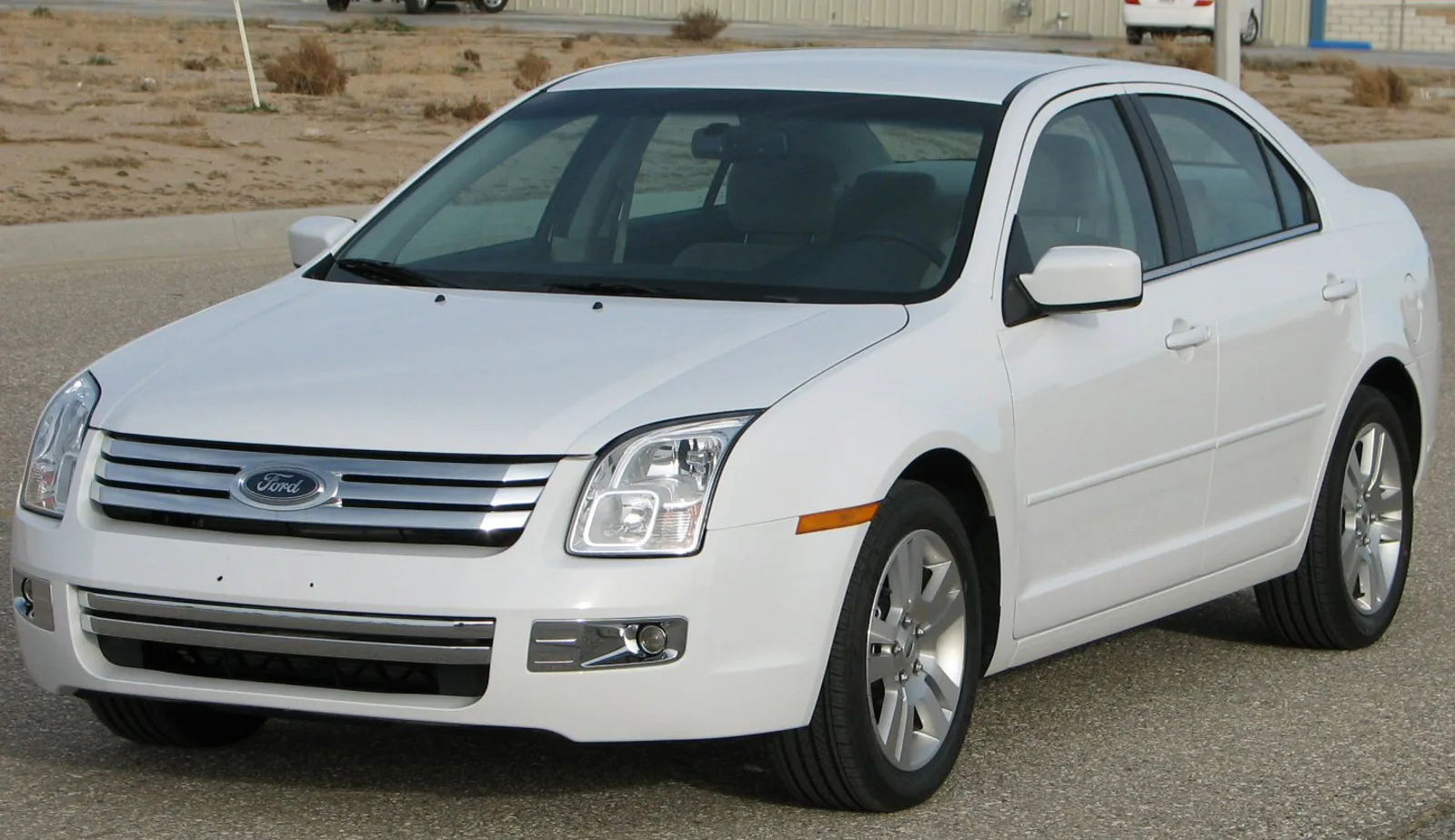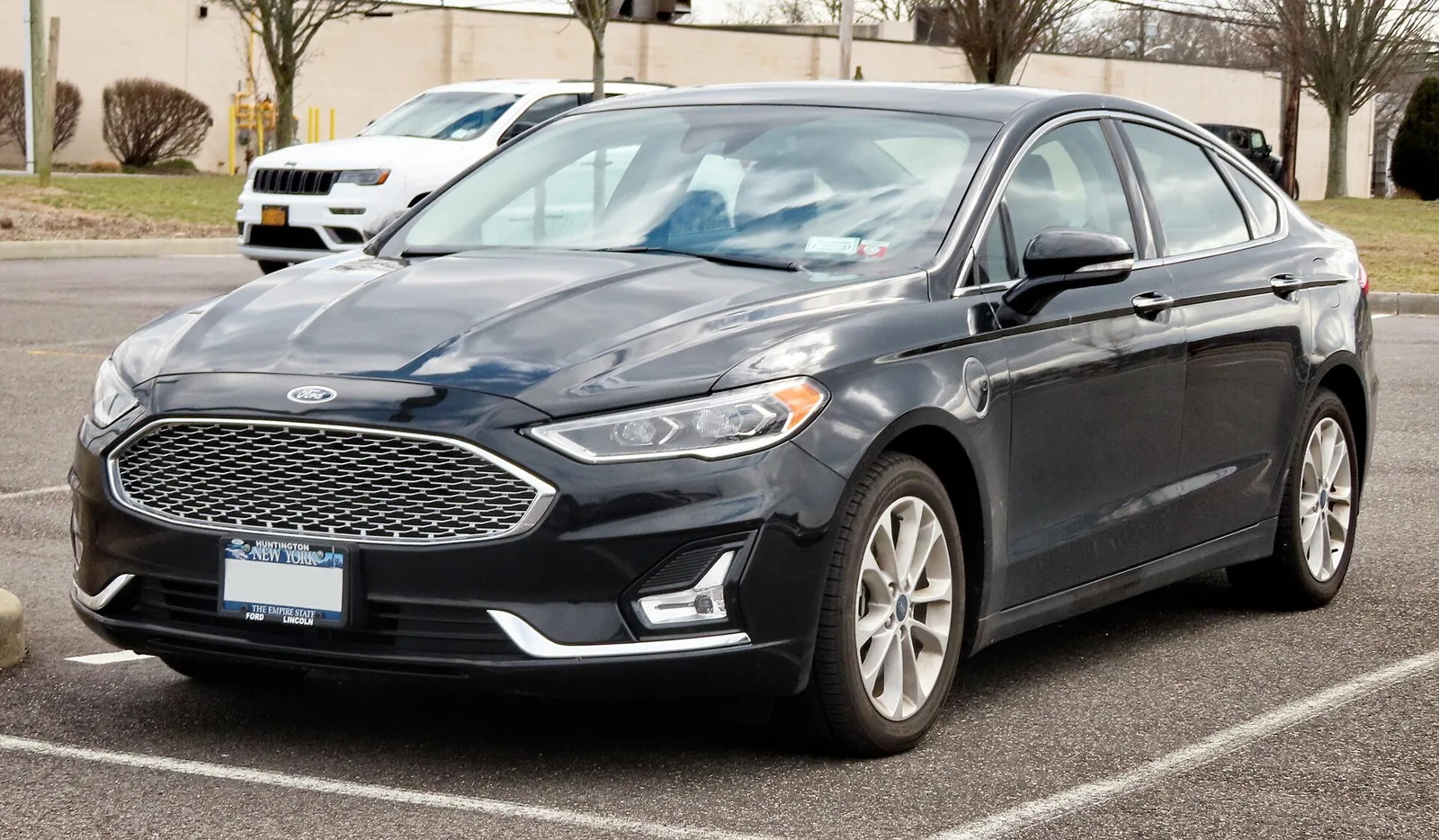
Ford's Fusion and Nissan's Altima went head to head in the American mid-size sedan market, and both were built to beat the Camry and the Accord.
The Ford Fusion was a mid-size car from 2006 to 2020 built in Mexico, while the Nissan Altima was a mid-size car made by Nissan since 1992. They competed head to head in the American mid-size market, with the Fusion built to challenge the Camry and the Accord and the Altima offering V6 power and a larger interior after its third generation.
The Ford Fusion and the Nissan Altima were both mid-size sedans sold in the Americas, and they competed for the same family buyers who might otherwise have chosen a Toyota Camry or a Honda Accord. The Fusion was launched for 2006 on Ford's CD3 platform, which Mazda had originally designed. The Altima had been a Nissan mid-size car since 1992, and its third generation, from 2001, made it a serious rival in the segment.
Where did the Fusion and the Altima come from?
The Fusion ran for two generations between 2006 and 2020, with petrol, hybrid and plug-in options. Production began on August 1, 2005, at Ford's Hermosillo plant in Sonora, Mexico, which also built the Lincoln MKZ and the Mercury Milan on the same platform.
In the United States and Canada the Fusion superseded the mid-size Taurus and the compact Contour. It was positioned between the compact Focus and the full-size Taurus, and in Latin America it replaced the Mondeo.
The Altima began in 1992, when Nissan discontinued the Stanza and replaced it with the US-built Altima while keeping the car in the compact class. The first Altima was produced in June 1992 as a 1993 model, and it was an export version of the Nissan Bluebird SSS.
The name Altima was first used for a top trim of the Nissan Leopard in Japan in 1986, and then for the Laurel Altima sold in Central America and the Caribbean before 1992.
Altima production for North America was in Smyrna, Tennessee, until June 2004, when Nissan's Canton, Mississippi plant began building the model to meet high demand.
Two mid-size sedans from different makers, each built to win customers from the Camry and the Accord.
How did the two cars come to market?
The Fusion used the CD3 platform, originally designed by Mazda as its G platform. Its wheelbase was stretched by 5 cm and its width extended by 5.5 cm, and it was the first production car to use Ford's three-bar grille. Its interior shared parts such as some of the console and seats with the European Mk III Ford Mondeo.
The first Altima's styling came from Nissan's California design group, and its first name was Stanza Altima, which appeared on early owner's manuals. Its handling was noted for being sporty, although its ride was firm.
The Altima's third generation, the L31 introduced in 2001 for the 2002 model year, was the first mass-market product built on Nissan's FF-L platform. Its interior volume grew to 118.8 cubic feet (3.36 m3), and it had the biggest fuel tank in its class at 20 US gallons.
All first-generation Altimas used the same engine, and the Japanese Bluebird SSS could be had with the SR20DET and all-wheel drive. The trim lines were the XE, GXE, SE and GLE, and every model had small cup holders under the radio.
The second generation was an American and Canadian market car, with a new interior, a folding back seat and depowered airbags. Its total cabin volume stayed at 108 cubic feet, but it felt roomier to many drivers.
For the 2000 model year the engine rose to 160 hp, gearing and final drive were shortened, the stabiliser bars were thickened and the steering was firmed up.
The third generation was the first Altima to offer a V6, and its rear suspension moved to a multi-link design with four-wheel disc brakes.
Which engines did each car offer?
The first Fusion's standard engine was a 160 hp (119 kW) Mazda-designed 2.3-litre Duratec four, with a 5-speed manual or automatic. The SE and SEL could also take a 221 hp (165 kW) 3.0-litre Duratec V6 with a six-speed Aisin automatic.
The first Altima's standard engine was Nissan's 150 hp (112 kW) KA24DE straight-four, which gave 0 to 60 mph in 9.4 seconds with the automatic and 8.2 seconds with the manual. In 2000 the engine rose to 160 hp, and the 0 to 60 mph time dropped to 8.4 seconds.
The Altima's third generation brought the first V6, and the 3.5 SE was later raised to 245 hp (183 kW). A 2.5-litre four took 8.6 seconds to 60 mph, and the 2005 facelift lifted the V6 to 250 hp (186 kW) with a 6.2-second run to 60 mph.
The Fusion Challenge campaign launched in January 2007 and was later renamed Ford Challenge.
For 2007, all-wheel drive became available on the V6, Sirius satellite radio became an option, and the front passenger fold-flat seat became standard on the SE and SEL.
For 2008 ABS and tyre pressure monitoring became standard, and SYNC and rear parking assist were added to the options list.
Carlite SoundScreen acoustic glass used a sheet of acoustic vinyl between two layers of glass to cut noise by as much as 6 dB at certain frequencies. The 2010 refresh was led by chief designer Darrell Behmer and kept the roof and doors of the earlier car.
What performance models did each family offer?
The Fusion's 2010 refresh brought a 2.5-litre four at 175 hp and a 3.0-litre V6 at 240 hp, with E85 capability on the V6. The Fusion Sport used a 3.5-litre Duratec 35 rated at 263 hp (196 kW) and was offered as a stand-alone model with 18-inch wheels and sport suspension.
The Altima's SE-R was the performance model of the 2005 range. It used a 260 hp (194 kW) version of the V6, a six-speed manual, upgraded brakes, 18-inch wheels and a stiffer suspension. Car and Driver measured 0 to 60 mph in 6.1 seconds, and MotorWeek recorded 5.8 seconds for an automatic SE-R.
The Fusion's Sport and the Altima's SE-R therefore aimed at the same buyers, with the Altima's V6 family turned into a performance car and the Fusion's sport trim built on a larger V6.
What trims were on offer?
The first Fusion came in S, SE and SEL trims, with the S as the base model and steel wheels with covers on early versions. The SE added alloy wheels and a power driver's seat, while the SEL added 17-inch aluminium wheels and power dual front seats.
By 2010 the S had a 2.5-litre four and 16-inch alloy wheels, the SE had 17-inch steel wheels and six speakers, and the SEL added Ford SYNC and leather seats. The Sport was a stand-alone model, and the Hybrid was added to the SEL. The hybrid used a 2.5-litre four assisted by an Atkinson-cycle electric motor, and an Eco Driving mode told the driver how economically they were driving.
The Altima's trims followed a similar ladder. The stripped XE, the mid-line GXE, the sporty SE and the luxury GLE were offered in the first generation, and the GLE added a head-up display in 1993 and 1994 only.
How did the two cars fare on safety?
The Fusion earned a place in the Insurance Institute for Highway Safety's 2010 mid-size Top Safety Picks list. The 2010 ratings applied only to Fusions, Milans and MKZs built after April 2010, because Ford strengthened the roof structure.
Ford's Fusion faced several investigations and recalls. In June 2010 the National Highway Traffic Safety Administration investigated floormat-related unintended acceleration in the 2010 Fusion and Milan, with as many as 249,301 cars possibly affected.
On October 2, 2014, NHTSA opened an investigation into the electronic power-assisted steering in Fusions, MKZs and Milans from 2010 to 2012, after more than 500 complaints of sudden power steering loss. An estimated 938,000 vehicles were included, and in May 2015 Ford recalled 2011 and 2012 cars built in Mexico.
The Altima's recorded criticism in this comparison centred on the hard and brittle interior plastics of the 2002 to 2004 models.
The Altima's 2005 facelift added a new front grille, all-red tail lights, a redesigned interior and an optional DVD-based navigation system.
What were the sales and reception like?
The Fusion emerged as the winner of comparison tests against the Toyota Camry and Honda Accord, which were run by subscribers of Car and Driver and Road and Track in the Washington and Los Angeles areas. Ford's early campaign was called Life in Drive in the United States and Create a Reaction in Canada.
The whole 2013 Fusion range was honoured as Green Car of the Year at the 2012 Los Angeles show. In 2019 it was the seventh best-selling car in the United States.
The third-generation Altima was well received by the press, and it was credited with a turnaround of Nissan's operations. It offered the performance and space of the upper-market Maxima in a cheaper car, which significantly reduced Maxima sales.
How did the cars compare as platforms?
The Fusion's CD3 platform was shared with the Lincoln MKZ and the Mercury Milan, and it was built in Mexico. The Altima's FF-L platform was unique to North America and had no equivalent in Japan.
The Altima's FF-L platform also underpinned the Teana for Asian markets, which were similar but not identical. The Fusion's shared platform therefore brought Ford's badge-engineering approach to the mid-size segment, while the Altima's platform was a North American specialist.
For a buyer, both cars offered a practical mid-size body with a range of four-cylinder and V6 options. The choice between them came down to how each brand handled its trims, performance models and interior.
Side-by-side comparison
| Point | Ford Fusion | Nissan Altima |
|---|---|---|
| Years | 2006 to 2020, two generations | Since 1992, third generation from 2001 |
| Platform | CD3, originally from Mazda | FF-L from 2001, unique to North America |
| Standard engine | 2.3 L Duratec, 160 hp (119 kW) | KA24DE, 150 hp (112 kW), then 160 hp |
| V6 | 3.0 L, 221 hp (165 kW) at launch | V6 from the third generation, 250 hp (186 kW) by 2005 |
| Performance model | Sport with 263 hp (196 kW) | SE-R with 260 hp (194 kW) |
| Interior volume | Not given | 118.8 cubic feet (3.36 m3) |
| Production | Hermosillo, Mexico | Smyrna, Tennessee, then Canton, Mississippi |
| Recognition | 2013 Green Car of the Year | Credited with a Nissan turnaround |
| Recalls or probes | Floormat, steering and 2015 recall | Not given |