A lightweight Citroen with hydropneumatic suspension set against the Peugeot 405, which shared its floorpan and won European Car of the Year: design, engines, performance, sales and the buyer each suited.
The Citroen BX and Peugeot 405 were large French family cars that shared a floorpan. The BX ran from 1982 to 1994 with hydropneumatic suspension, and 2,315,739 cars were made. The 405 ran from 1987 to 1997 and took the 1988 European Car of the Year title.
The Citroen BX and the Peugeot 405 were both large French family cars, and they shared a floorpan. The BX arrived in 1982 as Citroen's replacement for the GS and GSA, with lightweight plastic panels and the marque's famous hydropneumatic suspension. The 405 followed in 1987 as Peugeot's successor to the 305, and it was voted European Car of the Year for 1988.
This comparison covers why the two were close relations and rivals, how each came about, the suspension and body choices behind them, their engines and performance models, their motorsport records, their sales and which buyer each car suited on the facts available.
Why were the Citroen BX and Peugeot 405 rivals?
They were rivals in the same French family car market, and they were also related. The 405 shared its floorpan with the BX, so the two cars were built on common foundations even though they came from different makers within the same group after the 1976 merger of Peugeot and Citroen.
The BX was in the market first, and it had a head start with buyers who wanted a larger family car. The 405 arrived as a replacement for the 305 and as a successor to the Chrysler Alpine and Solara, which had been discontinued when Talbot was axed a year earlier.
Both cars were sold strongly in Britain. The BX was the UK's best-selling diesel car for four years from 1987, and the 405 was the eighth best-selling car in Britain in 1992 and 1993. Those figures show two cars that competed for the same family buyers.
One car carried the hydropneumatic legacy of Citroen; the other shared its floorpan and went on to win the European Car of the Year title.
How did the two cars come about?
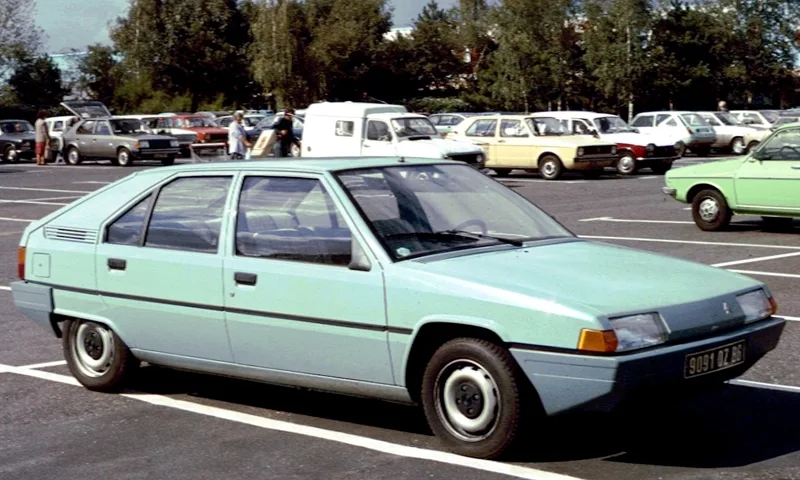
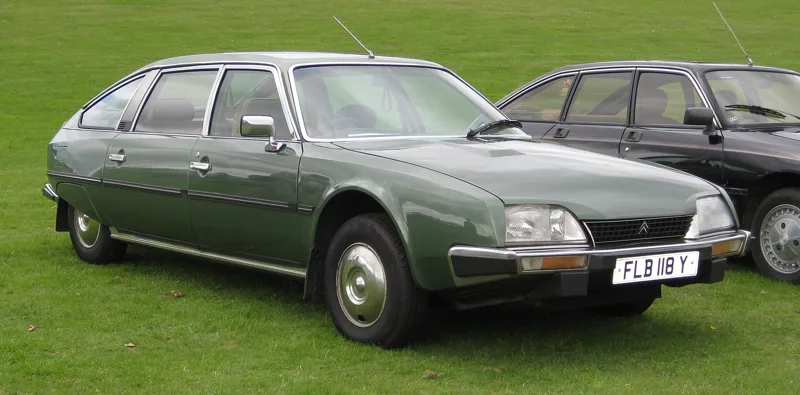
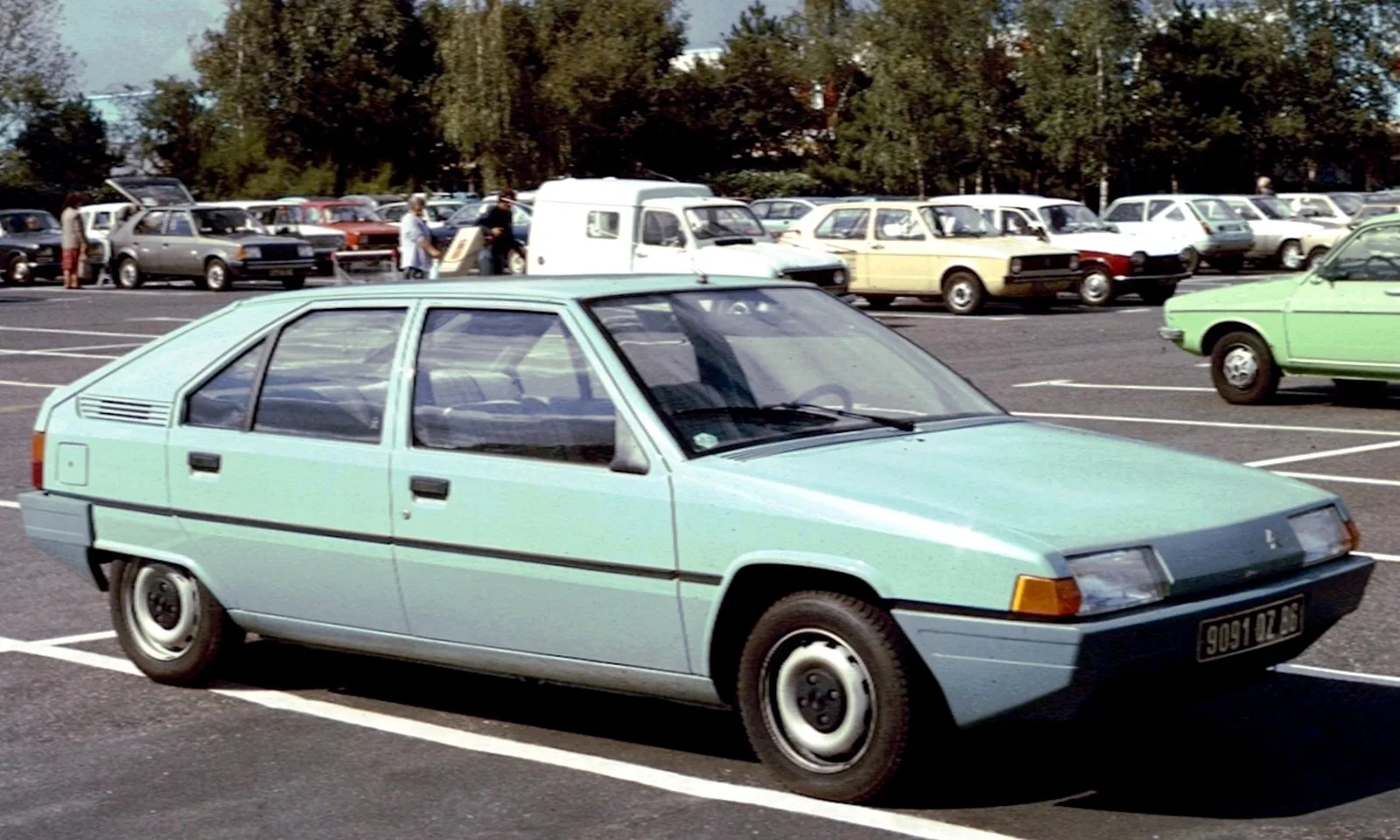
The BX was designed to replace the Citroen GS and GSA, a successful small family car launched in 1970, with a larger vehicle. Marcello Gandini of Bertone designed the angular hatchback, which was launched in Paris on 2 October 1982 beneath the Eiffel Tower.
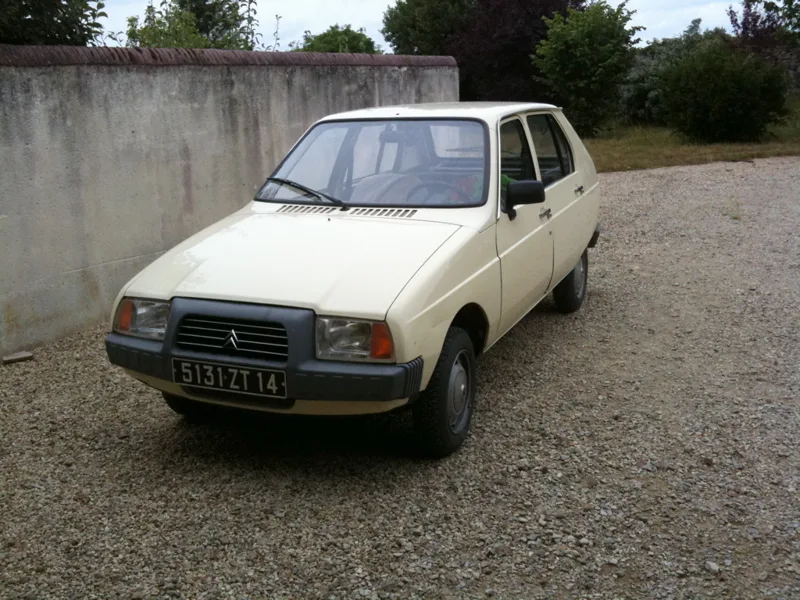
The BX was the second car to benefit from the 1976 merger of Peugeot and Citroen, after the Citroen Visa of 1978. It was designed to be lightweight, using few body parts and many made of plastic, which was a deliberate choice in its engineering.
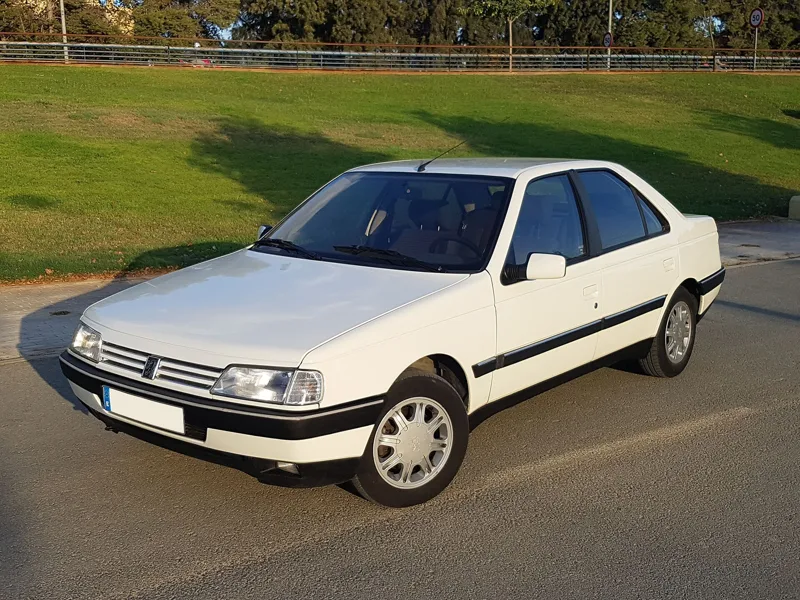
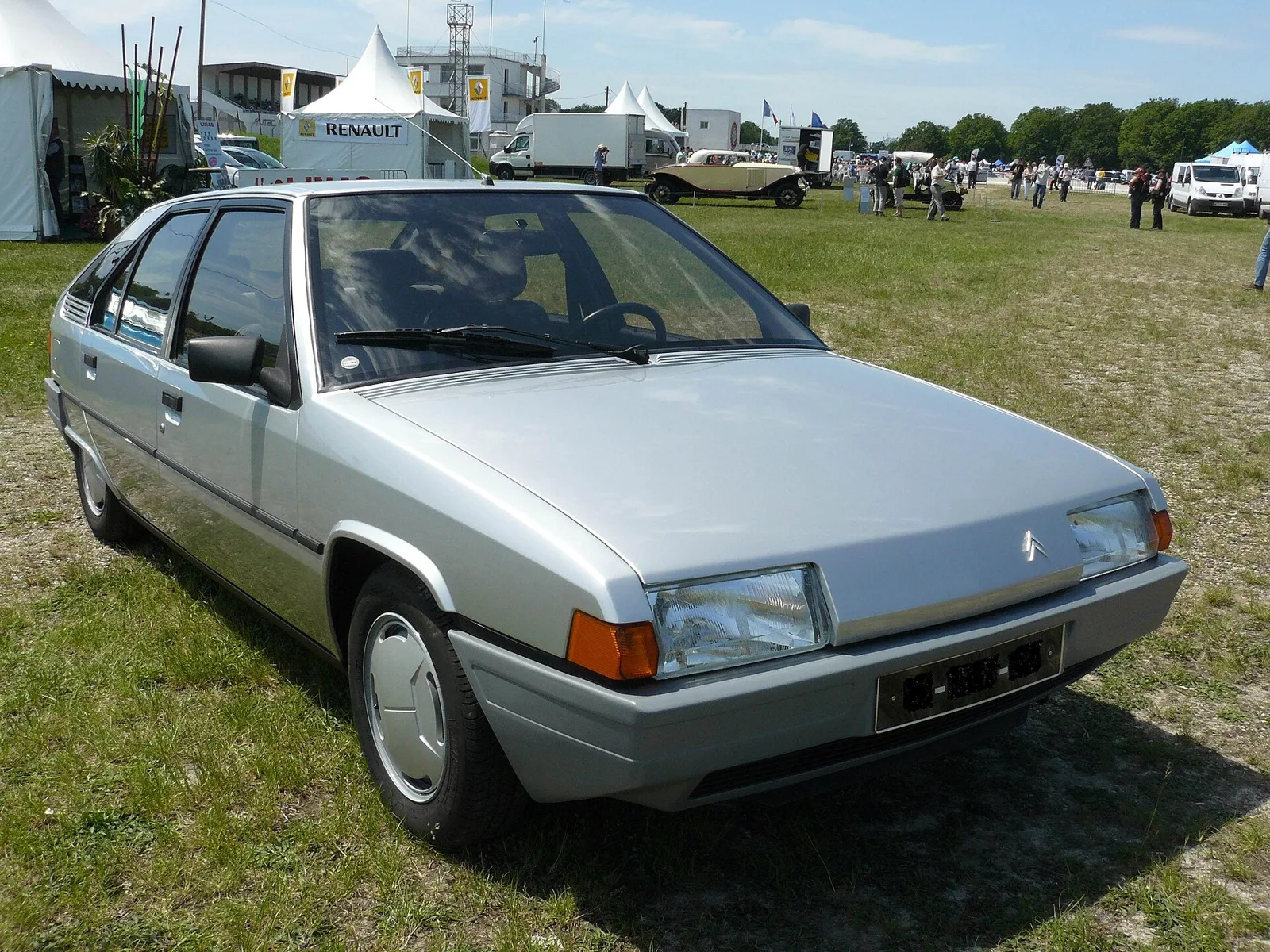
The 405 was unveiled in July 1987, with ten versions shown at once for the 1988 model year. Continental sales began in October 1987 and UK sales in January 1988. Its appearance was close to the Alfa Romeo 164, which was also styled by Pininfarina.
The 405 was built at Sochaux in France for left-hand drive markets and at the former Rootes and Chrysler plant at Ryton near Coventry for right-hand drive. That split of production shows how the car was designed to serve both sides of the Channel.
How did the suspension and body differ?
The BX had Citroen's hydropneumatic self-levelling suspension, which was among the features that set it apart from its competition. It also had extensive plastic body panels, including the bonnet, tailgate and bumpers, along with front and rear disc brakes.
The 405 did not carry that hydropneumatic suspension, even though it shared the BX's floorpan. The only exception was the four-wheel drive version, which used hydropneumatic suspension on its rear axle. The 405's suspension was a more conventional Peugeot arrangement, and that difference was central to how the two cars drove.
The BX's rear suspension came from the Peugeot 305 Break, a detail that shows how the two makers borrowed parts. The shared floorpan gave the cars a common structure, while the suspension, body and interior differed in line with each maker's character.
The BX also had build quality problems that set it against the competition. In 1983 one quarter of production needed touch-ups before shipping, and although later cars were better built, the reputation stayed with the car.
What engines did the two cars use?
The BX dropped the air-cooled flat four of the GS and used PSA XY, TU and XU petrol engines of 1,360, 1,580 and, from 1984, 1,905 cc. A 1,124 cc engine was used where car tax followed engine size, and the Douvrin engine, shared with the Peugeot 104 and Renault 14, powered the 1.1 and 1.4 models.
The XUD diesel arrived in November 1983 and became the BX's most successful variant. The diesels were especially popular as estates, and they made the BX the best-selling diesel car in Britain in the late 1980s.
The 405 offered four-cylinder petrol engines from 1.4 to 1.9 litres, producing 65 to 160 hp (48 to 118 kW). Its engines included a 1,360 cc unit with 70 hp (51 kW), a 1,580 cc with 92 hp (69 kW) and eight-valve 1,905 cc versions at 110 or 125 hp.
Diesel options on the 405 were a 1.9-litre naturally aspirated unit with 70 hp and a turbocharged 1.8-litre with 90 hp. The 405 also had a 16-valve Mi16 with 160 hp (118 kW), and the diesel engines helped keep the range broad for different markets.
How did the performance models compare?
The BX Sport of 1985 to 1987 was the most powerful BX at launch, with 126 PS (93 kW) from dual twin-barrel carburettors. Citroen built 7,500 of them, and the engine changes were developed by the French tuner Danielson. The car was not sold in the UK.
The BX reached a notable peak with the 16V of May 1987, the first mass-produced French car with a 16-valve engine. Its XU9J4 engine produced 158 bhp (118 kW), which took the car from 0 to 60 mph in 7.4 seconds and to a top speed of 136 mph (219 km/h). A 1990 facelift brought harder suspension and a thicker anti-roll bar.
The 405 Mi16 was the sporting Peugeot, with 160 hp (118 kW) from its 16-valve engine and a top speed of 220 km/h (137 mph). A catalysed version produced 148 hp (109 kW) with a top speed of 214 km/h (133 mph), and a Swedish test found the BX 16V faster around a track than the Mi16.
The 405's four-wheel drive T16 of 1993 was the rarest variant, with a 2.0-litre 16-valve turbocharged engine producing 200 hp (147 kW), or 220 hp on overboost. A total of 1,061 were built, and the car had constant four-wheel drive with a hydraulic rear axle.
How did the two cars perform in motorsport?
Citroen entered Group B rallying with the BX in 1986, with the BX 4TC. It had a long nose because its engine, a turbocharged version of the Simca Type 180 engine, was mounted longitudinally. The 4TC's best result was sixth place at the 1986 Swedish Rally, before Group B was banned later that year.
Citroen sold only 62 roadgoing 4TCs, against the 200 street versions the rules required, and it later bought many of them back because of build and reliability problems. Today the few that remain are much sought after.
Peugeot's motorsport story was stronger. The mid-engined 405 Turbo 16 GR was a rally car, with at least four built. Ari Vatanen set a Pikes Peak record in 1988, and the car won the Paris-Dakar rally in 1988, 1989 and 1990, while 405s also won the French Supertourisme title in 1994 and 1995.
The 405 also had touring car success in France, where the car won the Supertourisme series in both 1994 and 1995 with Laurent Aiello at the wheel. In Britain it was less successful, which the material records as a contrast with the French results.
How did the two cars sell?
The BX was built in 2,315,739 examples between 1982 and 1994, with the hatchback ending in 1993 and the estate continuing into 1994. Its replacement, the Xantia, took over from early 1993.
Among larger family cars, the 405 sold strongly across Europe, especially in France and Britain. About 2.5 million were sold worldwide, and the 500,000th car was built in 1989, with the one millionth leaving Sochaux in 1990. Over 1,500,000 had been built by 1992.
The 1988 European Car of the Year award came with the largest vote total in the contest's history. It was replaced by the 406 in the autumn of 1995, and the 406 estate in 1997 ended European production of the 405.
The BX's sales were strong in the UK, although its build quality reputation was poor in the material available. The 405 also had a longer production life in licensed markets, including Iran, where Iran Khodro made it from 1991 to 2020.
Which buyer suits each car?
On the facts given, the BX suits a buyer who wants a large family car with hydropneumatic suspension, a strong diesel record and a reputation as a tow car. The 405 suits a buyer who wants a family saloon or estate with an award-winning reputation, a wide engine range and a sporting Mi16 option.
A buyer who valued a distinctive ride and the self-levelling suspension would look at the BX. Its diesel estates were especially popular, and the car won Towcar of the Year awards on its power and economy.
A buyer who wanted a broader engine range, with four-wheel drive and a more conventional drive would look at the 405. Its saloon and estate choice and its wide engine range made it a flexible option for many family buyers.
Neither car is shown to be better across the board. The BX has the distinctive suspension and the diesel reputation, while the 405 has the award, the larger sales record and the broader range. The better choice depends on whether the buyer values character or a conventional modern family car.
Specifications at a glance
| Feature | Citroen BX | Peugeot 405 |
|---|---|---|
| Production | 1982 to 1994 | 1987 to 1997 in Europe |
| Cars built | 2,315,739 | About 2.5 million sold worldwide |
| Body | Hatchback and estate | Saloon and estate; no coupe |
| Suspension | Hydropneumatic self-levelling | Conventional; hydropneumatic only on the 4x4 rear axle |
| Petrol range | 1,360, 1,580 and 1,905 cc; 1,124 cc in some markets | 1,360, 1,580 and 1,905 cc; 65 to 160 hp |
| Diesel | XUD from November 1983; turbo diesel 1988 | 1.9 L naturally aspirated, 70 hp; 1.8 L turbo, 90 hp |
| Performance model | 16V, 158 bhp (118 kW), 136 mph (219 km/h) | Mi16, 160 hp (118 kW), 220 km/h (137 mph) |
| Rally model | BX 4TC, 62 roadgoing cars | T16, 1,061 built, 200 hp (147 kW) |
| Awards | Towcar of the Year, several awards | European Car of the Year, 1988 |
| UK position | Best-selling diesel car for four years from 1987 | Eighth best-selling car in 1992 and 1993 |