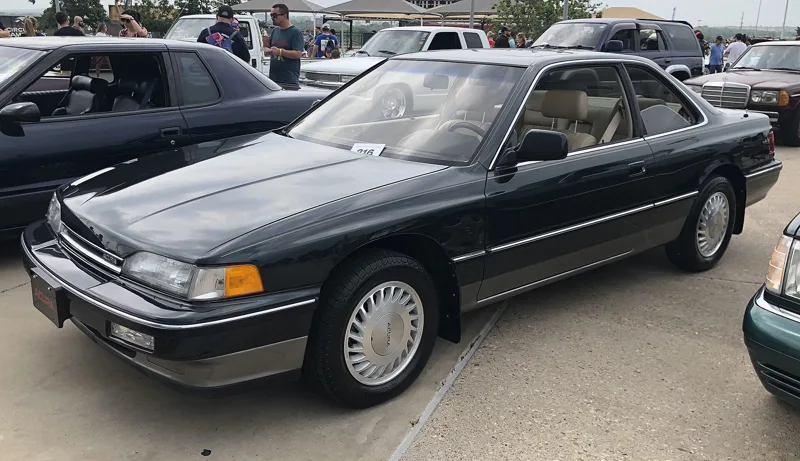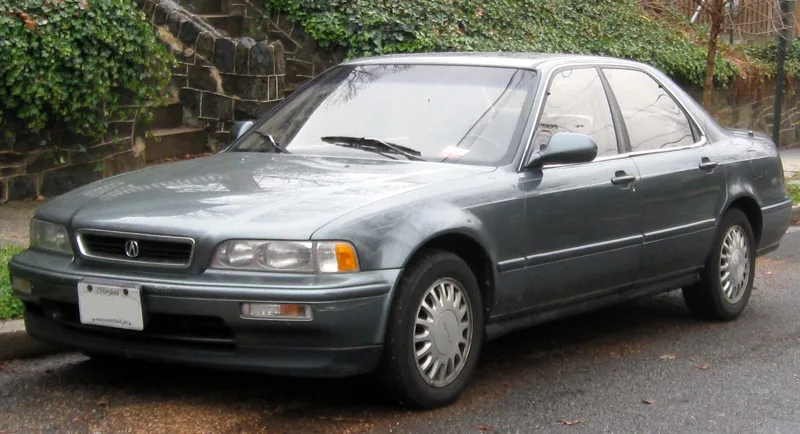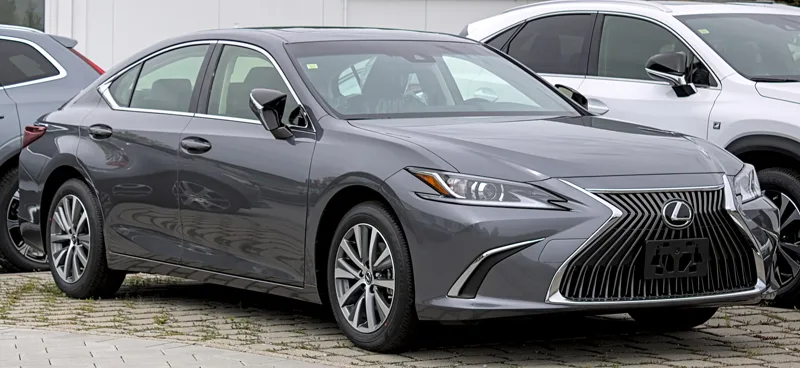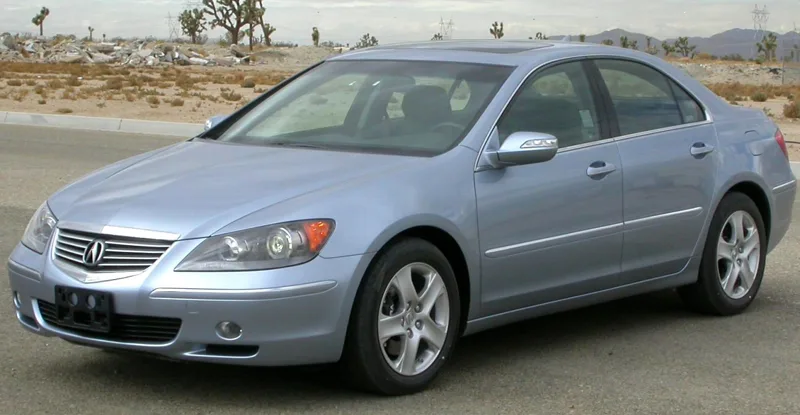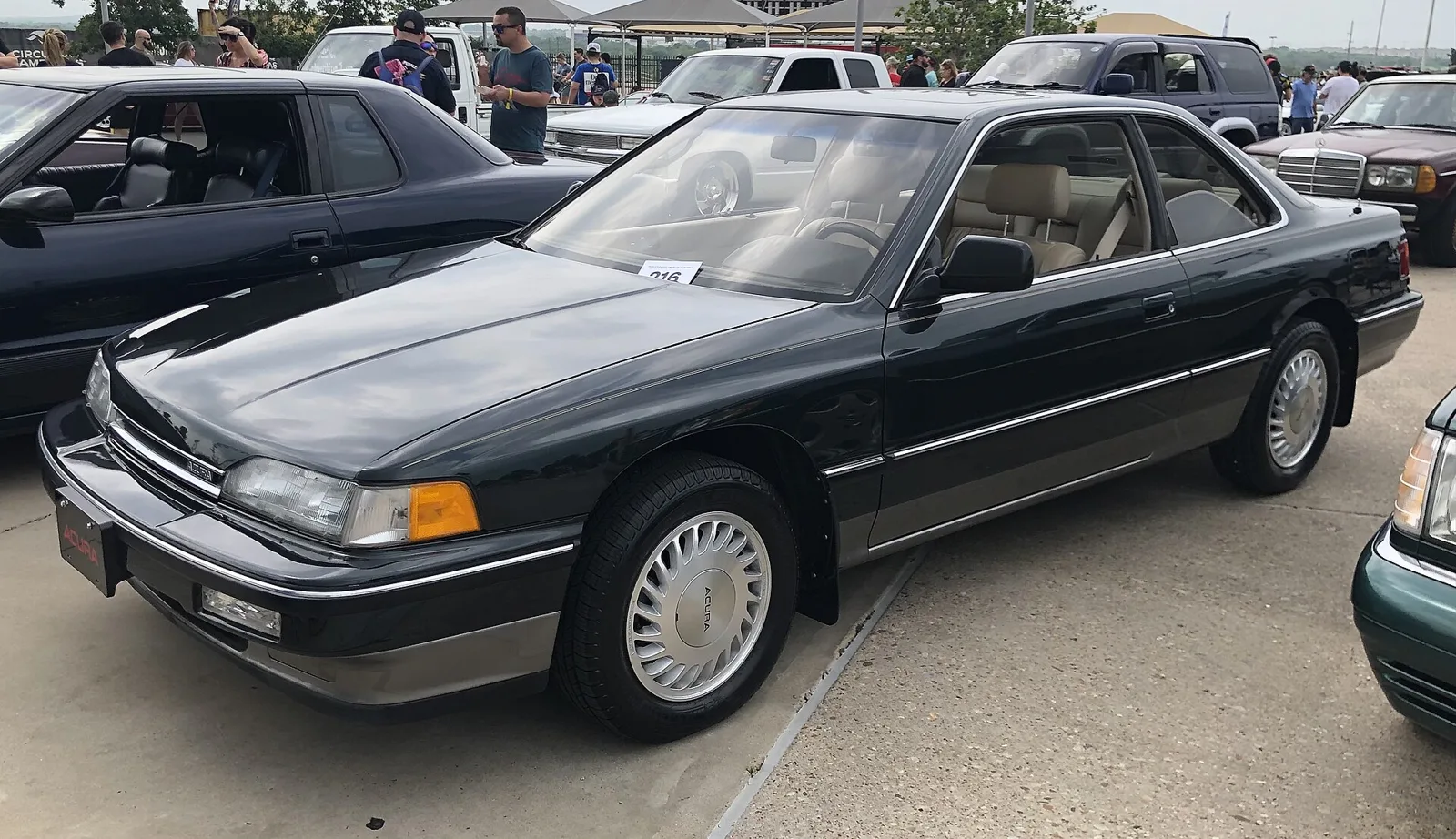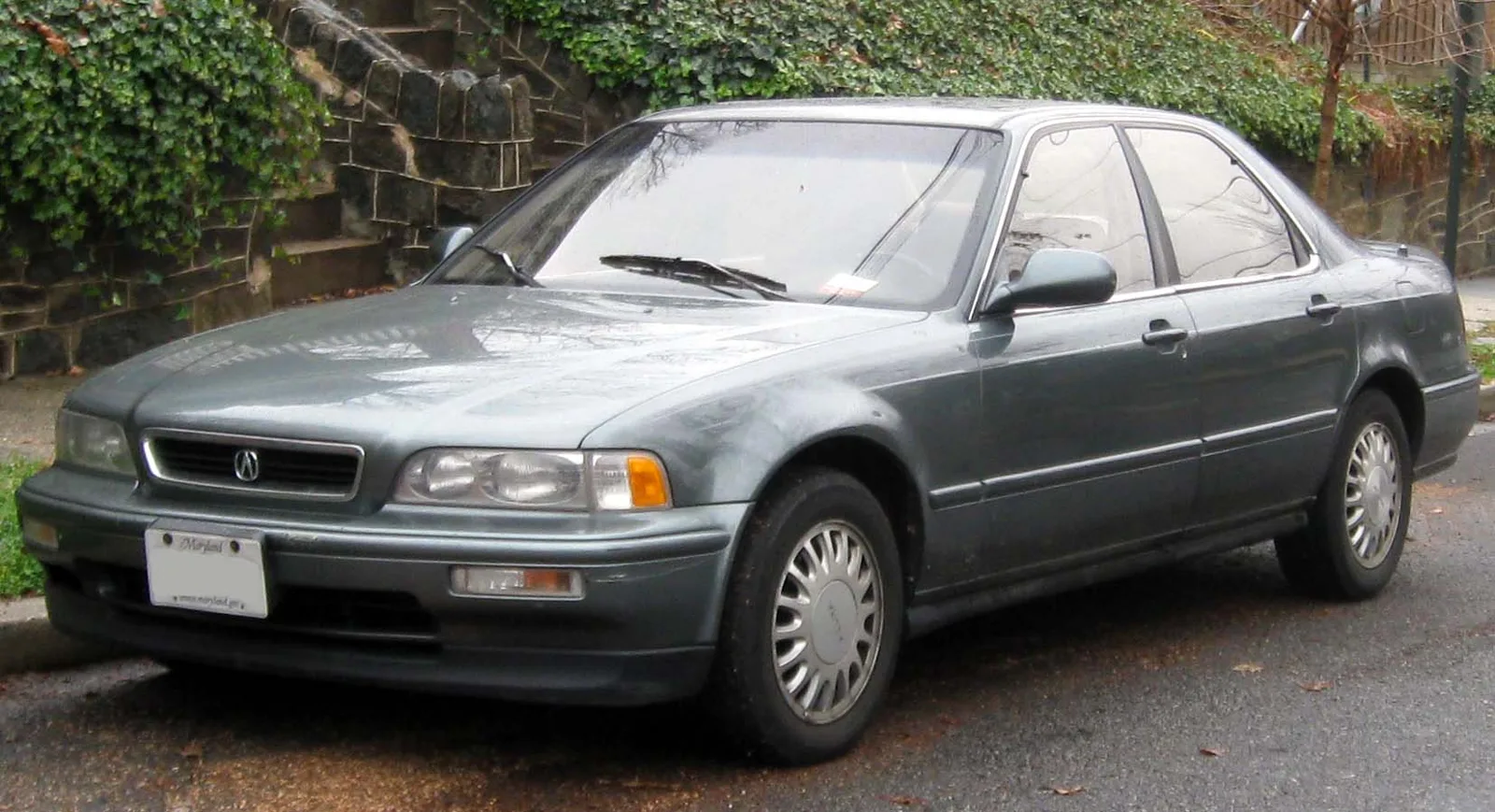
The Acura Legend and the Lexus ES both arrived as Japanese luxury brands were finding their feet, but they took different routes to their showroom places.
The Acura Legend was a mid-size luxury car sold in the United States and Canada from 1985 to 1995, and it was the first flagship under the Acura name. The Lexus ES 250 launched in 1989 as the first sedan in Lexus's range, positioned against the Legend.
The Acura Legend and the Lexus ES were both Japanese luxury sedans launched within a few years of each other. The Legend was the first flagship sedan under the Acura name, while the ES 250 was an entry model launched beside the LS 400 as Lexus's first sedan.
Their engineering roots differ. The Legend came out of a joint venture with a British partner, while the ES 250 shared the Camry Prominent platform. Both were built to win buyers in the same segment, which is why the two cars are set against each other here.
Why were the Legend and ES compared?
The Lexus ES 250 was designed as an entry model aimed directly at the Acura Legend. Both cars are mid-size luxury sedans of the same period, so they were designed to meet in the same segment.
The Legend was sold in the United States and Canada from 1985 to 1995. The Legend and the Integra together let Acura outsell BMW and Mercedes-Benz.
The ES 250 arrived with the LS 400 in 1989, so Lexus's debut range had two cars from the start. The Legend, by contrast, was the car that carried the Acura brand while it found its footing.
One brand built its first flagship through a joint venture with a British partner, while the other built its first sedan on a Camry platform, and both wanted buyers who might otherwise have looked at Europe.
How did the two brands launch their first sedans?
The Legend came out of Project XX, a joint venture with Austin Rover Group that formed the basis of the car. The ES 250 debuted in January 1989 alongside the LS 400, launched as the entry sedan of Lexus's first range. Both launches came out of a single planning moment for their brands.
The Legend's British counterpart was the Rover 800, which was sold in the United States as the Sterling. The record gives the Legend's first generation as 1985 to 1995 in North America, a run that the Acura brand used to build its image.
The ES 250 was based on the Camry Prominent and Vista platform. The second-generation ES 300 debuted in 1991 and shared its design with the Toyota Windom, which showed how closely the ES was tied to Toyota's mainstream range.
The Legend's name carried the Acura brand into the market, and its 1996 renaming to 3.5RL in North America shows how the brand later revised its model naming.
How did the two cars differ in design?
The first Legend sedan had a 2.5-litre C25A V6 with 151 hp (113 kW), while the ES 250 used the Camry's 2.5-litre V6 with 116 kW (156 hp). The Legend's drag coefficient was 0.32 for the sedan and 0.30 for the coupe, and the ES 300 of 1991 added an invisible B-pillar.
The second-generation Legend had a drag coefficient of 0.34 for the sedan. The ES 300 of 1991 used California walnut trim and leather seats, and it weighed about 90 kg (200 lb) more than the Camry it was based on.
The ES 250 featured a six-speaker Pioneer sound system and a choice of a four-speed automatic or five-speed manual gearbox. The Legend's second generation offered a six-speed manual or a four-speed automatic.
The design differences in the record are mostly about the cars' bodies and dimensions rather than their interiors. The ES 300 added structural details that the Camry-based ES 250 lacked, while the Legend's body was defined by its drag coefficients.
The record gives the Legend's second-generation sedan a drag coefficient of 0.34, which is higher than the first generation's 0.32 for the sedan. The record gives no reason for the change, so the difference is reported as a figure only.
What engines did each car use?
The Legend's first engine was the 2.5-litre C25A V6 with 151 hp (113 kW), and the 1987 coupe moved to a 2.7-litre C27A with 161 hp (120 kW). The ES 250 used a 2.5-litre V6 with 116 kW (156 hp), and the ES 300 of 1991 used a 3.0-litre 3VZ-FE with 138 kW (185 hp).
The second-generation Legend used a 200 hp (149 kW) SOHC C32A engine, and the 1993 Type II produced 230 hp (172 kW). The ES 300's North American engine from 1994 was an all-aluminium 1MZ-FE with 140 kW (188 hp).
A Japanese-market 2.5-litre 4VZ-FE with 128 kW (172 hp) arrived for the ES 300 in October 1993. Manual Legends reached 0-60 mph in under 8 seconds with a top speed of 135 mph (217 km/h), while the ES 300 was advertised at 7.9 seconds.
Engines in these two cars map onto different starting points. The ES 250 used an engine already in the Camry range, which the record presents as a central fact of its design, while the Legend's C25A and C27A units were built for the car.
How did sales compare?
The Legend made up 40% of Acura's sales volume in its early years. The ES 250 logged 1,216 units in its first month and produced 19,534 units in 1990 and 17,942 in 1991. The ES 300's first full year brought 39,652 units, making it Lexus's best-selling vehicle.
The ES 300 was a major sales success in the early 1990s, and the factory produced 40,735 units in 1996 with a 21 percent sales rise. Its US base price was $26,550 at launch and passed $30,000 in later years.
The Legend was renamed 3.5RL in 1996 in North America, and the record says it never matched the sales success of the ES. The ES 250 was a short-lived model, which the record's production totals confirm.
Sales and reception tell different stories. The Legend was a strong seller for Acura in its early years, while the ES grew into Lexus's leading model and was later the best-selling Lexus sedan in the United States for over fifteen years.
Taken together, the sales paragraphs show a flagship that paid its way for Acura and a sedan that grew from an entry model into the best seller in Lexus's range, which is a useful frame for judging both cars. Both cars therefore reward a buyer who checks sales context as well as specifications.
How were the two cars received?
The Legend won Car and Driver's Ten Best list three years in a row and was Motor Trend's Import Car of the Year for 1987. The ES 250 was judged less successful than the larger LS, and some saw it as a placeholder built through badge engineering.
The ES 300 of the early 1990s became a major sales success, which shifted the reception of the ES away from the placeholder label. The Legend's reputation in the record rests on its magazine honours, while the ES's rests on its sales figures.
The two cars were therefore judged on different terms: the Legend on awards and the ES on volume, so a direct verdict on quality is harder to draw from the record.
The reception material is weighted towards the Legend's magazine honours, so the Legend side of this comparison is better documented than the ES side.
The Legend earned recognition from two major US magazines, and the ES's sales growth continued into its second generation, with its first full year marking its strongest early result.
Did either car have a motorsport record?
The record gives no motorsport record for the Legend, and it gives none for the ES either. Both were road-focused luxury sedans, so this section cannot compare any competition results between them.
The Legend's notable recognition came from magazine testing and awards rather than from competition. The ES's success came in the showroom, measured in units sold.
The 1993 Type II Legend, at 230 hp (172 kW), was the most powerful version in its generation, but the record gives no track results to test that power against the ES.
The specification table draws on the first generation of each car. Readers should note that the Legend's second generation and the ES 300 changed the picture considerably, as the later figures in the record show.
How do the specifications compare?
| Specification | Acura Legend (first generation) | Lexus ES 250 (first generation) |
|---|---|---|
| Years on sale | 1985 to 1995 | 1989 to 1991 |
| Engine | 2.5-litre C25A V6 | 2.5-litre V6 from the Camry |
| Power | 151 hp (113 kW) | 116 kW (156 hp) |
| Top speed | 135 mph (217 km/h), manual | no figure given |
| 0-60 mph | under 8 seconds, manual | no figure given (1991 ES 300: 7.9 seconds) |
| Drag coefficient | 0.32 sedan, 0.30 coupe | no figure given |
| Gearbox | no figure given (second generation: six-speed manual or four-speed automatic) | four-speed automatic or five-speed manual |
| Price (US) | no figure given | about $22,000 |
| Production | no figure given | 19,534 in 1990; 17,942 in 1991 |
What does the record leave out for each car?
The record gives no motorsport results for either the Legend or the ES, and it gives no 0-60 mph time for the ES 250 itself. The 7.9 second figure belongs to the 1991 ES 300, so the two cars cannot be compared on acceleration at the same generation.
The Legend's second generation is covered for power and gearbox, but not for performance, so later Legend comparisons are limited to horsepower.
Buyers reading this comparison should note that the sales figures come from different points in each model's life. They are useful for scale but not for a like-for-like ranking.
Which buyer suits each car?
The Legend suits a buyer who wants a Japanese luxury sedan with the first flagship badge of the Acura range and a clear place in that brand's history. The ES suits a buyer who wants a Camry-based luxury sedan with a Lexus badge, a model that grew into the brand's best seller.
Enthusiasts will find the first-generation Legend the more distinctive car, while buyers looking for a model with a longer record of strong sales will find the ES the stronger choice.
The record gives no current values for either car, so buyers should check present-day prices and condition before comparing purchase costs. Both values change over time.