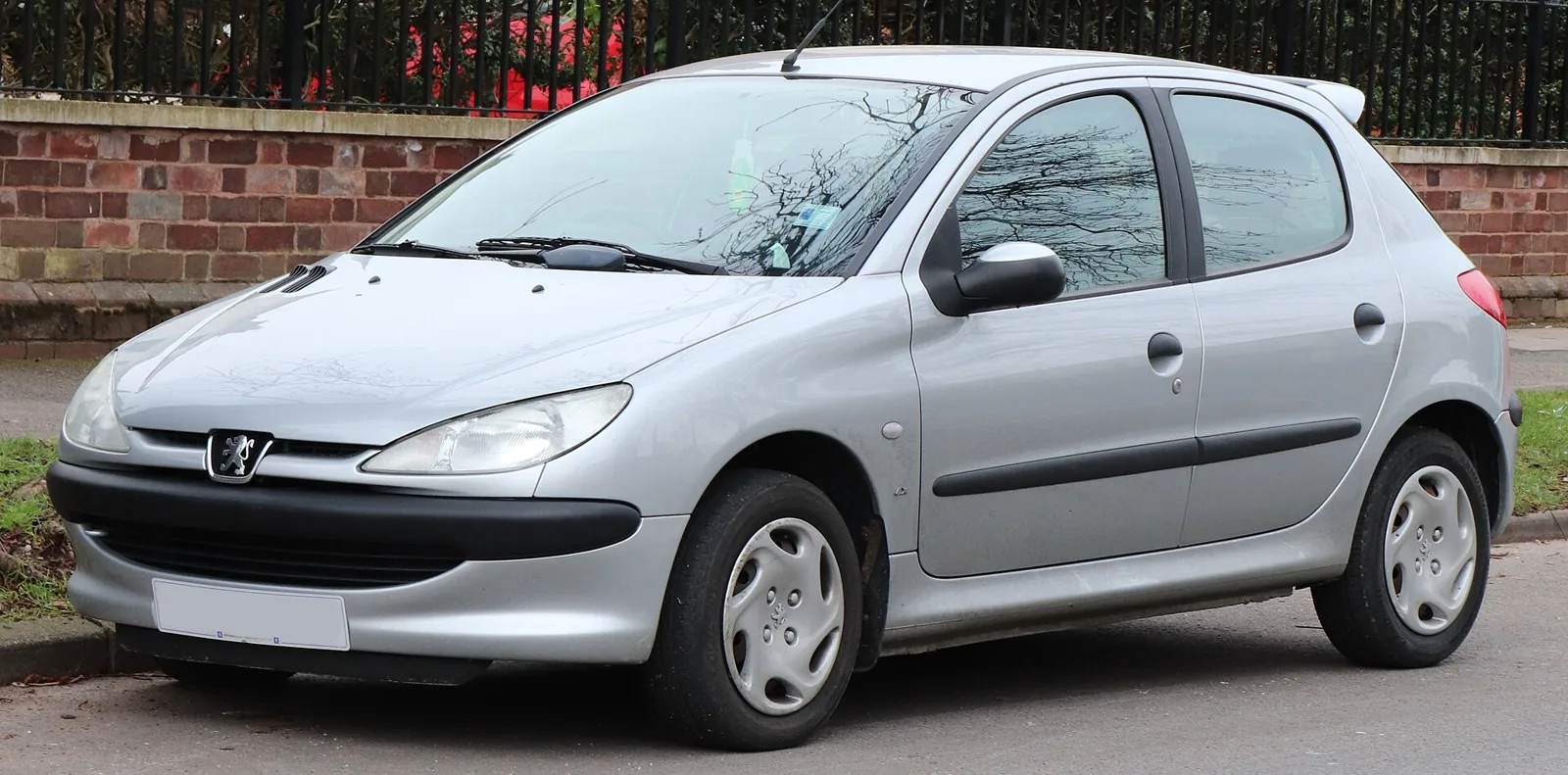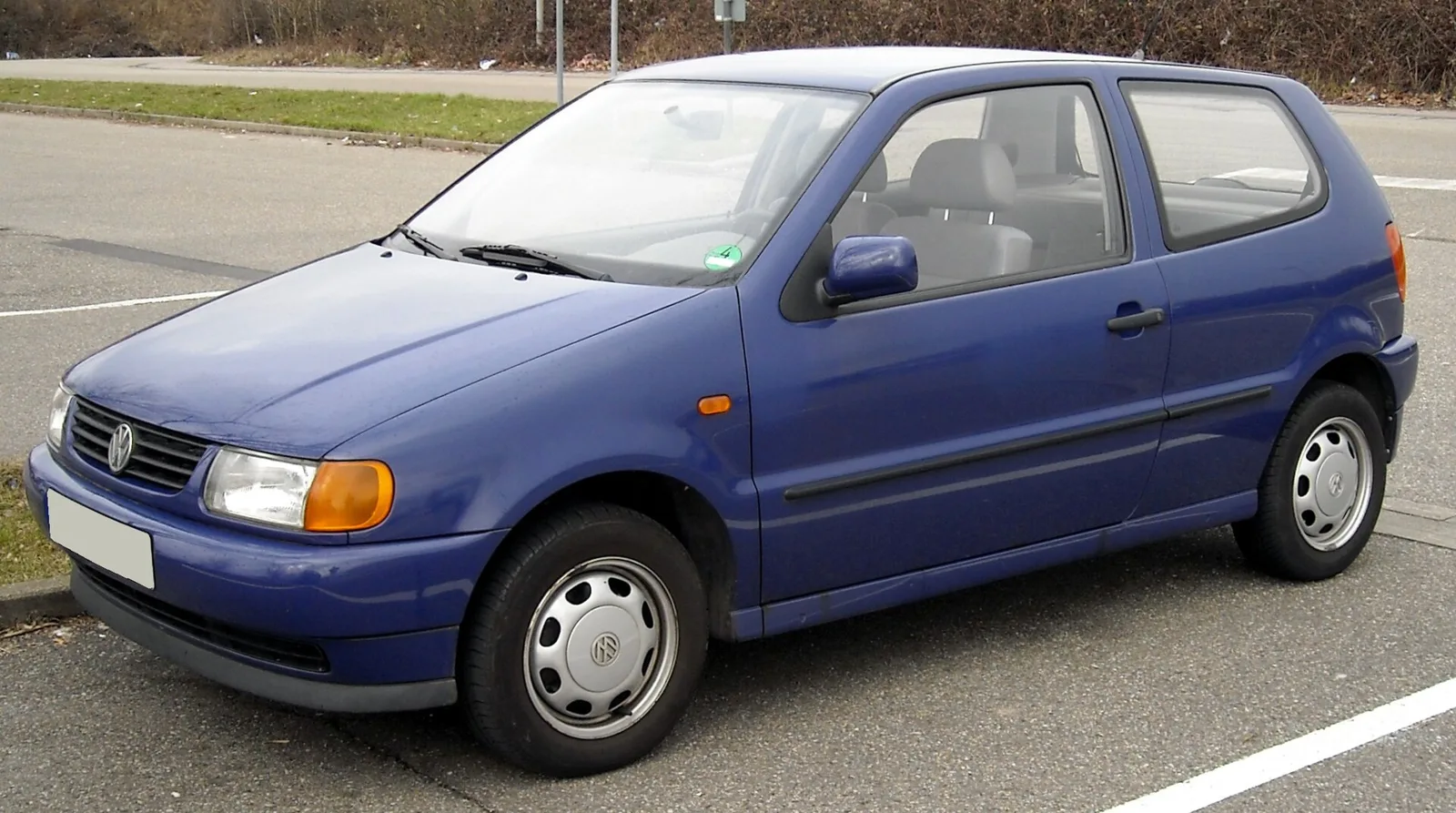
The first Polo offered with five doors, a wide range of petrol and diesel engines and a 125 PS GTI that closed out the decade.
The Volkswagen Polo Mk3 was built from 1994 to 2002 as the first Polo offered with five doors. It used a wide range of petrol and diesel engines and ended with a 125 PS GTI.
The Volkswagen Polo Mk3, Typ 6N with the saloon and estate built as Typ 6KV, was the third generation of the Polo supermini. It was built from 1994 until 2002, and it was the first Polo to offer five doors. A facelift at the end of 1999 modernised the hatchback, and a 125 PS GTI arrived late in the run to close the decade on a sharper note.
How was the Mk3 Polo launched?
The Mk3 was unveiled on 31 August 1994, with left-hand drive cars going to continental markets first. Right-hand cars reached British showrooms that October. The Mk3 was a clean break, the first wholly new Polo since the Mk2 of 1981, although the Mk2 had received a major restyle in 1990.
The platform was all new, but it shared some parts with the SEAT Ibiza Mk2, which had launched a year earlier. The dashboard, several engines and parts of the rear suspension came from the Ibiza, yet the Polo's body panels were entirely its own. That gave the two cars a shared mechanical heart with distinct exteriors.
The first five-door Polo arrived late in the supermini race, but it brought diesel and a broad engine menu with it.
Why did five doors matter for the Polo?
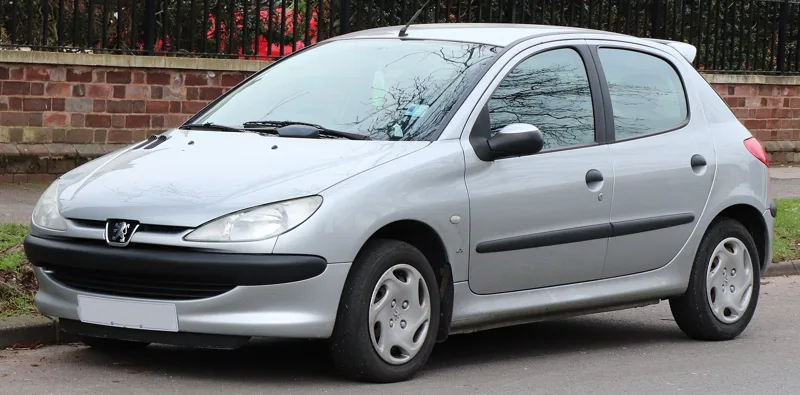
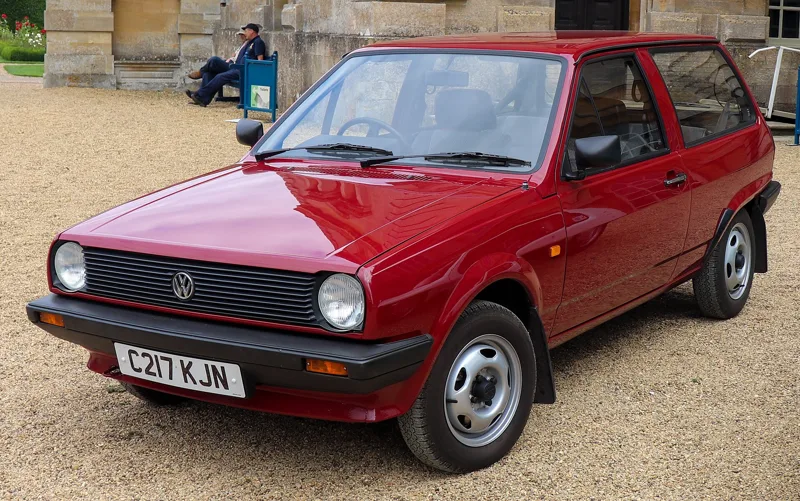
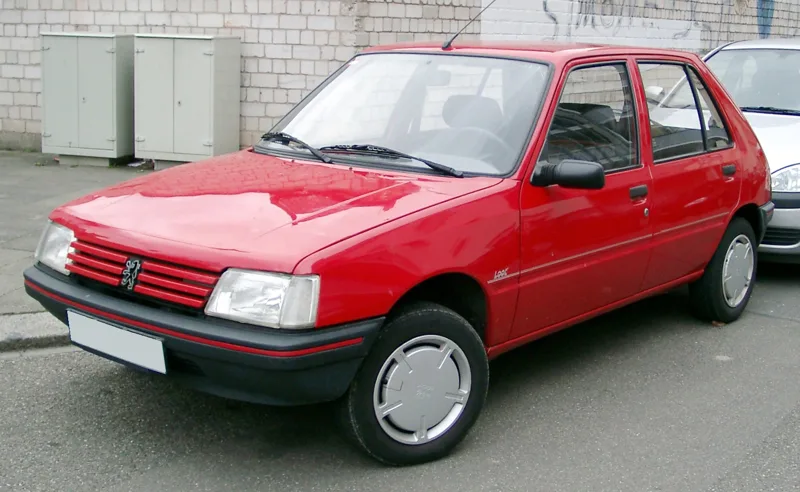
Early Polos were three-door and five-door hatchbacks, and the five-door body was a first for the Polo. Its arrival came late in the segment, because the Ford Fiesta had offered five doors around five years earlier. Rival superminis such as the Corsa, Uno, Micra and 205 had five-door bodies seven to eleven years ahead of the Polo.
The Mk3 also brought the first diesel Polo to the UK market. With petrol and diesel choices in place, the car matched almost all of its competitors, and the five-door body gave families a practical option that the earlier Polo had lacked.
Which engines did the Mk3 Polo use?
Launch engines were all-new 1.0 and 1.6 petrol units. The 1.3 carried over from the earlier Polo but was dropped a year later for a new 1.4, which arrived as a 1.9 diesel and a turbo-diesel version were introduced. The turbo-diesel was the first turbocharged diesel offered in a Polo, although at first it was limited to 6K models.
Engine choices changed through the decade. A 1043 cc unit making 45 PS (33 kW; 44 hp) and a 1272 cc at 55 PS (40 kW; 54 hp) were carried over from the previous Polo, and a 1.4 replaced the 1.3 in October 1995. In September 1996 the 1043 gave way to an all-new aluminium-block 999 cc multi-point injection engine rated at 50 PS (37 kW; 49 hp).
Classic and Variant buyers could choose a 1.6 in 75 or 100 PS form, or a 64 PS 1.9 diesel. The three-door and five-door 6N did not receive a turbo-diesel until the 2000 facelift, because its smaller engine bay could not easily accommodate one.
How well equipped was the Mk3?
The Mk3 was much better equipped than the Mk2 that came before it. Colour-coded bumpers, heated and electrically adjustable mirrors, a four-speaker stereo and pollen filters were common, along with split rear seats, rear head restraints, central locking, fog lamps, alloy wheels and airbags.
The original range ran from the L at the bottom through the CL and GL to the GLX at the top. A later Polo SE, or Special Equipment, borrowed items from higher grades, including GLX bumpers, Sport Rader alloy wheels and tinted rear light clusters. Clear indicators completed its look.
Trims were not the same across Europe. In the UK the names were L, CL, GL, GLX and 16v, which later became E, S, SE and GTi. Each European market had its own set, which differed from the Mk1 and Mk2 approach where trims had matched across the continent.
What were the saloon and estate versions?
In 1995 Volkswagen added a four-door saloon, sold as the Polo Classic, Sedan, Derby or Flight depending on the market, and a five-door estate, called the Polo Wagon or Variant. Internally these were the Typ 6KV. They were badge-engineered, mildly restyled versions of the SEAT Cordoba, and they shared body panels with the SEAT rather than the hatchback.
SEAT built a two-door Cordoba coupe, the SX, but no Polo was ever sold in that form. A convertible was never produced either, although the Polo Open Air offered an electrically sliding full-length sunroof for buyers who wanted more open air.
Which sporting versions did the Mk3 Polo offer?
No sporting model was offered at launch, and a supercharged G40 version never reached production. A GTI reached buyers in 1998, with the run capped at 3,000 cars, all sold in continental Europe. It used a 1.6 16V producing 120 PS (88 kW), sat on 15-inch BBS alloys and reached 100 km/h in 9.1 seconds.
The 16V was introduced to replace the GLX. Its 1.4 16V engine was tuned for 100 PS and became one of the most popular Mk3s among modifiers. It was not a pure sports car, though, and it took 10.6 seconds to 100 km/h with a top speed of 190 km/h (118 mph). The Ibiza sporting model, with its 2.0-litre 16V, was quicker, and the Polo GTI was often judged expensive for the performance it delivered.
Between 2000 and 2002 the sporting range was the 16V and the GTI. The GTI was hatchback only and used a 1.6 16V with variable valve timing that produced 125 PS (92 kW). It was the most powerful Polo the factory had built up to that point, and it looked the part with honeycomb grilles, deeper bumpers and side skirts.
The GTI also carried Climatronic air conditioning, Xenon headlights with washers, a six-disc CD autochanger and a sports interior with leather steering wheel and gear knob. ABS with EBD and an electronic differential lock for traction were part of the package. The car did not receive the six-speed gearbox that went into the Lupo GTI.
What was the Polo Harlekin?
The Harlekin was a limited edition released in Europe in 1995. It had multi-coloured body panels arranged symmetrically The panels mixed Flash Red and Ginster Yellow with Pistachio Green, and Chagall Blue completed the set. It used the 1.4 petrol engine, with Joker-pattern upholstery plus a made-to-order gear knob and wheel.
The run was originally set at 1,000 cars, but around 3,800 were eventually built. The UK received 2,500 of them between 1996 and 1998.
What did the 1999 facelift change?
The facelifted car, known as the Mk3 Phase II or Typ 6N2, was released in 1999. Enthusiasts sometimes call it the Mark IIIF or Mark 5. Hatchbacks received new headlights, bumpers and an interior based on the Lupo's, and Volkswagen claimed that 70 percent of the components were new, even though the body was not fully redesigned.
Power steering, antilock brakes and twin airbags became standard. Saloon and estate cars took the new cabin, but their bodywork changed far less. A three-cylinder 1.4-litre TDI was introduced for the three-door and five-door hatchbacks, which gave the range a more economical engine.
The option list was extensive. Thirty-two models with seven engines were offered, which Volkswagen said made it the widest choice ever for the Polo. The base Comfortline could be ordered with five engines, from a 1.0 with 50 PS (37 kW) up to a 1.9 TDI producing 90 PS (66 kW).
Trendline and Highline cars spanned engines from 60 PS (44 kW) through to the 110 PS diesel. They brought sporty-looking features without the insurance and running costs that came with the GTI. The facelifted GTI used a developed 1.6 16V producing 92 kW (125 hp), with 10 mm lower suspension and 195 mm tyres on 15-inch BBS rims.
How did the Mk3 sell and how was it judged?
Both versions of the Mk3 sold well in the United Kingdom, where they competed with the Fiat Punto and Nissan Micra. When it arrived, many judged it the finest small car in Europe for build quality and upmarket feel. Its ride and handling were not generally rated as highly as those of the Ford Fiesta or Peugeot 206.
Most reviewers picked the 1.4 TDI as the best engine in the range, because it combined reliability, economy and useful power for a small engine. The Mk3 collected a string of awards, including What Car? Car of the Year in 1995 and Best Supermini honours from Top Gear, Which?, Auto Express and Complete Car in the late 1990s.
Where else was the Mk3 Polo built?
Several Asia Pacific markets knew the Polo Classic as the Derby between 1995 and 2002. In China, FAW-Volkswagen rebadged the SEAT Cordoba, and it assembled a version called the City-Golf in 1996, which was also sold in Russia as the Polo Classic S. Philippine buyers could get it from 1996 until 1999.
In Latin America Volkswagen built the Polo Classic in Argentina from 2000, and it was sold as the Derby in Mexico. Brazil received its own CL and GL trims from 1996, which cost more than their European versions because of import tariffs.
How did the Mk3 relate to other models?
The SEAT Ibiza Mk2 shared its platform with the Mk3 Polo Classic and Variant, as did the SEAT Inca and the Volkswagen Caddy panel vans. In South Africa the Polo Playa was a rebadged SEAT Ibiza Mk2, and it was sold instead of the European Polo until the Mk4 arrived. City cars Lupo and Arosa were built on a 6N platform cut back in length.
Specifications
| Specification | Detail |
|---|---|
| Generation | Typ 6N and 6KV, 1994 to 2002 |
| Launch | 31 August 1994; UK from October 1994 |
| Body styles | Three-door and five-door hatchback, saloon, estate |
| Entry petrol | 1043 cc, 45 PS (33 kW; 44 hp), later 999 cc at 50 PS |
| Mid petrol | 1.4-litre, replacing the 1.3 in October 1995 |
| Diesel | 1.9-litre, 64 PS (47 kW; 63 hp); turbo-diesel from 1995 |
| 6N GTI (1998) | 1.6 16V, 120 PS (88 kW), 0 to 100 km/h in 9.1 seconds |
| GTI (2000 to 2002) | 1.6 16V, 125 PS (92 kW), variable valve timing |
| Harlekin | Limited edition of 1,000, around 3,800 built |
| Facelift | 1999, Typ 6N2, 70 percent new components |
| Successor | Polo Mk4, end of 2001 |