A 1973 to 1979 family car built in Bochum, sold in 1.7 million units by Opel, spun off into the Kadett City hatchback and the GT/E coupe, and still loved by drifters.
The Opel Kadett C was a rear-drive small family car built from 1973 to 1979, the fourth Kadett and Opel's version of the GM T-Car. Opel built 1,701,076 of them, with engines from 1.0 to 2.0 litres and body styles that included a hatchback.
The Opel Kadett C was a small family car built by the German maker Opel from 1973 to 1979. It was the fourth generation of the Kadett, Opel's version of the General Motors T-Car, and it was the last small Opel to use rear-wheel drive. Opel built 1,701,076 examples at its Bochum plant before the Kadett D took over.
What was the Opel Kadett C?
The Kadett C was released in August 1973 as the fourth generation of Opel's small family car. It was Opel's share of GM's T-Car programme, and it stayed in production at Bochum until July 1979, when Opel had built 1,701,076 of them.
Of those cars, 52% were exported outside West Germany, mostly to other parts of western Europe. In other world markets, badge-engineered versions of the Kadett C continued under other General Motors brands as late as the mid-1990s.
Its rear-wheel-drive layout also set it apart from many of its small-car rivals.
A rear-drive family car that sold 1,701,076 units and left behind a hatchback, a GT/E coupe and a drifting following.
Why does the Kadett C still have a following?
Despite being out of production since 1979, the Kadett C retains a cult following in Europe, along with its Vauxhall Chevette sister. Enthusiasts value it for drifting, where its conventional rear-wheel-drive layout is prized.
The car is also easy to upgrade with engines from larger Opel models. That makes it a favourite base for tuners.
How did the Kadett C's body compare with the Kadett B?
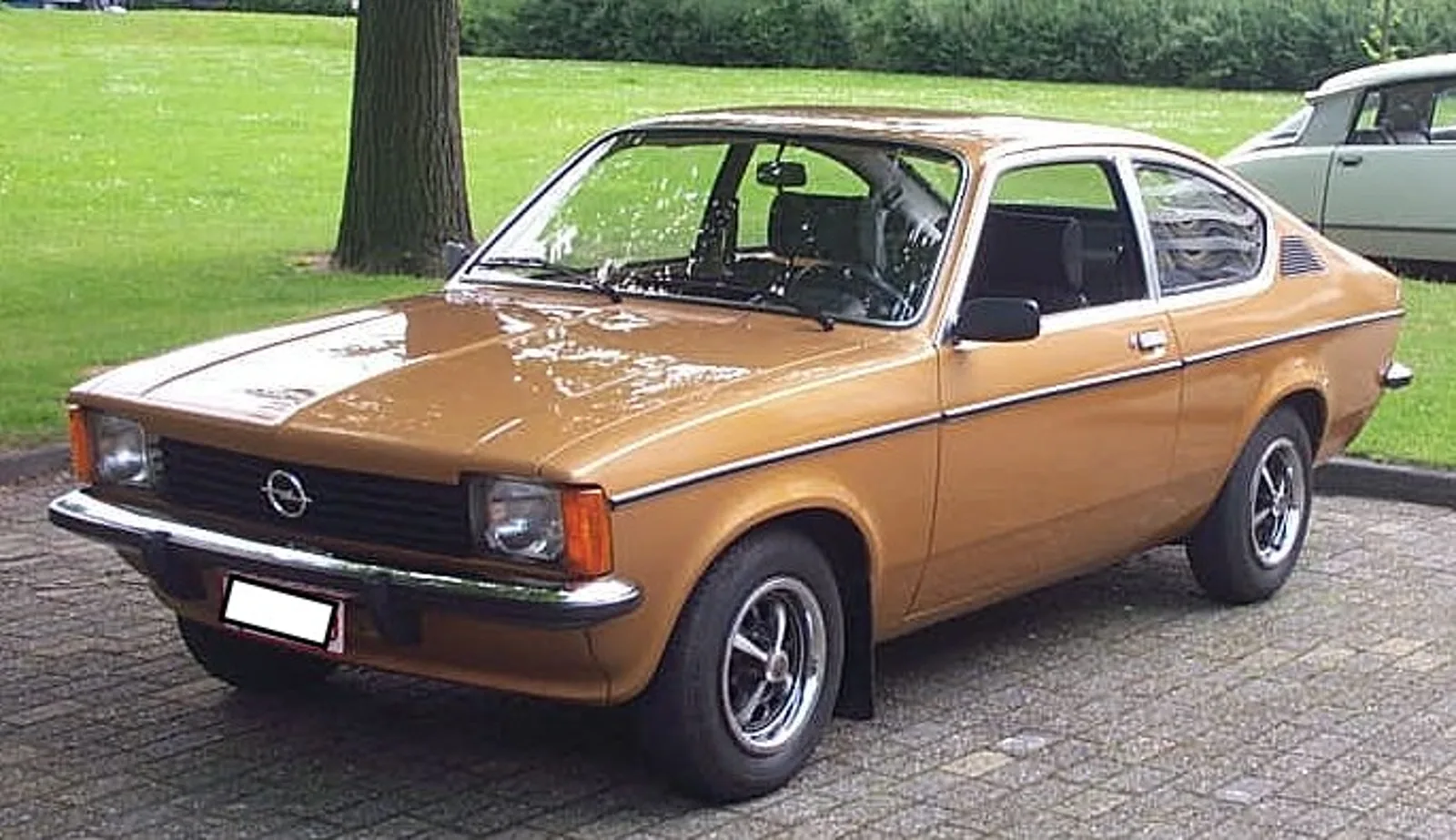
The body of the Kadett C was less lumpy and better proportioned than that of the Kadett B. In overall dimensions the two cars were very similar, so the change was mainly one of appearance.
Most buyers chose the two-door Limousine saloon. In West Germany the small family car market was dominated by Volkswagen, where two doors were still considered sufficient, so the four-door Kadett C became a car remembered as an export special.
The Limousine body accounted for just under 63% of production. The three-door estate, badged in Opel tradition as the Kadett Caravan, made up 11%, and the two-door coupes accounted for slightly under 10%.
Where was the Kadett C's fuel tank placed?
Publicity of the time suggested that the safest place for a fuel tank was above the rear axle, between the passenger cabin and the boot. The Kadett C Limousine and Coupe followed that approach and carried their tanks in that position.
Refuelling was done through a hinged extractor vent on the right-hand C-pillar, which was a surprising spot for a filler. On the Caravan estate the tank was a flatter shape and sat under the rear cargo area instead.
What was the Kadett City?
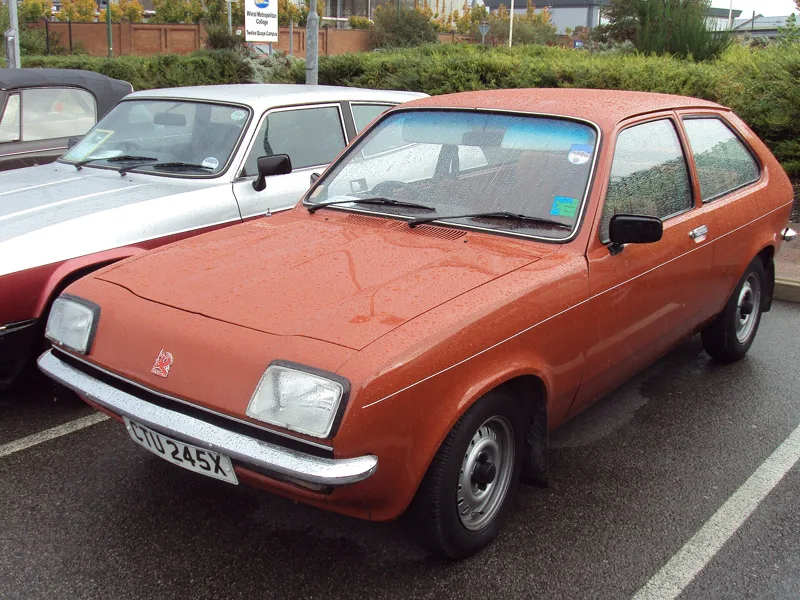
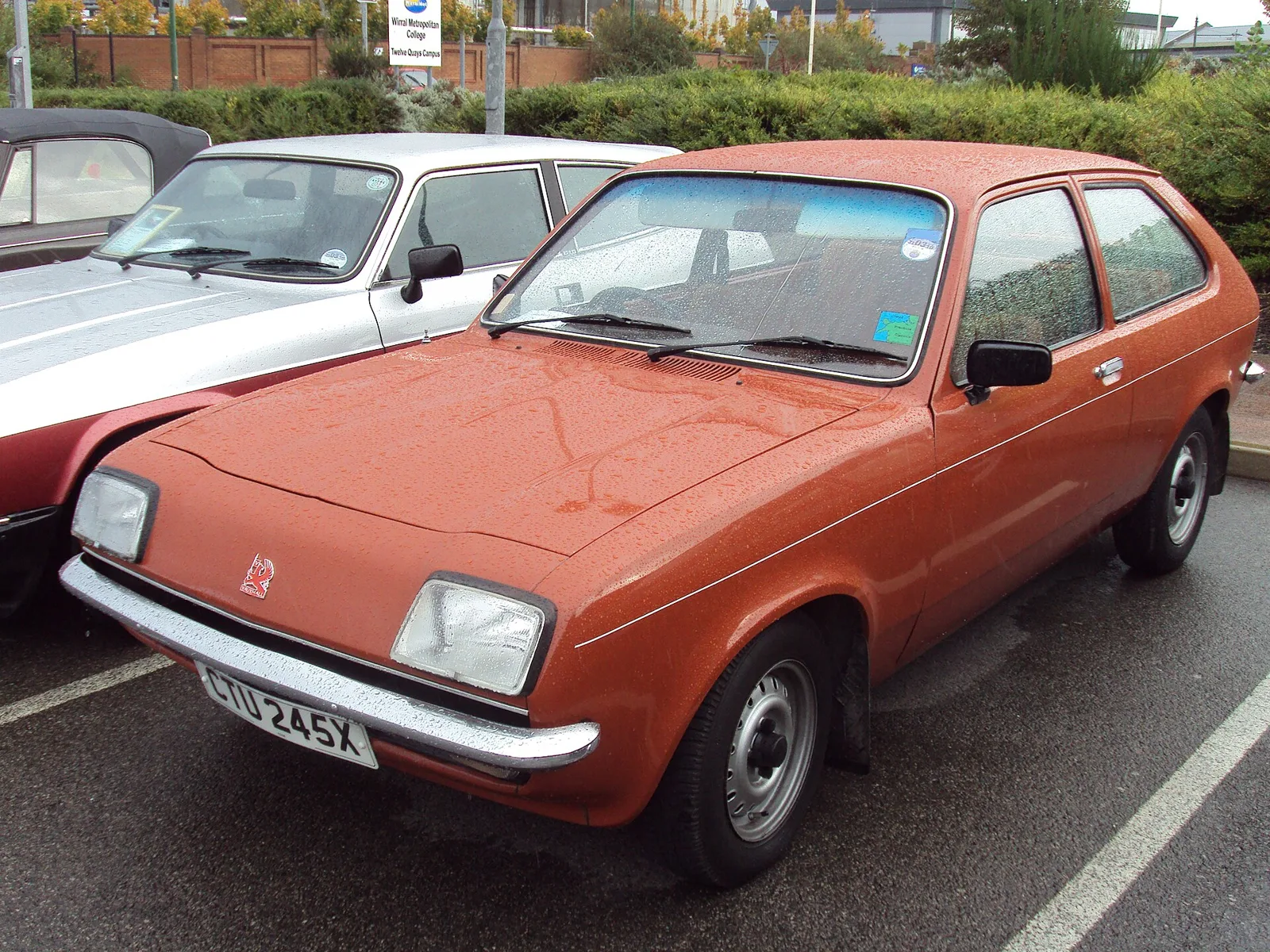
At the end of May 1975 Opel added the Kadett City, a three-door hatchback designed to compete on price with the Ford Fiesta, which was launched in Germany a year later in 1976. It was not competitive on space efficiency, but it gave Opel its first hatchback.
The idea came from Vauxhall's S-car study, but GM folded it into the T-car project for budget reasons. The City first appeared as a Vauxhall Chevette-badged car in 1975, with the Opel version following soon after.
Its unique panels were made at Vauxhall's Ellesmere Port plant and sent to Bochum for assembly. The Kadett City shared the wheelbase of the other Kadett Cs but had a shorter rear overhang, and its rear valance came from the Chevette.
The City's fuel tank held 37-litres against 43-litres for the Caravan. Its rear seats folded forward for a long and fairly open load area. A total of 263,090 Kadett City bodies were produced, which made up more than 15% of the Kadett Cs built by Opel in Germany.
What was the Aero-Kadett?
The Aero-Kadett was an open-top Kadett shown at the Geneva Motor Show in March 1976. It had a targa roll bar, a detachable roof insert and a separate convertible top behind the roll bar, a layout that echoed the Lancia Beta Spider.
Karosserie Baur in Stuttgart built it in limited numbers. Removing the detachable roof parts was a cumbersome process, and the list price was considerably higher than the Volkswagen 1303 Cabriolet. The car struggled to find buyers, and it was withdrawn early in 1978 after 1,242 had been produced.
Which engines did the Kadett C use?
The 1.2-litre engine had become an option on the Kadett B in 1971, and it was the Kadett C's launch powerplant in Germany. The high-compression 1.2S produced 60 PS (44 kW; 59 hp) at 5,400 rpm, with 9.2:1 compression.
The 1,196 cc 1.2N used a lower 7.8:1 compression ratio and produced 52 PS (38 kW; 51 hp) at 5,600 rpm. It was raised to 55 PS (40 kW; 54 hp) in 1976, at the cost of a small loss of maximum torque.
The 1.2-litre unit powered 1,389,940 Kadett Cs, equivalent to almost 82% of the cars Opel built in West Germany and at its Belgian daughter plant.
How did the 1.0-litre engine fare?
From March 1974 Opel added a low-compression 1.0-litre version of the engine. It had 993 cc, a 7.9:1 compression ratio and 40 PS (29 kW; 39 hp) at 5,400 rpm, the same output it had produced when first seen in the Kadett A in 1962.
Performance with the 1.0 was underwhelming for 1974, with a top speed of 127 km/h (79 mph) for the Limousine and 122 km/h for the Caravan. Export markets were offered a more powerful 1.0 S with 48 PS (35 kW) at 5,600 rpm, where the tax structure made it attractive.
After the 1973 oil price shock, buyers in western Europe became far more economy minded. The 1.0 was reserved for Mediterranean countries in the Kadett B, but in the Kadett C it was offered to West German buyers as well. Some 254,723 Kadett Cs used the 1.0 engine, compared with only 10,691 Kadett Bs.
What were the larger engines in the Kadett C?
In May 1977 a smaller version of Opel's Camshaft in Head engine arrived as the 1.6S. It had 1584 cc and produced 75 PS (55 kW; 74 hp), giving a top speed of 160 km/h in saloon bodies.
From September 1975 the GT/E brought back the larger engines, with a 1897 cc unit fitted with Bosch L-Jetronic fuel injection. Its 105 PS (77 kW; 104 hp) at 5,400 rpm was nearly identical to the Kadett B's Hochleistung twin-carburettor engine.
In September 1977 the 1.9-litre engine was replaced in the Rallye by a 1979 cc unit. The Rallye 2.0E produced 110 PS (81 kW; 108 hp) at 5,400 rpm, reached 189 km/h, and it was listed at 9.5 l/100 km (30 mpg-imp; 25 mpg-US).
How was the Kadett C geared and braked?
The four-speed all-synchromesh manual was standard, with a centrally positioned floor lever. A five-speed manual was offered on the GT/E from 1975 and became standard on the 2-litre GT/E in 1977.
On the 1.2S and 1.6-litre cars, buyers could specify the GM Strasbourg Turbo-Hydramatic 180, a three-speed automatic. The cars with the larger engines already had a combination of front disc brakes, rear drums and servo assistance from 1973.
At launch the 1.0 and the lower compression 1.2 had 200 mm (7.9 in) drum brakes on all four wheels. Front discs became standard on all Kadetts from January 1975, and servo assistance became standard from May 1975 on the less powerful cars.
How did the Kadett C change in 1977 and 1978?
The Kadett C launched with standard and Kadett L trim levels. In May 1977 the Kadett Berlina joined them, with the 1.6-litre S engine and a richer interior package, plus a discreet chrome side strip.
The 1977 facelift brought larger, rectangular headlights with the indicators beside them at the front corners. The Opel Blitz logo moved from the leading edge of the bonnet into the grille, and the L models adopted the new lights from May 1977.
The standard cars kept their smaller headlamps until autumn 1978, when the larger lights and turn indicators were applied to the remaining Kadett Cs.
What did the GT/E and Rallye add to the range?
The sporting Coupe GT/E appeared in August 1975, a year before the Volkswagen Golf GTI. It was priced at 12,950 Marks in 1975, about 30% more than the 9,970 Marks listed for a 1.2S coupe, and it offered fuel injection as standard.
The GT/E used the 1979 cc 20EH engine with Bosch K-Jetronic fuel feed and a raised compression ratio, lifting maximum power to 115 PS (85 kW; 113 hp). Bilstein gas-filled dampers were fitted at the rear for a firmer, sportier ride.
The Golf GTI launched with 110 PS (81 kW; 108 hp), using the same Bosch fuel injection system, but it was lighter. The GT/E became the basis for competition cars, and its aggressive two-tone yellow and white paint scheme became one of the car's signature looks.
Production figures show how the sporting models sold. The GT/E totalled 8660 cars between 1975 and 1977, the GT/E 2 reached 2254 between 1977 and 1979, and the Rallye 1.6S and 2.0E accounted for 8549 cars between 1978 and 1979.
How did the T-Car spread around the world?
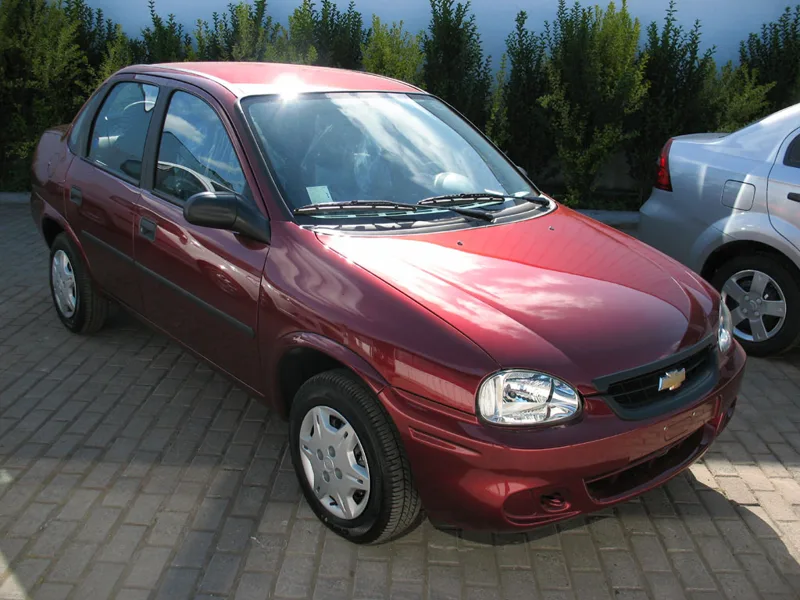
In Brazil the Kadett C was released in 1973 as the Chevrolet Chevette, six months before its European launch. It came with 1.4 L, 1.6 L and 1.0 L engines, and over 1.6 million Chevettes were sold there.
The Brazilian Chevette went through several redesigns and was offered as a hatchback from 1979 to 1987, a three-door estate called the Chevrolet Marajo from 1980 to 1989, and a Chevy 500 pickup from 1984 to 1995. The saloon ran from 1973 to 1993.
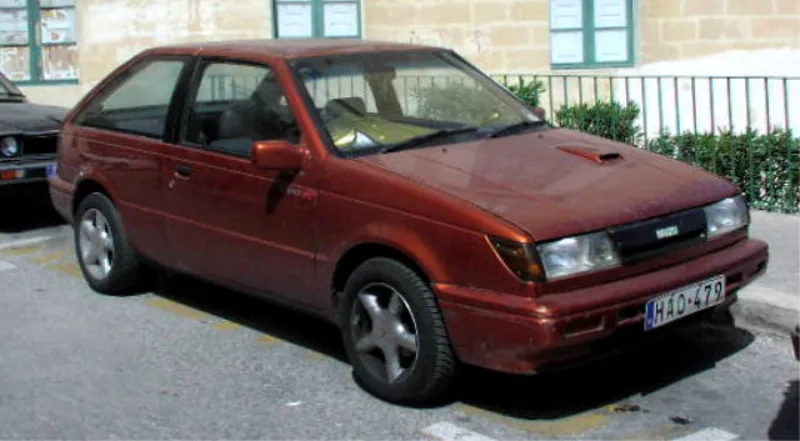
The T-Car was also built in Japan by Isuzu as the Gemini, and in Australia it was sold as the Holden Gemini. In South Korea a version called the Saehan Gemini later became the Daewoo Maepsy, and in the United States the Kadett C reached buyers as the Buick-Opel, which was an Isuzu Gemini.
In Argentina GM built a modified version with a locally developed 1.8 L OHV engine, sold as the Opel K-180 from 1974 to 1979. In Britain the Vauxhall Chevette had a restyled front end and a hatchback body, and it used a 1,256 cc engine against the 1,196 cc unit in the Opel.
How did production of the Kadett C end?
Production of the Kadett C ended in July 1979 to make way for the Kadett D. That car used the GM T80 platform, was front-wheel drive and was sold mainly as a hatchback to compete with the Volkswagen Golf.
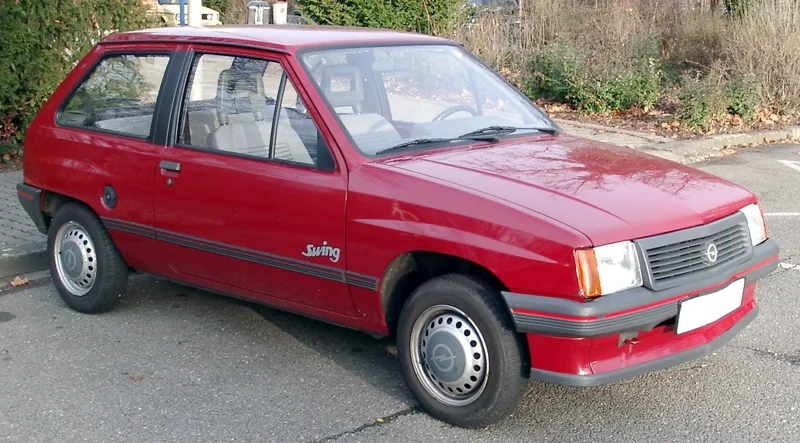
The Vauxhall Chevette, the Kadett C's sister car, stayed in production until 1984 and was sold in Germany simply as the Chevette, for buyers who resisted front-wheel drive. The hatchback City version was replaced by the Opel Corsa A in 1983.
What are the Opel Kadett C specifications?
| Specification | Detail |
|---|---|
| Production years | 1973 to 1979 |
| Launch | August 1973, fourth-generation Kadett |
| Total built by Opel | 1,701,076, 52% exported outside West Germany |
| Plant | Bochum |
| Drive | Rear-wheel drive, the last small Opel to use it |
| Entry engine | 1.2-litre; 1.2S 60 PS (44 kW; 59 hp) at 5,400 rpm |
| 1.0-litre | 993 cc; 40 PS (29 kW; 39 hp) at 5,400 rpm |
| 1.6S | 1584 cc; 75 PS (55 kW; 74 hp) |
| GT/E | 1979 cc; 115 PS (85 kW; 113 hp) with K-Jetronic |
| Rallye 2.0E | 1979 cc; 110 PS (81 kW; 108 hp); 189 km/h top speed |
| Fuel use (Rallye 2.0E) | 9.5 l/100 km (30 mpg-imp; 25 mpg-US) |
| Kadett City fuel tank | 37-litres |
| Kadett Caravan fuel tank | 43-litres |
| Kadett City output | 263,090 bodies built |
| Successor | Kadett D, front-wheel drive, from July 1979 |