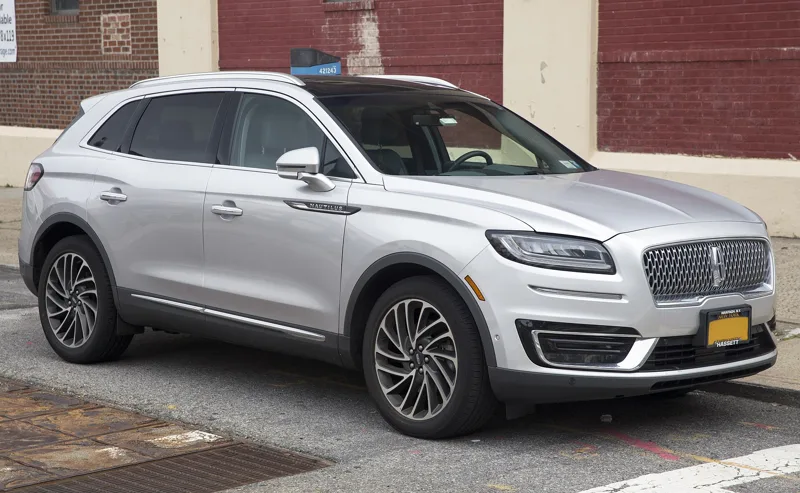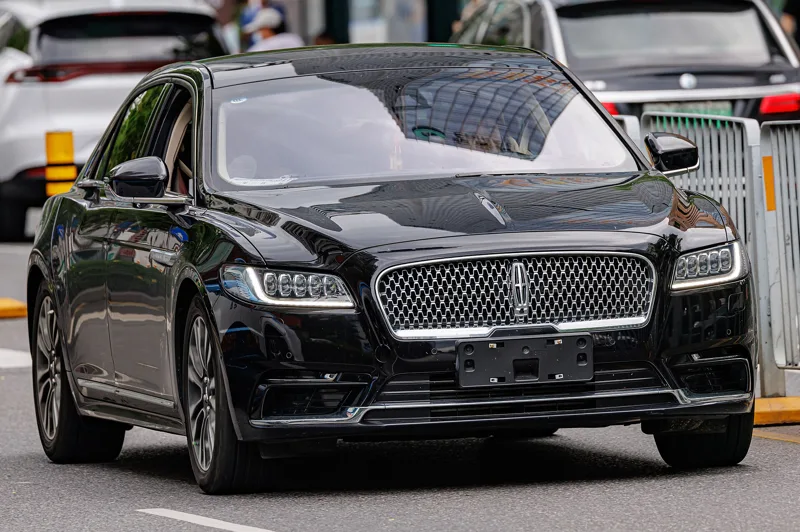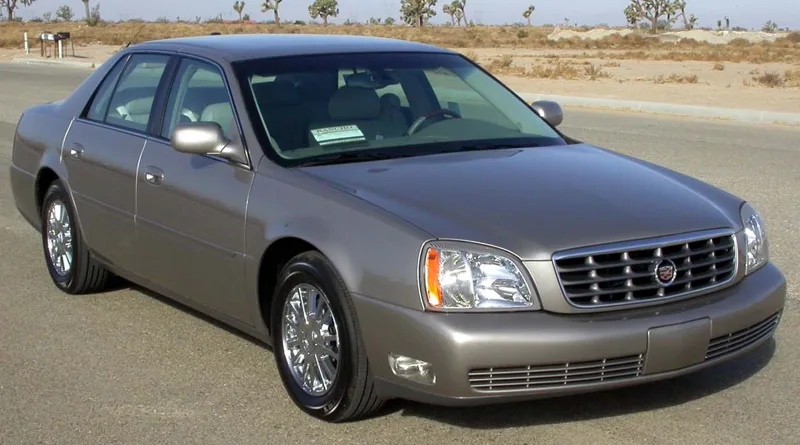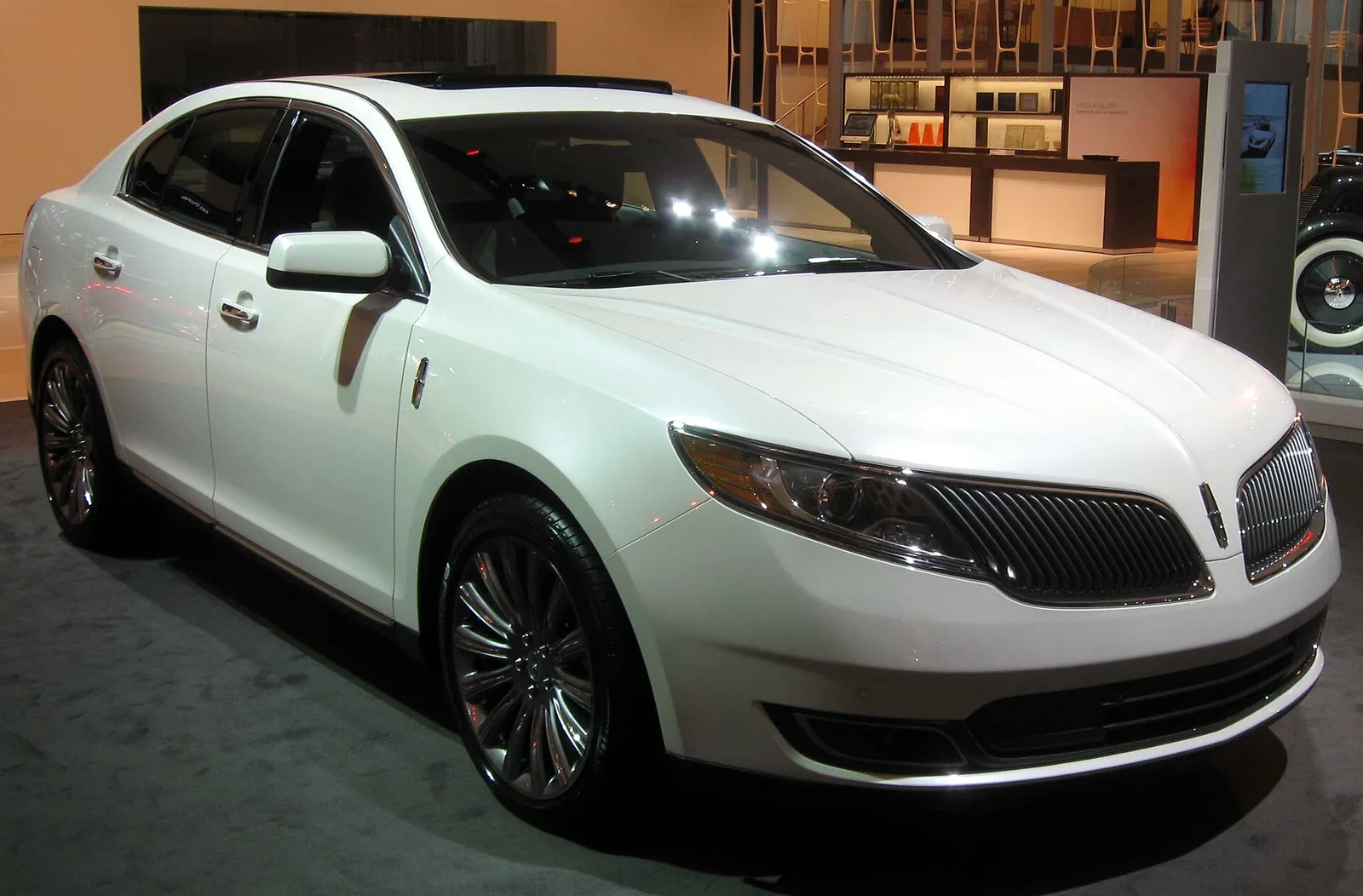
Built on Ford's D3 platform in Chicago, the MKS brought V6 power, wood-and-leather luxury and an optional EcoBoost engine to Lincoln's flagship sedan range.
Lincoln's MKS was a large luxury sedan built by Ford's premium brand between 2009 and 2016, using the D3 platform in Chicago. It came with V6 power, front or all-wheel drive, and a Continental as its successor. Its cabin offered real wood and Scottish leather.
The Lincoln MKS was a full-size luxury sedan that Ford's Lincoln division sold from the 2009 to 2016 model years. Its V6 engines, front-wheel or all-wheel drive and wood-and-leather cabin made it Lincoln's full-size flagship sedan until the Continental replaced it.
Where did the Lincoln MKS come from?
The MKS followed the Lincoln MKR concept, and Lincoln presented the production car at the Los Angeles Auto Show in November 2007. Production started in May 2008, and sales began in June 2008 as 2009 models. The car was built at Ford's Chicago Assembly plant in Illinois.
A concept version came first, shown at Detroit's 2006 auto show. That concept, with a waterfall grille and dual trapezoidal exhaust tips, previewed the design direction Lincoln wanted for its new full-size flagship sedan.
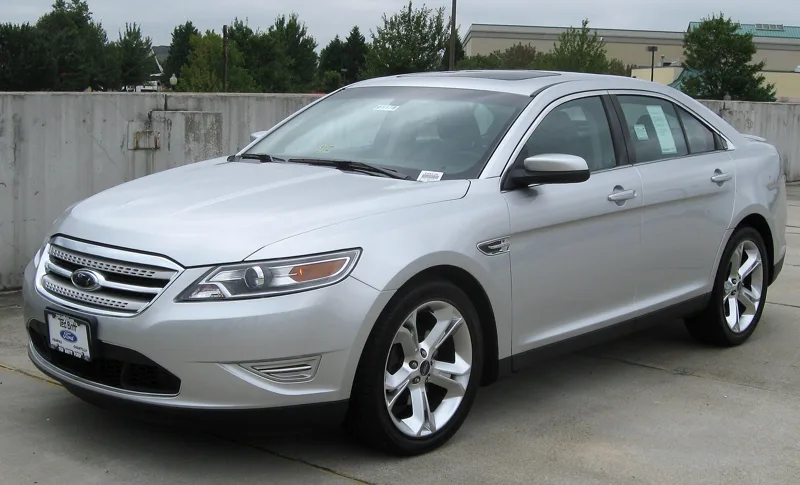
Engineers based the car on Ford's D3 platform, a revised version of the Volvo P2 architecture. The same platform also carried the Ford Flex, the Lincoln MKT and the fifth-generation Taurus, and those cars came off the same Chicago line.
A Ford-platform flagship that brought V6 power, wood trim and Scottish leather to Lincoln's sedan line from 2008 to 2016.
How was the Lincoln MKS engineered?
The MKS used a front-mounted engine with front-wheel drive as standard, and all-wheel drive was optional. Its front suspension used MacPherson struts with a rearward-facing lower arm, and the rear was a multilink coil-over layout.
Lincoln Drive Control, with continuously controlled damping, was available as an option. The car used four-wheel antilock disc brakes, with AdvanceTrac traction control and Roll Stability Control fitted as standard, so the electronics were a major part of the car's stability.
Ford's SPACE system protected occupants in side impacts. It used a hydroformed high-strength steel tube that ran from one B-pillar to the other and along the rocker panels, forming a safety cage in the floor. The system was an adaptation of the side protection used by Volvo.
Active Park Assist arrived in mid-2009 for the 2010 model year. It used ultrasonic sensors to measure a space and then steered the car into it, controlling the electric power steering to do the work.
Which engines did the Lincoln MKS offer?
The launch model used a 3.7 litre Duratec V6 that made 273 hp (204 kW) on regular fuel. A twin-turbocharged 3.5 litre EcoBoost V6 joined the range for 2010. It was rated at 355 hp (265 kW) and was standard on all-wheel-drive cars.
| Engine | Years | Power | Torque | Notes |
|---|---|---|---|---|
| 3.7 L Duratec V6 | 2009 to 2016 | 273 hp (204 kW), peaking at 6250 rpm | 270 lb ft (366 N m) at 4250 rpm | Launch engine, 24-valve DOHC; 275 hp (205 kW) on premium fuel |
| 3.7 L Ti-VCT V6 | 2013-2016 | 304 hp (227 kW) peak at 6,500 rpm | n/a | Base engine after the 2013 revision |
| 3.5 L EcoBoost V6 | 2010-2016 | 355 hp (265 kW) in 2010; 365 hp (272 kW), peaking at 5,500 rpm from 2013 | 350 lb ft (475 N m) | Standard on AWD models for 2010 |
The transmission was a 6F50 six-speed automatic with SelectShift, which simulated the feel of a manual gearbox. The V6 was built to take regular or premium gasoline.
What did the 2013 facelift change?
The 2013 model year brought a facelift that debuted at the 2011 Los Angeles show. It came with a larger trunk opening, a lower liftover height and a licence plate nacelle moved onto the bumper, and the EcoBoost output rose to 365 hp (272 kW).
Inside, the facelift added a revised instrument panel, a digital cluster, touch-sensitive switchgear and Multicontour seats. Wood choices changed to Prussian Burl and Brown Swirl Walnut, and new equipment included self-adjusting high beams, adaptive cruise control, a forward collision warning system and lane-keeping assistance.
The car grew slightly, to 205.6 in (5,222 mm) long. The standard V6 gave way to an upgraded Ti-VCT unit, which made a peak of 304 hp (227 kW) at 6,500 rpm.
Later changes were smaller. A backup camera became standard for 2014, the 2015 deck lid received horizontal chrome trim, and the 2016 final model year featured widely spaced L I N C O L N lettering across the trunk.
What was the Lincoln MKS interior like?
The standard cabin combined leatherette on the dash top with two genuine wood options, chosen according to the leather colour. One was ebony reclaimed from furniture makers, and the other was olive-ash with a grain formed where the roots of two trees grew together.
The leather came from the Scottish tannery Bridge of Weir. The hides were coloured with plant-based dyes and tanned without chromium, producing a softer finish than conventional hides. Standard equipment included 12-way heated and cooled power seats and heated rear seats.
An optional THX audio system used a Configurable Speaker Array and a slot speaker in the centre of the instrument panel. The Ultimate package added suede-trimmed seats and a dual panel moonroof, while the Aluminum Applique package offered aluminium trim instead.
The keypad system SecuriCode sat on the driver's B-pillar, and it allowed tiered or time-restricted access. A code could open the car without allowing it to be driven, and the code could be changed easily.
How did the Lincoln MKS compare with rivals?
Lincoln priced the MKS against European luxury sedans. It was almost the same size as the Audi A8 4.2 FSI quattro, yet it started around $30,000 less than the base A8 and undercut mid-luxury V8 all-wheel-drive models by $10,000.
Car and Driver put an all-wheel-drive example through its paces: 0-60 mph arrived in 7.5 seconds, and the quarter-mile was covered in 15.7 seconds, with the car reaching 90 mph (145 km/h) at the end. The magazine also recorded a weight of 4300 lbs.
A National Post reviewer gave the MKS a positive review in a comparison with the Cadillac STS and Infiniti M45. Critics were less kind about refinement, and they noted that the Ford Taurus shared the same powertrain and many of the same features for less money.
Why did production of the MKS end?
The MKS was replaced by the Lincoln Continental, which had been previewed by a 2016 concept. Domestic production reached 100,248 for the 2009 to 2016 model years, and the car's run ended with the new sedan.
The Chicago Assembly plant kept building the Ford Taurus until March 2019. It also built the Ford Explorer and the Police Interceptor, so the factory continued in production after the MKS had gone.
What options could buyers choose?
Buyers could choose from several packages. The Navigation Package added DVD navigation, and the Technology Package brought adaptive HID headlights and rain-sensing wipers. The Ultimate Package combined both and added a dual-panel moonroof. Options such as all-wheel drive were available too.
Buyers could also add all-wheel drive, machined or polished alloy wheels, plus a PowerCode remote starter and adaptive cruise. The Aluminum Applique Package swapped the wood for aluminium dash trim, and it also brought a leather-trimmed wheel and shifter. It could only be ordered alongside one of the three main packages.
What did the 2006 concept preview?
The 2006 concept previewed several design ideas, including adaptive headlights and a large sunroof-and-moonroof combination in place of a conventional roof. Its headlights pivoted with the steering, and LEDs blinked in sequence to show the turn signals.
Inside, the concept used cream aniline leather, pearl-white suede on the doors and a maple wood applique across the instrument panel. Its audio system had 14 speakers rated at 500 watts, and a passive entry system recognised the driver by the key fob.
Under the skin, the concept used the internal designation D385, active all-wheel drive and a Ford and Yamaha 4.4 litre DOHC V8 producing 315 hp (235 kW) and 320 lb ft of torque at 3000 rpm.