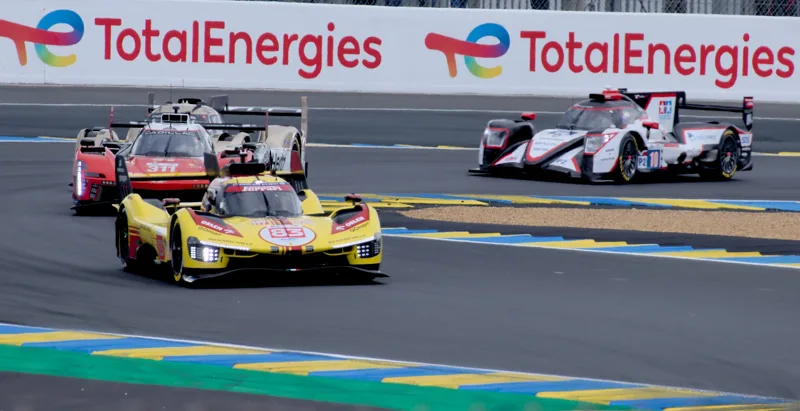
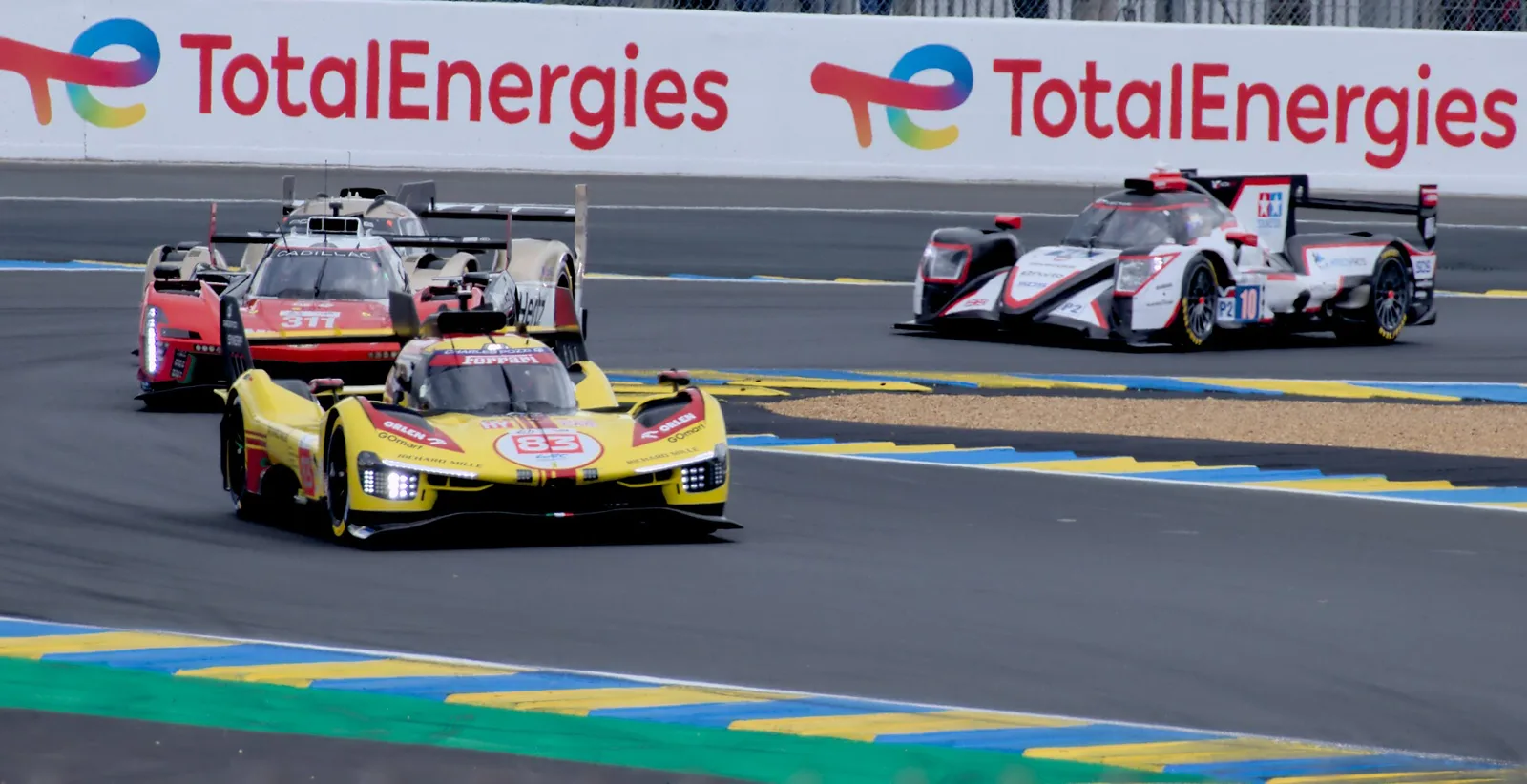
A new Hypercar and LMGT3 era began on 2 March 2024, and the first Qatar round ended in a Porsche one-two-three after the Peugeot was disqualified.
Porsche finished first, second and third in Qatar after the No. 93 Peugeot was disqualified, and a Porsche also won the first LMGT3 race. The event was built around a 1812-kilometre distance and the new Hypercar and LMGT3 rules for 2024.
The 2024 Qatar 1812 km was the first round of the 2024 FIA World Endurance Championship, held on 2 March 2024 as the series' first race in Qatar. The 1812-kilometre target gave the event its name, and it ended with a Porsche one-two-three after the Peugeot that had been running second was disqualified.
Why was the 1812 kilometre race created?
Organisers unveiled the event on 9 June 2023, while the Le Mans weekend was underway. The race was set for 1812 kilometres, or a maximum of 10 hours if that distance was not reached, and the number 1812 refers to the country's national day.
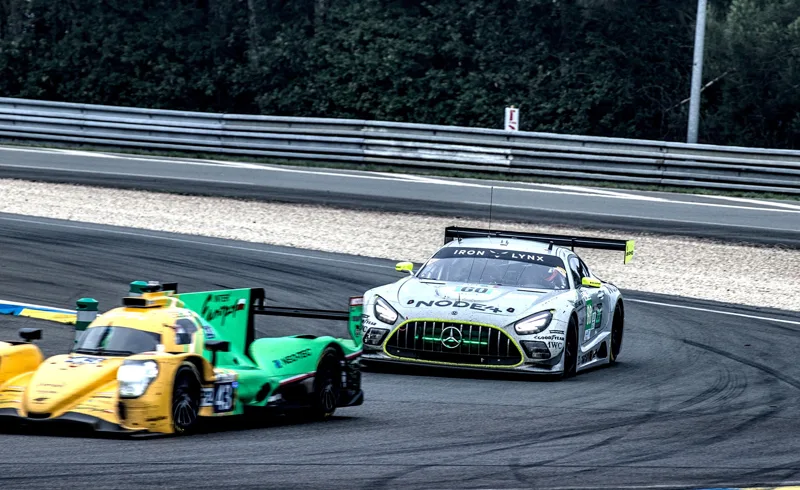
It was also the first WEC event without LMP2 or LMGTE cars. LMP2 was dropped because demand for Hypercar grid slots had grown, and the new LMGT3 class replaced LMGTE Am with largely the same idea as standard GT3 cars, with an optional bodywork conversion kit.
Torque sensors were fitted to all cars to monitor powertrain performance. The LMGT3 class ran a Pro/Am driver structure, and each team had to field at least one bronze driver.
A race built around 1812 kilometres ended with a Porsche one-two-three and one disqualified Peugeot.
How did the balance of performance work for 2024?
The FIA published the Hypercar and LMGT3 balance of performance on 16 February 2024. Every Hypercar received base weight, power and energy values, and the Qatar weights ran from 1030 kg for the Peugeot, which carried no ballast, to 1089 kg for the defending champion Toyota.
The Alpine weighed 1070 kilograms with 510 kilowatts of power, and the Cadillac carried 2 kg of ballast to total 1032 kg with 499 kW. The Isotta Fraschini received 55 kg of ballast to reach 1085 kg, and it had the highest stint energy of all manufacturers at 917 MJ.
In LMGT3 the power gain mechanism was used for the first time. Each car received a positive or negative gain after reaching 200 km/h (120 mph). Lamborghini had the largest decrease at -4.0%, while the Porsche was the lightest car at 1315 kg.
Which teams and cars entered the Qatar round?
The entry list was revealed on 13 February 2024. It included 19 Hypercar entries and 18 LMGT3 entries, and BMW, Alpine, Lamborghini and Isotta Fraschini debuted new hypercars. Glickenhaus and Vanwall missed the full-season Hypercar list. Those entries set the grid that Hyperpole later sorted into order.
Nine manufacturers ran two cars apiece across the whole season in LMGT3, from Aston Martin and BMW through to Porsche. Glickenhaus had already announced it would end its WEC programme before the season finished.
Who was fastest in practice and qualifying?
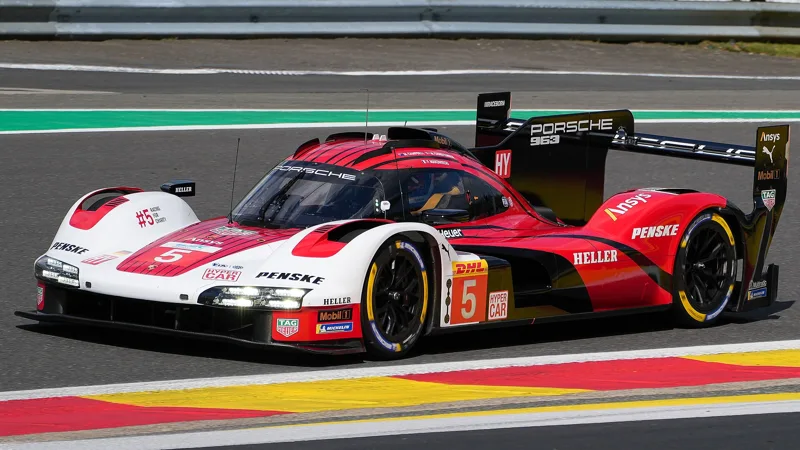
Matt Campbell was fastest in the first practice session in the No. 5 Porsche, Kevin Estre led the second in the No. 6 Porsche, and Alex Lynn was quickest in the final session in the No. 2 Cadillac. In qualifying Campbell took Hypercar pole with a time of 1:39.347.
Hyperpole was used at all WEC races for the first time. In the LMGT3 Hyperpole Tom van Rompuy set the fastest time in the No. 81 TF Sport Corvette at 1:54.372, with Alex Malykhin second in the No. 92 Porsche and Thomas Flohr third in the No. 54 Ferrari.
A problem on the No. 77 Proton Competition Ford meant it set no time in the first LMGT3 qualifying session.
How did the race unfold?
The race started at 11:00 AM AST on Saturday with 37 cars: 19 Hypercars and 18 LMGT3s. The No. 50 Ferrari took the early lead with Miguel Molina, and after 26 minutes the No. 93 Peugeot moved to the front.
Early contact between the No. 59 McLaren and the No. 85 Iron Dames Lamborghini sent the McLaren into the pits for more than 15 minutes. Calado's No. 51 Ferrari was also hit in that exchange, and it needed a replacement in the pit lane, which set off the first full-course yellow.
The No. 5 Porsche pitted with vibration in its right-front, and it later fought back through the field. The No. 11 Isotta Fraschini started from the back after losing power on the formation laps, and it took a 200-second stop-and-go penalty for a technical infringement.
The No. 11 Isotta Fraschini retired after around six hours with suspension problems. The No. 81 Corvette also retired, after a gearshift issue cost it ten laps in the pit lane.
What did the result look like at the flag?
The No. 6 Porsche of Kevin Estre, Andre Lotterer and Laurens Vanthoor won by 33.3 seconds from the No. 12 Hertz Team Jota Porsche. The No. 93 Peugeot had been running second, but it was disqualified for using its ERS system below the minimum speed.
The Peugeot had slowed on the penultimate lap, with Jean-Eric Vergne limping across the track to take the flag. Jean-Marc Finot, Stellantis Motorsport's director, put the problem down to a fuel-flow rate that the team had not expected at the car's final stop.
The No. 5 Porsche finished third, 1.1 seconds behind the No. 12. In LMGT3 the No. 92 Manthey PureRxcing Porsche won the first LMGT3 race by 4.8 seconds from the No. 27 Heart of Racing Aston Martin, and the No. 777 D'station Racing Aston Martin finished third, one lap down.
Why was the No. 2 Cadillac disqualified?
On 28 March the FIA and ACO announced that the No. 2 Cadillac had breached the technical regulations. Dallara accidentally delivered two erroneous parts to the Cadillac crew, which mispositioned the rear diffuser, and the stewards decided that neither Cadillac nor Dallara had acted with intent.
The regulations still required a disqualification, the stewards said. The minimum classified distance was 234 laps, which was 70% of the winning car's distance.
The Cadillac's result was removed from the classification, and the stewards' decision stood.
| Class | Car | Drivers | Gap |
|---|---|---|---|
| Hypercar winner | No. 6 Porsche Penske Motorsport | Kevin Estre, Andre Lotterer, Laurens Vanthoor | Winner |
| Hypercar second | No. 12 Hertz Team Jota Porsche | Callum Ilott, Norman Nato, Will Stevens | 33.3 seconds |
| Hypercar third | No. 5 Porsche Penske Motorsport | Matt Campbell, Michael Christensen, Frederic Makowiecki | 1.1 seconds behind the No. 12 |
| LMGT3 winner | No. 92 Manthey PureRxcing Porsche | Klaus Bachler, Alex Malykhin, Joel Sturm | Winner |
| LMGT3 second | No. 27 Heart of Racing Aston Martin | Ian James, Daniel Mancinelli, Alex Riberas | 4.8 seconds |
| LMGT3 third | No. 777 D'station Racing Aston Martin | Erwan Bastard, Clement Mateu, Marco Sorensen | One lap down |
What happened in the practice sessions?
Three practice sessions came before the race, two on Thursday and one on Friday. The Thursday morning session ended three minutes early after a red flag, and the afternoon session also finished early, so the teams had less running than planned.
The first session was red-flagged three times. The stoppages covered IT problems in race control, a photographer standing in a dangerous area, and Raffaele Marciello beaching the No. 15 BMW in the gravel with three minutes to go. In the second session the No. 11 Isotta Fraschini was beached in the gravel at turn six, and the session was not resumed after the No. 63 Lamborghini stopped.
How did the Hyperpole format work in Qatar?
Hyperpole now decided pole at every round, where earlier it had been reserved for Le Mans. Each class had a 12-minute session, after which the top 10 cars advanced to a 10-minute Hyperpole that decided pole position. The top 10 cars in each class went through to that stage.
Qualifying began at 4:00 PM AST on Friday with the LMGT3 session first and the Hypercars second. In Hypercar, Matt Campbell claimed pole in the No. 5 Porsche, with Nyck de Vries second in the No. 7 Toyota and Callum Ilott third in the No. 12 Porsche.
Which cars suffered technical problems early?
The No. 5 Porsche pitted early with vibration, but it fought back through the field to finish third. The No. 94 Peugeot went to the garage with a battery issue, and the No. 11 Isotta Fraschini visited with a front-left suspension problem.
In LMGT3 the No. 77 Proton Competition Ford suffered a puncture that forced an early stop, and the No. 91 Porsche had its throttle actuator changed. The No. 81 Corvette wasted ten laps in the pit lane because of a gearshift problem and retired later.
How did penalties shape the race?
Several cars in both classes picked up drive-through and stop-and-go penalties, mostly for pit stop infringements and for abuse of track limits. The No. 11 Isotta Fraschini received the biggest penalty, a 200-second stop-and-go for a technical infringement. Track limits and pit stop errors were the main triggers for those decisions.
The stewards were still busy in the closing stages, and decisions remained open after the chequered flag. Finot linked the Peugeot's failure to a fuel-flow rate that was not as expected at its final stop.
Why was the Porsche win a milestone?
The No. 6 Porsche gave Porsche Penske Motorsport its first victory in the World Endurance Championship, with Kevin Estre, Andre Lotterer and Laurens Vanthoor at the wheel. The margin was 33.3 seconds over the No. 12 Hertz Team Jota Porsche.
Porsche completed a one-two-three when the No. 5 car finished 1.1 seconds behind the No. 12. The result gave the manufacturer an immediate place at the top of the new Hypercar order.
Which well-known drivers took part in Qatar?
Jenson Button drove the No. 38 Hertz Team Jota Porsche in the Hypercar class. Valentino Rossi ran third in the No. 46 BMW during the sunset phase of the race, and Mick Schumacher drove the No. 36 Alpine Endurance Team Alpine.
Schumacher's car visited the gravel after a close call with an LMGT3 car in the closing hours, and the battle for the last LMGT3 podium place involved the No. 777 Aston Martin and the No. 46 BMW.
Who set the pace in the final practice session?
Alex Lynn was fastest in the No. 2 Cadillac in the final practice session, with a time of 1:40.667. Campbell was second in the No. 5 Porsche, and Ilott, in the No. 12 Porsche, followed in the top three. Qualifying followed on the Friday afternoon.
In LMGT3 Alex Riberas was fastest in the No. 27 Heart of Racing Aston Martin, setting 1:54.964, and Davide Rigon was second in the No. 54 Ferrari. Simon Mann finished third in the sister No. 55 Ferrari, and one stoppage came when James Cottingham stuck the No. 59 McLaren in the gravel at turn 5.
What were the first practice times?
Campbell led the opening session in the No. 5 Porsche with 1:42.486, and James Calado was second in the No. 51 Ferrari. Kevin Estre followed in the No. 6 Porsche, while Nico Pino set the pace in LMGT3 with 1:55.824.
In the second session Kevin Estre went fastest in the No. 6 Porsche at 1:39.990. Jean-Eric Vergne was second in the No. 93 Peugeot, and Jenson Button's No. 38 Hertz Team Jota Porsche was third. Simon Mann set the LMGT3 pace in the No. 55 Ferrari at 1:55.190.
The Qatar classification set the first results under the new classes, and the balance of performance figures were due to be reviewed through the season as the teams gathered data.