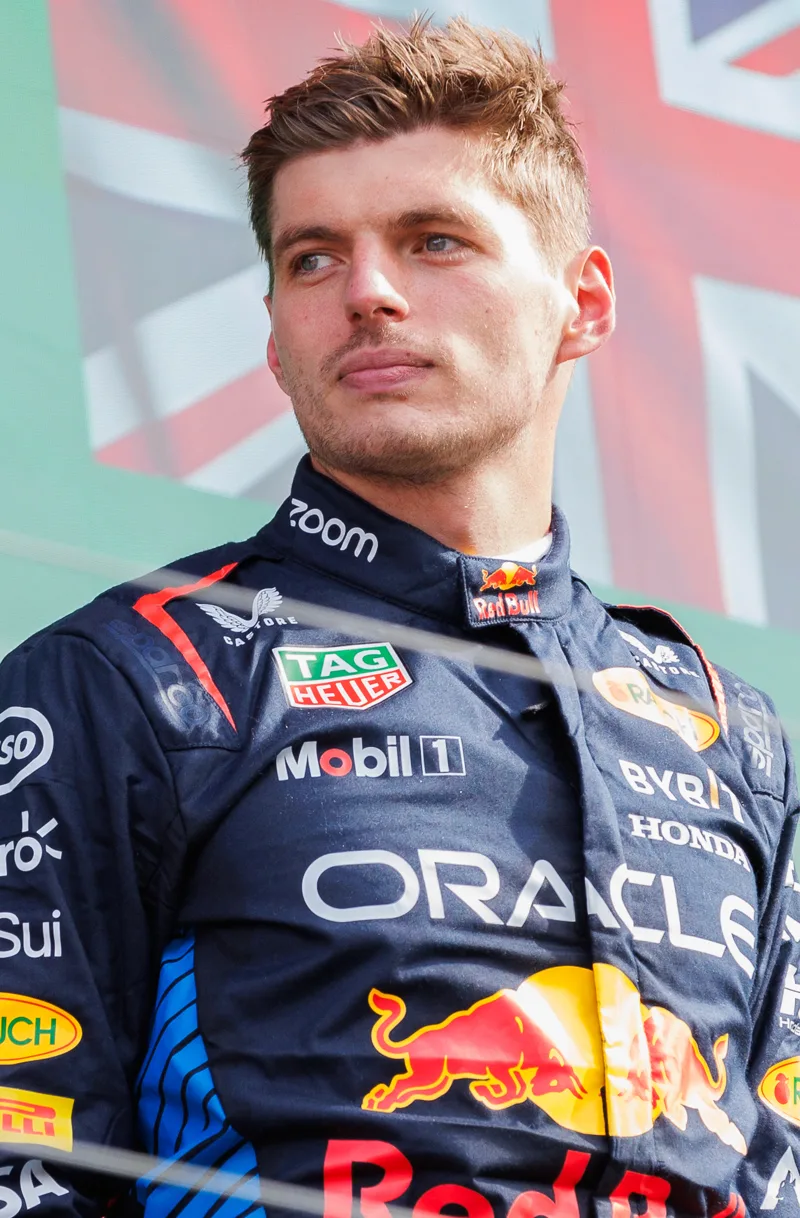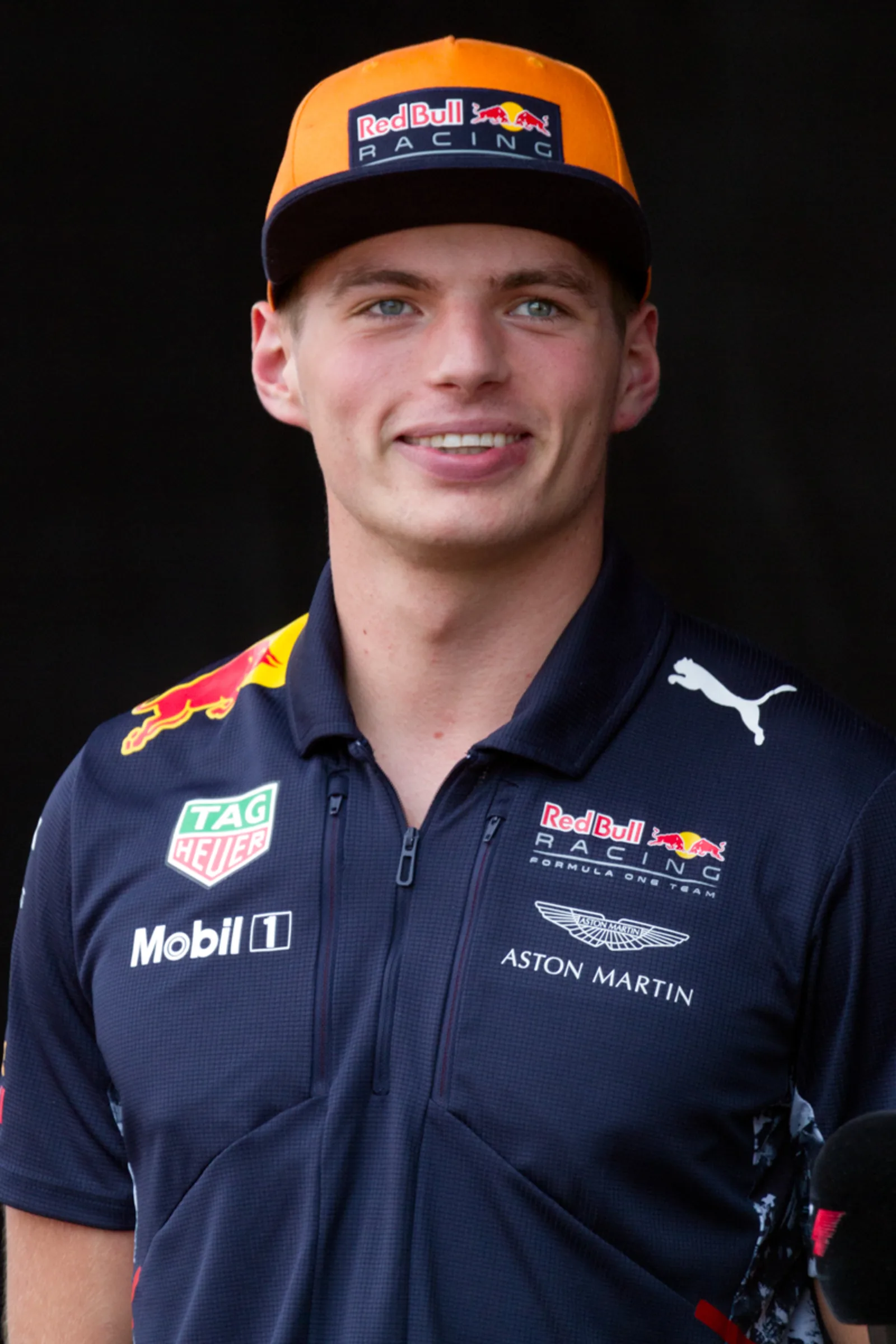
Max Verstappen won 19 of 22 races for a third straight title, while Red Bull Racing took 21 wins and its sixth constructors' crown.
A record 19 Grands Prix went to Verstappen in 2023, and the third drivers' title in a row came in Qatar. Red Bull also won 21 races and reached the constructors' summit at Suzuka.
Max Verstappen won the 2023 Formula One World Championship for a third consecutive year, in the 74th running of the title. The season had 22 Grands Prix from March to November, and Red Bull Racing took the constructors' crown at the Japanese Grand Prix. Verstappen's dominance broke several records, and it left the rest of the grid chasing a team that was barely challenged all year.
Who won the 2023 title?
Verstappen won a record 19 of the 22 Grands Prix and clinched his third straight drivers' title in Qatar, on a Saturday. He also finished on the podium 21 times, which was a record for a single season. His run included a streak of wins that broke the old marks for consecutive victories.
Sergio Perez, his Red Bull team-mate, finished second in the championship, but he was never a consistent challenger for the lead. Verstappen's advantage grew steadily, and by the end of the year he had 177 points more than Perez.
A record 19 wins, 21 podiums and a constructors' title sealed in Japan made Verstappen's 2023 hard to match.
How dominant was Red Bull Racing?
Red Bull Racing won 21 of the 22 races, a team record that equalled a 95.45% win rate. Ferrari was the sole other winner, through Carlos Sainz Jr. in Singapore. That result ended Verstappen's run of wins at the time, and Ferrari's first win since the 2022 Austrian Grand Prix.
Red Bull also set a constructors' record in Hungary, where it won its twelfth consecutive race. That beat the eleven set by McLaren in 1988. The team clinched the constructors' title at Suzuka, its sixth overall and its second in a row, which gave it the title with several races still to run.
What rule changes shaped the season?
The budget cap fell to 135 million US dollars, down from 142.5 million, after the 2022 cap had been raised for inflation. Teams accepted that the FIA could inspect their factories more easily during cost cap audits, and a winter shutdown was also added alongside the summer one.
The FIA also closed a loophole around the so-called special project divisions, which had let teams run applied technology work outside the cap. A technical directive stopped those projects from passing intellectual property into Formula One operations at no cost.
The FIA addressed porpoising, which had become a safety concern in 2022. Floor edges and the throat of the diffuser were raised, the diffuser edge was stiffened, and an extra sensor was mandated to monitor the effect. The aim was to limit the bouncing that drivers had complained about. Lateral floor deflection tests also became stricter.
Other changes covered safety and procedure. A rounded roll hoop became compulsory following the 2022 British shunt involving Zhou Guanyu, and the side-mirrors were enlarged to improve rear visibility. The minimum fuel temperature rule was revised, and a planned weight cut was abandoned.
The sporting rules changed as well. Testing was reduced to three days, sprint weekends were held at six Grands Prix, and a new sprint shootout qualifying session replaced the second practice session on Saturdays. Points rules were also clarified, so that races finished under 75% of their distance used the sliding scale whatever the flag conditions.
How did the driver market change for 2023?
Sebastian Vettel retired at the end of 2022 after 15 full seasons. Fernando Alonso took that Aston Martin seat, having quit Alpine after two campaigns. Oscar Piastri, the 2021 Formula 2 champion, was announced at Alpine before the FIA's Contract Recognition Board ruled that he was free to join McLaren instead.
Pierre Gasly moved from AlphaTauri to Alpine, and Nyck de Vries, the 2019 Formula 2 champion, replaced him at AlphaTauri. Daniel Ricciardo left McLaren after two seasons, and Logan Sargeant replaced Nicholas Latifi at Williams. Sargeant became the first American driver in Formula One since Alexander Rossi in 2015.
How did the opening rounds unfold?
The season's only pre-season test ran in Bahrain from 23 to 25 February. Perez set the fastest time there, while Stroll missed the running after a cycling accident and was replaced by Felipe Drugovich. Aston Martin had planned to use Stroll, so the change left the team with its reserve in the car.
Red Bull locked out the front row in Bahrain, and Verstappen won by eleven seconds from Perez. The result made Red Bull's advantage clear from the first race. Charles Leclerc retired from third with a mechanical failure, and Alonso took the place, while Lance Stroll raced with a broken wrist and toe. Verstappen's early lead was 7 points after one round.
In Saudi Arabia Perez took pole, but Verstappen broke a driveshaft in qualifying and started 15th. He climbed to second by lap 25 and stayed there. Alonso finished third, his 100th career podium, and Leclerc and Kevin Magnussen scored their first points of the season.
Australia brought three red flags, a record for a single race. Verstappen took pole and won, and McLaren and AlphaTauri scored their first points of the year. The result pushed Red Bull's constructors' lead to 58 points.
The Azerbaijan sprint was the first of the season's sprint events. Leclerc took pole for both races, but Perez won the Grand Prix, his second Azerbaijan victory, and Ferrari had its first podium of the year.
What happened in the mid-season rounds?
Verstappen kept winning through the middle of the year. Miami went to him from ninth on the grid, and Monaco followed for his second win there, with Alonso second and Esteban Ocon third, his first podium since 2021. The win came in a race where drivers switched to intermediate tyres in the rain.
- Spain: Verstappen dominated from start to finish, adding a third career grand slam with the fastest lap.
- Canada: Verstappen won Red Bull's 100th Formula One victory, and his 41st win tied him with Ayrton Senna.
- Austria: Verstappen took pole for the sprint and the race, and his fifth consecutive win came from pole.
- Britain: Verstappen won his sixth consecutive race, with Norris second and Hamilton third after a safety car.
- Hungary: Hamilton took his ninth pole there, a record at one circuit, but Verstappen won.
- Belgium: Verstappen won both the sprint and the Grand Prix after a grid penalty.
- Netherlands: Verstappen won from pole, and Gasly took his first podium since 2021 after a penalty for Perez.
- Italy: Verstappen won, breaking Sebastian Vettel's record for consecutive wins with ten.
How did the closing rounds decide the year?
Sainz won the Singapore Grand Prix from pole, his second Formula One win, and it was Ferrari's first win since Austria in 2022. Red Bull had struggled all weekend, and Verstappen and Perez qualified eleventh and thirteenth. Logan Sargeant crashed early, bringing out a safety car that reshuffled the order. The win ended Verstappen's streak of consecutive victories.
Verstappen then took pole and won at Suzuka, which clinched the constructors' title for Red Bull. Perez retired there after a collision, and Verstappen extended his lead to 177 points over him.
The Qatar sprint gave Verstappen the opening he needed. Piastri won the sprint, his first race victory and McLaren's first sprint win. Verstappen then finished in the top six, and he secured his third title on a Saturday.
The United States race saw Verstappen win from sixth after an earlier pole time was deleted. Hamilton and Leclerc were later disqualified for excessive skid block wear. In Mexico City Verstappen won again, a record 16th win in a season, and in Sao Paulo he took his 17th win and held off Norris.
Las Vegas was a messy race. Verstappen and Russell made contact, and the penalty went to Russell, which left Verstappen in front. Abu Dhabi closed the year, with Verstappen on pole and leading most of the race.
How did the constructors finish the year?
Haas started brightly and collected points early, a rare bright spot, but upgrades never fixed its poor race pace, so strong qualifying laps rarely turned into finishes. AlphaTauri went through four drivers during the year, and Yuki Tsunoda was praised for his consistency.
Mercedes finished second in the constructors' table, but its season was labelled disappointing. Russell finished eighth in the drivers' standings. Hamilton finished third in the drivers' standings behind the Red Bull pair, while Russell described his year as one of missed opportunities. Toto Wolff voiced strong criticism of the car's performance.
Ferrari's Leclerc also called the year disappointing, and the team had hoped to challenge for the title. McLaren had begun the season poorly, but an upgrade at Austria lifted it up the order, and Piastri took the FIA Rookie of the Year honour. Aston Martin started as Red Bull's closest challenger before its midseason developments failed to deliver.
Williams finished seventh, up from tenth in 2022, with the new team principal, James Vowles, credited with lifting morale and direction. Alpine finished sixth, short of the fourth place its ambitions had pointed toward. Alfa Romeo fell from sixth to ninth, and Haas finished last. Across the grid, the season showed how far Red Bull had moved ahead of the rest.
Selected results at a glance
| Grand Prix | Winner | Key point |
|---|---|---|
| Bahrain | Max Verstappen | Won by eleven seconds from Perez |
| Australia | Max Verstappen | Three red flags, a record |
| Azerbaijan | Sergio Perez | Leclerc on pole for both races |
| Miami | Max Verstappen | Won from ninth on the grid |
| Monaco | Max Verstappen | Second Monaco win |
| Canada | Max Verstappen | 100th Red Bull victory |
| Hungary | Max Verstappen | Red Bull's twelfth straight win |
| Italy | Max Verstappen | Record ten consecutive wins |
| Singapore | Carlos Sainz Jr. | Ferrari's first win since 2022 |
| Japan | Max Verstappen | Constructors' title clinched |
| United States | Max Verstappen | Won from sixth after a deleted lap |
| Mexico City | Max Verstappen | Record 16th win of a season |
| Sao Paulo | Max Verstappen | 17th win of the season |
| Abu Dhabi | Max Verstappen | Pole and most of the race |