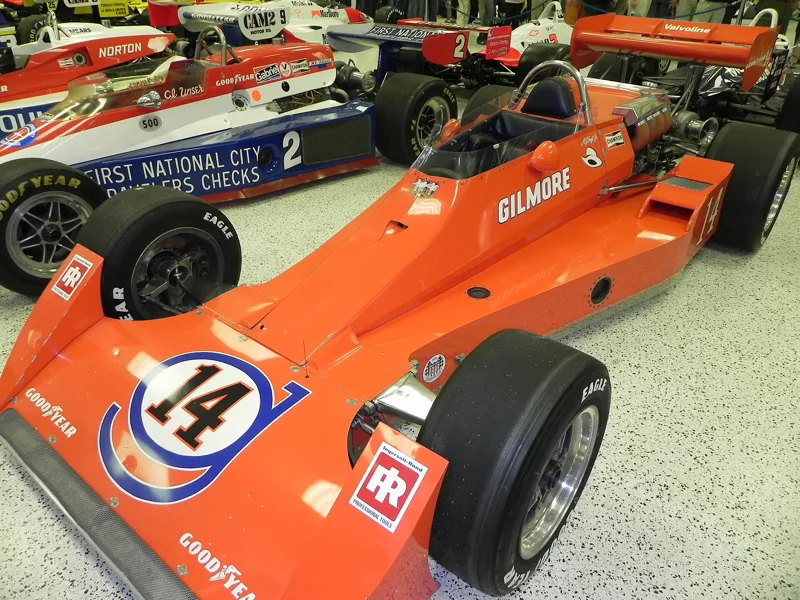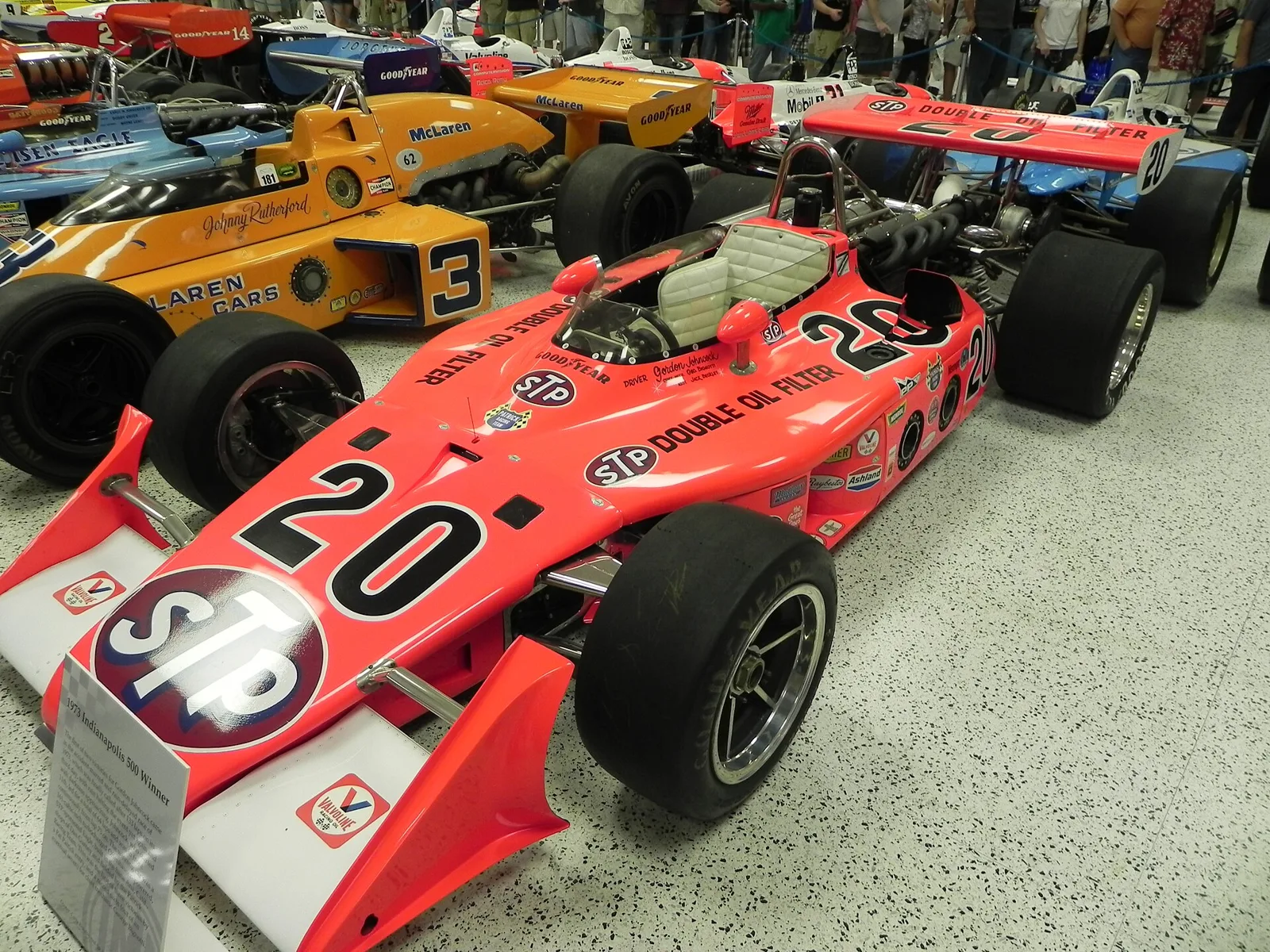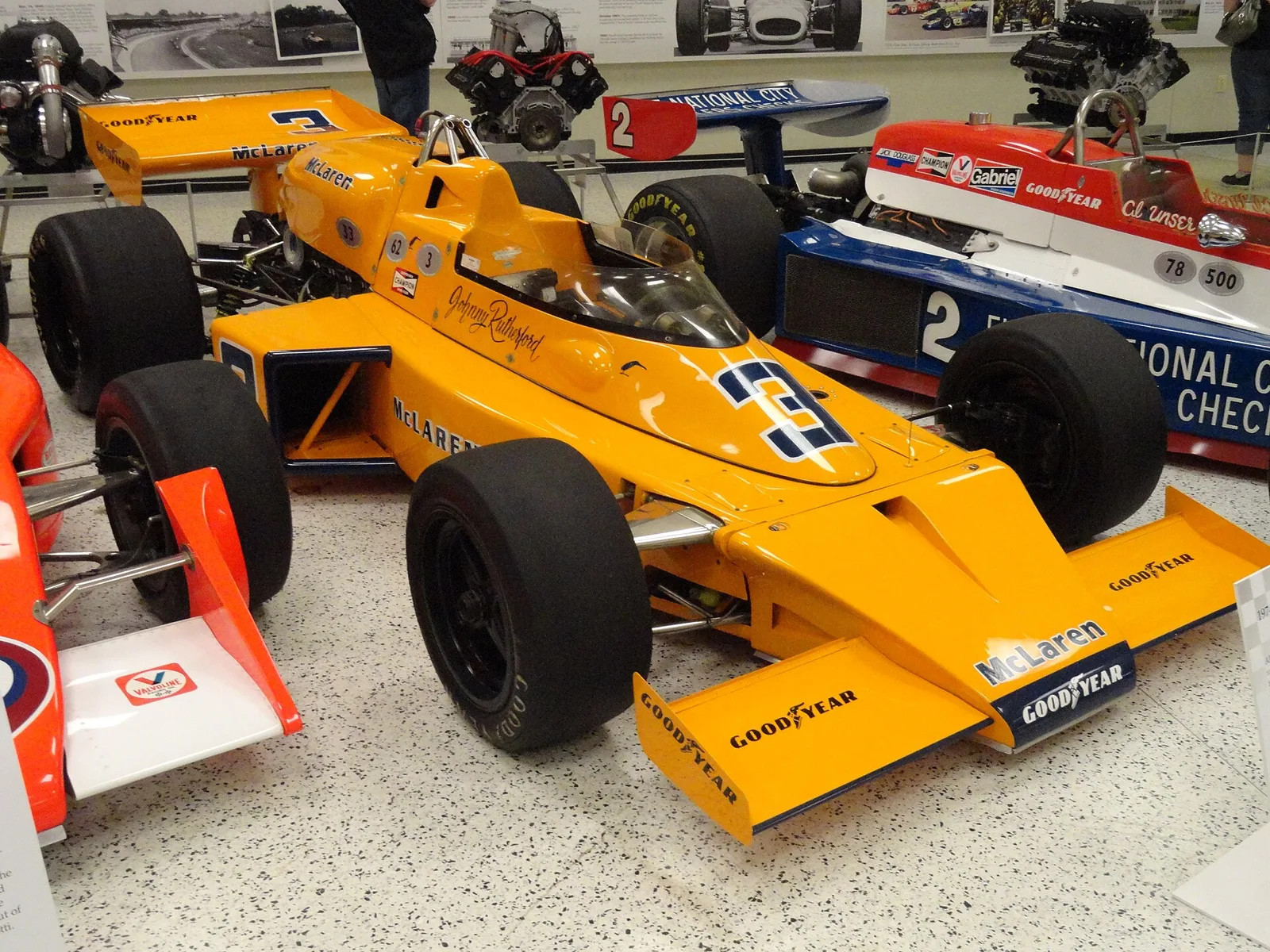
Johnny Rutherford came from 25th on the grid to win a cleaner race, shaped by safety work and rule changes after the deadly 1973 event.
Johnny Rutherford won the 1974 Indianapolis 500 on Sunday 26 May 1974, starting from 25th after qualifying on the second day. It was the farthest back a winner had started since 1936, and the race was far cleaner than 1973 after safety changes.
The 1974 Indianapolis 500 was the 58th running of the race, held at the Indianapolis Motor Speedway on Sunday 26 May 1974. It was a quieter race than the tragic 1973 event, and it was the first time the race had been scheduled for a Sunday. Johnny Rutherford's win from 25th on the grid stood out for its starting position alone.
Who won the 1974 Indianapolis 500?
Johnny Rutherford won the 58th race in his eleventh attempt, starting 25th after qualifying on the second day. He passed Bobby Unser for second on lap 24, took the lead on lap 141, gave it up only briefly during one pit stop, and led the final 24 laps to the flag.
Rutherford's start was the farthest back for a winner since Louis Meyer in 1936. He had turned 190.446 mph on the second day, but as a second-day qualifier he lined up behind the first-day cars.
The win was the first of his three Indianapolis victories. It began a three-year stretch in which he finished first, second and first.
Johnny Rutherford won from 25th on the grid, the farthest back for a winner since 1936, in a race shaped by 1973's tragedy.
What rule changes followed the 1973 crashes?
After the fatal 1973 race, USAC acted quickly. Rear wings were cut from 64 inches to 55 inches, on-board fuel fell from 70 US gallons to 40, and the total race allowance dropped from 375 gallons to 340. By May 1974 the allowance was cut again to 280 gallons, and the rear wings were reduced to 43 inches.
Turbocharger boost was capped at 80 inHG, with pop-off valves required in the qualifying cars. Practice was limited to 300 gallons per car and time trials to 50 gallons, while rookies received a small extra allowance for their tests. The changes brought speeds down by about 8-10 mph from 1973.
Qualifying itself was also tightened. A crew member now stood at the north end of the main straight with green and yellow flags, and a green flag was needed for an attempt to count, while a yellow flag let the crew abort a run in progress.
What changed at the track after 1973?
The pit lane was widened and lengthened by about 856 feet to the north. The inside wall between turn four and the pit entrance was moved inward, and asphalt replaced grass in that area, giving cars an easier route into the pits.
Retaining walls were heightened to one common level, an extra fence line was added, and some rows of seating beside the main straight were taken out. Tom Binford, the new chief steward, asked for an elevated flagstand and officials' booth above the outside wall at the start and finish line, which moved the flagging duties away from the pit lane.
Speedway officials also responded to the death of pit crew member Armando Teran in 1973. Safety trucks were barred from driving against the flow of race traffic, a change made in response to Teran's death.
Why was the 1974 schedule cut back?
The 1974 race came in the middle of the energy crisis, and USAC removed a week of practice from the schedule. The track opened three weeks before the race, time trials were cut from four days to two, and pole day moved to the Saturday two weeks before the race.
Track management was unwilling to cut the 500-mile distance, but it agreed to curtail other activities voluntarily. NASCAR cut its race distances by 10% in the first half of the year, and the 24 Hours of Daytona and the 12 Hours of Sebring were cancelled outright.
Many of the changes proved popular and were kept. Time trials were the exception and returned to four days for 1975. The track also opened around noon rather than 9 a.m., so drivers practised in the same hours they would use for qualifying and the race.
How did time trials decide the grid?
Rain disrupted the two-day qualifying plan. A. J. Foyt drew first in the order and posted 191.632 mph, which put him on the provisional pole, while Wally Dallenbach took second at 189.683 mph with an oversized turbocharger that some rivals said the standard pop-off valves could not control.
USAC ruled that Dallenbach had to race with the same turbocharger he qualified with, a decision that ruled out swapping in a smaller, more fuel-conservative unit for the race. Only nine cars completed attempts before rain halted qualifying at 12:25 p.m. When the track reopened at 3:35 p.m., five more cars ran before the rain returned and the track closed at 4:20 p.m.
Al Unser and Johnny Rutherford both suffered blown engines in morning practice on pole day. Both teams changed engines, but USAC ruled that they were not in line at 11 o'clock and so were ineligible for the pole round. Both drivers had to qualify on the second day.
On the second day of the pole round, Gordon Johncock ran 186.287 mph and Mike Hiss qualified third at 187.490 mph. Mario Andretti finished fifth, and Foyt held the pole when the round closed at 12:30 p.m., with the field at 24 cars. Rick Muther, Bob Harkey and Rutherford then filled the grid.
What happened on Bump Day?
The final hour of qualifying was chaotic, with a long line of cars in the pit lane. Johnny Parsons made a second attempt before other drivers had made their first, and he bumped Jigger Sirois out with nine minutes left. Jan Opperman then qualified 32nd, bumping Denny Zimmerman.
USAC refused to extend time trials past the 6 o'clock gun, and several cars were still waiting in line when it sounded. Owners of nine cars that never got an attempt protested the result and later filed a civil suit. The protest dragged on through the week and was eventually dismissed.
How did the race unfold?
Wally Dallenbach led into turn one from the middle of the front row and set a race record for one lap, 191.408 mph, on lap 2. He then broke a piston and stopped on lap 3. Foyt took the lead, and Rutherford began his climb, running third by lap 23 and passing Bobby Unser for second on lap 24.
Attrition was high early. Mechanical trouble ended the day for eight cars before lap 11, and Rutherford stayed in contention. Around lap 50, the teammates Johncock and Krisiloff both ran dry, and Bobby Unser also ran out and lost time in a 39-second stop.
A caution for Larry Cannon's stall came out on lap 62, and Under that yellow, Foyt's 53-second stop handed Rutherford his first lead, on lap 65. Jimmy Caruthers' engine failed just after the green returned on lap 68, dropping oil on track, and the green lasted only three laps.
Rutherford's timing also helped. On a green-flag stop around lap 90 he pitted just before a caution for Jan Opperman's spin, which let him pit with little time lost.
Jerry Karl crashed in turn three after 115 laps. When the field restarted, Foyt passed Rutherford in turn two. On lap 138 Foyt moved ahead again, but he was black-flagged for leaking oil shortly after and retired with a broken turbocharger scavenger pump.
Al Unser retired on lap 131 with a broken valve. Rutherford took the lead on lap 141 and held it, with Bobby Unser 15 to 20 seconds behind. A close call in turn one came when Pancho Carter spun beside Rutherford while he was lapping traffic, but all three cars continued.
What made Rutherford's win stand out?
Rutherford gave up the lead only once more, during a pit stop on lap 176, and he led the final 24 laps. David Hobbs finished fifth, which was the only top-ten finish by a foreign driver at Indianapolis in the 1970s, apart from Mario Andretti, an Italian-born naturalised US citizen.
Foyt's streak was notable too. His 17th consecutive start broke the record of 16 held by Cliff Bergere and Chet Miller, and he went on to make 35 consecutive Indianapolis 500 starts between 1958 and 1992.
Immediately after the finish, fans poured onto the active track in turn three. The steward halted the race rather than allowing the usual five minutes for the other cars to finish, a custom that had been in place since 1964. A similar incursion followed Foyt's fourth win in 1977, and the rules were changed so that the race ended as soon as the winner crossed the line.
How was the race broadcast?
The IMS Radio Network carried the race live to about 1,200 affiliates and carriers. Sid Collins was chief announcer, Fred Agabashian was driver expert, and Lou Palmer reported from victory lane after a 45-minute pre-race show. The radio crew had five pit and garage reporters for the first time, because the pit road had been lengthened.
Paul Page debuted as a pit reporter, and Bob Forbes continued as the wireless roving reporter.
The radio line-up also changed. Mike Ahern left the crew, and Ron Carrell shifted from turn three to turn one. Doug Zink took over turn three, and the rookie Jerry Baker made his debut on the backstretch.
On ABC Sports, the race was carried on a same-day tape delay. Jim McKay was the announcer, and Jackie Stewart was in Monaco for the grand prix, though he had filmed features during qualifying before leaving. Sam Posey was brought in as the booth analyst.
Key figures for 1974
| Measure | Detail |
|---|---|
| Date | Sunday 26 May 1974 |
| Winner | Johnny Rutherford, from 25th on the grid |
| Pole | A. J. Foyt, 191.632 mph |
| Field | 33 cars after Bump Day |
| Winner's leading laps | The final 24 |
| First lead for Rutherford | Lap 65 |
| Race fuel allowance | 280 gallons by May 1974, down from 375 |
| Hobbs | Fifth place |