How the race returned after World War I, why it moved off Memorial Day and how Howdy Wilcox won the Liberty Sweepstakes.
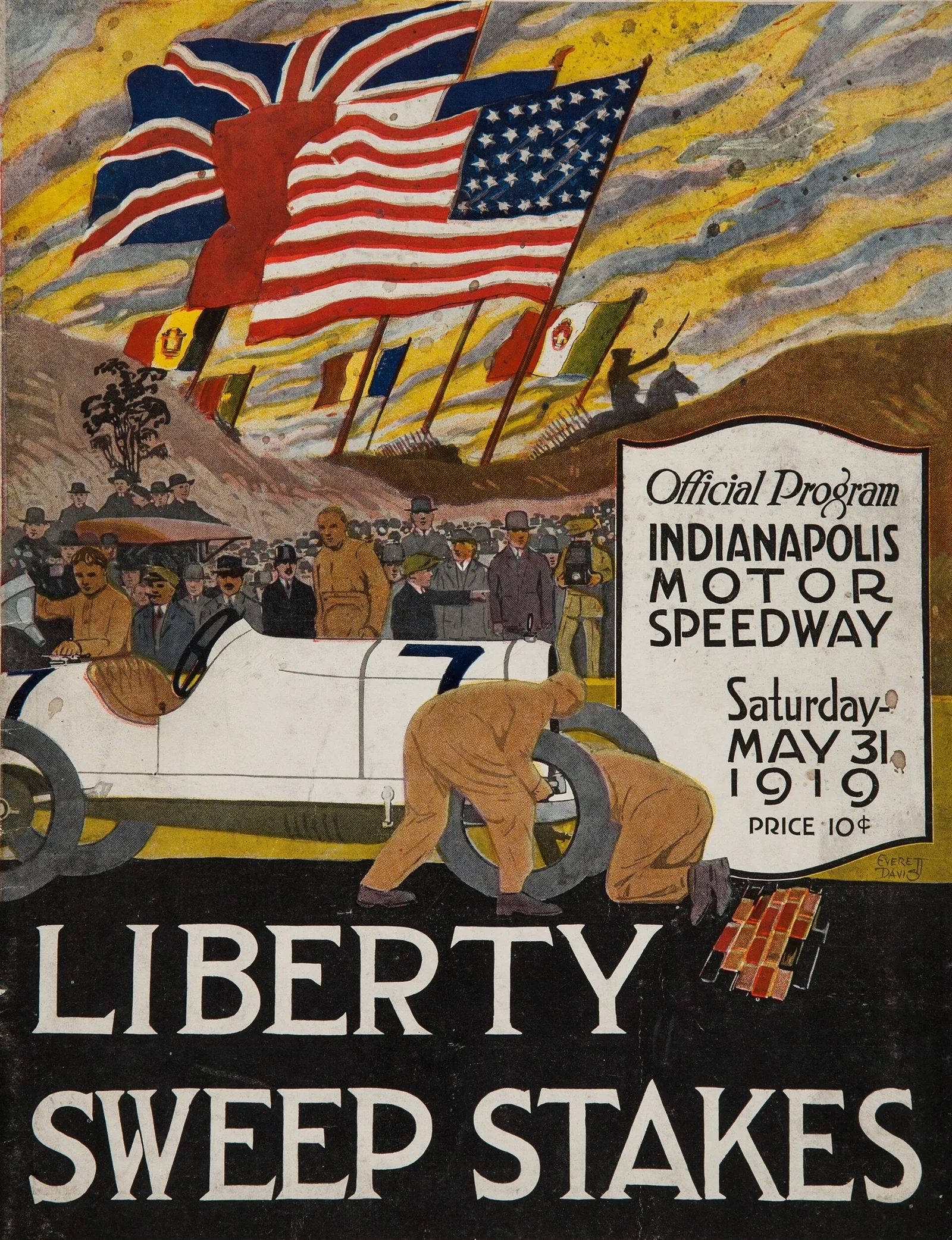
Howdy Wilcox won the 1919 Indianapolis 500 on May 31, 1919, covering 500 miles with riding mechanic Leo Banks. It was the first race after World War I, run under the Liberty Sweepstakes name, and three competitors were killed in the first half.
The 1919 Indianapolis 500 was the seventh running of the race, held on Saturday, May 31, 1919, after a two-year hiatus caused by World War I. Howdy Wilcox won the 500 miles event, but the race is equally remembered for three competitors killed in two accidents during the first half.
Why was the race held on May 31?
The race was first set for Friday, May 30, the traditional Memorial Day date, a choice announced on December 6, 1918. An Indianapolis News editorial criticised that choice, and the Speedway moved the race to Saturday, May 31, to leave the holiday for war casualties.
T.E. Pop Myers made the original announcement. The holiday was seen as a time to honour the dead of the war, and the move to Saturday reflected that view rather than any change in the race itself.
The race was also returned to its full length. The 1916 race had been scheduled for 300 miles, and the 1919 event went back to 500 miles,.
A race moved off Memorial Day, returned after war and won by Howdy Wilcox from lap 103 to the flag.
What did the war do to the Speedway?
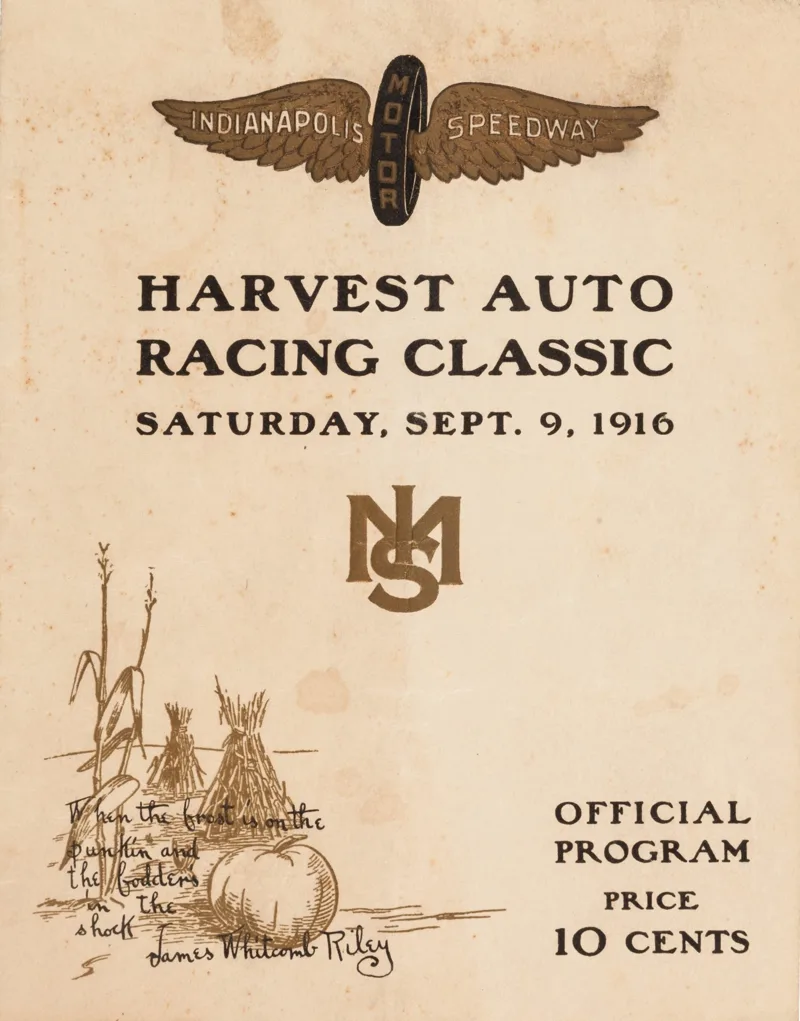
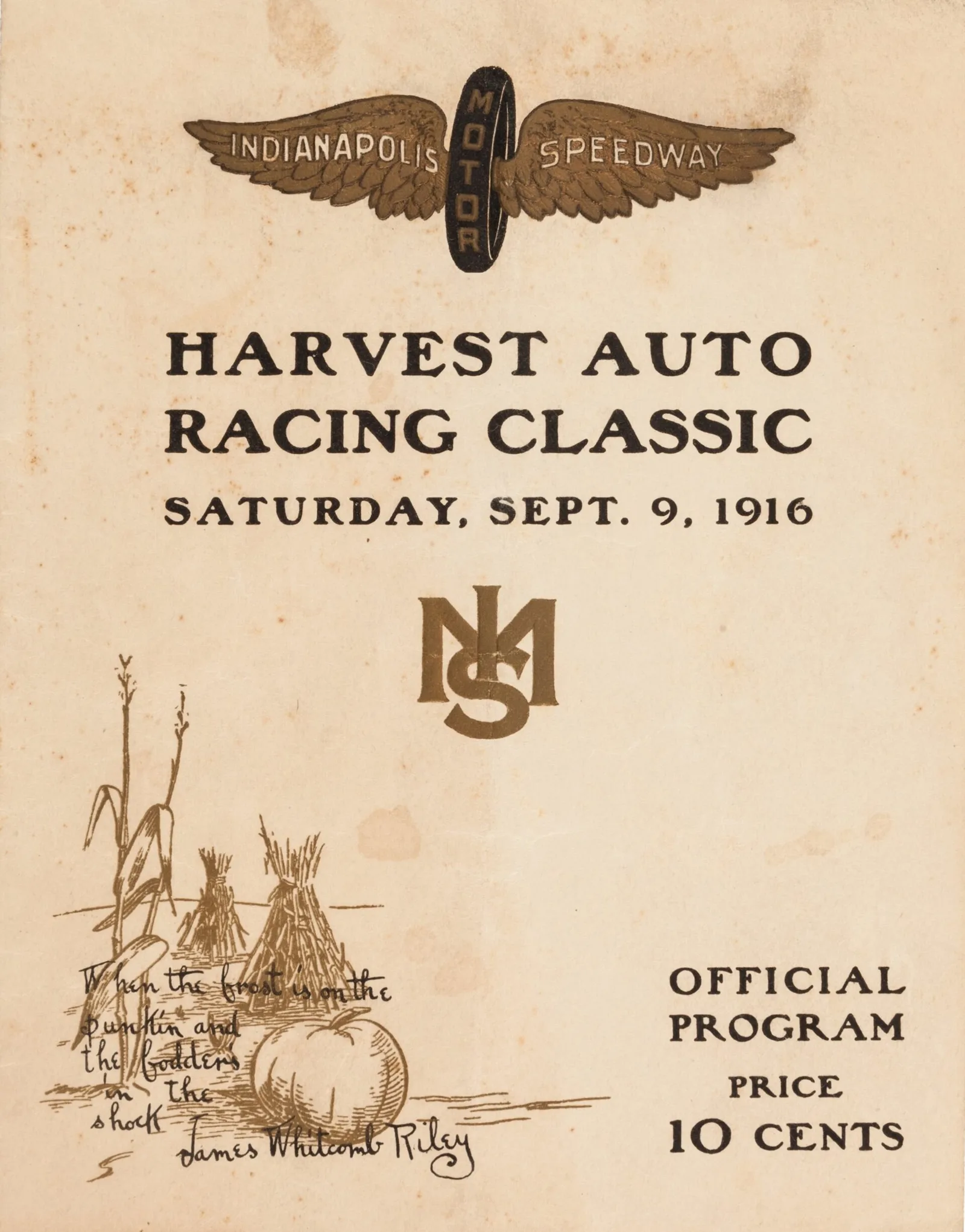
The war closed the track after the 1916 Harvest Auto Racing Classic, and the Speedway had a two-year hiatus before racing returned. The Armistice was signed in November 1918, and management then began planning the race's return.
The planning took place against a backdrop of peace. The race that followed in 1919 was the seventh running of the event, and it arrived two years after the last competitive meeting at the track.
Why was the race called the Liberty Sweepstakes?
The race was called the Liberty Sweepstakes in 1919, a name that marked peacetime after victory in the war. The title was used for one year only, so the 1919 running is the only Liberty Sweepstakes in the event's history.
The official name of the race that year was the Seventh Liberty 500-Mile Sweepstakes.
How many cars entered the 1919 race?
A total of 43 cars were entered, including three from the Indianapolis Motor Speedway. The entry deadline was midnight on Thursday, May 1, and the starting field was limited to a maximum of 33 cars.
Cliff Durant filed the first entry on December 16, months before the deadline.
Rain limited track time in May, which made preparation harder for the teams. Eddie Rickenbacker was named honorary referee on May 7.
What happened during practice in May 1919?
Teams arrived through the month, and rain limited the track time available to them. Omar Toft drove nine days from Los Angeles to reach Indianapolis, and Jean Chassagne arrived from Wolverhampton, England,.
The practice month can be traced through a series of dated events. The most important of them are listed below.
- Sunbeam cars reached Indianapolis on May 5.
- Howdy Wilcox was the first driver on track in May, running laps over 100 mph.
- Dario Resta took his first practice laps on May 13.
- Resta's Ballot became airborne at turn one on May 15.
- Jesse G. Vincent was named pace car driver on May 23.
- Ralph DePalma set the fastest practice lap at 98 mph on May 24.
Howdy Wilcox was named to an I.M.S. entry as a teammate to Jules Goux.
Why were the Sunbeam cars withdrawn?
The Sunbeam entries were ruled ineligible on May 20 for having oversized engines. The team withdrew from the event, and Dario Resta moved to the Ballot team.
The Sunbeam cars had reached Indianapolis on May 5, before the ruling on May 20.
How did time trials work in 1919?
Time trials were scheduled for May 27 to 29, and the minimum qualifying speed was 80 mph. Each car made one timed lap, and entries had to meet the speed standard to make the field.
Single-lap qualifying was the last of its kind at Indianapolis. Four-lap runs were introduced in 1920, and qualifiers were lined up by speed from that season.
Car numbers were not assigned until race morning. The rule was a response to the bootleg programmes that were printed and sold around the track.
Who took the pole in 1919?
Rene Thomas set a track record of 104.7 mph and took pole position, a time that stood as the fastest of the qualifying week. Ralph DePalma was the first car to qualify, at 98.2 mph, and Howdy Wilcox qualified second at 100.0 mph.
On May 27, eleven cars completed runs, all over 90 mph.
Who was fastest on May 28?
Louis Chevrolet drove a Frontenac at 103.1 mph on May 28, the fastest car of the day. Tommy Milton had been on his way to a fast qualifying lap, but his car slowed and he managed only 89.9 mph.
Who was the last car to qualify?
Jules Goux was the final car to qualify, on May 29, at 95 mph. He had suffered a broken piston and connecting rod that same day, and the speed of his lap pushed James Reynolds out of the field to become the first alternate.
Al Cotey, Dave Lewis, P.W. Monaghan, H.C. Simmons and George Buzane failed to qualify.
How did the race start?
The race started at 11:00 a.m. local time, with a crowd estimated at 120,000 on a hot, sunny morning. The field was released at about 80 mph after one unscored warm-up lap.
Jesse G. Vincent drove the pace car, with Eddie Rickenbacker as his passenger. The pace car led the field around for that warm-up lap before the drivers were allowed to race.
Andre Boillot's car initially failed to pull away from the start, and it needed time to get moving. Maurice Becker was replaced by Leo Banks hours before the start.
How did Ralph DePalma lead the first half?
Ralph DePalma led the first 65 laps, with a first-half average of over 92 mph. The 1915 winner set the early pace and was the dominant figure of the opening stage of the race.
Louis Chevrolet led laps 66 to 74 before giving the lead back to DePalma. The gap between the leaders stayed small, and his closest rivals remained within reach throughout the stage.
Earl Cooper, Howdy Wilcox and Rene Thomas were in the top five at that stage.
What happened in the first half of the race?
Two fatal accidents in the first half killed three competitors. Arthur Thurman died after a crash on lap 45, and a second crash on lap 96 claimed two further lives.
On lap 45, Thurman lost control at about 90 mph, flipped three times and died about ten minutes later. His riding mechanic, Nicholas Molinaro, suffered a fractured skull but survived.
On lap 96, LeCocq and Bandini crashed in turn two. Both men were burned to death at the scene,.
How did the race unfold lap by lap?
The race had a clear sequence of turning points. The field started at 11:00 a.m. local time, and the main moments that followed came at specific laps and under specific conditions.
- The field was released at about 80 mph.
- Louis Chevrolet led laps 66 to 74, and Ralph DePalma led 65 laps early on.
- Lap 45: Arthur Thurman lost control at about 90 mph, and later died.
- Lap 96: Louis LeCocq and Robert Bandini crashed in turn two.
- Lap 103: Howdy Wilcox took the lead from Ralph DePalma.
- Late in the race: Louis Chevrolet came in on three wheels and finished 7th.
How did Howdy Wilcox take the lead?
Howdy Wilcox took the lead on lap 103, when Ralph DePalma gave it up for a pit stop with tyre trouble. DePalma lost about ten laps in the pits and fell out of contention, and Wilcox led to the finish.
Only three cars dropped out in the second half, which left 14 cars running to complete 500 miles. The second half was steadier than the first.
Wilcox made a tyre and fuel stop late in the race. He rejoined with a two-lap lead over Eddie Hearne and held that advantage to the end.
What happened in the closing laps?
Louis Chevrolet came in on three wheels late in the race, made repairs and finished 7th. Ralph DePalma finished 6th, a fraction of a second ahead of Chevrolet at the scoring line.
DePalma led 93 laps in the race, which took his career total to 425 laps led.
DePalma would go on to lead 613 laps in his career.
Who was Howdy Wilcox?
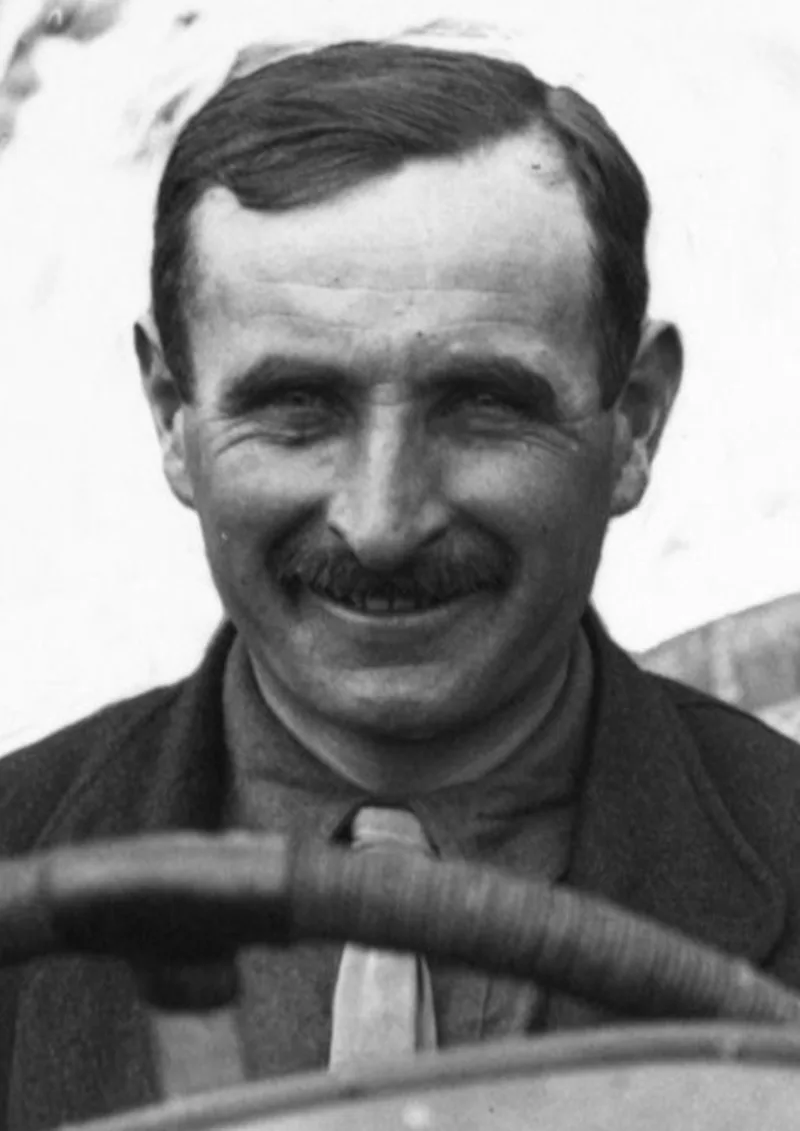
Howdy Wilcox was a Crawfordsville, Indiana native who won the race with riding mechanic Leo Banks. He was the first American winner since Joe Dawson in 1912, which made his victory notable.
A band played Back Home Again in Indiana as Wilcox led in the final stages. The song later became a fixture of the pre-race ceremonies, and it is closely linked with the 1919 race.
Wilcox was the last winner to use Goodyear tyres until 1967. Nineteen of the 33 starters were rookies, which gave the race a field with many drivers new to the event.
Why does the 1919 race matter?
The 1919 race was a rubber match between the American and European factions, each of which had won the race three times. It was the last race to use single-lap qualifying, and four-lap runs followed in 1920.
Riding mechanics were required for 1919, so each car carried a second person alongside the driver. That made every car a two-person operation in a race that was already demanding for its drivers.
Jules Goux had won the 1913 race and Ralph DePalma the 1915 race, so the field included two former winners.
What were the race statistics?
The race was run over 500 miles, with 14 cars still running at the finish. Of the 43 cars entered, 33 could start, and the qualifying system decided which cars made the field. The table below summarises the key figures from the entry list, qualifying and the race itself.
| Item | Detail |
|---|---|
| Date | Saturday, May 31, 1919 |
| Venue | Indianapolis Motor Speedway |
| Distance | 500 miles |
| Winner | Howdy Wilcox, with riding mechanic Leo Banks |
| Entries | 43 cars, including three from the Speedway |
| Starting field | 33 cars maximum |
| Pole | Rene Thomas, 104.7 mph track record |
| Minimum qualifying speed | 80 mph |
| Crowd | Estimated at 120,000 |
| Fatalities | Three competitors in two accidents |
| Laps led by Ralph DePalma | 93 in the race; 425 career total |