A drinks tycoon who paid one dollar for a team, a watch-company boss who funded a turbo engine, a fashion investor who bought a bankrupt team and a machine-tool maker who built one.
Dietrich Mateschitz bought Jaguar Racing for one dollar and turned it into Red Bull Racing, Mansour Ojjeh's TAG funded Williams and McLaren, Gene Haas founded Haas F1 Team and Lawrence Stroll led the consortium that bought Force India. Each paid for a different part of the grid.
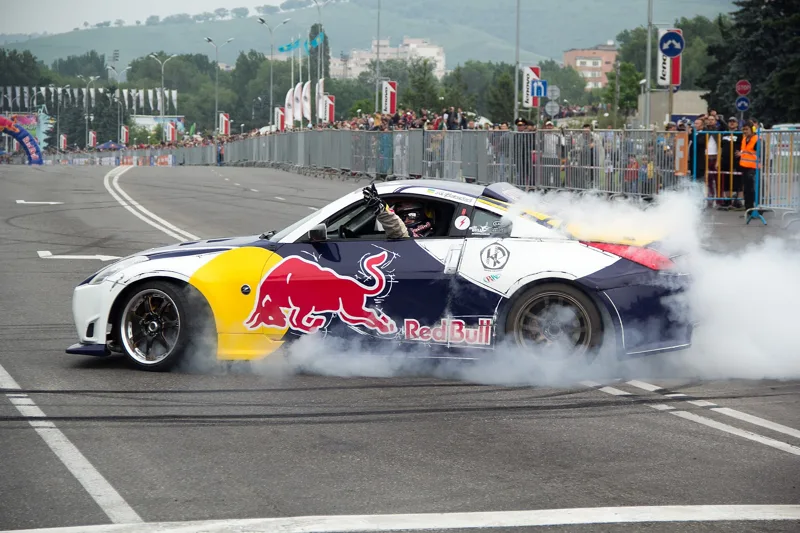
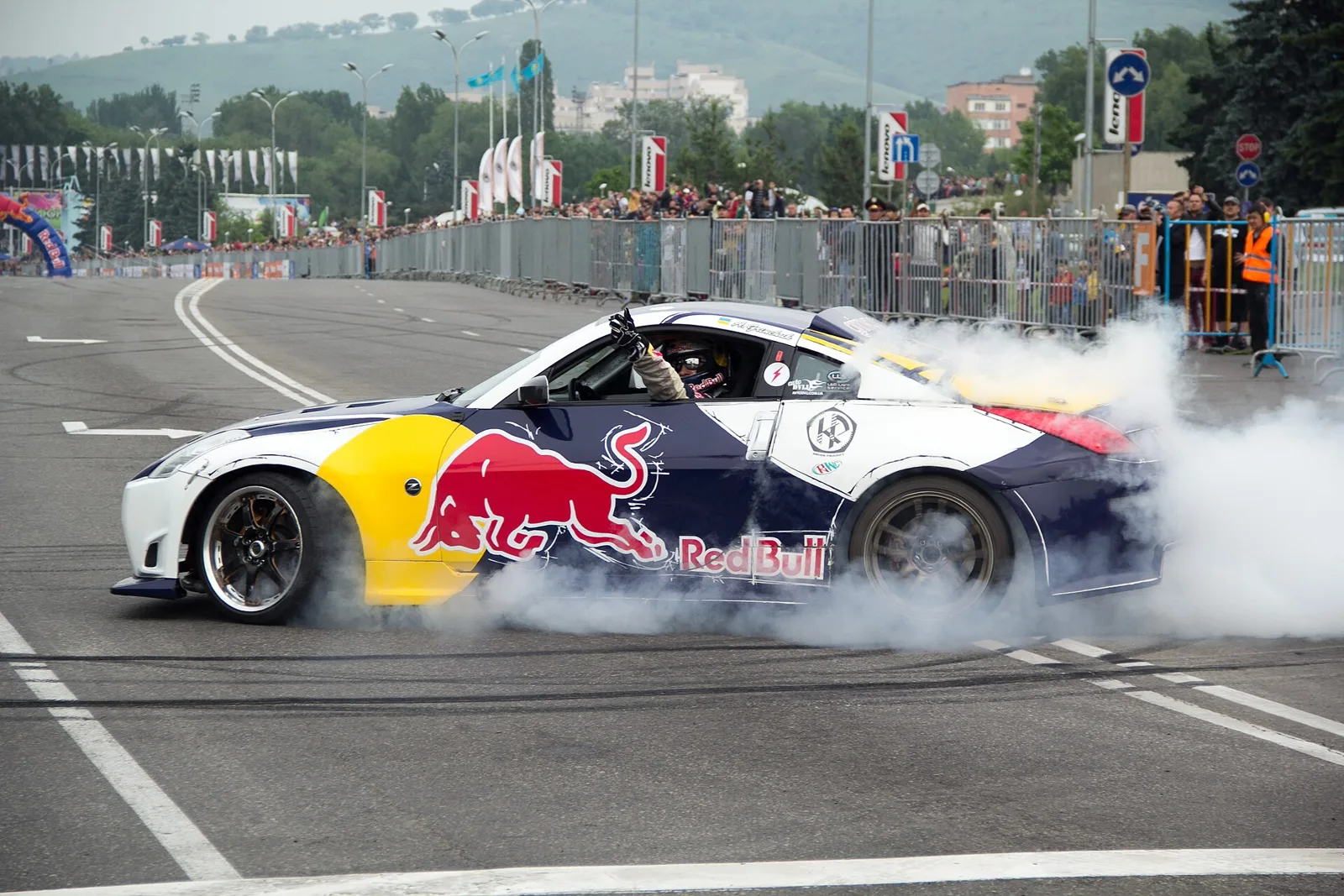
In November 2004 Dietrich Mateschitz paid Ford one dollar for the Jaguar Formula One team. The drinks entrepreneur renamed it Red Bull Racing for 2005, and it would go on to win the Constructors' Championship six times. His purchase is the sharpest example of how a fortune built outside motorsport has reshaped the grid.
How did Dietrich Mateschitz build Red Bull's Formula One teams?
Mateschitz built them from a drinks company. He was an Austrian entrepreneur, co-founder and 49% owner of Red Bull GmbH, who started in marketing at Unilever and Blendax. On a work trip to Thailand he found Krating Daeng, a drink already sold to lorry drivers and factory workers by the businessman Chaleo Yoovidhya. They founded Red Bull in 1984, and it launched in Austria in 1987.
His first Formula One link was a sponsorship. Red Bull held more than 60 percent of the Sauber team and was its main sponsor, but the relationship ended after 2001 when Sauber signed Kimi Raikkonen rather than Red Bull's protege Enrique Bernoldi. In November 2004 he bought the failing Jaguar Racing from Ford for $1. He recruited Christian Horner as team principal, and he brought in the designer Adrian Newey as technical director on a salary of $10m.
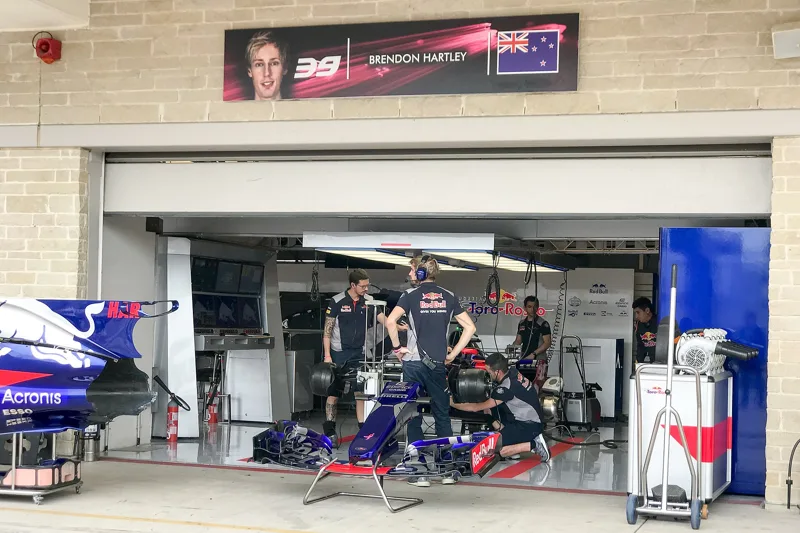
A second team followed. In September 2005 he joined his friend Gerhard Berger in buying Minardi from Paul Stoddart as a junior team for Red Bull Racing. It was renamed Scuderia Toro Rosso in 2006, Scuderia AlphaTauri in 2020 and Racing Bulls in 2024.
How successful were the Red Bull teams?
Sebastian Vettel gave Toro Rosso a win at the 2008 Italian Grand Prix, and Red Bull Racing's own first victory followed in China in 2009, again with Vettel. In 2010 Red Bull won the constructors' title and Vettel the drivers' championship. They repeated both in 2011, 2012 and 2013.
The turbo-hybrid rules of 2014 were less kind. Red Bull kept its Renault engines while Mercedes had a much more powerful unit and dominated from 2014 to 2020. Max Verstappen won first time out for Red Bull, in Spain in 2016, but the team went more than eight years without a championship. The Renault partnership broke down after 2015, and the team ran rebadged Renault engines as TAG Heuer units from 2016 to 2018. Honda power from 2019 helped Verstappen win the 2021 drivers' title.
Mateschitz died on 22 October 2022, and 2022 was the last season he oversaw; Verstappen kept his crown, a sixth for a Red Bull driver. He took a close interest in creating Red Bull Powertrains once Honda withdrew. From 2026 it builds engines for both Red Bull teams, and the power units carry his name.
He also bought the A1-Ring in late 2004 and renamed it the Red Bull Ring. It reopened in May 2011, and Red Bull said in July 2013 that the Austrian Grand Prix would come back in 2014, and Nico Rosberg won it on 22 June 2014.
Four fortunes, four routes into Formula One: buy a team, buy its assets, found a team from scratch or fund its engine.
What did Mansour Ojjeh's TAG do for Williams and McLaren?
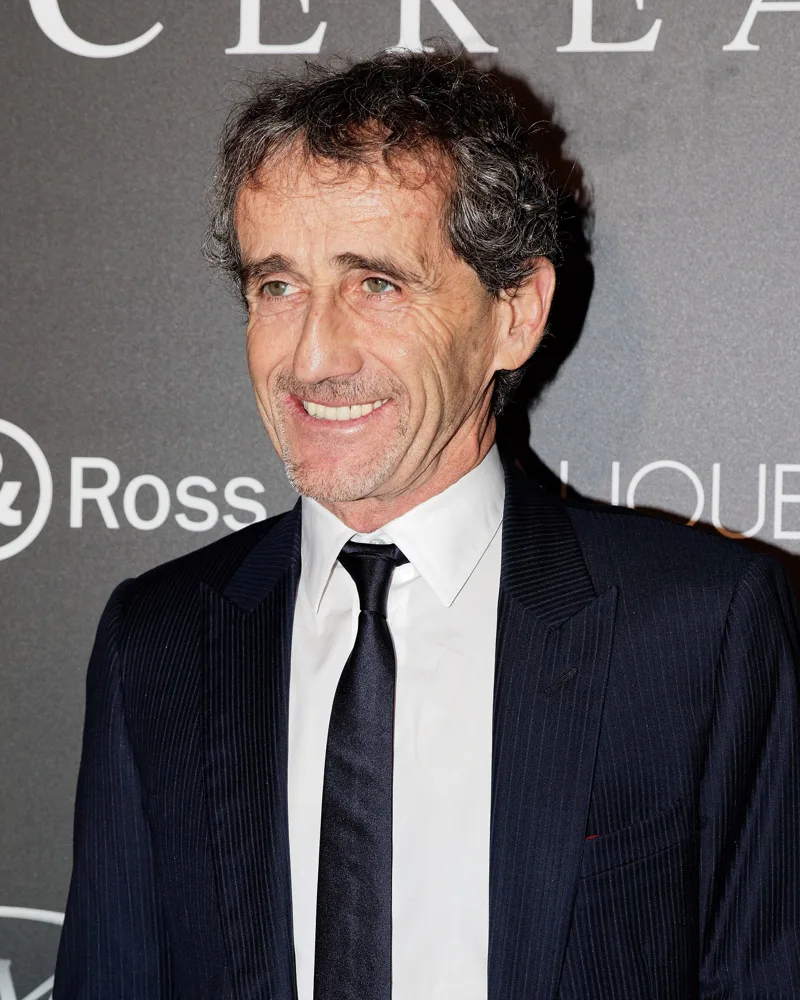
Ojjeh's TAG Group paid for the cars and then the engines of two championship teams. He was a French billionaire, born in Saudi Arabia, and chief executive of the TAG Group, which his father Akram founded, and he took the presidency of the company on his father's death in 1991. In 1985 he bought the watchmaker Heuer, which was the start of TAG Heuer.
His motorsport interest started at the 1978 Monaco Grand Prix, where he was a guest of the Saudi royal family, owners of Saudia, a sponsor of Williams. In 1979 TAG Group became Williams' principal sponsor. The capital allowed engineering director Patrick Head to design the Williams FW07, which won the 1979 British Grand Prix with Clay Regazzoni. Under Ojjeh's sponsorship Williams then produced two champions: Alan Jones in 1980 and Keke Rosberg in 1982.
How did Ojjeh come to own McLaren?
In 1981 he met Ron Dennis, who persuaded him to become his partner in running McLaren. Ojjeh became the majority stakeholder of McLaren Group with a 60 percent holding. In the 1980s he funded Porsche-built turbocharged engines badged with his company's name, Techniques d'Avant Garde. Niki Lauda returned to racing with McLaren in 1982.
The TAG-Porsche engine appeared at Geneva in early 1983 and first raced at the Dutch Grand Prix that August. In 1984 McLaren won 12 of 16 races, and Lauda took the title from team-mate Alain Prost by half a point, the smallest margin in the sport's history. Prost then won the 1985 and 1986 championships. The engine was retired in 1987, when Honda became McLaren's supplier.
Ojjeh stayed on. The Honda era brought four constructors' titles, three drivers' titles for Ayrton Senna and one for Prost, and the deal ended in 1993. McLaren then used Ford, Peugeot and finally Mercedes engines, taking one constructors' title and drivers' championships for Mika Hakkinen in 1998 and 1999 and Lewis Hamilton in 2008.
The ownership shifted over time. In 2000 Daimler, which had supplied engines through Mercedes for five years, exercised an option on 40% of the TAG McLaren Group, leaving Dennis and Ojjeh with 30% each. Both sold half of that to Bahrain's sovereign wealth fund, Mumtalakat, in 2007. Daimler bought Brawn GP in November 2009 and sold its McLaren shares back in 2010. Relations between Ojjeh and Dennis became strained as results declined, and Dennis stepped down in 2016. Ojjeh died on 6 June 2021, and McLaren carried his name on its MCL35M and team caps at the 2021 French Grand Prix.
How did Gene Haas get a Formula One licence?
Haas applied to the FIA, was granted a licence and then built a new team around assets bought from a bankrupt rival. Haas is an American who founded, runs and solely owns Haas Automation, which makes CNC machine tools. In 1980 he noticed that positioning an indexer by hand took one of his staff a long time, so he built a programmable one with a stepper motor drive, and formed Haas Automation after showing it at the WESTEC expo in March 1983. In the United States it is the biggest builder of machine tools, with reported sales above $1 billion in 2014.
Racing came through NASCAR. Haas formed Haas CNC Racing in 2002, joined forces with Tony Stewart in late 2008 by giving him a 50% stake, and saw Stewart-Haas win the Sprint Cup in 2011 and again with Kevin Harvick in 2014. That team closed after the 2024 season, and Haas opened the solely owned Haas Factory Team in 2025.
In January 2014 he told the FIA he wanted to enter Formula One in 2015 or 2016, first under the names Haas Formula and Haas Racing Developments. The FIA granted the licence on 11 April 2014. The debut was delayed to 2016, and in September 2014 the project took the name Haas F1 Team. In December 2014 it was reported that Haas had bought major assets from the bankrupt Marussia team, which was confirmed in early 2015.
What is the Wind Shear tunnel?
Haas also owns a commercial wind tunnel. Planning began in 2006, and it opened to its first customer, a Formula One team, in July 2008. The rolling road is a stainless steel belt 70 feet (21 m) long and 10 feet (3.0 m) wide that turns at up to 180 miles per hour (290 km/h), so a car sits on top of what looks like a giant treadmill. That simulates the car on the track better than a fixed-floor tunnel does. Customers include teams from NASCAR, IndyCar, Formula One and the American Le Mans Series, and Haas owns all of Wind Shear.
His foundation, begun in 1999, gave more than $27 million in grants in 2022 and has donated more than $175 million in total.
How did Lawrence Stroll end up owning an F1 team?
Stroll, a Canadian businessman, bought the assets of a collapsed team. He made his fortune in fashion: his father brought Pierre Cardin and Ralph Lauren clothing to Canada, and Stroll took Ralph Lauren to Europe. With the Hong Kong investor Silas Chou he invested in Tommy Hilfiger and Michael Kors, and their company, Sportswear Holdings, sold its last stake in 2014.
Motorsport came through his son. In 2014 Stroll took over Prema Racing because Lance was racing for it in Formula 4 and the FIA Formula 3 European Championship, and he sold the team in 2021. He also owned the Circuit Mont-Tremblant in Quebec from 2000 until August 2022.
In August 2018 he led a group of investors that bought the assets of the defunct Force India team. It became Racing Point Force India, re-entered midway through the 2018 season, and finished seventh in the constructors' championship. For 2019 it became Racing Point F1 Team, with Lance driving, and took seventh again.
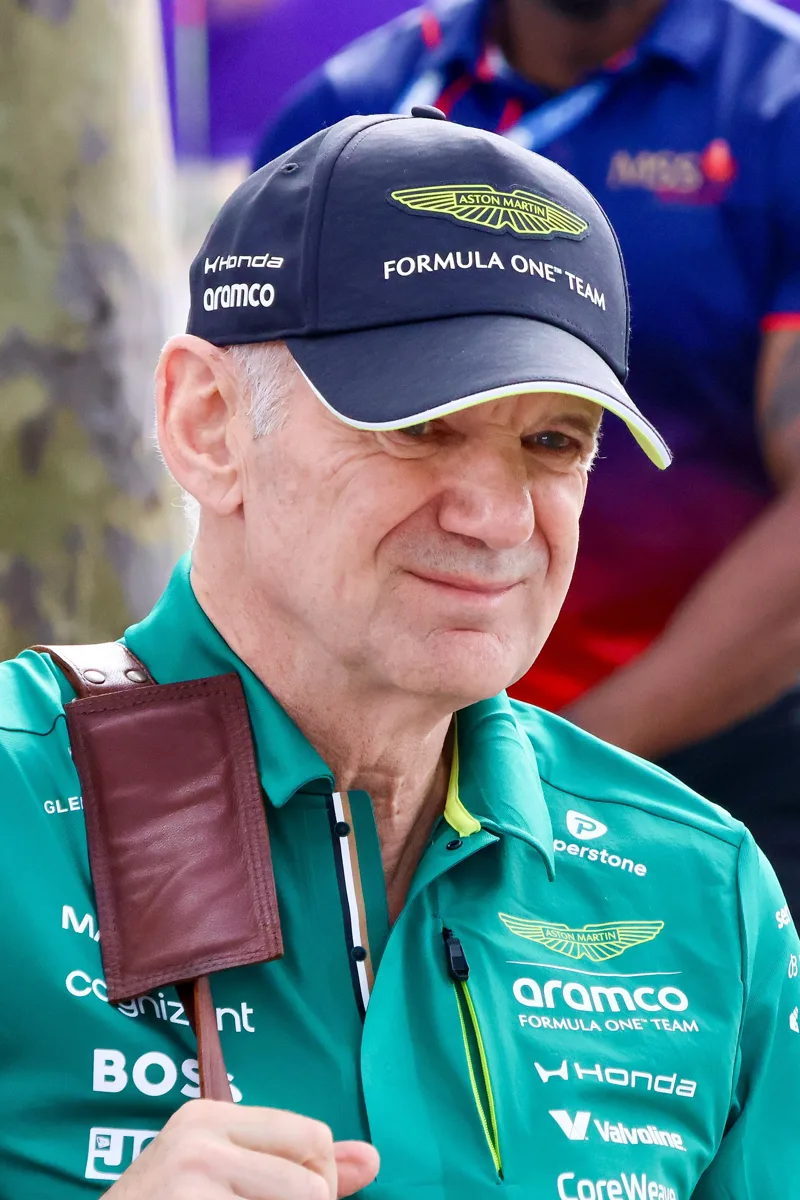
The next step was a car maker. On 31 January 2020 Stroll led the Yew Tree Investments consortium in investing 182 million pounds in Aston Martin for a 16.7% stake. The F1 team was rebranded as the Aston Martin F1 Team in 2021, and Stroll is now part-owner and executive chairman of Aston Martin as well as owner of the team. Forbes gives his net worth as US$3.7 billion as of September 2026.
How do the four backers compare?
| Backer | How he got in | Team | Notable result |
|---|---|---|---|
| Dietrich Mateschitz | Bought Jaguar Racing for $1 in November 2004 | Red Bull Racing and Toro Rosso | Constructors' titles in 2010 to 2013 |
| Mansour Ojjeh | Sponsored Williams from 1979, then took 60% of McLaren Group | Williams and McLaren | Titles for Jones, Rosberg, Lauda, Prost, Senna and others |
| Gene Haas | Licence granted 11 April 2014, plus Marussia assets | Haas F1 Team | Debut delayed to 2016 |
| Lawrence Stroll | Led the consortium that bought Force India in August 2018 | Racing Point, then Aston Martin F1 Team | Seventh in the constructors' championship in 2018 and 2019 |
What did their money do for the teams?
Each paid for something different. Ojjeh's TAG supplied capital to Williams and then an engine to McLaren. Mateschitz bought a whole team and then a second one as a junior team. Haas, who already owned a wind tunnel that other teams use, took a licence and the bankrupt Marussia's assets to start a new entrant. Stroll bought a collapsed team's assets and then a stake in a car maker whose name the team now carries.
Where do the four stand now?
From 2026 Red Bull Powertrains is due to power both Red Bull teams. The Aston Martin F1 Team has been under that name since 2021, with Lance Stroll still driving. Haas's NASCAR operation became the Haas Factory Team in 2025.