Norway's tax-free electric cars took 74.7% of new sales in 2020, while the Netherlands reached 24.6% after the tax rules for plug-in hybrids changed.
Norway made electric cars exempt from purchase taxes and 25% VAT, so they cost about the same as petrol cars, and plug-ins took 74.7% of new sales in 2020. The Netherlands began with a plug-in hybrid tax advantage, then changed rules in 2016, reaching 24.6% in 2020.
In 2020 Norway became the first country where all-electric cars outsold every petrol and diesel-engined car combined. Plug-ins took 74.7% of new car sales that year, up from 29.1% in 2016, and 88.9% in 2024. The Netherlands reached 24.6% in 2020. The gap between the two has little to do with batteries and a good deal to do with tax.
Both governments have backed electric cars with generous help, yet the two countries took different roads. Norway made the electric car price competitive with its petrol equivalent. The Netherlands began with a tax break that rewarded plug-in hybrids, and was forced to change course. The difference shows what an incentive can do, and what happens when it ends.
Why is Norway so electric?
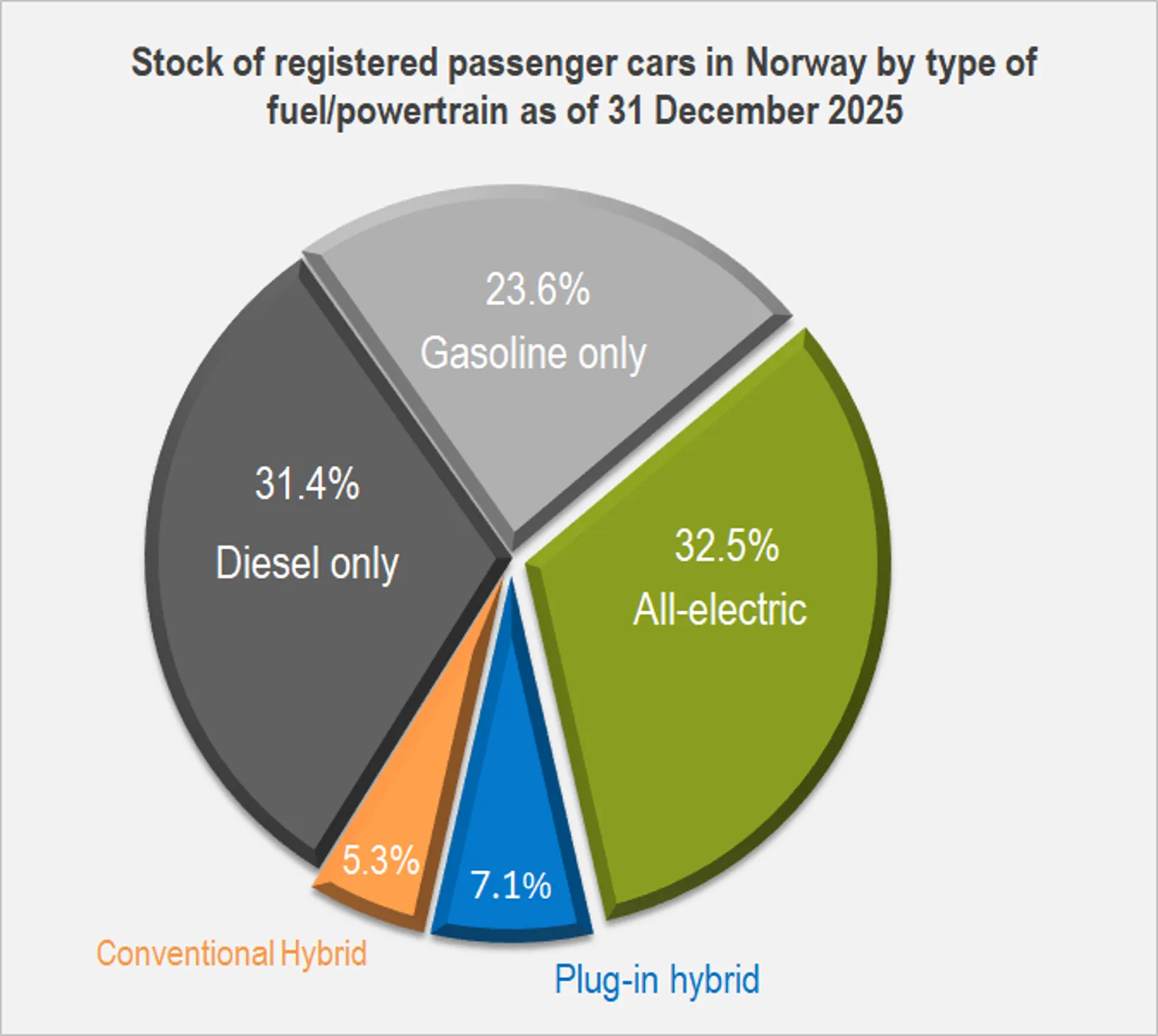
Norway has the largest plug-in fleet per head in the world. In December 2016 it became the first country with five of every 100 cars on the road plugged in, reached 10% in October 2018 and 25% in September 2022. By 31 December 2021 the stock of light-duty plug-ins was 647,000 vehicles, made up of 470,309 all-electric cars and vans and 176,691 plug-in hybrids. In January 2024 the share of new sales hit 93.9%, of which 92.1% were full electrics.
The electricity is mostly clean. Around 98% of Norway's generation comes from renewable generation, mainly hydropower. In 2017 the country met its target for average new-car emissions, 85 g/km, three years earlier than promised. According to a 2018 analysis by McKinsey & Company, Norway had already reached critical mass and was the only country in the third stage of a disruptive trend.
In both countries the price at the dealership moved demand more than any technical change.
What incentives does Norway use for electric cars?
Government support dates back to the 1990s. The heart of it is the tax treatment at purchase. Purchase taxes on ordinary cars in Norway are extremely high, and all-electric cars and vans are exempt from them and from 25% VAT. By early 2013 that meant a Nissan Leaf cost 240,690 kroner (around US$42,500) against 238,000 kroner (about US$42,000) for a 1.3-litre Volkswagen Golf.
Running perks came alongside. Electric cars were also exempt from the annual road tax, public parking fees and tolls, and could use bus lanes. The state even gave them their own number plate letters, EL, EK, EV and EB, so that officials could apply the perks. The EL series began at EL 10000, and by July 2015 the country had 60,000 electric cars and vans, so a new EK series followed in July 2016. EV plates came in July 2018 and EB in September 2019.
Plug-in hybrids got much less. They were not eligible for the same exemptions, and because the tax system charges heavier vehicles more, the battery pack made them dearer than equivalent petrol or diesel cars. Norway offset part of that with a weight deduction. It rose from 10% to 15% on 1 July 2013 and to 26% from January 2015, and registrations jumped to almost 8,000 in 2015 from about 1,700 in 2014.
Did Norway hit its electric car targets early?
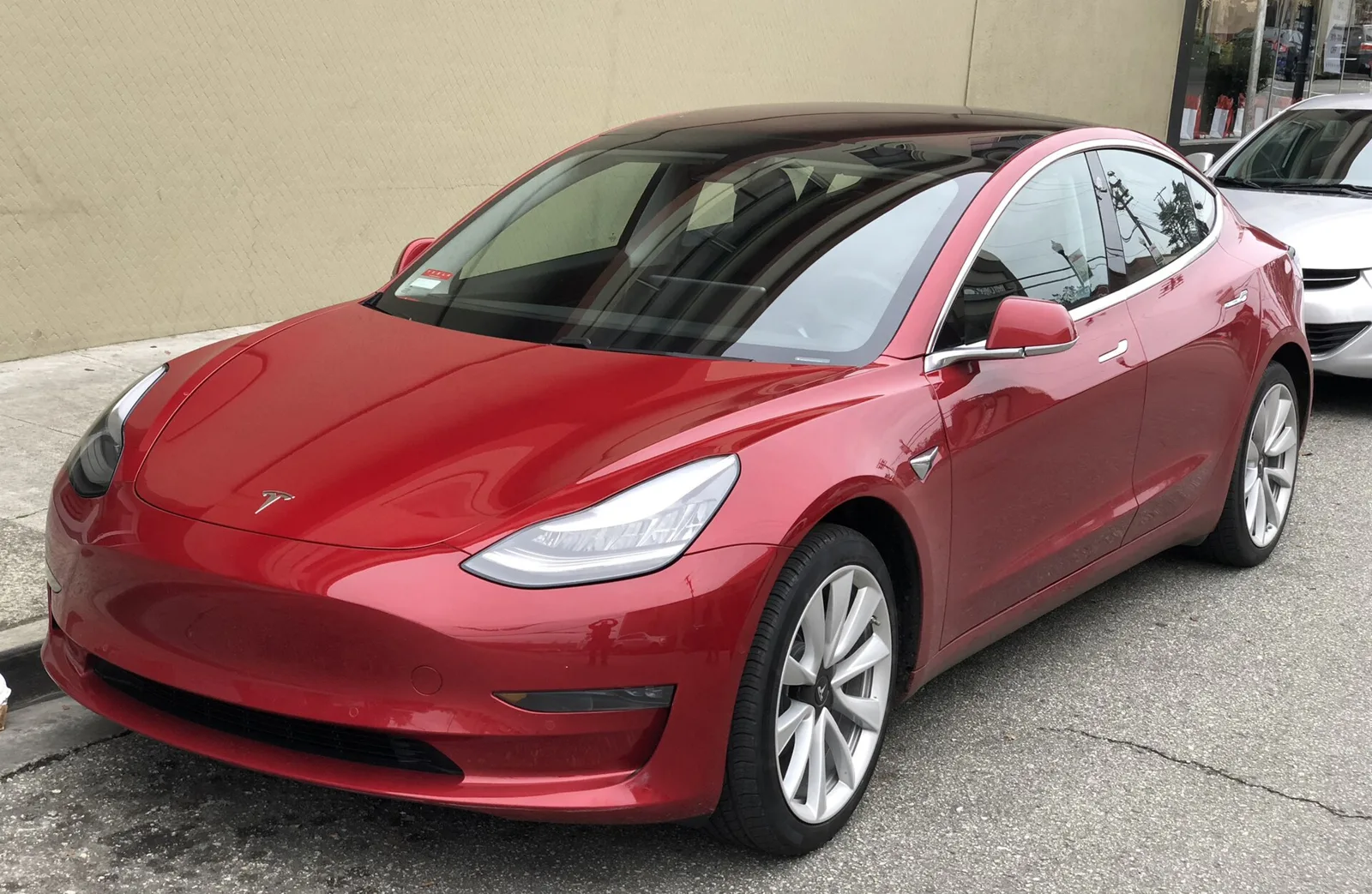
It did. Parliament set a goal of 50,000 zero emission vehicles by 2018, and the 50,000th electric car, a Tesla Model S given the plate EL 60000, was registered in Drammen on 20 April 2015, more than two years ahead of schedule. At that point electric cars made up 2% of the passenger fleet. The country passed 100,000 battery electric light vehicles in December 2016, about 10% of all pure electric cars sold worldwide, and the 300,000th arrived by early June 2020.
Success had a price. In 2014 alone the state gave up about 3 billion kroner (around US$480 million) through the two purchase tax exemptions, and as much as 4 billion kroner (around US$640 million) once the other benefits were added in.
What happened to the electric car leasing rule?
Leasing shows how slowly incentives can move. In September 2013 Parliament approved a VAT exemption for leasing electric vehicles, due on 1 January 2014. By September 2014 it still had not started, because the finance minister held it back while the question went to the EFTA Surveillance Authority, to check it did not break the European Economic Area Agreement. The exemption was estimated to cost the government 47 million kroner (around US$7.3 million) a year in revenue, and one Member of Parliament criticised the hold-up. The authority ruled in April 2015 that the exemption was in line with the agreement, since its goal was to cut greenhouse gas emissions. The exemption for leasing took effect in July 2015.
How is Norway winding the perks back?
In May 2015 the government decided to keep the incentives through 2017 and Parliament agreed to reduce and phase out some. From January 2018 electric car owners pay half the yearly road licence fee, and the full rate from 2020. Local authorities gained the right to decide on free parking and bus lane use. New national parking rules, in force from 1 January 2017, ended free parking for zero-emission vehicles but let municipalities offer exemptions. By January 2018, 24 of 58 major municipalities had kept free parking; of the 34 that ended it, six kept partial versions.
Buyers reacted fast to the threat of change. In October 2017 the government proposed a new weight-based tax on electric cars that would have hit bigger models, all Tesla cars and the Model X in particular. After public controversy it was dropped, but Tesla's sales still surged at the end of 2017 on fears it would arrive.
Critics also point to side effects: high public subsidies compared with the carbon saved, congestion in some Oslo bus lanes, lost income for ferry operators and a shortage of parking for owners of conventional cars.
How did the Netherlands encourage electric cars?
The Dutch approach began with exemption from the registration fee and road tax. For private owners that was worth about 5,324 euros over four years, and for company owners 19,000 euros over five. Hybrids with emissions below 95 g/km for diesel or 110 g/km for petrol also qualified. The government set targets of 15,000 to 20,000 electric vehicles in 2015, 200,000 in 2020 and 1 million in 2025, and the first two were met two years early.
The exemption from registration tax ended on 1 January 2014. Afterwards all-electric cars paid a 4% registration fee and plug-in hybrids 7%. Sales were under 1% of new cars in 2012, then jumped to 5.34% in 2013 as buyers rushed in before the break ended, and fell to 3.86% in 2014. The 2013 tax exemptions for more than 22,000 plug-ins cost the Dutch treasury an estimated 500 million euros (US$691 million).
Cities added their own help. Amsterdam reserved parking for battery electric cars, a perk worth more where the wait for a space can reach 10 years in some districts, and offered free public charging in parking spaces. Rotterdam gave one year of free downtown parking and up to 1,450 euros toward a home charger on green electricity. National and local subsidies of 3,000 to 5,000 euros also applied to electric taxis and vans.
What went wrong with Dutch plug-in hybrids?
For years the Dutch market was dominated by plug-in hybrids. They made up 80.8% of the plug-in car and van stock at the end of 2017. The tax rules changed in 2016 after it became clear that many users rarely charged them and had bought them mainly for the tax advantage. Sales dropped sharply: in the first half of 2016 they were down 64% on the same period of 2015, and the country slipped from fourth to sixth in the global ranking. By 2019 plug-in cars had 14.9% of new sales and 24.6% in 2020, with battery electric models leading in both years.
How fast did Dutch registrations grow?
From a tiny base. Registered electric cars numbered 68 in 2009, 395 in 2010 and 1,182 in 2011. In 2012 the Opel Ampera, an extended-range electric car, was the Netherlands' best-selling plug-in with 2,696 units, ahead of the Toyota Prius Plug-in Hybrid with 1,184 and the Chevrolet Volt with 306, and plug-in hybrids made up 84.9% of that year's plug-in car sales. Registrations then climbed to 29,342 plug-in passenger cars in 2013, of which 24,512 were plug-in hybrids, and the 2013 rise of 338% over 2012 was the fastest growth of any country that year.
By 2015 the Netherlands, with 43,971 plug-in cars and vans, ranked as the world's third best-selling market, and its record 9.74% share of new sales was second only to Norway's 22.4%. Per head, it had 1.71 registered plug-ins per 1,000 people in 2013, behind only Norway with 4, and by July 2016 the figure had reached 5.6, almost level with California's 5.8. By 2021 the Dutch plug-in fleet had grown to 390,454 vehicles: 137,663 fully electric cars, 243,664 plug-in hybrid cars and 9,127 light commercial vehicles.
How do the two markets compare?
| Measure | Norway | Netherlands |
|---|---|---|
| Plug-in share of new cars, 2020 | 74.7% | 24.6% |
| Share of cars on the road | 25% in September 2022 | 4.3% at the end of 2021 |
| Core purchase incentive | No purchase tax or 25% VAT on electric cars | Registration fee exempt until 1 January 2014, then 4% |
| Plug-in hybrids | Not eligible for the same exemptions | Dominated sales until 2016 |
| Fleet milestone | 50,000 electric cars on 20 April 2015 | 100,000 plug-ins in November 2016 |
Is charging a bigger factor in the Netherlands?
Charging is where the Netherlands leads. By December 2012 it had the highest ratio of slow charge points to electric vehicles, above 0.50, against 0.20 in the United States, and it has the most charging points per head in the world. At the end of 2016 it counted 11,768 public slow points open at all hours, 14,320 slow points with limited public access, 612 public and semi-public fast points and over 72,000 private ones. By September 2023 there were 147,340 publicly accessible points, 5,043 of them fast, meaning above 22kW.
The price varies. Public AC charging averaged 40.4 eurocents per kWh in September 2023, with large differences between neighbouring streets because overlapping concessions went to different private companies. Other advantages cited for the Dutch market are the size of the country, about 160 km (100 mi) from east to west, which eases range anxiety, a long tradition of environmental activism and high petrol prices. With all the incentives and tax breaks combined, plug-in cars were estimated to have similar driving costs to conventional ones.
What do these two markets teach a buyer?
In both countries the price at the dealership moved demand more than any technical change. Norwegian electric cars could match petrol prices because the taxes on ordinary cars were so high and electric ones escaped them. Dutch sales spiked just before an exemption ended and slumped when the rules changed. Even the rumour of a new Norwegian tax sent buyers to showrooms.
Where this goes next
Norway's National Transport Plan 2018-2029 sets a goal that all new cars, urban buses and light commercial vehicles sold in 2025 should be zero emission, meaning all-electric or hydrogen. The plan aims to cut transport greenhouse gas emissions by about half by 2030; transport produces about 16.5 million tons of CO2, a third of the country's domestic total. The Dutch government's third target, 1 million electric vehicles by 2025, was set alongside the two that were met early. The purchase tax exemptions made an electric car price competitive with a petrol one, and the perks around them have been trimmed one by one.