A 1981 hatchback built from AMC Concord and Spirit parts for the Mexican luxury market, and why buyers turned it down.
The VAM Lerma was a Mexican-built hatchback sold from 1981 to 1983 by Vehiculos Automotores Mexicanos. It borrowed its chassis from the AMC Concord and its rear hatch design from the AMC Spirit, and it was offered as a luxury model in Mexico only.
The VAM Lerma was a hatchback built by Vehiculos Automotores Mexicanos from 1981 to 1983, using a chassis from the AMC Concord and a rear end borrowed from the AMC Spirit. It was VAM's flagship after the Classic line ended in 1976, and it was sold only in Mexico. Its luxury positioning and closed trunk made it an unusual product for the market.
Where did the VAM Lerma come from?
The Lerma began as a hybrid of two AMC-based designs. Its chassis and some body panels came from the AMC Concord sedan, while the hatchback rear followed the AMC Spirit. VAM presented the layout to AMC management as a possible model, but AMC had other priorities.
The name came from Lerma, a city in the State of Mexico where VAM engines were made. Each car was a single welded unit body, built by cutting up mass-produced panels and joining them by hand. A British newspaper described the car as a bolt-together kit, which captured how much hand labour went into each one.
Neither body style existed on any AMC model at the time, and AMC was in no hurry to adopt them. Its management judged that the car would offer less cargo room than the Concord wagon. Rather than export it, VAM sold the Lerma only in Mexico from 1981, in a segment then seen as the future of the market: the four-door hatchback.
The car also carried national pride. It is arguably the first successful fully Mexican sedan, and VAM is remembered as the first Mexican automaker to develop a car regarded as wholly national. For the company, the Lerma was a chance to show its own styling and engineering skill.
A Mexican hatchback aimed at the luxury market, built from American parts and never quite accepted by its buyers.
Why did the hatchback design struggle in Mexico?
Mexican buyers were used to notchback sedans, and the hatchback shape was rare in the luxury segment. The closed trunk offered very little storage, since the large rear glass left room for little more than the spare tyre, which made the Lerma hard to justify at a luxury price.
Government rules shaped the market. In the early 1960s Mexican law limited each marque to three car lines, and the variety of body styles offered within each line was restricted too. Automakers therefore tended to offer mid-segment models and semi-equipped versions, and their smallest cars were usually the second-smallest models sold in their home countries.
Ford offers a clear example. Its smallest model in the United States was the Pinto, but in Mexico the smallest was the Maverick, a compact notchback. Hatchbacks were therefore unfamiliar to Mexican shoppers, even though the Volkswagen Caribe and VAM's own Gremlin and Pacer had begun to shift habits.
By 1981 that shift was still small. Many Mexican buyers were unwilling to pay luxury-car money for a hatchback, and the Lerma had to fight that prejudice from its first showroom day.
What engine did the VAM Lerma use?
The Lerma used a VAM-designed 282 cu in (4.6 L) inline six with a two-barrel Motorcraft carburettor. It made 132 hp (98 kW; 134 PS) at 3900 rpm, and the only transmission was a Chrysler three-speed automatic with a 3.07 rear differential ratio.
Compression stood at 8.0:1, and a camshaft with 266 degrees of duration, drawn up by the firm's engineers, shaped the engine's character. Peak torque of 216 lb ft (293 N m) arrived at 2200 rpm, low in the rev range.
The chassis used independent front suspension with coil springs and a front anti-roll bar, while the rear used leaf springs with robust dampers. The brake system was power-assisted, with front discs and rear drums, and a three-row radiator with a seven-bladed fan handled cooling.
The fuel tank held 18.5 US gallons (70 L; 15 imp gal), and the car ran on ER78x14 tyres. The Lerma shared the same tank as the American line.
How was the Lerma styled?
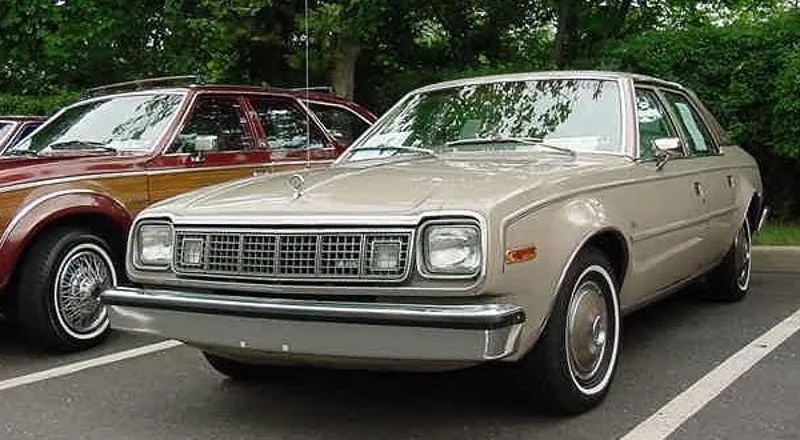
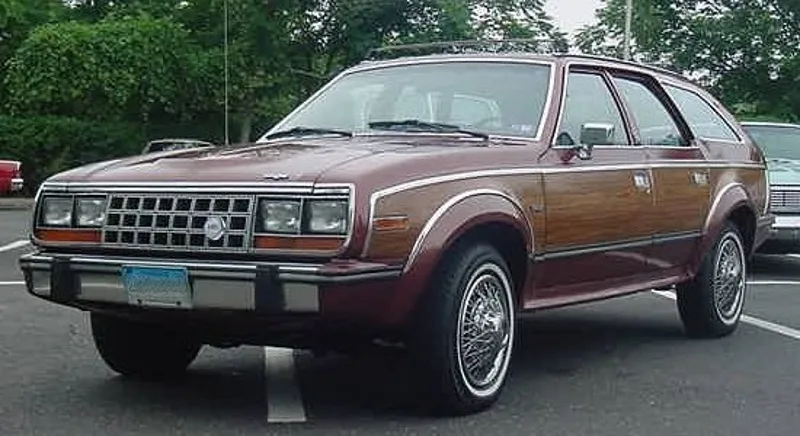
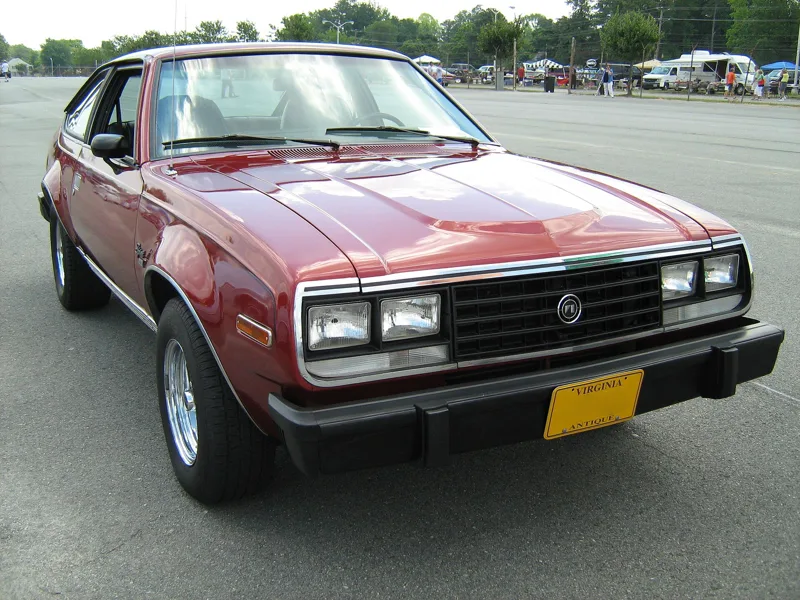
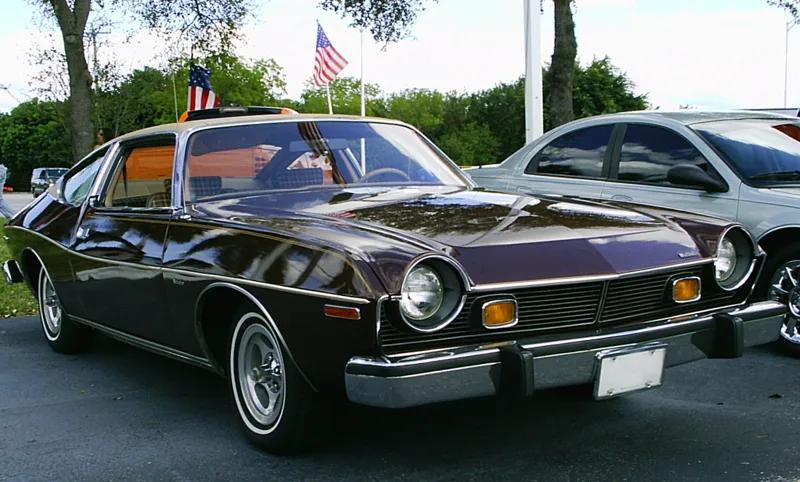
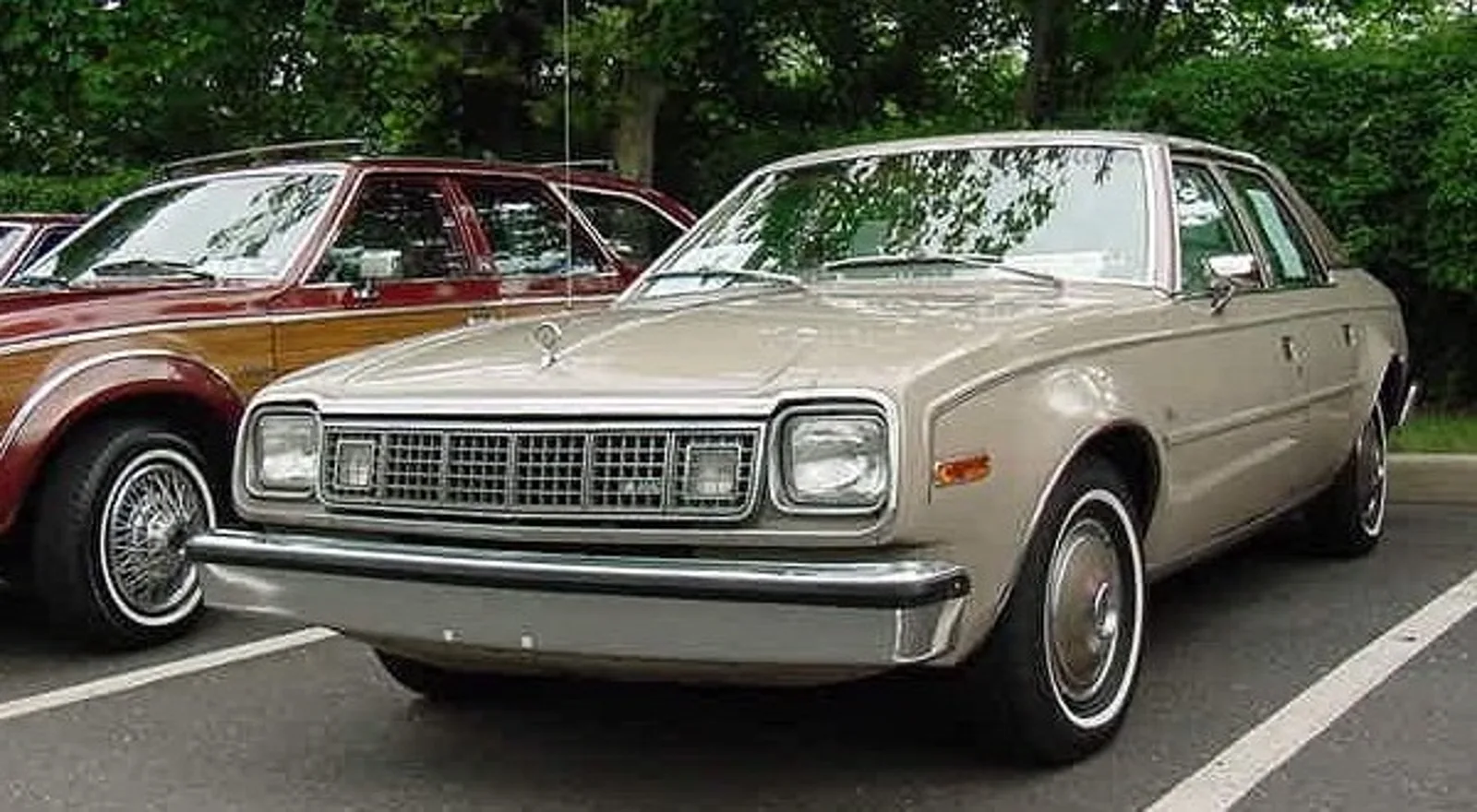
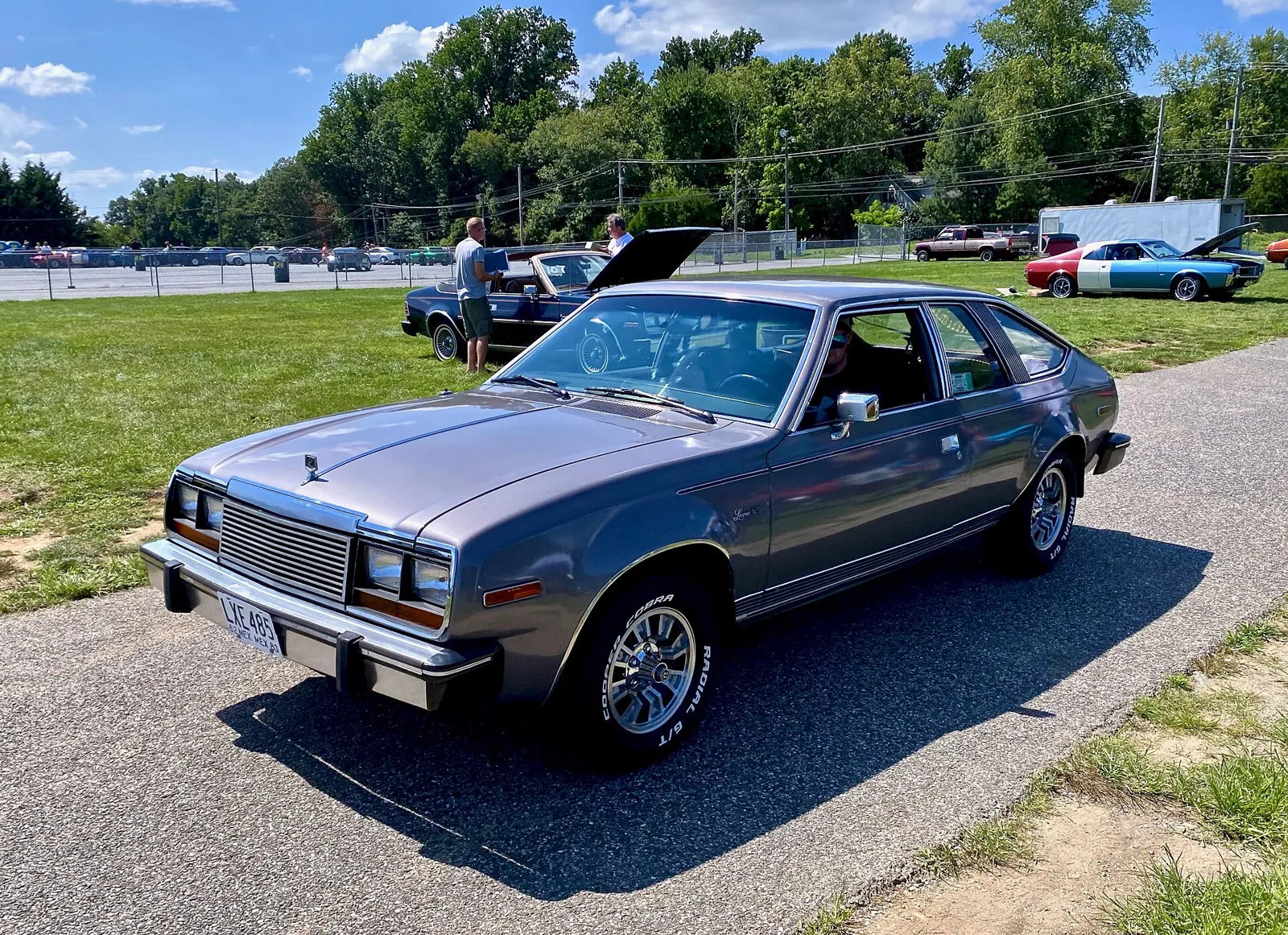
The Lerma's body borrowed proportions from the Concord and Spirit, but its squared grille, rear quarter panels and rear side windows were unique to the model. Gold-and-black VAM logos and manuscript Lerma emblems on the fenders gave it an identity of its own.
The grille used a squared grid arranged as two blocks of four horizontal rectangles, a look no other VAM shared. Midway through the first year, the round side marker lights from the Rally models gave way to rectangular units with chrome frames.
Protective side mouldings ran higher than the regular ones along most of the car's length. A bright moulding package came as standard, covering the wheel lips, drip rails, rocker panels, bumpers and glass surrounds, along with dual chromed mirrors. The five-spoke wheels, 14x6-inch in size, carried AMC's Noryl wheelcovers.
The speedometer was calibrated to 180 km/h (110 mph).
What was inside the VAM Lerma?
The Lerma's interior was mostly Mexican in design, although the steering wheel, column, dashboard and door latches were not produced by VAM's styling department. Buyers could choose black, nut brown, sky blue or wine red trim, with individual reclining front seats and a fixed rear bench.
The trunk was unlike any other VAM or AMC trunk: a closed, carpeted compartment with speakers built into the lid. A light in the lid came on and off depending on its position, much like the one in the hood. Owners who needed more room carried luggage on a roof rack fitted to the drip rails.
Standard equipment included power steering, a tinted windshield, intermittent wipers, woodgrain dashboard panels, a quartz clock, a rear defroster and an AM/FM radio with four speakers. Air conditioning, power door locks and windows, power seats, a power trunk release, an electric antenna and a tilting steering column were all optional.
The door and side panels were shared with the high-trim American GFS, American ECD and Camioneta American DL that same year. Sharing parts in this way kept the tooling costs of the new model very low.
Why did the Lerma sell poorly?
The Lerma's sales fell short because it was priced close to luxury V8 compacts, yet buyers found its styling plain and its trim thin. Its almost non-existent trunk was seen as the biggest practical drawback, which turned many shoppers away from the start.
The styling criticism was specific. The front and rear were considered acceptable, but the sides looked almost too smooth and monotonous, and the car lacked the trim expected at its price.
Mexican shoppers were used to notchback sedans, and the idea of a hatchback in the luxury class was almost unthinkable. Even so, the investment was recovered. Initial sales were enough to pay back the outlay, and the model ended up being profitable, which made the development programme a valuable experience for the company.
What changed on the 1982 Lerma?
For 1982 VAM updated the Lerma with a new chrome grille, aluminium wheels and a rear seat that folded down. The most significant change was the removal of the trunk, which opened the car into a single cargo area with a small spare tyre.
The grille became an all-new totally chromed unit with thin horizontal stripes. Headlight bezels were blacked out inside, the front parking lights turned amber, and both bumpers took AMC Eagle-style nerfing strips with a central bright moulding. New six-stripe mouldings appeared along the lower fenders, doors and sides.
The rear bench came from the Camioneta American, the Concord wagon, with a fold-down mechanism that expanded cargo capacity while keeping the Lerma's own upholstery. The rear speakers moved behind the tail lights, as on the Rally liftback.
Engine changes were modest. A new head gasket raised compression from 8.0:1 to 8.5:1, the A998 automatic received wider gear ratios, and a midyear cylinder head with larger, rounder intake ports made the engine more powerful.
What were the Lerma 610 and 620 trims?
VAM split the 1982 Lerma into two trims. The 610 came with two-speed electric wipers, a dome light and a heater, while the 620 added intermittent wipers, reading lights, air conditioning, a vanity mirror and a rear wiper and washer, which made it the better-equipped car.
Apart from their standard equipment, the two trims were identical. Five of the 620's features could be ordered separately on the 610, so a buyer could add them without moving up to the higher trim.
How did import rules cut the 1982 equipment list?
A government ban on foreign supply of luxury accessories forced makers to obtain such parts locally, and the result was a shorter equipment list. The Lerma lost its quartz clock, rear defroster and Noryl wheelcovers, while several power options disappeared from the list.
The extra-charge list lost power door locks, power windows, power seats, the power trunk release and the tilt steering column. Remote-controlled exterior mirrors survived, but only as options.
The full 1982 option list for the 620 was short: an electric antenna, an AM/FM tape player, remote mirrors and sports steel wheels. The new aluminium wheels practically replaced the previous year's wheelcovers, and the rear wiper and washer replaced the rear defroster.
Why did production of the Lerma end?
A recession that began in February 1982 hit the Mexican car industry hard, and devaluation of the peso drove VAM's parent, FISOMEX, close to bankruptcy. Renault de Mexico bought the company, and the new owner ended the Lerma because hand labour made it slow to build.
The 1983 VAM passenger car line was short and comprised the base and mid-segment American, Gremlin and Rally models. The Lerma was not part of it.
Leftover 1982 Lerma 610 and 620 units were reportedly sold as 1983 models, which closed the story of the car's short life.
A later role: the Lerma as a Stirling engine test car
A single VAM Lerma served as a test vehicle for the Stirling engine. It had been converted to an experimental P-40 engine, and the car also served as a public showcase for that technology.
The project shows how a car that struggled in showrooms could still find work in engineering,.
VAM Lerma specifications
| Specification | Detail |
|---|---|
| Built | 1981 to 1983, Mexico only |
| Body | Two-door and four-door hatchback |
| Engine | Inline six, 282 cu in (4.6 L) |
| Carburettor | Motorcraft two-barrel |
| Compression ratio | 8.0:1 (8.5:1 from 1982) |
| Power | 132 hp (98 kW; 134 PS), reached at 3900 rpm |
| Torque | 216 lb ft (293 N m) at 2200 rpm |
| Transmission | Chrysler Torqueflite A998 three-speed automatic |
| Rear differential ratio | 3.07 |
| Fuel tank | 70 L; 15 imp gal, or 18.5 US gallons |
| Tyres | ER78x14 |
| Speedometer | 180 km/h (110 mph) |
| Trims | 610 and 620 (both from 1982) |