East Germany and Czechoslovakia pooled their plans for a new small car in the 1970s, built prototypes, and abandoned the project in 1979.
RGW-Auto was a 1970s project in which East Germany and Czechoslovakia planned a shared family of small cars within Comecon. It aimed to replace four aging models and reach 600,000 vehicles. The planned 1978 production never began, and the project was dropped in 1979.
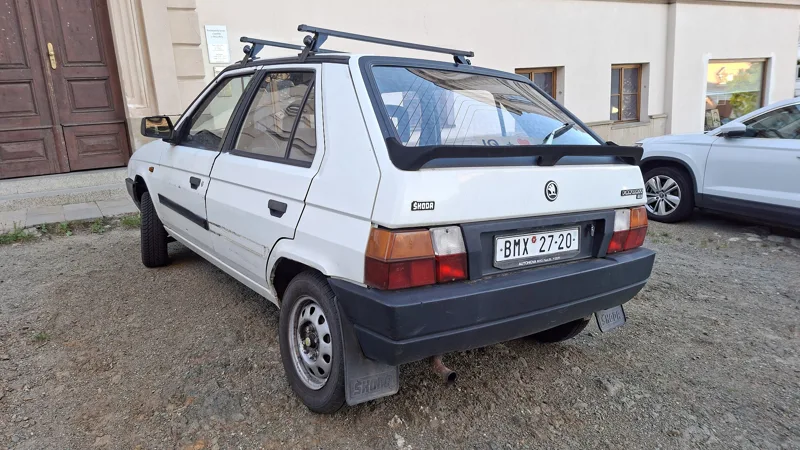
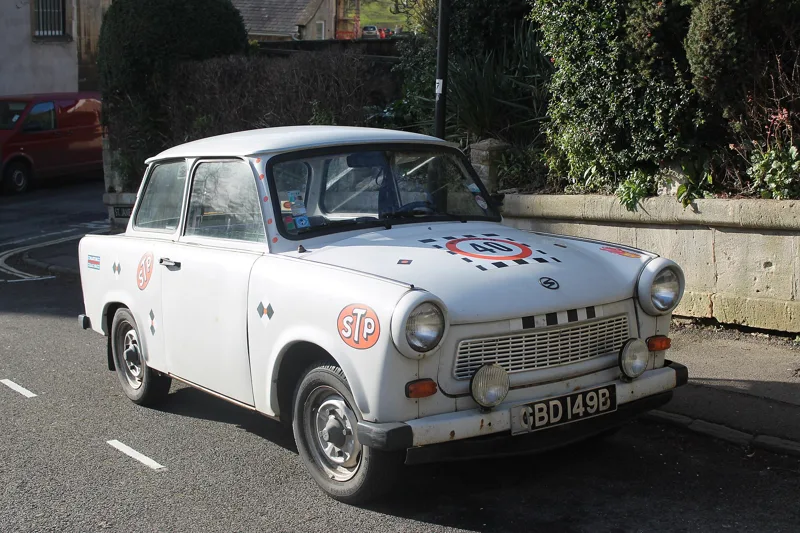
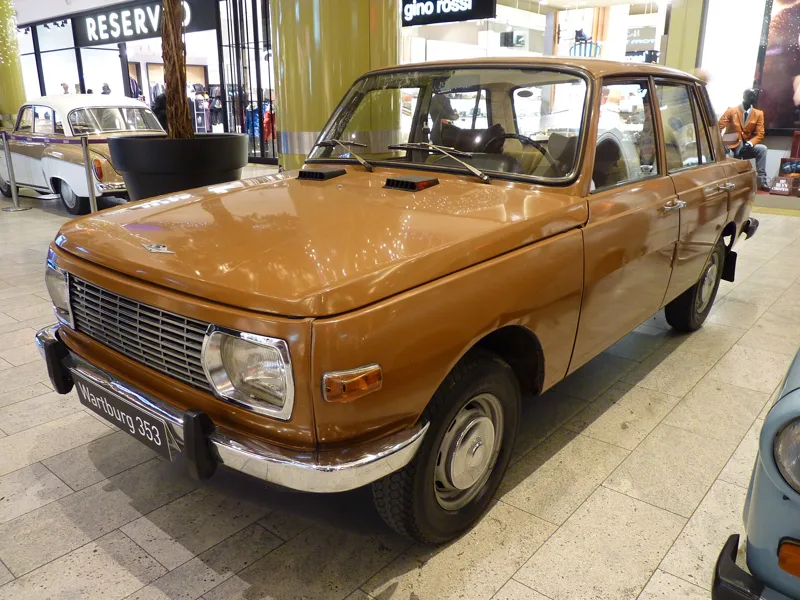
RGW-Auto was a joint project between East Germany and Czechoslovakia to build a new family of passenger cars for the Comecon bloc. It was meant to replace the Trabant 601, Wartburg 353, Skoda 100 and Dacia 1300, with mass production planned from 1978. That never happened, and both countries ended the project in September 1979.
Why did East Germany and Czechoslovakia start the project?
Both countries saw their domestic industries drifting away from Western technology at the end of the 1960s. Exports to non-socialist economies earned the foreign currency needed to buy specialist machines that the bloc could not supply. East German two-stroke cars were also finding fewer buyers in those markets.
Skoda had tried a rear-engined route with the 1000 MB, introduced in 1964, but that proved a dead end. The new production line absorbed funds that a second reorientation needed. Planning for the joint car began in January 1970.
In East Germany, cars were built with two-stroke engines. As early as the 1970s the Wartburg 353 was not registered in Great Britain because of new emissions regulations, and in 1979 registration was banned throughout the non-socialist economies for failing to meet the necessary ECE regulations.
Two socialist neighbours pooled their small car plans, built the prototypes and then walked away in 1979.
How was the work divided between the partners?
Skoda was to supply light alloy four-stroke engines and gearboxes, along with self-supporting bodies, a technology East German industry lacked. East German engineers, who had experience with front-wheel drive from the Trabant and Wartburg, took on the drivetrain, brakes and steering. East Germany built only front-engine, front-wheel-drive cars until 1979. Each brand was to use its own body variant on that shared base. Skoda was to supply a 1.1-litre engine for the new Trabant, and the Wartburg was to receive a 1.3-litre unit.
The partners disagreed on layout. East Germany preferred a front engine with front-wheel drive, while Skoda preferred a front engine with rear-wheel drive. Czechoslovakia first gave up its rear-drive preference to keep the project alive, then returned to it once the joint work faltered.
How did the Trabant and Skoda plans change before the joint project?
Functional models of the Trabant 603 existed in 1966, but development was discontinued on Politburo instructions so the capacity could go to the P760 project. The planning for the RGW car, which began in January 1970, was also the reason for ending work on the Trabant P603, the planned successor to the P601.
A four-cylinder engine of 1600 cm3 had been developed in Eisenach since the 1960s and was ready in 1972, but it was never mass produced. Czechoslovakia had its own mid-range project, the Skoda 720 with a front engine and rear-wheel drive, which was dropped because the new Skoda plant in Bratislava was years from completion.
What prototypes were built?
East Germany built four functional Trabant P760 prototypes from 1970, which were tested from 1972. Wartburg was dropped from the project in 1973, and its 1974 prototype 360 used a Skoda unitary body and engine before it was destroyed. Development restarted in 1978 as the Type 610M.
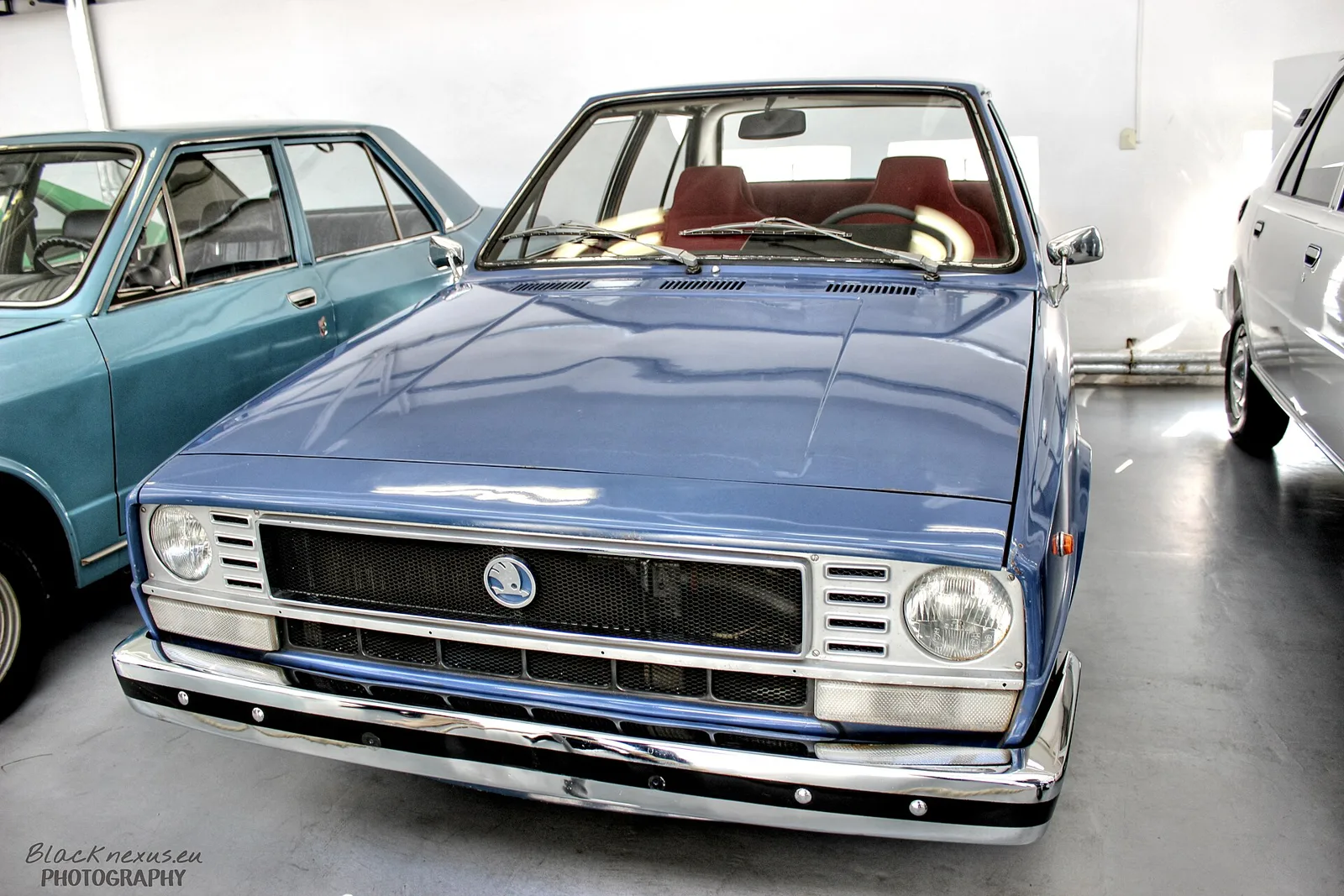
The 610M used a self-supporting body of the kind seen on the Skoda 105 and 120, with a 1.3-litre Dacia 1300 engine installed longitudinally. In Czechoslovakia, prototypes were completed at Skoda in 1972, with bodies styled by Giorgetto Giugiaro.
Was the rear engine a Skoda tradition?
No. Skoda vehicles with rear engines were built only from 1964, when the 1000 MB was introduced. Czechoslovakia was not attached to the rear engine for reasons of tradition, and its engineers were already developing a front-engined mid-range car on their own.
What technology did the joint car use?
The four-speed gearbox came from Ceska zbrojovka Strakonice, and Praga built an automatic transmission that Skoda installed in the 762. The engines were water-cooled four-cylinders that Skoda had built since 1964 using aluminium die-casting, which saved weight compared with typical cast-iron blocks.
Much of the development work was done by the motor vehicle research institute in Prague, known as UVMV. It is recorded as the developer of the technology used in the project.
The Czechoslovak side hoped the joint car would bring synergies for vehicle construction. It only learned in late 1974 that development had been stopped in 1973, and it then ran a simplified test with the front-engine, rear-wheel-drive concept.
Was just-in-time production realistic?
The plan called for just-in-time production, which meant that a large number of parts would need to travel by freight train on schedule. Both countries' railways were already busy, so the logistics were a weak point from the start.
Before the joint project, the East German leadership had wanted to forgo buying engine construction licences from Western countries, for cost reasons.
Why did the joint project fail?
Logistics were the first problem. Thousands of components had to move between many East German and Czech sites on tight schedules, and both countries' railways were already busy. Trucking parts over those distances did not meet economic expectations. Money was the second problem, as Warsaw Pact military spending left little for consumer goods.
East Germany lacked the funds to rationalise existing production, and many of its plants dated from before the war. At one point, plans proposed halting car production at Eisenach to make gearboxes only, with assembly centralised at Zwickau. In September 1979 both states ended the project.
Skoda developed its 105/120 in parallel from 1972, building on the 100/110 of 1969. It was presented in 1976 to comply with ECE regulations, and it adopted many elements of the 720 and 760 prototypes.
What did Skoda do after RGW-Auto?
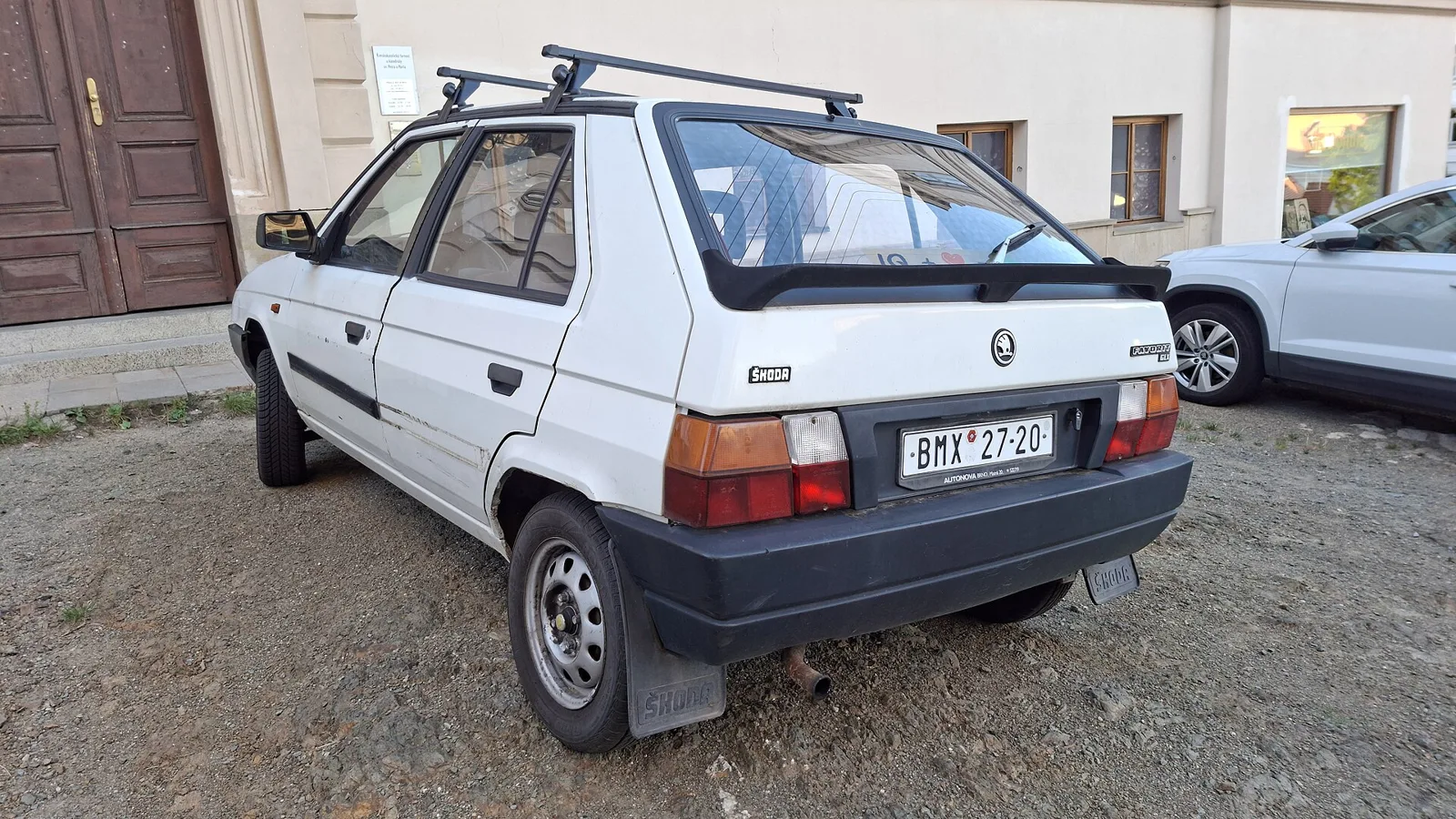
Skoda continued alone. The 762P, a front-wheel-drive hatchback, followed in 1980, and the 781 prototype came in 1981. That work became the Skoda Favorit, presented in 1987, whose quality helped pave the way for the Volkswagen Group takeover after the Velvet Revolution.
East German passenger car development stalled after the P760 failed in April 1973, and a later P1100/1300 project was also cancelled in 1979. Shortly before reunification, VW EA111 engines went into the Trabant 1.1 and Wartburg 1.3, though only into existing 1960s bodies.
What were the key figures of the RGW-Auto project?
| Specification | Detail |
|---|---|
| Partners | East Germany and Czechoslovakia within Comecon |
| Planned start | Mass production in 1978, never achieved |
| Target volume | 600,000 vehicles, half built by Skoda |
| Trabant P760 | Four prototypes from 1970, tested from 1972 |
| Wartburg prototype 360 | 1974, Skoda unitary body and engine |
| Czech prototypes | Completed 1972, bodies by Giorgetto Giugiaro |
| Engine type | Water-cooled four-cylinder, aluminium block |
| Project ended | September 1979 |
| Successor | Skoda Favorit, presented 1987 |