A 208-based crossover that reached showrooms in 2013, earned five Euro NCAP stars and added a South American model built at Porto Real.
The Peugeot 2008 I was a crossover SUV built from 2013 on the 208 platform. It launched with two petrol and three diesel engines, earned five Euro NCAP stars, and gained a 2016 restyle before production ended in June 2019.
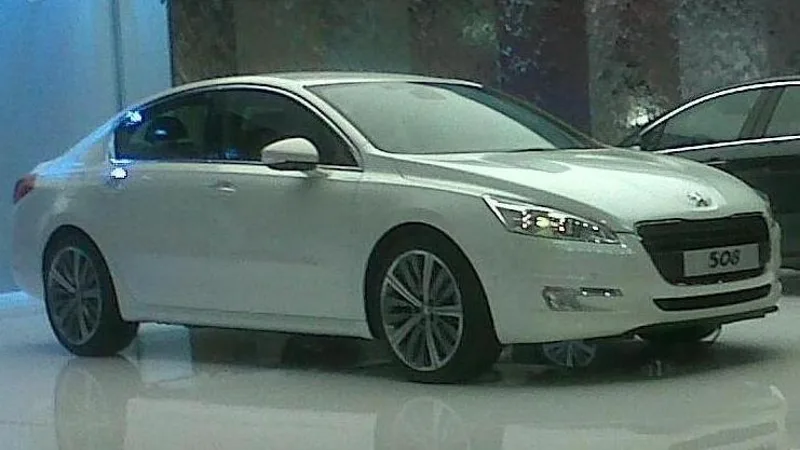
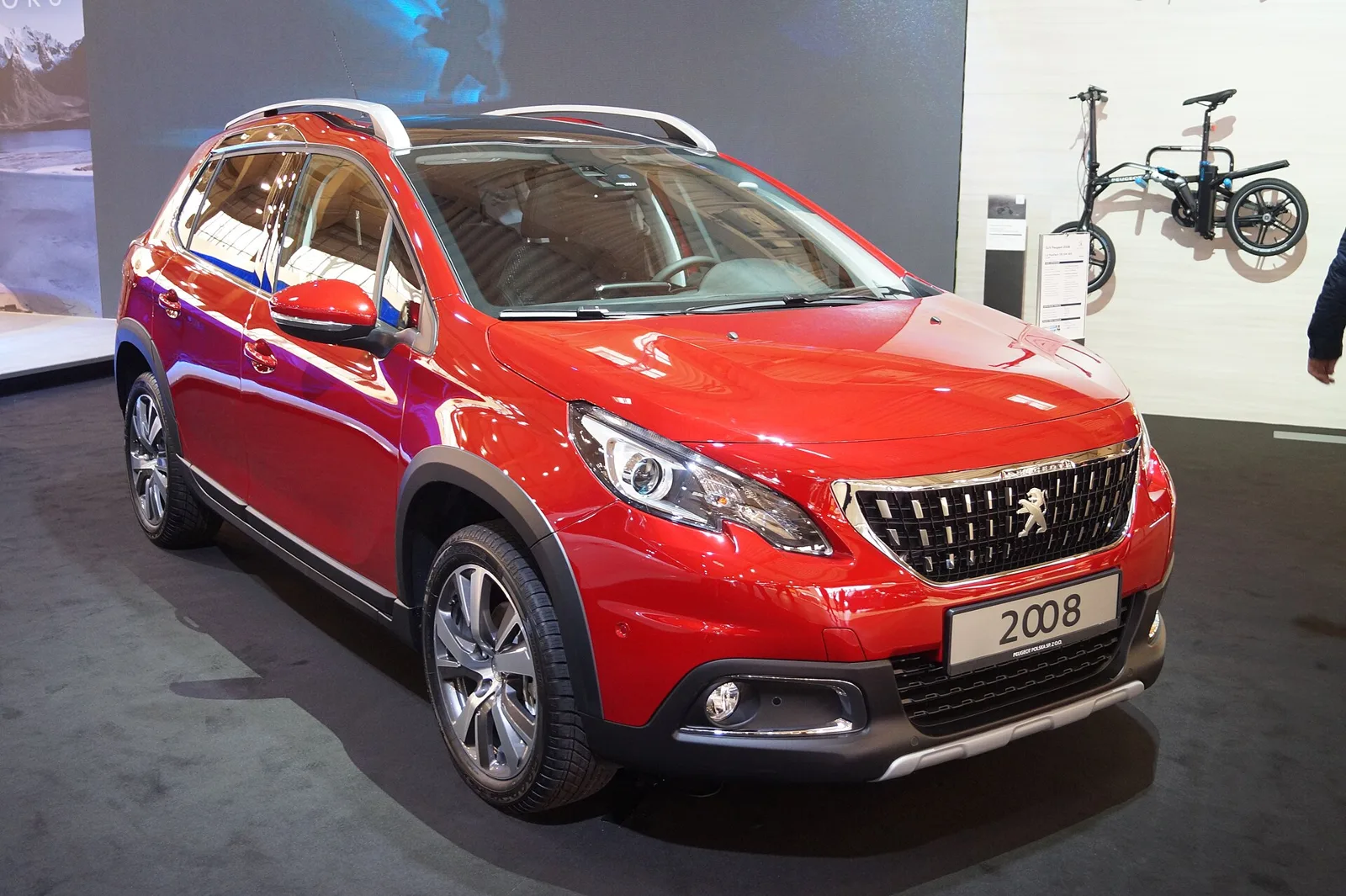
The Peugeot 2008 I was the first generation of Peugeot's compact crossover SUV, built from 2013, with production ending in June 2019 when the second generation was unveiled. Built on the 208, it shared much of its interior and mechanicals, while its styling took cues from the 508 at the front. Production ran in France, China and Brazil.
How did the 2008 concept become the production car?
Project A94 began in 2010 with the three-door HR1 concept, which was 3.69 m (12.1 ft) long and previewed Peugeot's new styling. A five-door Urban Crossover Concept followed and foreshadowed the production car, while the 2008 Concept shown in Paris changed only in small details.
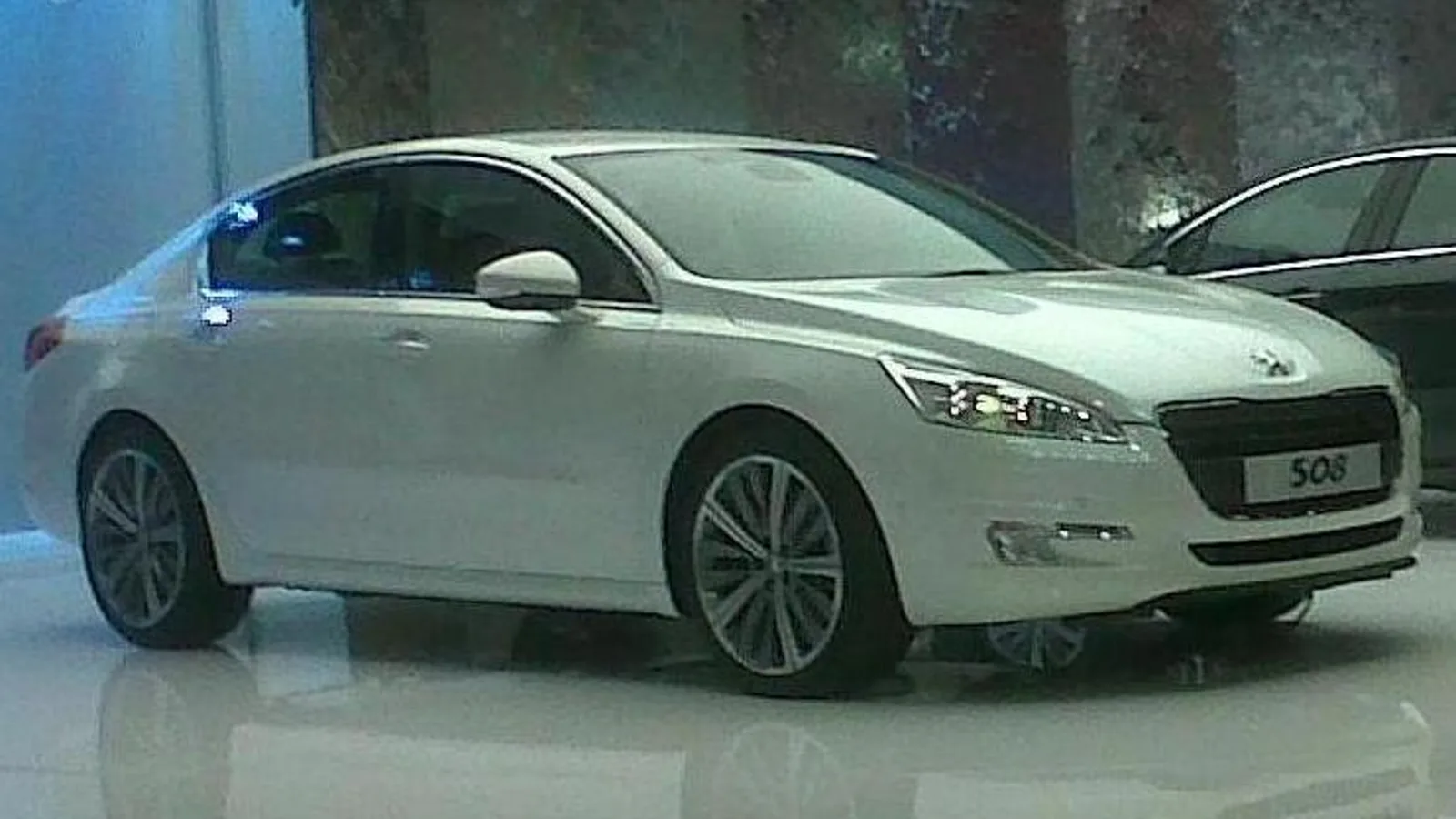
The Urban Crossover Concept was presented in Beijing after its photos appeared in spring 2012, and it used the mechanical base of the newly launched 208. The definitive car was revealed through official photos and then shown at the 2013 Geneva Motor Show, with Italian sales starting in June 2013.
A 208-based crossover that let Peugeot enter the compact SUV market.
Why did the 2008 replace the 207 SW?
The 2008 took the place of the 207 SW rather than another crossover, because Peugeot said no estate would be derived from the 208. Its body allowed estate-style use while giving the French maker a way into the compact SUV sector.
That sector was very fashionable at the time, and the crossover shape carried greater commercial potential.
What did the 2008 borrow from the 208 and 508?
The rear and flanks come from the 208, which also supplies much of the cabin, including the dashboard layout, instrument cluster, centre console and air vents. The front borrows from the 508. A small rear spoiler and C-shaped headlamps finish the tail.
Peugeot kept a black lower trim and three front air intakes to suggest off-road character, although the car had no real off-road capability. A high beltline added solidity to the flank.
Boot space was 350 litres in standard form, growing to 1,194 litres with the rear seat folded down.
How much of the interior was shared with the 208?
Much of the cabin came straight from the 208, with the same instrument layout, centre console and air vents. The front styling was taken from the 508, and the 2008 kept the smaller car's instrument arrangement.
The derivation was not hidden: the steering wheel, the gear-lever knob and the centre console with its multimedia display all echoed the 208.
Which engines were offered at launch?
At launch the 2008 had two petrol and three diesel engines. The 1.2 made 82 PS, the 1.6 VTi 120 PS, the 1.4 HDi 68 PS, and the 1.6 e-HDi came in two outputs of 92 and 114 PS.
- 1.2: 1,199 cc (73.2 cu in), 82 PS (60 kW; 81 hp)
- 1.6 VTi: 1,598 cc (97.5 cu in), 120 PS (88 kW; 118 hp)
- 1.4 HDi: 1,398 cc (85.3 cu in), 68 PS (50 kW; 67 hp)
- 1.6 e-HDi: 1,560 cc (95.2 cu in), 92 and 114 PS (68 and 84 kW; 91 and 112 hp)
What transmissions did the 2008 use?
Most of the range used a five-speed manual. The 114 PS 1.6 e-HDi had a six-speed manual, the 92 PS e-HDi a six-speed robotised gearbox, and in some countries the 120 PS 1.6 VTi offered a four-speed robotised unit.
Front-wheel drive was the only layout. Steering used an electric rack-and-pinion arrangement, and the car's braking used four ventilated discs with floating calipers.
How did the 2008 manage grip?
The suspension geometry came from the 208, with MacPherson struts at the front and a torsion beam at the rear. The drive went only to the front axle.
An optional device called Grip Control managed the intervention of the ESP system according to the grip of the road surface.
When did the 2008 reach full production?
Production started in spring 2013 at Mulhouse for Europe, with Wuhan in China and Porto Real in Brazil also building cars. From 2 September 2013 the main site raised output from 310 to 615 units a day, with 200 staff brought in from other group sites.
Autumn 2013 brought the 1.2 e-VTi with Stop&Start and a five-speed robotised gearbox. That Stop&Start system was similar to the one used in the e-HDi engines. Early 2015 added a turbocharged 1.2 at 110 PS and the 1.6 BlueHDi at 120 PS.
How did the engine line-up change after 2015?
The turbocharged 1.2 was later raised to 131 PS, replacing the old 1.6 Prince at 120 PS. At the same time detuned versions of the 1.6 BlueHDi, at 75 and 100 PS, widened the diesel range.
The 1.2 VTi had been renamed the 1.2 PureTech 82 in 2014.
What did the 2016 and 2018 updates change?
The 2016 Geneva restyle made the grille more extended and vertical, changed the rear lights and added a 7-inch touch display that handled smartphone apps. The GT Line trim also debuted. The engines were unchanged but updated to meet the pollution standards.
In June 2018 the 1.5 BlueHDi arrived in 102 and 120 PS forms, replacing the 1.6 BlueHDi at 99 and 120 PS. The 75 PS 1.6 BlueHDi left the range, and in some markets the 110 PS 1.2 PureTech did too.
Key specifications
| Specification | Detail |
|---|---|
| Platform | Shared with the Peugeot 208 |
| Launch | Geneva Motor Show, 2013; Italian sales from June 2013 |
| Front suspension | MacPherson |
| Rear suspension | Torsion beam |
| Boot | 350 litres; 1,194 litres with rear seat folded |
| Engines at launch | 1.2 82 PS (60 kW; 81 hp); 1.6 VTi 120 PS (88 kW; 118 hp); 1.4 HDi 68 PS (50 kW; 67 hp); 1.6 e-HDi 92 and 114 PS |
| South American build | Porto Real, Brazil, from 17 March 2015 |
| Production ended | June 2019; South American model updated again in summer 2022 |
| Brakes | Four ventilated discs with floating calipers |
| Steering | Electric rack-and-pinion |
| Drive | Front-wheel drive only |
Did the 2008 take part in motorsport?
Peugeot entered the Dakar with a rally-raid car called the 2008 DKR. Three teams were set up to drive it in the 2015 edition, and it shared only its name with the road car. Peugeot had won the Paris-Dakar from 1987 to 1990 and announced its return to rally raid in March 2014.
The DKR carried a 3.0-litre twin-turbo V6 mounted mid-rear, producing 340 PS (250 kW; 335 hp). Its rear-wheel-only drive and dune-buggy layout were built to cope with rough routes.
Its 340 PS compared with 120 PS for the most powerful engine at launch, the 1.6 VTi, which shows how far the rally car went beyond the showroom.
What awards did the 2008 win?
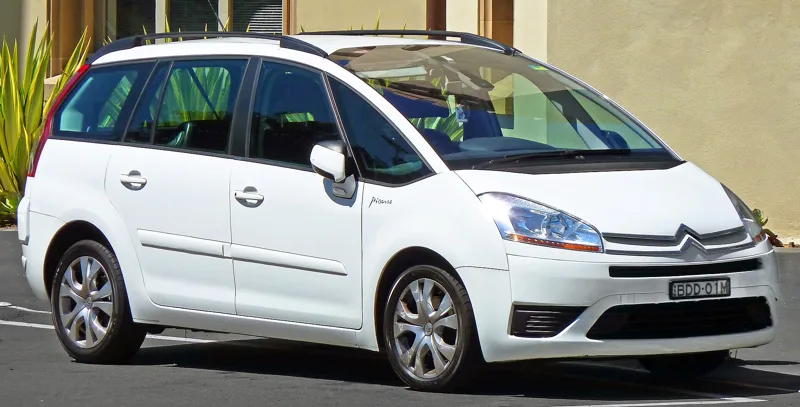
The 2008 won the Auto Europa 2014 award on 16 October 2013, a silver tortoise given by Italian automotive journalists. It scored 167 points, ahead of the Fiat 500L Living on 117 and the Citroen C4 Picasso on 103.
The jury's prize went to the top car built in at least 10,000 units across the twenty-seven member states of the Union, provided it had been sold between September and August of the year before.
Euro NCAP awarded five stars on 23 October 2013, with 88% adult protection, 77% for children, 72% for pedestrians and 70% for active safety. In November 2013 it was named Irish Car of The Year in the Small Car category, and in December 2013 it received the Golden Steering Wheel in Poland's Crossover SUV class.
How did the South American 2008 differ?
The South American car was built at Porto Real in Brazil from 17 March 2015. It used a naturally aspirated 1.6 EC5 with 116 horsepower, able to run on ethanol, and a 1.6 THP turbo EP6 with 166 horsepower.
A 2019 restyle brought the i-Cockpit system and new raw-plastic bumper inserts, and summer 2022 added two-tone colours and new alloy wheels.
The Brazilian line-up therefore followed its own engine choices and updates, separate from the European range.